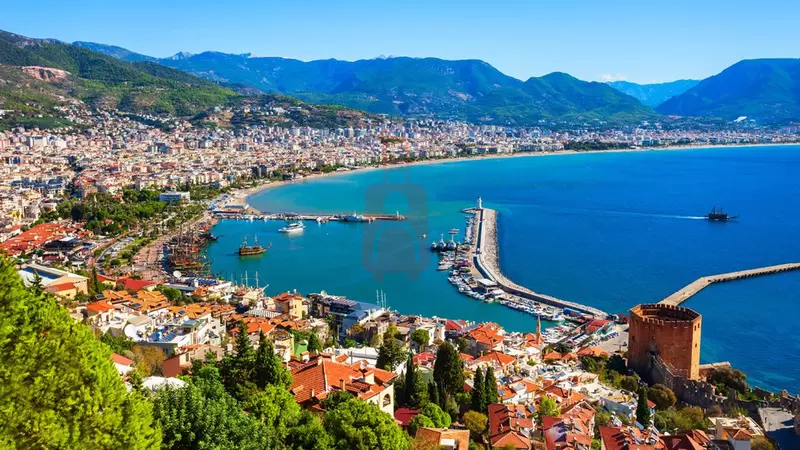
Antalya: Best Places to Visit & Essential Travel Tips
07-09-2023 19:13
The Amasra Museum (Turkish: Amasra Müzesi) is a museum in Amasra, Turkey. The museum was founded in 1985, and is located in the former city hall of Amasra. The museum has a collection of over 10,000 objects, including sculptures, mosaics, pottery, coins, and inscriptions. The collection includes objects from the Neolithic, Bronze Age, Classical, Hellenistic, Roman, Byzantine, and Ottoman periods. The museum is open to the public, and admission is free.
The Tahtakuşlar Ethnography Museum (Turkish: Tahtakuşlar Etnografya Müzesi) is a museum in Balıkesir, Turkey, dedicated to the culture and history of the region. The museum is located in the village of Tahtakuşlar, about 15 kilometers from the city center. The museum was founded in 1974, and has a collection of over 2,000 objects, including textiles, clothing, jewelry, tools, and weapons. The museum is divided into three sections: the ethnographic section, the historical section, and the natural history section. The ethnographic section contains objects from the daily life of the people of the region, including clothing, jewelry, and tools. The historical section contains objects from the history of the region, including weapons, documents, and photographs. The natural history section contains objects from the natural history of the region, including fossils, minerals, and plants.
Rákóczi Museum (Turkish: Rákóczi Müzesi) is a museum in Gölcük, Turkey, that is dedicated to the life and works of Ferenc Rákóczi II, a Hungarian prince who led the Hungarian uprising against the Habsburgs in the 18th century. The museum was founded in 1997, and is located in the house where Rákóczi lived from 1735 to 1738. The museum's collection includes over 1,000 objects, including personal belongings, manuscripts, and photographs. The collection focuses on Rákóczi's life and works, but also includes objects from other periods in Hungarian history.
The Balıkesir National Struggle Museum (Turkish: Balıkesir Kurtuluş Savaşı Müzesi) is a museum in Balıkesir, Turkey, dedicated to the Turkish War of Independence. The museum is located in the city center, and was opened in 1935. The museum has a collection of over 10,000 objects, including photographs, documents, weapons, and uniforms. The collection covers the period from the beginning of the war in 1919 to the establishment of the Republic of Turkey in 1923.
Namık Kemal House Museum (Turkish: Namık Kemal Evi Müzesi) is a museum in Tekirdağ, Turkey, that is dedicated to the life and works of the Turkish poet and playwright Namık Kemal. The museum was founded in 1954, and is located in the house where Kemal lived from 1872 to 1876. The museum's collection includes over 1,000 objects, including personal belongings, manuscripts, and photographs. The collection focuses on Kemal's life and works, but also includes objects from other periods in Turkish history.
Kutman Wine Museum (Turkish: Kutman Şarap Müzesi) is a museum in Mersin, Turkey, that is dedicated to the history of winemaking in the region. The museum was founded in 2013, and is located in the city center. The museum's collection includes over 1,000 objects, including wine bottles, barrels, and tools. The collection focuses on the history of winemaking in Mersin from the 19th century to the present day.
The Aydın Archaeological Museum (Turkish: Aydın Arkeoloji Müzesi) is a museum in Aydın, Turkey. It is located in the center of the city, near the Aydın Citadel. The museum was founded in 1971, and has a collection of over 10,000 objects from the ancient city of Ephesus. The collection includes sculptures, mosaics, pottery, coins, and inscriptions. The museum is divided into two sections: the Ephesus section and the general section. The Ephesus section contains objects from the ancient city of Ephesus, including the Temple of Artemis, the Library of Celsus, and the Roman baths. The general section contains objects from other ancient sites in the region, including Miletus, Priene, and Didyma.
Şanlıurfa Archaeology and Mosaic Museum (Turkish: Şanlıurfa Arkeoloji ve Mozaik Müzesi) is a museum in Şanlıurfa, Turkey, that houses a collection of artifacts from the region. The museum was founded in 1982, and is located in the city center. The museum's collection includes over 50,000 objects, including sculptures, mosaics, inscriptions, and pottery. The collection focuses on the history of Şanlıurfa from the Neolithic period to the present day.
Dikyamaç Museum (Turkish: Dikyamaç Müzesi) is a museum in Antalya, Turkey. It is located in the village of Dikyamaç, about 20 kilometers from the city center. The museum was founded in 1997, and has a collection of over 2,000 objects from the Neolithic, Bronze Age, and Roman periods. The museum is divided into two sections: the Neolithic section and the Roman section. The Neolithic section contains objects from the Neolithic settlements of Dikyamaç and Karain. The Roman section contains objects from the Roman town of Perge.
Sivas Congress and Ethnography Museum (Turkish: Sivas Kongre ve Etnografya Müzesi) is a museum in Sivas, Turkey, that is dedicated to the Sivas Congress of 1919. The museum was founded in 1973, and is located in the city center. The museum's collection includes over 1,000 objects, including photographs, documents, and artifacts from the congress. The collection focuses on the history of the congress, but also includes objects from other periods in Turkish history. The museum also has a library, a research center, and a gift shop.
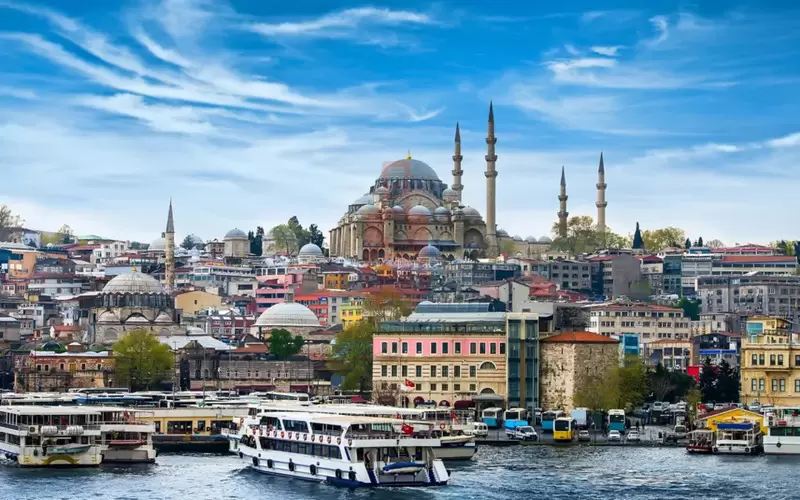
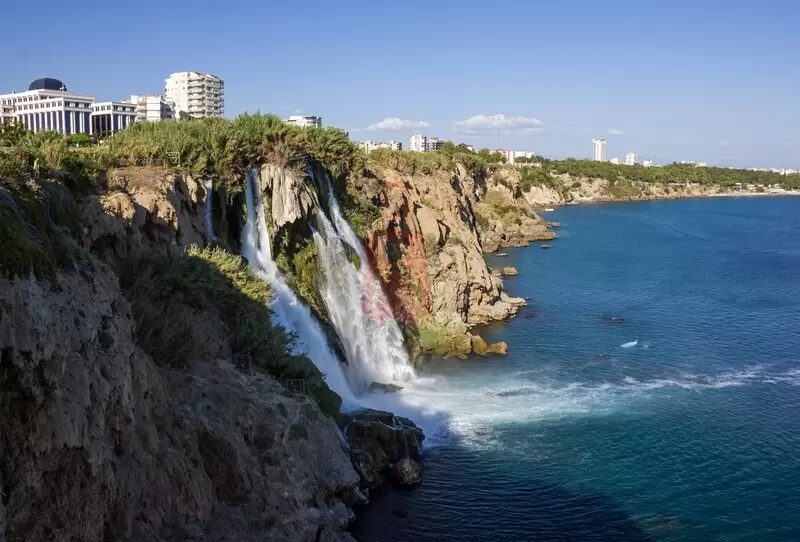
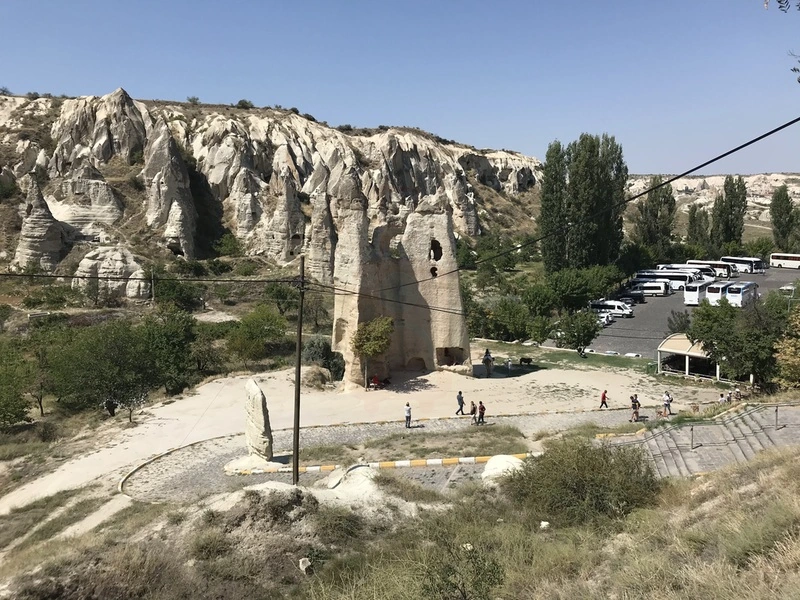
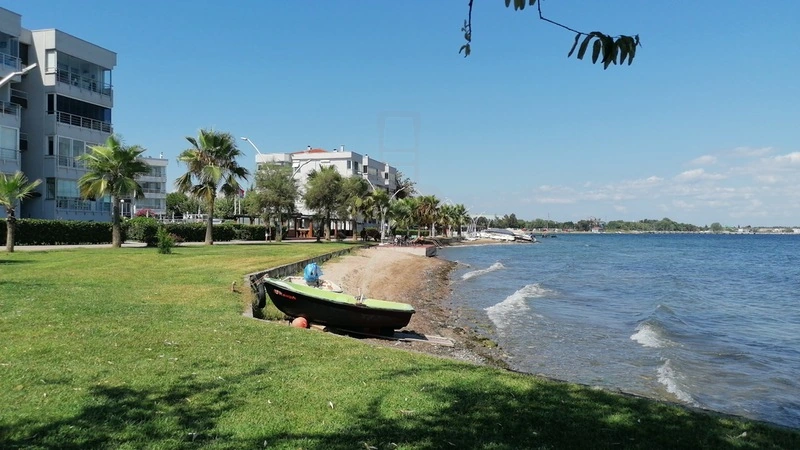
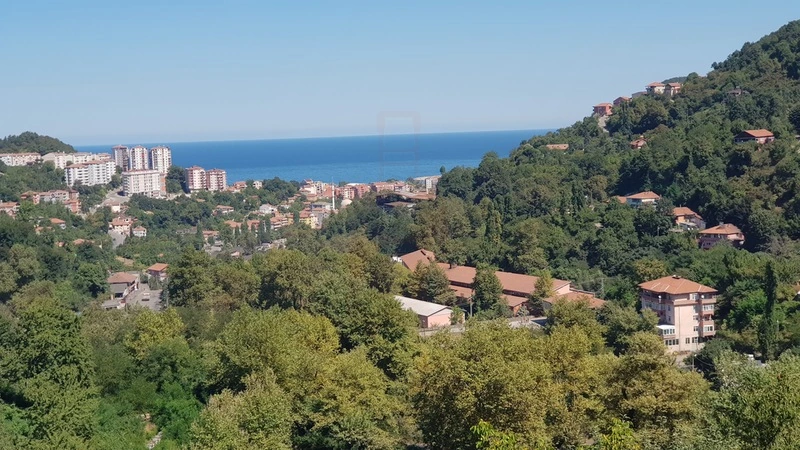
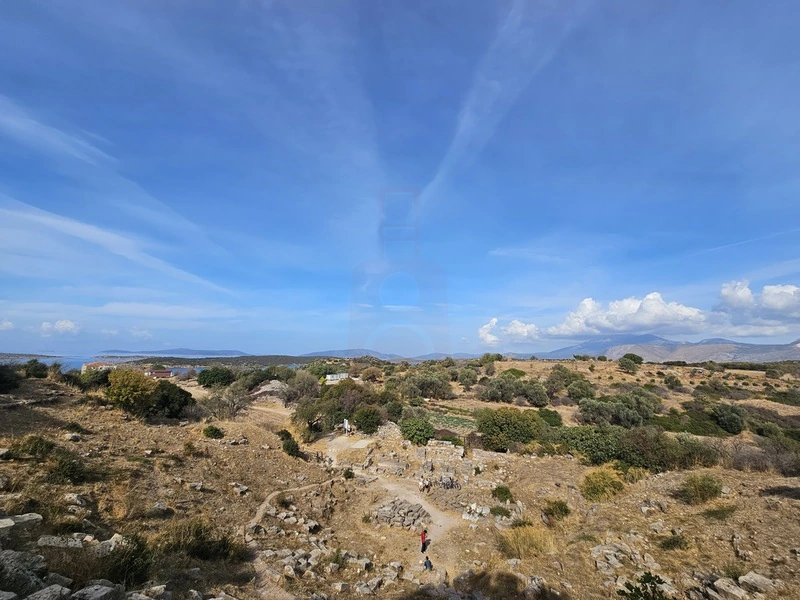
See the must-visit cities and sites trending today.
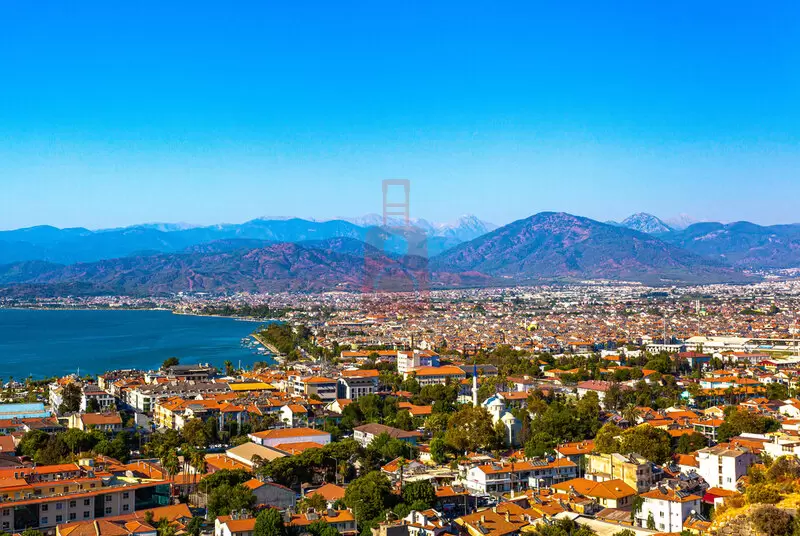
Modern Fethiye is located on the site of the Ancient Greek city of Telmessos, with the Tomb of Amyntas located in the south side of the city in the mountainside, in the base of the mountain. The impressive looking tomb was built in 350 BC, and was named after the Greek inscription on the side of it which reads Amyntou tou Ermagiou, which translated to English means Amyntas, son of Hermagios.
The Adana Archaeological Museum is a museum in Adana, Turkey. It was founded in 1924, and is one of the oldest museums in Turkey. The museum has a collection of over 10,000 artifacts from the Neolithic Age to the Ottoman Empire. The museum is divided into three sections: the prehistoric section, the classical section, and the Islamic section. The prehistoric section contains artifacts from the Neolithic Age to the Bronze Age. The classical section contains artifacts from the Hellenistic Age to the Roman Empire. The Islamic section contains artifacts from the Seljuk Empire to the Ottoman Empire.
Karaman Museum (Turkish: Karaman Müzesi) is a museum in Karaman, Turkey. It was founded in 1978, and is located in the city center. The museum's collection includes over 2,000 objects, including sculptures, mosaics, inscriptions, and pottery. The collection focuses on the history of Karaman from the Neolithic period to the present day. The museum also has a library, a research center, and a gift shop.
The Adana Cinema Museum (Turkish: Adana Sinema Müzesi) is a museum in Adana, Turkey. It was founded in 2008, and is the first cinema museum in Turkey. The museum is located in the Seyhan district of Adana. The museum has a collection of over 2,000 objects related to the history of cinema in Turkey. The museum is divided into four sections: the history of cinema, the technology of cinema, the people of cinema, and the cinema of Adana. The history of cinema section contains objects from the early days of cinema, such as the first film projector and the first film camera. The technology of cinema section contains objects related to the development of film technology, such as film reels and projectors. The people of cinema section contains objects related to the people who have worked in the Turkish film industry, such as film directors, actors, and actresses. The cinema of Adana section contains objects related to the history of cinema in Adana, such as film posters and photographs.
The Adana Ethnography Museum (Turkish: Adana Etnografya Müzesi) is a museum in Adana, Turkey. It was founded in 1980, and is located in the central district of Adana. The museum has a collection of over 6,000 objects related to the culture and history of Adana. The museum is divided into four sections: the history of Adana, the culture of Adana, the economy of Adana, and the natural history of Adana. The history of Adana section contains objects from the Neolithic Age to the Ottoman Empire. The culture of Adana section contains objects related to the traditional culture of Adana, such as clothing, jewelry, and musical instruments. The economy of Adana section contains objects related to the economy of Adana, such as agricultural tools, industrial machinery, and transportation equipment. The natural history of Adana section contains objects related to the natural history of Adana, such as fossils, minerals, and animals.
Boğatepe Cheese Museum (Turkish: Boğatepe Peynir Müzesi) is a cheese museum in Boğatepe, Turkey. It was founded in 2014, and is located in a traditional stone house. The museum's collection includes over 1,000 objects, including cheese molds, churns, and other tools used in cheesemaking. The collection also includes a library and a research center. The museum is open to the public from April to October.
Kars Museum (Turkish: Kars Müzesi) is a museum in Kars, Turkey, that houses a collection of artifacts from the region. The museum was founded in 1921, and is located in the former governor's palace. The museum's collection includes over 30,000 objects, including sculptures, mosaics, inscriptions, and pottery. The collection focuses on the history of Kars from the Neolithic period to the present day. The museum also has a library, a research center, and a gift shop.
The Atatürk Museum (Turkish: Atatürk Müzesi) is a museum in Adana, Turkey. It was opened in 1981, and is dedicated to the life and work of Mustafa Kemal Atatürk, the founder of the Republic of Turkey. The museum is located in the central district of Adana, and is housed in a former Ottoman palace. The museum has a collection of over 1,000 objects related to Atatürk, including personal belongings, photographs, and documents. The museum is divided into four sections: the history of Adana, the life of Atatürk, the Atatürk Revolution, and the Atatürk Legacy. The history of Adana section contains objects from the Neolithic Age to the Ottoman Empire. The life of Atatürk section contains objects from Atatürk's childhood to his death. The Atatürk Revolution section contains objects related to the Turkish War of Independence and the founding of the Republic of Turkey. The Atatürk Legacy section contains objects related to Atatürk's legacy, such as his speeches and writings.
Kastamonu Ethnography Museum (Turkish: Kastamonu Etnografya Müzesi) is an ethnography museum in Kastamonu, Turkey. It was founded in 1937, and is located in the city center. The museum's collection includes over 2,000 objects, including clothing, jewelry, household items, and musical instruments. The collection focuses on the culture of Kastamonu and the Black Sea region, but also includes objects from other parts of Turkey and the world. The museum also has a library, a research center, and a gift shop.

