Most Popular 10 Beaches in Beylikdüzü
21-01-2025 00:10
Geographically Indicated Products (GIPs) are unique goods that derive their quality and reputation from specific geographical origins. In Turkey, these products reflect the rich agricultural heritage and diverse local traditions. Notable examples include Turkish olives, famed for their distinct flavors, and the renowned Antep pistachios, prized for their quality. Other GIPs include various cheeses, such as Çamlıhemşin and Ezine, alongside traditional crafts like Turkish carpets. Visitors can explore local markets and artisanal shops to experience authentic tastes and craftsmanship. Sampling these products not only supports local economies but also offers a deeper understanding of the region's culture and culinary heritage.
Geographically Indicated Products in Turkey
Turkey is home to a rich array of Geographically Indicated Products (GIPs) that reflect its diverse regions and cultural heritage. These products are not only celebrated for their unique qualities but also for the traditions behind their production. Exploring these GIPs offers a fascinating journey through Turkey's landscapes and local customs.
Location and Notable GIPs
Turkey's diverse geography contributes to its wide variety of GIPs. Regions such as Aegean, Marmara, and Southeastern Anatolia are particularly known for their specialty products. For instance, the Aegean region is famous for its olive oils, especially from Ayvalık, while Gaziantep is renowned for its pistachios and baklava. The unique terroir of each area imparts distinct flavors and qualities to these products.
Facilities and Local Markets
Visitors can find numerous facilities dedicated to the production and sale of GIPs. Local markets, such as the Grand Bazaar in Istanbul and the local bazaars in Gaziantep, offer a vibrant atmosphere where travelers can sample and purchase authentic products. Many regions also have farms and workshops where tourists can engage in hands-on experiences, such as olive oil tasting or pottery making.
Water Sports Opportunities
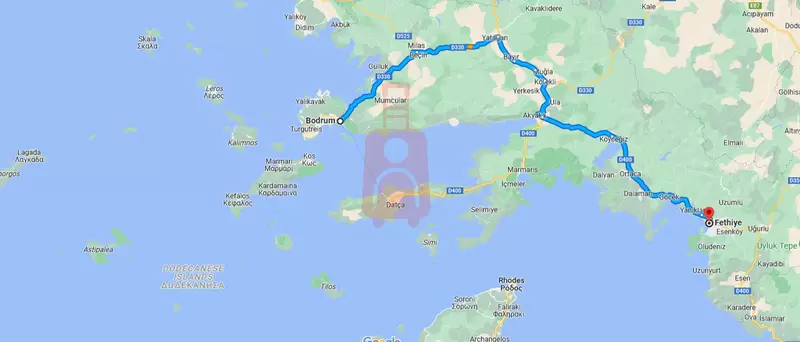
While exploring GIPs, visitors can also enjoy various water sports along Turkey's stunning coastlines. Regions like Bodrum and Fethiye offer activities such as sailing, snorkeling, and diving, providing a perfect blend of culinary exploration and adventure. The clear waters of the Aegean and Mediterranean seas enhance the experience, making it a great way to relax after tasting local delicacies.
Nearby Attractions
Many GIP areas are near significant historical and natural attractions. For example, while in Gaziantep for its pistachios, visitors can explore the ancient city of Zeugma and its stunning mosaics. In the Aegean region, travelers can visit the ancient ruins of Ephesus and enjoy the beautiful beaches of Çeşme. Each location offers a unique backdrop that enriches the experience of discovering local products.
Accessibility
Turkey is well-connected with a network of roads, domestic flights, and public transport, making it easy to access regions known for their GIPs. Major cities like Istanbul, Izmir, and Antalya serve as gateways to various GIP locations, with frequent bus and train services available to reach smaller towns and rural areas.
Best Time to Visit
The best time to explore Turkey's Geographically Indicated Products is during the spring (April to June) and autumn (September to November) months. During these seasons, temperatures range from 15°C to 25°C, providing a pleasant climate for outdoor activities and market visits. Additionally, these periods coincide with harvest times for many local products, allowing visitors to experience the freshness of seasonal offerings.
In summary, Turkey's Geographically Indicated Products offer a rich tapestry of flavors and traditions that reflect the country's diverse heritage. From vibrant local markets to stunning landscapes and exciting water sports, each region provides a unique experience for travelers eager to explore Turkey's culinary treasures.

Tapan Knife is a traditional handmade knife from the Tapan region of Turkey, known for its versatile design and artisanal craftsmanship. Featuring a steel blade and a handle made from goat or ram horn, it is crafted in various styles for different uses. The hooked design is ideal for pruning and agricultural tasks, while the straight blade suits meat and fish cutting, and folding models are valued for decorative purposes. With origins dating back to the 1900s, Tapan Knife takes its name from the flat and expansive Tapan region where it was first produced. It remains a symbol of the region’s cultural heritage and skilled craftsmanship.

Bafra Zembili is a traditional handmade basket from the Bafra region of Turkey, crafted using kındıra grass and dried corn husks. The kındıra grass, found abundantly in the Kızılırmak Delta, is twisted into fine threads, while the corn husks are dried and prepared as weaving material. Known for its fine texture compared to regular straw baskets, Bafra Zembili is used for carrying and storage purposes. This craft is unique to Bafra, where the natural materials essential for its production coexist, reflecting the region's artisanal heritage and eco-friendly practices.

Çarşamba Eight Corner Cap, also known as Çarşamba Cap, is a traditional headpiece symbolizing the cultural heritage of Çarşamba, Turkey. Distinguished by its eight corners, each representing virtues like generosity and courage, it features a subtle brim for sun protection and a unique interior compartment for small keepsakes. Crafted with meticulous handwork, this cap is lightweight, comfortable, and designed with a classic aesthetic. Historically paired with Çarşamba’s traditional attire, it remains a cherished symbol of local identity and craftsmanship. The cap’s unique design and cultural significance make it a timeless representation of Çarşamba’s folkloric tradition.

Egg Heel Çarşamba Shoes, also known as Çarşamba Shoes, are traditional handmade footwear crafted from calf or goat leather with wooden heels. With a distinctive "egg-shaped" heel approximately 35 mm high and a sleek, seamless single-piece leather upper, these shoes are a testament to the artisanship of Çarşamba. Known for their durability, the shoes can be worn with the heel folded down without damage, as the leather restores its shape. Originating over a century ago, they were historically a symbol of style for young men, paired with traditional attire. These unique shoes reflect Çarşamba's cultural and artisanal heritage.

Yağcı Bedir Handmade Carpet is a traditional Turkish carpet renowned for its intricate designs and high-quality craftsmanship. Featuring stylized botanical and geometric motifs arranged in a double mihrab pattern, its designs include a dark blue base with white accents resembling water motifs. Made using Turkish knots and natural wool dyed in deep reds, blues, and browns, the carpet offers exceptional durability and texture. With a pile height of 5-7 mm and over 1,000 knots per square decimeter, it is a symbol of artisanal excellence. Yağcı Bedir Carpets embody centuries of cultural heritage and remain highly valued for their beauty and longevity.

Edirne Mis Fruit Soap is a traditional handmade craft dating back to the 17th century, originating in Edirne, Turkey. Created from white, yellow, and green soap mixed with fragrant essences, it is sculpted to mimic real fruits such as apples, lemons, and grapes, painted with vibrant, natural colors. Known for its refreshing scent and long-lasting appearance, these soaps were once prized gifts in Ottoman palaces and remain a symbol of Edirne’s rich heritage. Durable for 10-15 years without fading, Edirne Mis Fruit Soap combines artistry and tradition, making it a unique and cherished keepsake.

Nallıhan Needle Lace is a traditional Turkish handicraft from Nallıhan, Ankara, known for its intricate, three-dimensional designs crafted entirely by hand. Originally made with silk threads due to the region's historical connection to the Silk Road, it features unique techniques like "thread twisting," which give the lace a firm structure and durability. Unlike other needle laces, it is not attached directly to fabric, allowing for standalone motifs. Common designs include floral, geometric, and symbolic patterns, reflecting the creativity of the artisans. This delicate yet durable art form embodies the cultural heritage and meticulous craftsmanship of Nallıhan.

Antep Kutnu Fabric is a traditional handwoven textile from Gaziantep, Turkey, with a history spanning centuries. It is characterized by its vibrant vertical stripes created with a silk or artificial silk warp and cotton weft. The fabric is woven using satin or plain weave techniques, producing distinct types like Kutnu, Meydaniye Kutnu, and Alaca Kutnu, each varying in thread density and design. Known for its luxurious texture and bright colors, Antep Kutnu Fabric is often used in traditional clothing, accessories, and decorative items. Its timeless elegance and cultural significance make it a treasured symbol of Gaziantep's rich artisanal heritage.