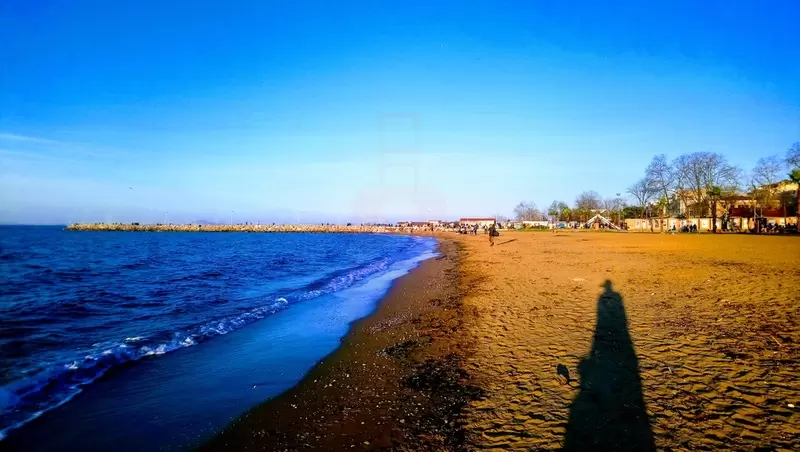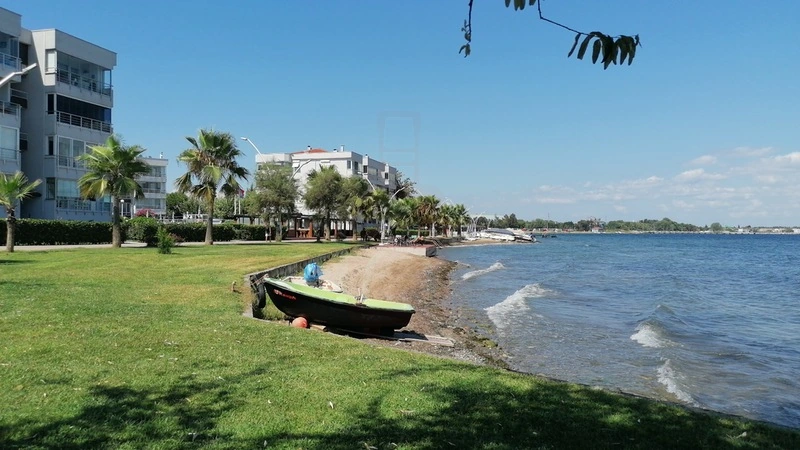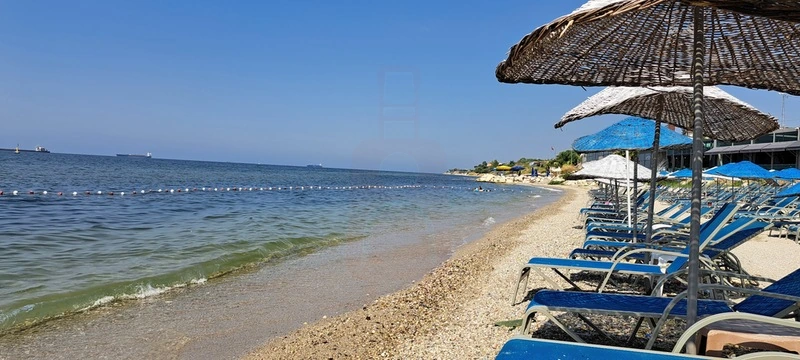
Most Popular 10 Beaches in Beylikdüzü
21-01-2025 00:10
Discover Artvins rich past through its diverse museums, showcasing the regions unique cultural heritage and historical narratives. Explore fascinating ethnogr
Dikyamaç Museum (Turkish: Dikyamaç Müzesi) is a museum in Antalya, Turkey. It is located in the village of Dikyamaç, about 20 kilometers from the city center. The museum was founded in 1997, and has a collection of over 2,000 objects from the Neolithic, Bronze Age, and Roman peri…
Artvin, a captivating province situated in Turkey's verdant Black Sea Region, provides a compelling narrative of its profound historical and cultural evolution through its various museums. These institutions are invaluable custodians of the area's rich past, showcasing a diverse tapestry of ethnographic traditions, architectural legacies, and the distinctive local customs that have flourished in this rugged terrain. A visit to these cultural hubs offers an immersive journey through time, allowing visitors to trace the development of the province from ancient civilizations and regional kingdoms to more contemporary eras. The exhibitions collectively unveil the lives, social structures, and remarkable craftsmanship of the communities that have called this striking landscape home for millennia.
The collections within Artvin's museums generally span a wide array of historical and cultural artifacts. Visitors can anticipate encountering archaeological discoveries, meticulously unearthed from the surrounding valleys, riverbanks, and mountain slopes, which provide crucial insights into early human settlements, ancient trade networks, and the strategic importance of the region throughout history. Ethnographic sections frequently highlight traditional attire, domestic implements, agricultural tools, and intricate artisanal crafts, vividly portraying the daily life, celebrations, and enduring cultural practices of Artvin’s diverse populace. Some specialized venues might additionally explore the region’s unique natural history, its rich biodiversity, or the distinctive timber and stone architectural styles characteristic of the Black Sea littoral. The displays are thoughtfully arranged, typically accompanied by informative placards that provide essential context, enriching the visitor's understanding of each artifact and its historical significance.
Engaging with Artvin's cultural institutions offers a serene and profoundly educational experience, perfect for travelers eager to delve deeper into the destination beyond its breathtaking natural beauty. Many of these cultural repositories are situated within beautifully preserved, historically significant buildings, which inherently enhance the authentic ambiance and provide an added layer of historical appreciation. The most agreeable times to plan a visit are typically during the milder spring and autumn months, when the weather is comfortably cool, and the surrounding natural landscapes burst with vibrant colors or rich autumnal hues. These seasons offer ideal conditions for both indoor exploration and enjoying the scenic routes to and from the museum sites.
For an optimal visit, it is advisable to wear comfortable footwear, as some locations may involve a fair amount of walking, both within the exhibition spaces and on the approach. Checking the current opening hours and any specific holiday schedules in advance is recommended, as operational times can sometimes vary throughout the year. While general photography for personal use is usually permitted, visitors are typically requested to refrain from using flash to protect sensitive exhibits. Expect a peaceful and contemplative atmosphere, encouraging careful observation and reflection on the profound historical narratives presented. These sites offer a quiet counterpoint to Artvin's adventurous outdoor pursuits, providing a vital connection to the region's enduring human story.