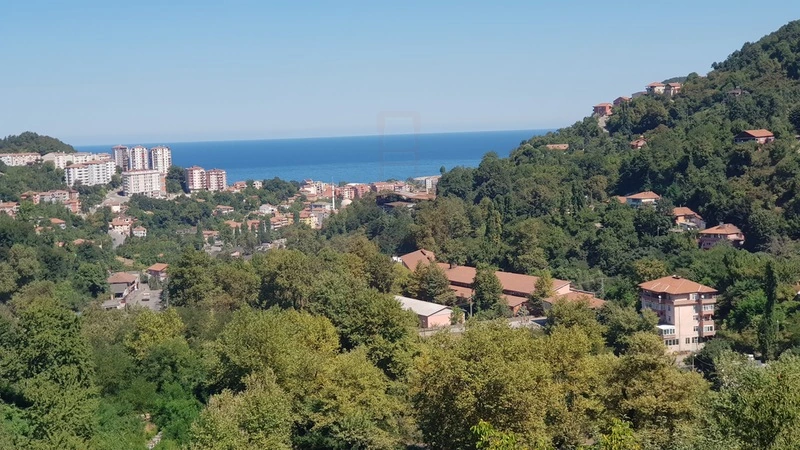
Most Popular 10 Beaches in Beylikdüzü
21-01-2025 00:10
Explore the rich history of Denizli through its remarkable ancient cities and archaeological sites. Discover remnants of past civilizations in the Aegean Region
Welcome to Beycesultan Mound! Located in present-day Turkey, Beycesultan Mound, also known as Beycesultan Höyük, is an archaeological site that holds great historical and cultural significance. This ancient mound offers visitors a glimpse into the rich past of the region. Beycesu…
Welcome to Hierapolis Ancient City! Situated in southwestern Turkey, near the modern-day city of Pamukkale, Hierapolis is a captivating archaeological site known for its well-preserved ruins, ancient theater, and natural hot springs. With a rich history that spans several civiliz…
Welcome to Laodicea on the Lycus Ancient City! Situated in southwestern Turkey, Laodicea on the Lycus is an archaeological site of great historical and cultural significance. Laodicea on the Lycus is located in western Turkey, in the Denizli Province. It is situated near the mode…
Tripolis Ancient City, located in Denizli, Turkey, is a fascinating archaeological site that offers a glimpse into the rich history and cultural heritage of the region. Situated in the southwestern part of the country, Tripolis is believed to have been founded during the Hellenis…
Denizli, Turkey's Aegean Region, is a profound destination for enthusiasts of ancient history, offering a remarkable collection of ancient cities and archaeological sites that span millennia. These historical landscapes bear witness to a succession of civilizations, from the vibrant Hellenistic and expansive Roman periods to earlier Phrygian influences, reflecting the region's long-standing strategic importance as a crossroads for trade and culture. Visitors to Denizli have a unique opportunity to step back in time and explore the tangible legacies of societies that thrived here, leaving behind impressive architectural marvels and rich cultural artifacts.
Exploring the ancient cities in Denizli provides a fascinating and often awe-inspiring journey through well-preserved ruins and expansive archaeological parks. Expect to encounter grand theatres where thousands once gathered for dramatic performances or gladiatorial contests, majestic temples dedicated to ancient deities, bustling agoras that once served as central commercial and social hubs, and vast necropolises offering profound insights into ancient funerary practices and beliefs. The remains of elaborate Roman baths, formidable city walls, and intricate street layouts further paint a vivid picture of daily life, sophisticated engineering, and architectural prowess from bygone eras.
The ideal time to visit these extensive historical sites is during the spring (April to June) and autumn (September to November) when the weather is comfortably mild and pleasant, perfect for extended outdoor exploration. Summer months can be intensely hot, necessitating ample hydration, sun protection, and early morning visits. Practical tips for a rewarding experience include wearing comfortable, sturdy walking shoes, bringing plenty of water, and considering the benefits of a local guide or informative audio tour to fully appreciate the complex history and profound significance of each structure and artifact.
A visit to Denizli's ancient cities offers more than just a historical excursion; it's an immersive experience that allows for deep contemplation amidst centuries of human endeavor. The atmosphere found within these ancient grounds is one of profound tranquility and awe, where every weathered stone seems to whisper stories of empires, beliefs, and the enduring human spirit. These sites are not merely static ruins but vibrant, living testaments to the rise and fall of civilizations, inviting visitors to connect deeply with the intricate tapestry of the past and gain a new perspective on history.