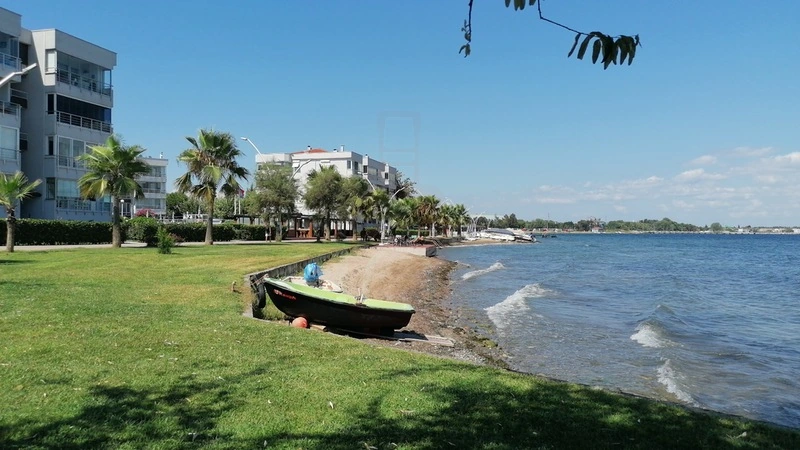
Most Popular 10 Beaches in Beylikdüzü
21-01-2025 00:10
Discover Osmaniyes rich past through its museums. Explore archaeological finds, ethnographic displays, and historical narratives that illuminate the regions h
Karatepe-Aslantaş Open-Air Museum (Turkish: Karatepe Aslantaş Açık Hava Müzesi) is an open-air museum in Karatepe, Turkey, that houses the ruins of an ancient Hittite city. The museum was founded in 1948, and is located in the foothills of the Taurus Mountains. The museum's colle…
Osmaniye City Museum (Turkish: Osmaniye Kent Müzesi) is a museum in Osmaniye, Turkey, that houses a collection of artifacts from the region. The museum was founded in 1982, and is located in the city center. The museum's collection includes over 1,000 objects, including sculpture…
Osmaniye, Turkey's Mediterranean Region, offers a fascinating journey through time for visitors interested in its deep historical and cultural roots. The museums here serve as vital custodians of the region's diverse heritage, presenting a chronological narrative that spans millennia. From the ancient civilizations that once thrived on these lands to the more recent past, these institutions provide invaluable insights into the human story within this strategic Anatolian gateway.
Visitors can expect to encounter a wide array of exhibits, typically encompassing archaeological artifacts unearthed from local excavations, shedding light on Hittite, Roman, Byzantine, and Ottoman periods. These collections often feature pottery, tools, sculptures, and epigraphic materials that piece together daily life, religious practices, and political structures of bygone eras. Beyond ancient history, some museums also delve into the ethnographic traditions of Osmaniye, showcasing local costumes, household items, agricultural tools, and crafts that reflect the customs and lifestyle of the regional populace through the centuries.
A visit to Osmaniye's museums offers an enriching experience for history enthusiasts and curious travelers alike. The exhibits are generally arranged to guide visitors through different historical epochs and thematic presentations, often with informational panels providing context in Turkish and sometimes English. The best time to explore these indoor attractions is during the cooler months of spring or autumn, or as a welcome respite from the summer heat. Early mornings or late afternoons usually offer a quieter, more contemplative atmosphere, allowing for a deeper engagement with the displays.
Practical tips for museum-goers include wearing comfortable shoes, as some venues may involve considerable walking. It's advisable to check general operating hours, as these can vary. While specific photography rules differ between establishments, it is generally respectful to inquire before taking pictures, especially in areas with sensitive artifacts. Engaging with the rich tapestry of Osmaniye's past through its museums provides a profound appreciation for its enduring legacy and its place within the broader history of Anatolia.