Most Popular 10 Beaches in Beylikdüzü
21-01-2025 00:10
Geographically Indicated Products (GIPs) are unique goods that derive their quality and reputation from specific geographical origins. In Turkey, these products reflect the rich agricultural heritage and diverse local traditions. Notable examples include Turkish olives, famed for their distinct flavors, and the renowned Antep pistachios, prized for their quality. Other GIPs include various cheeses, such as Çamlıhemşin and Ezine, alongside traditional crafts like Turkish carpets. Visitors can explore local markets and artisanal shops to experience authentic tastes and craftsmanship. Sampling these products not only supports local economies but also offers a deeper understanding of the region's culture and culinary heritage.
Geographically Indicated Products in Turkey
Turkey is home to a rich array of Geographically Indicated Products (GIPs) that reflect its diverse regions and cultural heritage. These products are not only celebrated for their unique qualities but also for the traditions behind their production. Exploring these GIPs offers a fascinating journey through Turkey's landscapes and local customs.
Location and Notable GIPs
Turkey's diverse geography contributes to its wide variety of GIPs. Regions such as Aegean, Marmara, and Southeastern Anatolia are particularly known for their specialty products. For instance, the Aegean region is famous for its olive oils, especially from Ayvalık, while Gaziantep is renowned for its pistachios and baklava. The unique terroir of each area imparts distinct flavors and qualities to these products.
Facilities and Local Markets
Visitors can find numerous facilities dedicated to the production and sale of GIPs. Local markets, such as the Grand Bazaar in Istanbul and the local bazaars in Gaziantep, offer a vibrant atmosphere where travelers can sample and purchase authentic products. Many regions also have farms and workshops where tourists can engage in hands-on experiences, such as olive oil tasting or pottery making.
Water Sports Opportunities
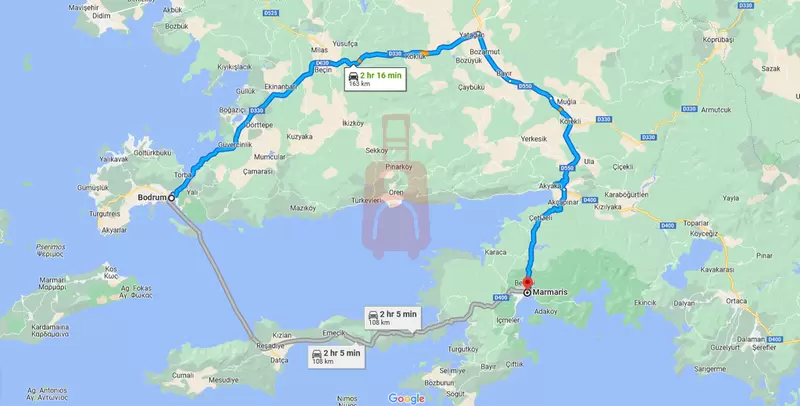
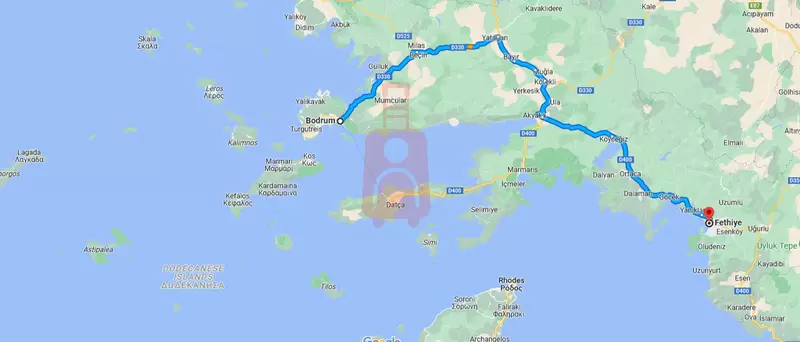
While exploring GIPs, visitors can also enjoy various water sports along Turkey's stunning coastlines. Regions like Bodrum and Fethiye offer activities such as sailing, snorkeling, and diving, providing a perfect blend of culinary exploration and adventure. The clear waters of the Aegean and Mediterranean seas enhance the experience, making it a great way to relax after tasting local delicacies.
Nearby Attractions
Many GIP areas are near significant historical and natural attractions. For example, while in Gaziantep for its pistachios, visitors can explore the ancient city of Zeugma and its stunning mosaics. In the Aegean region, travelers can visit the ancient ruins of Ephesus and enjoy the beautiful beaches of Çeşme. Each location offers a unique backdrop that enriches the experience of discovering local products.
Accessibility
Turkey is well-connected with a network of roads, domestic flights, and public transport, making it easy to access regions known for their GIPs. Major cities like Istanbul, Izmir, and Antalya serve as gateways to various GIP locations, with frequent bus and train services available to reach smaller towns and rural areas.
Best Time to Visit
The best time to explore Turkey's Geographically Indicated Products is during the spring (April to June) and autumn (September to November) months. During these seasons, temperatures range from 15°C to 25°C, providing a pleasant climate for outdoor activities and market visits. Additionally, these periods coincide with harvest times for many local products, allowing visitors to experience the freshness of seasonal offerings.
In summary, Turkey's Geographically Indicated Products offer a rich tapestry of flavors and traditions that reflect the country's diverse heritage. From vibrant local markets to stunning landscapes and exciting water sports, each region provides a unique experience for travelers eager to explore Turkey's culinary treasures.
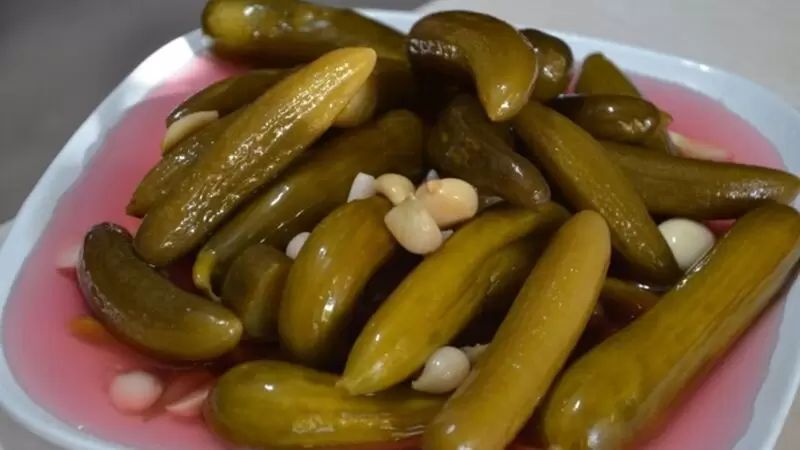
Iskilip Pickle is a traditional delicacy from the Iskilip region, known for its unique preparation method and distinctive ingredients. It uses fresh, undamaged vegetables such as cucumbers, peppers, melons, beans, and cabbage, combined with Iskilip rock salt and vinegar made from local Iskilip grapes. The vinegar, crafted using ancestral methods, and the region's rock salt give this pickle its exceptional taste and long shelf life. Prepared in earthenware jars and stored in cool, shaded places, Iskilip Pickle preserves its freshness for months. This artisanal product reflects the culinary heritage of Iskilip and its dedication to maintaining traditional flavors.
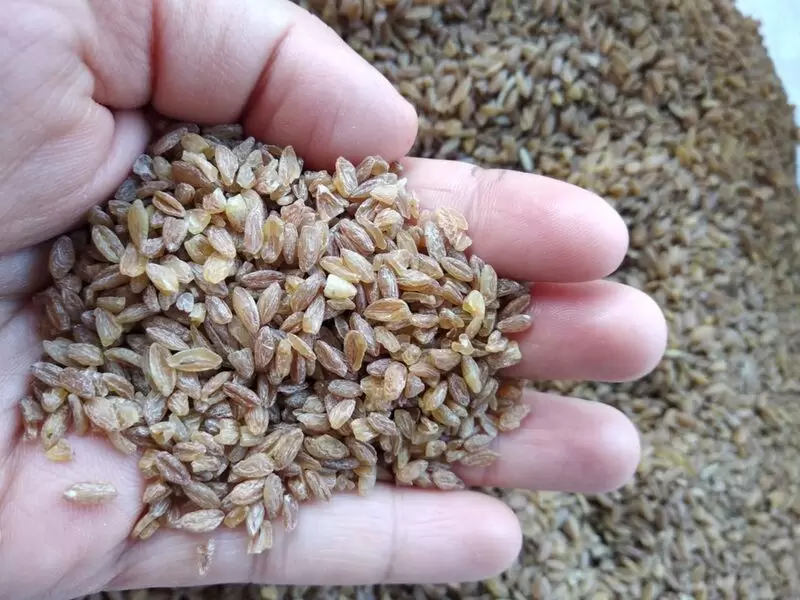
Kastamonu Siyez Bulghur is a unique product made from einkorn wheat, an ancient grain cultivated primarily in Kastamonu's İhsangazi district and surrounding areas. Produced through a traditional process where the husked wheat is boiled, dried, and milled in stone mills, it retains its natural richness. Known for its high protein content and abundant minerals like calcium, iron, zinc, and magnesium, it is both nutritious and flavorful. Siyez Bulghur’s distinctive taste and texture reflect its heritage and the traditional methods used in its production. This wholesome and versatile product is a staple of Kastamonu’s culinary culture and a treasure of Turkish cuisine.
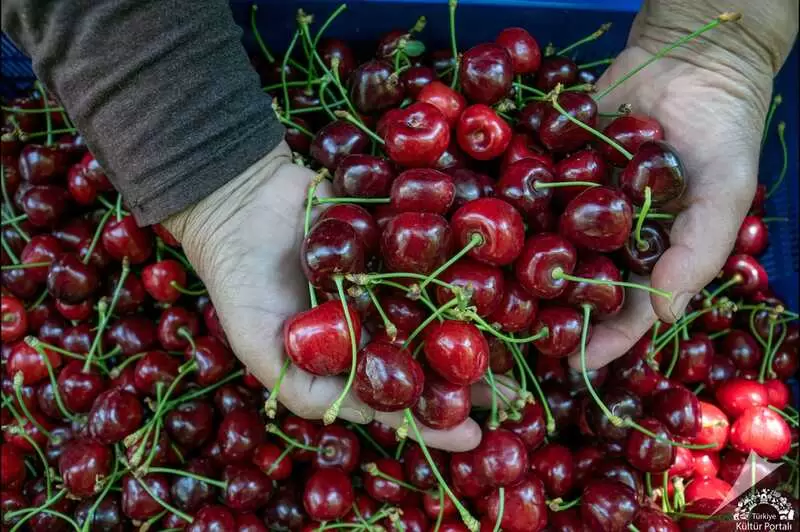
Uluborlu Cherry, cultivated in the Uluborlu district of Isparta, Turkey, is a premium cherry variety known for its vibrant color, rich flavor, and firm texture. Derived from the Prunus avium L. species and the 0900 Ziraat variety, it thrives in the region’s unique climate and geography. The district’s altitude, sunny summers, and cool breezes create ideal conditions for producing cherries with exceptional quality. These factors contribute to the cherry’s firmness, large size, and extended shelf life, making it perfect for transport and fresh consumption. Uluborlu Cherry reflects the region’s agricultural heritage and is cherished for its outstanding taste and long-lasting freshness.
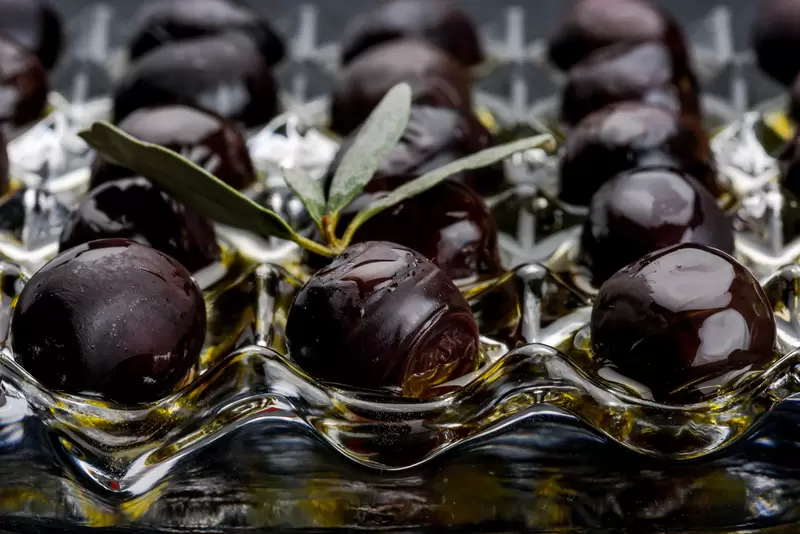
Akhisar Uslu Olive is a unique variety cultivated in Manisa's Akhisar district, derived from Uslu-type olive trees. Known for its glossy deep black color and superior taste, it is one of the Aegean region's finest table olives. Harvested during its full ripeness in November, Akhisar Uslu Olive is particularly valued for its exceptional quality as a black table olive. The olives are grown under the region’s ideal conditions and processed using traditional methods that enhance their natural flavor and texture. This specialty reflects the rich olive cultivation heritage of Akhisar, making it a sought-after choice for those seeking premium-quality olives.
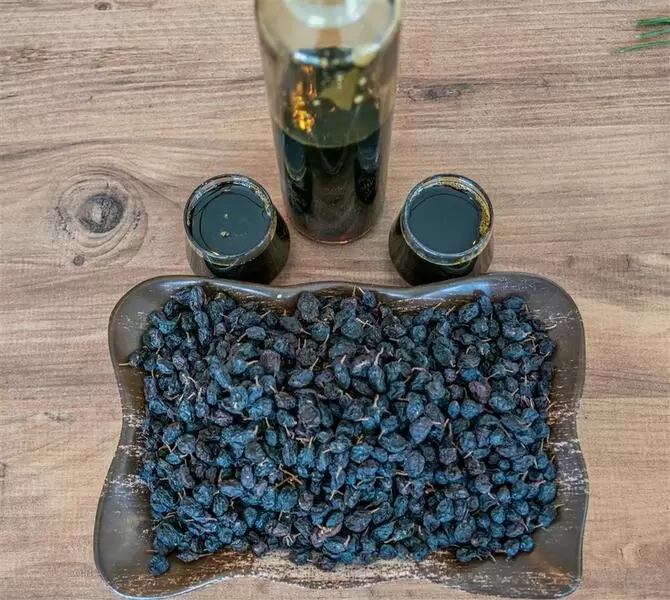
Senirkent Dimrit Grape is a distinctive product grown in the Senirkent district of Turkey, derived from the Vitis vinifera L. species and the Black Dimrit variety. Known for its dark purple-black color, oval shape, and seeded berries, it is highly valued for table use, juice production, and molasses making. Each bunch weighs approximately 220-250 grams with a dense, conical shape. The grape's unique qualities are shaped by Senirkent’s location between the Mediterranean mild climate and the continental climate of Central Anatolia. Adapted to the region's specific conditions, this grape reflects the rich agricultural heritage of the area while offering a versatile, flavorful option for culinary and traditional uses.
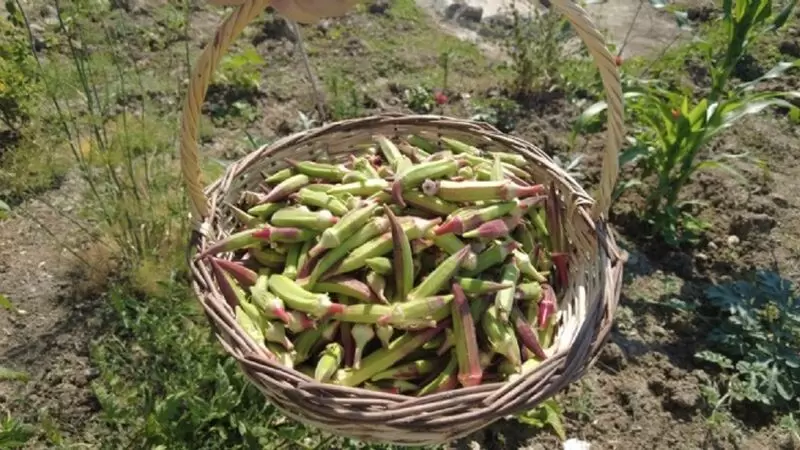
Bornova Kınalı Okra is a traditional local variety known for its elegant, smooth shape and vibrant appearance. Botanically classified as Abelmoschus esculentus (L.) Moench, it gets its name from the irregular red pigmentation on the fruit and stem caused by sun exposure. Harvested early in the day, its fresh fruits are crisp, tender, fiberless, and slightly hairy, ideal at 3.5-4.0 cm in length. This variety features thin, delicate fruits with a diameter of about 1 cm when mature. The plant is robust, reaching up to 3 meters with multiple side branches under good care. Beyond its fresh use, Bornova Kınalı Okra is perfect for canning, leaving no residue or cloudiness in the canning liquid, distinguishing it from other okra types in both taste and quality.
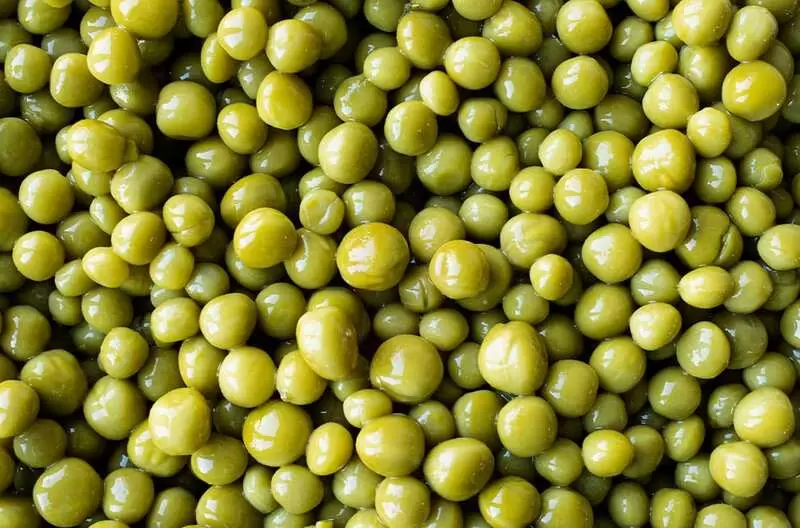
Akhisar Tomato Olive is a unique product grown in the Akhisar district of Manisa, Turkey. Derived from grafted Domat olive trees native to this region, it stands out for its distinct flavor and quality. Harvested during the green ripening period, these olives are primarily processed as table olives. The preparation involves removing the pits and stuffing the olives with ingredients like peppers, carrots, or almonds, creating a delightful stuffed olive variety. This traditional method reflects the rich agricultural heritage of Akhisar and highlights its reputation for producing premium-quality olives cherished in local and international cuisine.
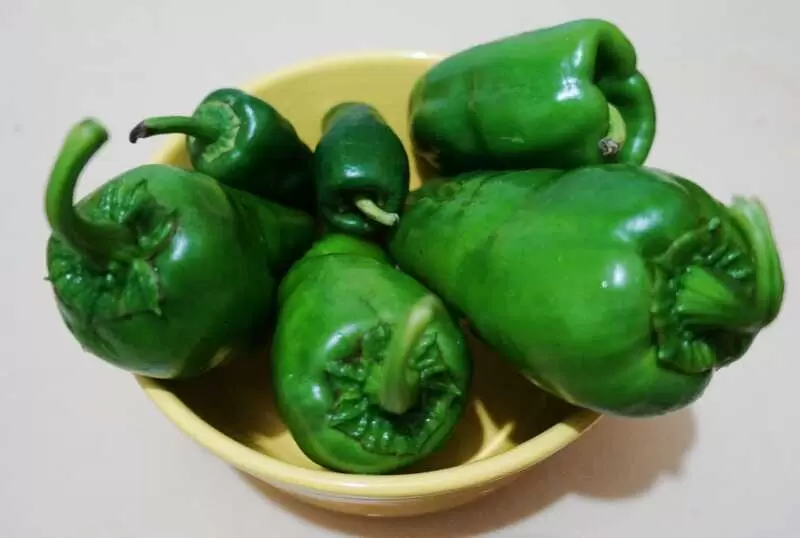
Emcelli Pepper, a geographically indicated product from Sarıgöl’s Emcelli district in Manisa, Turkey, is a variety of Kapya pepper cultivated using traditional open-field methods. Known for its conical shape, thick flesh, and sweet flavor, it is ideal for roasting, paste, and canning. Typically planted in early May, the peppers are harvested from mid-August to late November, with some harvests extending into December. Tarhana production uses fully ripened red peppers, also referred to as tarhana peppers. Emcelli Pepper represents the rich agricultural heritage and exceptional quality of the region.