Most Popular 10 Beaches in Beylikdüzü
21-01-2025 00:10
Geographically Indicated Products (GIPs) are unique goods that derive their quality and reputation from specific geographical origins. In Turkey, these products reflect the rich agricultural heritage and diverse local traditions. Notable examples include Turkish olives, famed for their distinct flavors, and the renowned Antep pistachios, prized for their quality. Other GIPs include various cheeses, such as Çamlıhemşin and Ezine, alongside traditional crafts like Turkish carpets. Visitors can explore local markets and artisanal shops to experience authentic tastes and craftsmanship. Sampling these products not only supports local economies but also offers a deeper understanding of the region's culture and culinary heritage.
Geographically Indicated Products in Turkey
Turkey is home to a rich array of Geographically Indicated Products (GIPs) that reflect its diverse regions and cultural heritage. These products are not only celebrated for their unique qualities but also for the traditions behind their production. Exploring these GIPs offers a fascinating journey through Turkey's landscapes and local customs.
Location and Notable GIPs
Turkey's diverse geography contributes to its wide variety of GIPs. Regions such as Aegean, Marmara, and Southeastern Anatolia are particularly known for their specialty products. For instance, the Aegean region is famous for its olive oils, especially from Ayvalık, while Gaziantep is renowned for its pistachios and baklava. The unique terroir of each area imparts distinct flavors and qualities to these products.
Facilities and Local Markets
Visitors can find numerous facilities dedicated to the production and sale of GIPs. Local markets, such as the Grand Bazaar in Istanbul and the local bazaars in Gaziantep, offer a vibrant atmosphere where travelers can sample and purchase authentic products. Many regions also have farms and workshops where tourists can engage in hands-on experiences, such as olive oil tasting or pottery making.
Water Sports Opportunities
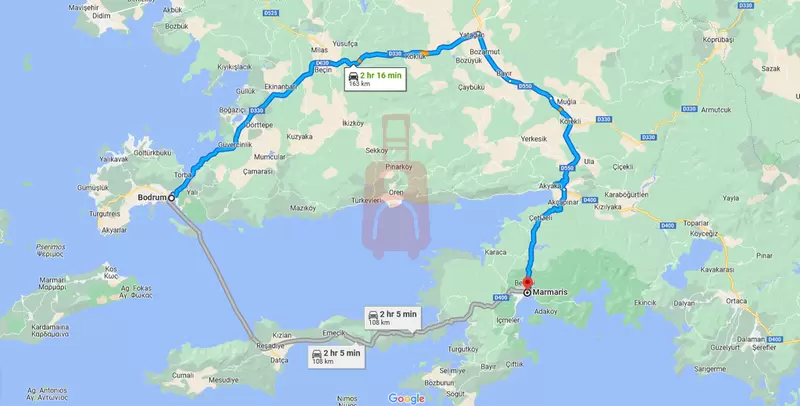
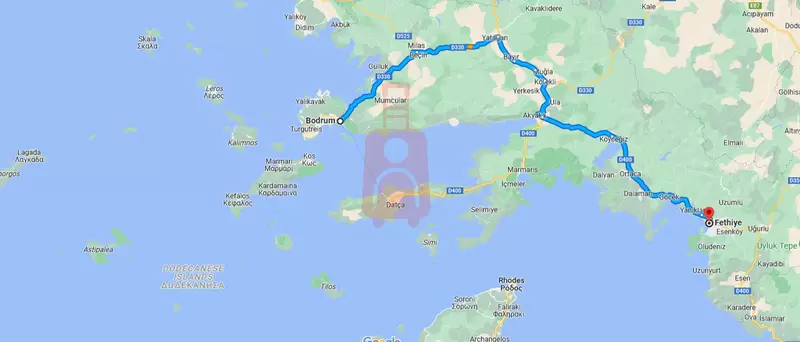
While exploring GIPs, visitors can also enjoy various water sports along Turkey's stunning coastlines. Regions like Bodrum and Fethiye offer activities such as sailing, snorkeling, and diving, providing a perfect blend of culinary exploration and adventure. The clear waters of the Aegean and Mediterranean seas enhance the experience, making it a great way to relax after tasting local delicacies.
Nearby Attractions
Many GIP areas are near significant historical and natural attractions. For example, while in Gaziantep for its pistachios, visitors can explore the ancient city of Zeugma and its stunning mosaics. In the Aegean region, travelers can visit the ancient ruins of Ephesus and enjoy the beautiful beaches of Çeşme. Each location offers a unique backdrop that enriches the experience of discovering local products.
Accessibility
Turkey is well-connected with a network of roads, domestic flights, and public transport, making it easy to access regions known for their GIPs. Major cities like Istanbul, Izmir, and Antalya serve as gateways to various GIP locations, with frequent bus and train services available to reach smaller towns and rural areas.
Best Time to Visit
The best time to explore Turkey's Geographically Indicated Products is during the spring (April to June) and autumn (September to November) months. During these seasons, temperatures range from 15°C to 25°C, providing a pleasant climate for outdoor activities and market visits. Additionally, these periods coincide with harvest times for many local products, allowing visitors to experience the freshness of seasonal offerings.
In summary, Turkey's Geographically Indicated Products offer a rich tapestry of flavors and traditions that reflect the country's diverse heritage. From vibrant local markets to stunning landscapes and exciting water sports, each region provides a unique experience for travelers eager to explore Turkey's culinary treasures.
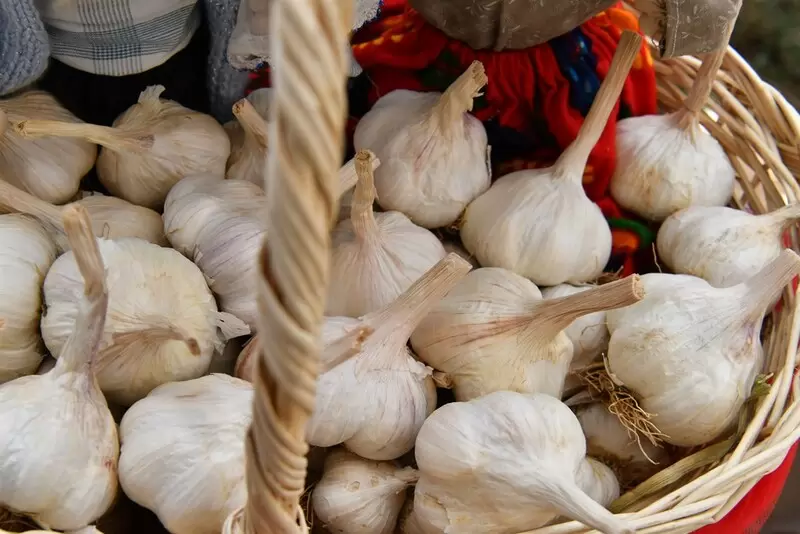
Gelendost Çaltı Garlic, a geographically indicated product from Turkey, is cultivated in the fertile lands of Gelendost district in Isparta. Known for its strong aroma and robust flavor, it is grown from cloves saved from the previous harvest and planted in rotation with legumes every 2–3 years. This garlic variety features medium-sized heads weighing 31.2–47.1 grams, with cream-colored outer skins and cloves arranged in a non-uniform pattern. The soil’s unique composition and the region’s climate give it its distinct sharp aroma and rich taste, making it a favorite in Turkish cuisine and a symbol of Gelendost’s agricultural heritage.
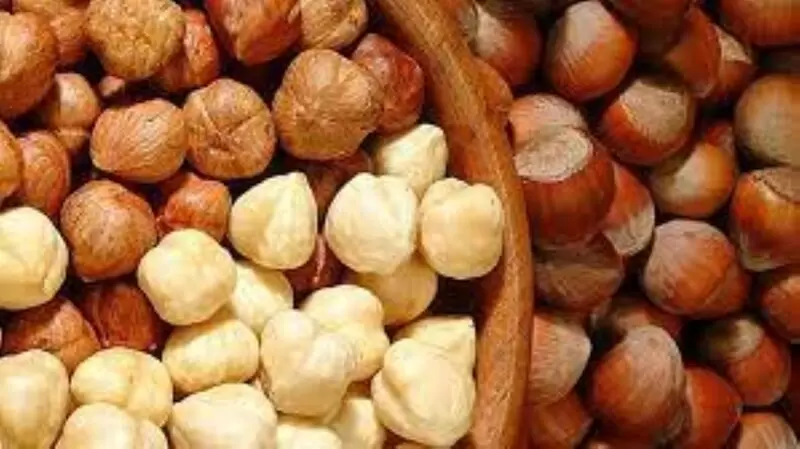
Akçakoca Yellow Hazelnut, a geographically indicated product from Turkey, is renowned for its rich nutritional profile and distinct flavor. With higher levels of linoleic acid and essential amino acids like aspartic acid and histidine, it stands out among hazelnut varieties. Cultivated in the fertile lands of Akçakoca, this hazelnut variety undergoes a unique pollination process lasting several months, ensuring its high quality. Harvested in August, it offers a creamy texture and robust taste, making it a favorite for culinary uses and snacking. Akçakoca Yellow Hazelnut is a true representation of the region’s agricultural excellence.
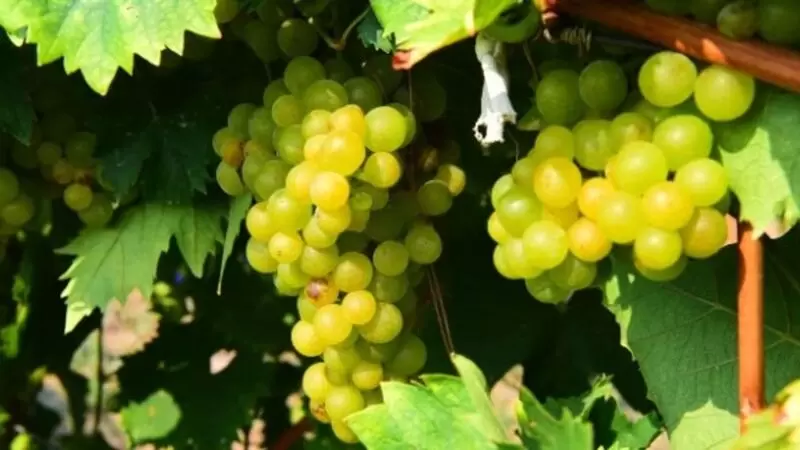
Bornova Misket Grape, a geographically indicated product from Turkey, is celebrated for its strong muscat aroma, sweet flavor, and juicy texture. With medium-sized, round, yellowish-white berries and thick skins, it thrives in the fertile lands of Bornova. Known for its versatility, it is used as a table grape, in winemaking, and for grape juice. Mentioned with admiration by the traveler Evliya Çelebi in 1671, this grape has a rich history and cultural significance. Harvested in August, it remains a cherished local delicacy, offering a distinct taste of the region’s agricultural heritage.
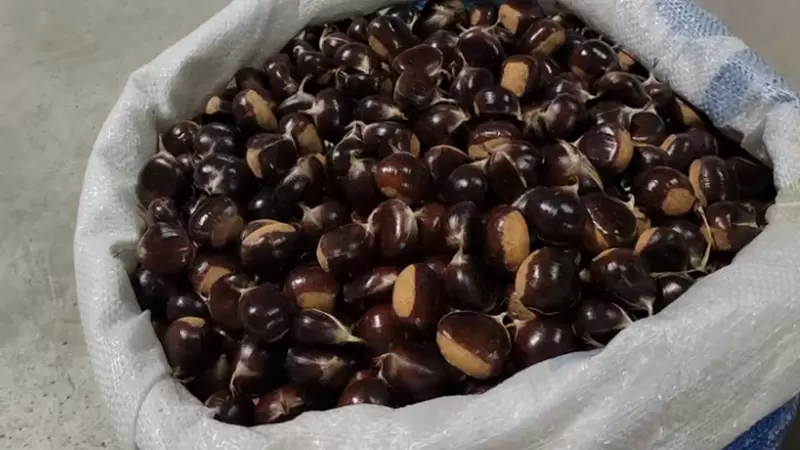
Düzce Chestnut, a geographically indicated product from Turkey, is known for its moderate size, light brown shell, and creamy interior. Harvested from both wild and cultivated chestnut trees in Düzce’s forested areas, it stands out for its easily removable inner skin, making it ideal for roasting, cooking, or eating raw. With a low internal shrinkage rate and a delicate texture, it offers a sweet and nutty flavor that delights consumers. Representing the natural richness of Düzce, this chestnut is a staple in local culinary traditions and a sought-after seasonal delicacy.
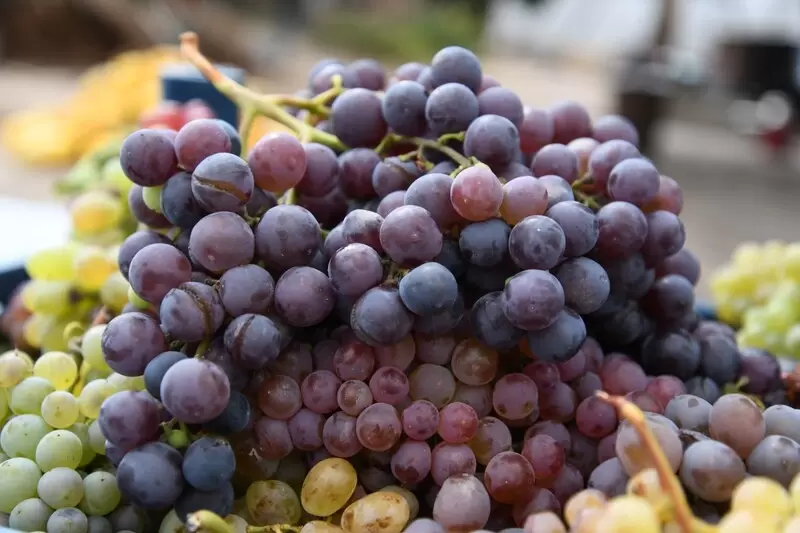
Incesu Karaevrek Grape, a geographically indicated product from Turkey, is renowned for its sweet taste, small five-lobed leaves, and compact conical clusters. Cultivated at 1100 meters above sea level in the volcanic soils of Incesu, surrounded by Erciyes, Hasan, and Melendiz mountains, it thrives in the region's unique microclimate. The combination of mineral-rich soils, moderate temperatures, and low annual rainfall creates ideal conditions for this grape variety. Known for its 2-3 seeds per berry, tender skin, and colorless flesh, it is a symbol of Incesu’s long-standing viticulture tradition and exceptional agricultural heritage.
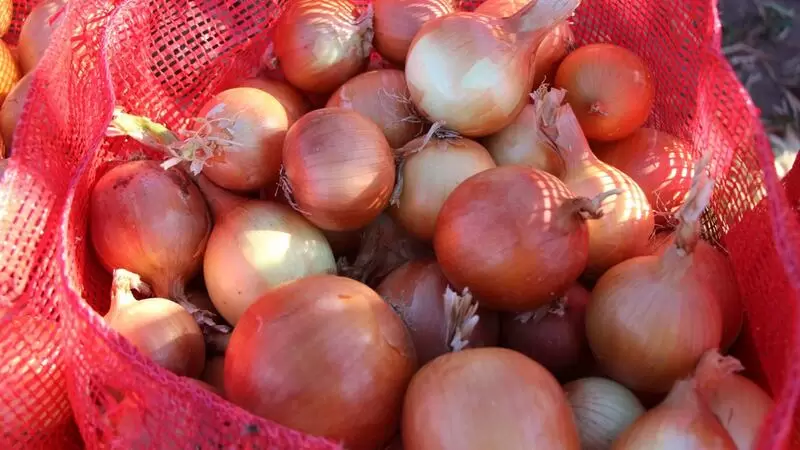
Suluova Onion, a geographically indicated product from Turkey, is renowned for its high dry matter content, storage durability, and rich flavor. Cultivated from a variety of local and regional seeds, it thrives in the fertile lands of Amasya's Suluova district. The onions are medium-sized with a brown outer skin and white inner flesh, offering excellent resistance to root diseases and suitability for long-term storage. Harvested from June to September, they are naturally dried under the sun or in open shelters to preserve their quality. Known for their versatility and rich taste, Suluova Onions are a staple of Turkish cuisine and a symbol of the region’s agricultural excellence.
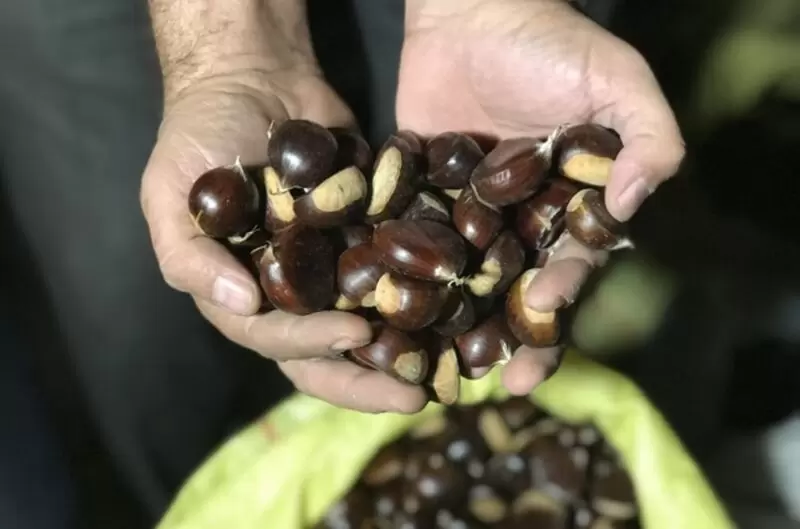
Akçakoca Kaplandede Chestnut, a geographically indicated product from Turkey, is renowned for its thin shell, smooth peeling, and full-bodied interior. Grown naturally in the favorable climate of Akçakoca without irrigation or fertilization, it thrives in the region's balanced humidity and mild temperatures. The chestnuts are small in size, with a glossy brown shell and light cream-colored flesh, offering a firm texture and rich taste. Known for its easy-to-remove skin and intact inner flesh, it is a favorite among consumers. This unique chestnut variety reflects the harmony of Akçakoca’s natural environment and traditional cultivation practices, making it a prized regional delicacy.
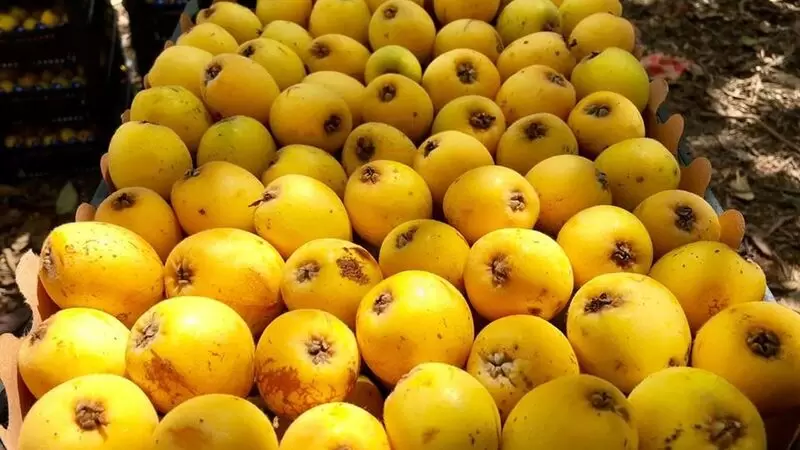
Alanya Yenidünyası, a geographically indicated loquat variety from Turkey, thrives in the unique microclimate of Alanya, protected by the Toros Mountains and moderated by the Mediterranean Sea. Known for its early ripening and high yield, it stands out from loquats grown in other regions like Hatay and Antalya. The "Ayva Göbek" variety, also called "Hafif Çukur Göbek," reaches markets in early spring, when winter fruits are scarce, and summer fruits have yet to arrive. This distinctive feature makes it highly valued by consumers. With its sweet flavor and vibrant color, Alanya Yenidünyası reflects the region's exceptional agricultural heritage and climatic conditions.