Most Popular 10 Beaches in Beylikdüzü
21-01-2025 00:10
Geographically Indicated Products (GIPs) are unique goods that derive their quality and reputation from specific geographical origins. In Turkey, these products reflect the rich agricultural heritage and diverse local traditions. Notable examples include Turkish olives, famed for their distinct flavors, and the renowned Antep pistachios, prized for their quality. Other GIPs include various cheeses, such as Çamlıhemşin and Ezine, alongside traditional crafts like Turkish carpets. Visitors can explore local markets and artisanal shops to experience authentic tastes and craftsmanship. Sampling these products not only supports local economies but also offers a deeper understanding of the region's culture and culinary heritage.
Geographically Indicated Products in Turkey
Turkey is home to a rich array of Geographically Indicated Products (GIPs) that reflect its diverse regions and cultural heritage. These products are not only celebrated for their unique qualities but also for the traditions behind their production. Exploring these GIPs offers a fascinating journey through Turkey's landscapes and local customs.
Location and Notable GIPs
Turkey's diverse geography contributes to its wide variety of GIPs. Regions such as Aegean, Marmara, and Southeastern Anatolia are particularly known for their specialty products. For instance, the Aegean region is famous for its olive oils, especially from Ayvalık, while Gaziantep is renowned for its pistachios and baklava. The unique terroir of each area imparts distinct flavors and qualities to these products.
Facilities and Local Markets
Visitors can find numerous facilities dedicated to the production and sale of GIPs. Local markets, such as the Grand Bazaar in Istanbul and the local bazaars in Gaziantep, offer a vibrant atmosphere where travelers can sample and purchase authentic products. Many regions also have farms and workshops where tourists can engage in hands-on experiences, such as olive oil tasting or pottery making.
Water Sports Opportunities
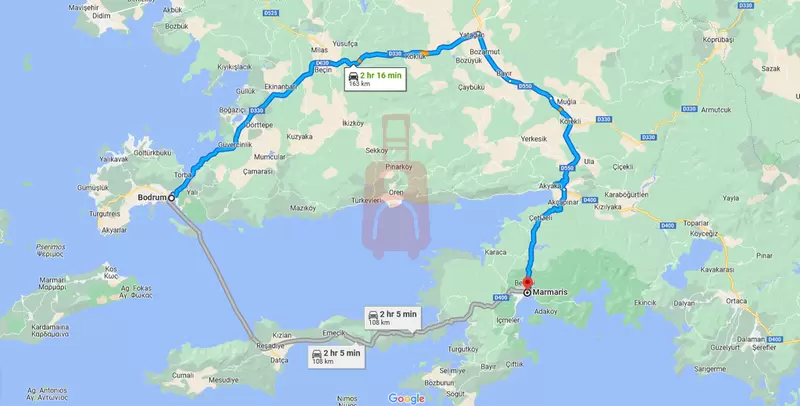
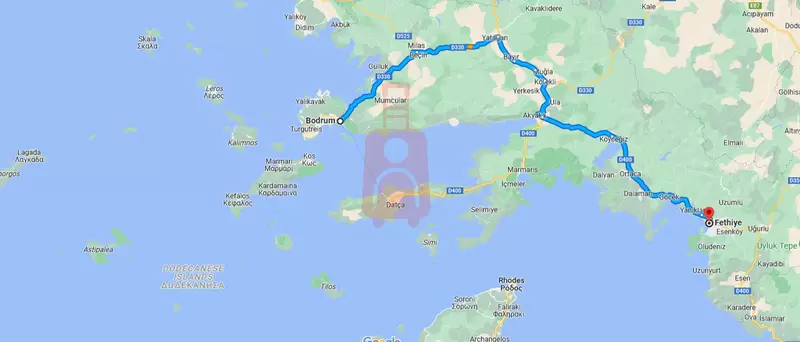
While exploring GIPs, visitors can also enjoy various water sports along Turkey's stunning coastlines. Regions like Bodrum and Fethiye offer activities such as sailing, snorkeling, and diving, providing a perfect blend of culinary exploration and adventure. The clear waters of the Aegean and Mediterranean seas enhance the experience, making it a great way to relax after tasting local delicacies.
Nearby Attractions
Many GIP areas are near significant historical and natural attractions. For example, while in Gaziantep for its pistachios, visitors can explore the ancient city of Zeugma and its stunning mosaics. In the Aegean region, travelers can visit the ancient ruins of Ephesus and enjoy the beautiful beaches of Çeşme. Each location offers a unique backdrop that enriches the experience of discovering local products.
Accessibility
Turkey is well-connected with a network of roads, domestic flights, and public transport, making it easy to access regions known for their GIPs. Major cities like Istanbul, Izmir, and Antalya serve as gateways to various GIP locations, with frequent bus and train services available to reach smaller towns and rural areas.
Best Time to Visit
The best time to explore Turkey's Geographically Indicated Products is during the spring (April to June) and autumn (September to November) months. During these seasons, temperatures range from 15°C to 25°C, providing a pleasant climate for outdoor activities and market visits. Additionally, these periods coincide with harvest times for many local products, allowing visitors to experience the freshness of seasonal offerings.
In summary, Turkey's Geographically Indicated Products offer a rich tapestry of flavors and traditions that reflect the country's diverse heritage. From vibrant local markets to stunning landscapes and exciting water sports, each region provides a unique experience for travelers eager to explore Turkey's culinary treasures.

Çorum Roasted Chickpea, a geographically indicated product from Turkey, is crafted using the unique Damla variety of chickpeas, known for their thick skin and easy peeling. Produced through a meticulous process involving four roasting stages, it reflects the skill and expertise of Çorum’s master artisans, who train for years to perfect their craft. The distinctive climate of Çorum, combined with traditional techniques, gives these chickpeas their signature crunch and rich, nutty flavor. This iconic snack, deeply rooted in local heritage, is a testament to the region’s dedication to quality and tradition, making it a must-try for visitors.
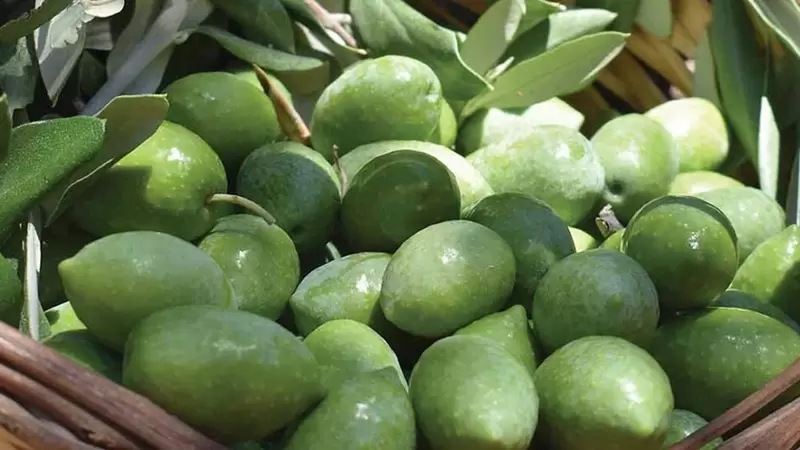
Aydın Memecik Zeytini, a geographically indicated olive variety from Turkey, is renowned for its versatility and exceptional quality. Grown predominantly in the Büyük and Küçük Menderes valleys, these olives thrive in mountainous and arid terrains. The Memecik olive trees, known for their longevity, can produce fruit economically for up to 100 years with proper care. This variety is ideal for both oil production and table consumption, offering unique flavors depending on harvest timing. Early harvest yields green olives with a bright, tangy taste, while later harvests produce black olives and rich, aromatic olive oil. A symbol of Aydın’s agricultural heritage, it reflects the region’s unique climate and tradition.

Gaziantep Bulgur, a geographically indicated product from Turkey, is crafted using traditional methods and high-quality durum wheat grown in the semi-arid soils of the region. Known for its bright yellow color, rich aroma, and distinctive texture, it is produced through a meticulous process involving cleaning, cooking, drying, and grinding. The use of locally sourced durum wheat with high protein and lutein content gives Gaziantep Bulgur its unique flavor and nutritional value. With its homogenous texture and exceptional taste, it stands out as a staple in Turkish cuisine and a testament to Gaziantep's culinary heritage.

Amasya Misket Apple, a geographically indicated product from Turkey, is renowned for its crisp texture, thin skin, sweet flavor, and unique aroma. This medium-sized apple features a vibrant appearance with bright red hues on sun-exposed areas and a glossy green undertone. Cultivated in the specific climate of Amasya, it develops its signature traits that cannot be replicated elsewhere, including its fragrant scent and juicy, white flesh. Harvested in late September or early October, the apples can be stored until May under proper conditions. The combination of Amasya's climate, soil, and day-night temperature variations enhances its sweetness and aroma, making it a prized variety in Turkish agriculture and a must-try for visitors.
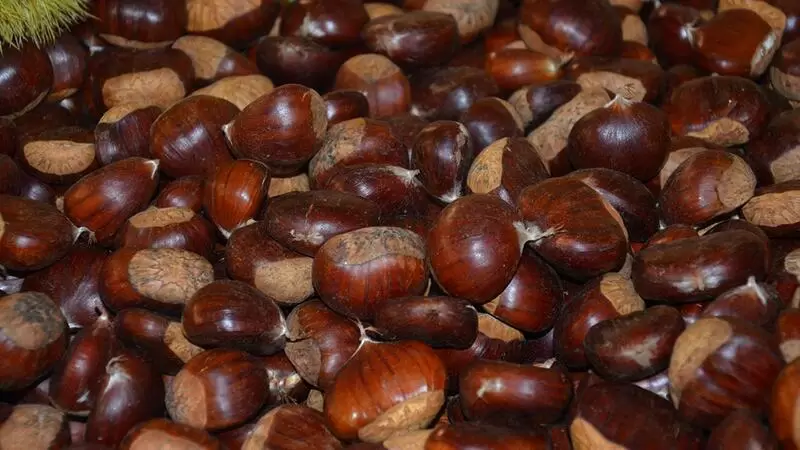
Aydın Chestnut, a geographically indicated product from Turkey, is renowned for its exceptional quality and large size. Native to the Fagaceae family, this chestnut variety is primarily cultivated in the Nazilli district of Aydın. The region's chestnuts are distinguished by their glossy shells, typically in shades of light to dark brown, and their superior fruit size, with weights ranging from 13 to 19 grams per nut. Aydın Chestnuts are versatile, enjoyed fresh, roasted, or as a key ingredient in chestnut-based confections, particularly candied chestnuts. Known for their rich flavor and high economic value, these chestnuts stand out as a staple of Turkish agricultural heritage and a must-try for visitors to the region.
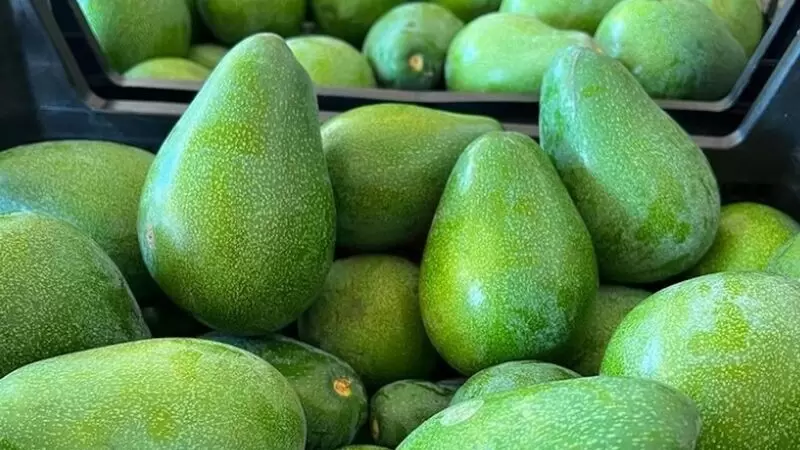
Alanya Avocado is a geographically indicated product grown in the unique microclimate of Alanya and Gazipaşa in Turkey. Originating from Mexico, avocados were introduced to Turkey in the 1970s, and the Fuerte variety became a regional specialty. The Toros Mountains provide natural protection from cold winds, creating mild winters and stable temperatures ideal for cultivation. Alanya Avocado is distinguished by its dark green, slightly rough skin, pear-like shape, and creamy yellow-green flesh with a single large seed. Known for its exceptional taste and nutritional value, it differs morphologically and nutritionally from imported varieties, making it a prized local product.
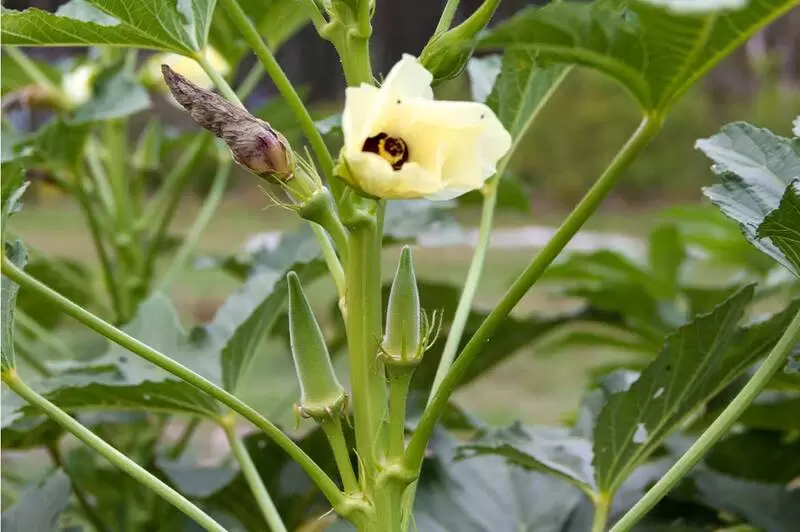
Amasya Flower Okra, a geographically indicated product, is a unique variety of okra cultivated in Amasya, Turkey. Recognized for its small, tender pods and light green color, it is grown using organic farming methods, ensuring exceptional quality and nutritional value. The plant has a branching structure with multiple side shoots, making it distinct among okra varieties. Amasya Flower Okra is rich in Vitamin C, with higher concentrations in its dried form, maintaining its nutritional benefits through the drying process. Known for its minimal fuzziness, it is easy to harvest and highly sought after for its flavor and texture, representing Amasya’s agricultural excellence.
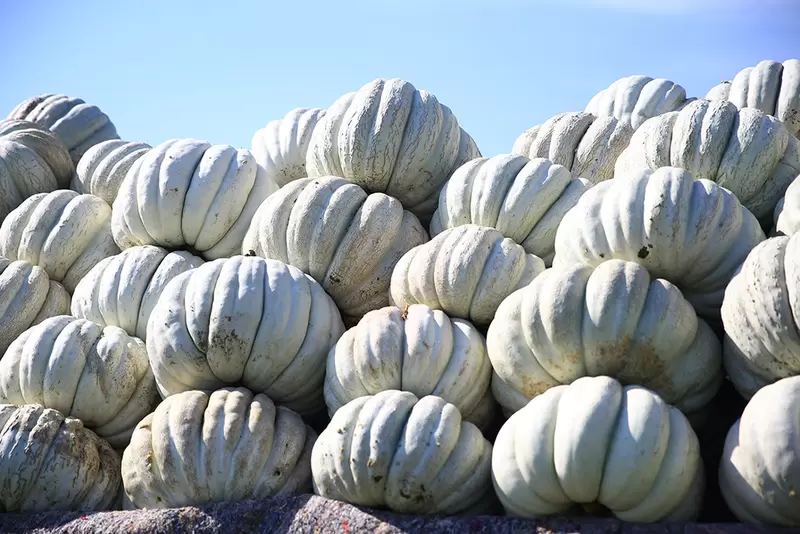
Adapazarı White Chestnut Pumpkin, a geographically indicated product, is a premium winter squash grown in Sakarya, Turkey. Known for its ribbed appearance and smooth texture, it thrives in the nutrient-rich soils and favorable microclimatic conditions of the region. Cultivated along the Sakarya River, this pumpkin benefits from the area's mild temperatures, high humidity, and consistent rainfall, making it a standout crop. Low in calories and free of saturated fat and cholesterol, it is a healthy choice for various culinary uses. Renowned for its unique taste and durability, Adapazarı White Chestnut Pumpkin is a true symbol of Sakarya's agricultural heritage.