Most Popular 10 Beaches in Beylikdüzü
21-01-2025 00:10
Geographically Indicated Products (GIPs) are unique goods that derive their quality and reputation from specific geographical origins. In Turkey, these products reflect the rich agricultural heritage and diverse local traditions. Notable examples include Turkish olives, famed for their distinct flavors, and the renowned Antep pistachios, prized for their quality. Other GIPs include various cheeses, such as Çamlıhemşin and Ezine, alongside traditional crafts like Turkish carpets. Visitors can explore local markets and artisanal shops to experience authentic tastes and craftsmanship. Sampling these products not only supports local economies but also offers a deeper understanding of the region's culture and culinary heritage.
Geographically Indicated Products in Turkey
Turkey is home to a rich array of Geographically Indicated Products (GIPs) that reflect its diverse regions and cultural heritage. These products are not only celebrated for their unique qualities but also for the traditions behind their production. Exploring these GIPs offers a fascinating journey through Turkey's landscapes and local customs.
Location and Notable GIPs
Turkey's diverse geography contributes to its wide variety of GIPs. Regions such as Aegean, Marmara, and Southeastern Anatolia are particularly known for their specialty products. For instance, the Aegean region is famous for its olive oils, especially from Ayvalık, while Gaziantep is renowned for its pistachios and baklava. The unique terroir of each area imparts distinct flavors and qualities to these products.
Facilities and Local Markets
Visitors can find numerous facilities dedicated to the production and sale of GIPs. Local markets, such as the Grand Bazaar in Istanbul and the local bazaars in Gaziantep, offer a vibrant atmosphere where travelers can sample and purchase authentic products. Many regions also have farms and workshops where tourists can engage in hands-on experiences, such as olive oil tasting or pottery making.
Water Sports Opportunities
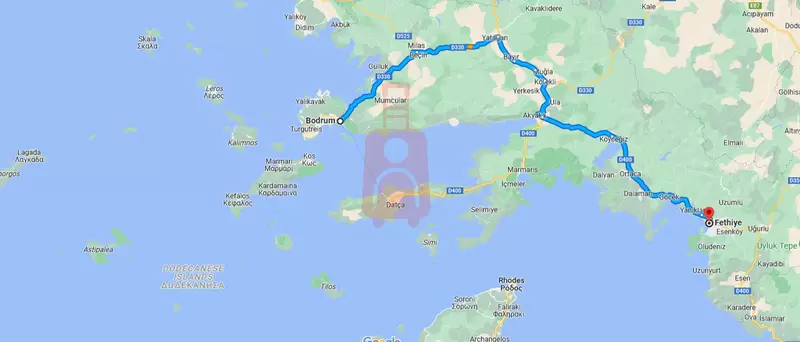
While exploring GIPs, visitors can also enjoy various water sports along Turkey's stunning coastlines. Regions like Bodrum and Fethiye offer activities such as sailing, snorkeling, and diving, providing a perfect blend of culinary exploration and adventure. The clear waters of the Aegean and Mediterranean seas enhance the experience, making it a great way to relax after tasting local delicacies.
Nearby Attractions
Many GIP areas are near significant historical and natural attractions. For example, while in Gaziantep for its pistachios, visitors can explore the ancient city of Zeugma and its stunning mosaics. In the Aegean region, travelers can visit the ancient ruins of Ephesus and enjoy the beautiful beaches of Çeşme. Each location offers a unique backdrop that enriches the experience of discovering local products.
Accessibility
Turkey is well-connected with a network of roads, domestic flights, and public transport, making it easy to access regions known for their GIPs. Major cities like Istanbul, Izmir, and Antalya serve as gateways to various GIP locations, with frequent bus and train services available to reach smaller towns and rural areas.
Best Time to Visit
The best time to explore Turkey's Geographically Indicated Products is during the spring (April to June) and autumn (September to November) months. During these seasons, temperatures range from 15°C to 25°C, providing a pleasant climate for outdoor activities and market visits. Additionally, these periods coincide with harvest times for many local products, allowing visitors to experience the freshness of seasonal offerings.
In summary, Turkey's Geographically Indicated Products offer a rich tapestry of flavors and traditions that reflect the country's diverse heritage. From vibrant local markets to stunning landscapes and exciting water sports, each region provides a unique experience for travelers eager to explore Turkey's culinary treasures.
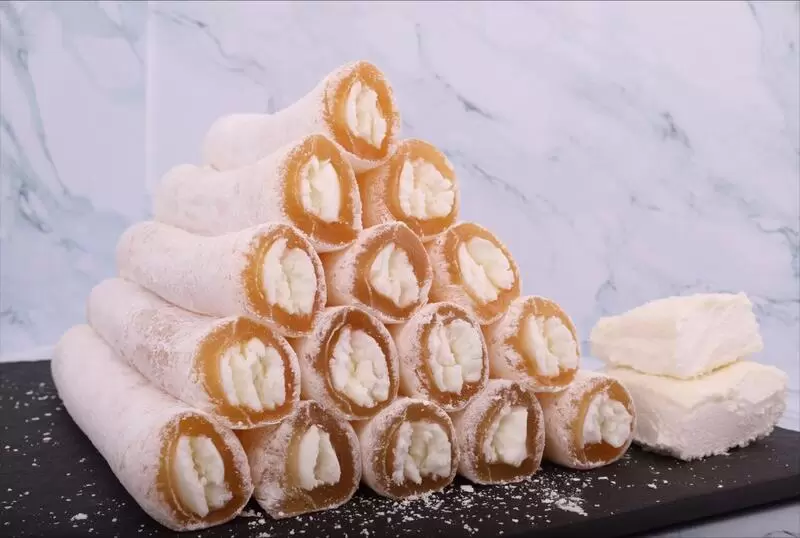
Bafra Creamy Turkish Delight is a unique confectionery from the Bafra region, crafted by combining a delicate mixture of sugar, starch, and citric acid with rich clotted cream. The cream is made from the milk of buffaloes raised in the fertile Kızılırmak Delta, known for its rich biodiversity and nutrient-rich pastures. This natural environment enhances the quality of the milk, resulting in cream with a high fat content that gives the Turkish delight its smooth texture and distinctive flavor. A true reflection of Bafra's culinary heritage, this sweet treat offers an indulgent taste of the region's natural bounty.
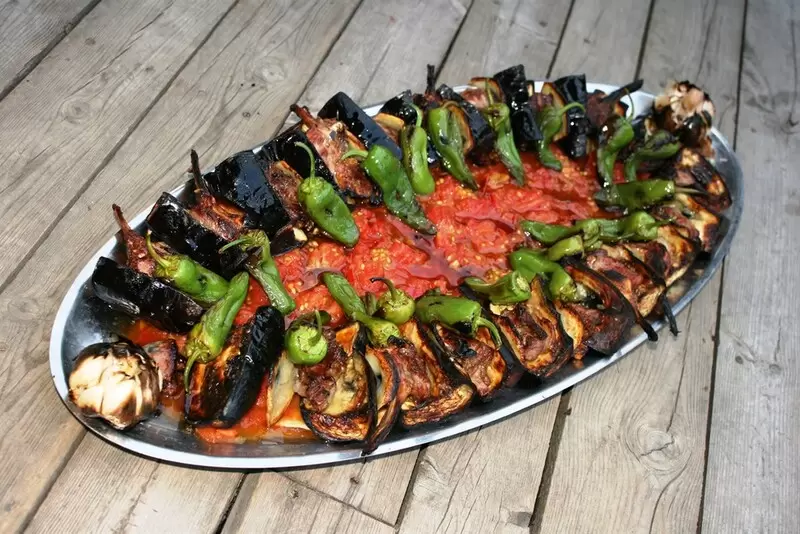
Tokat Kebab is a traditional dish from the Tokat region of Turkey, known for its unique preparation method and locally sourced ingredients. It features tender meat and tail fat from Karayaka lambs raised in natural pastures, combined with fresh Tokat peppers, eggplants, tomatoes, and potatoes. The ingredients are carefully arranged and cooked in a specialized kebab oven that gives the dish its distinctive flavor. Historically prepared in vineyard houses for special occasions, Tokat Kebab is now a symbol of the region's rich culinary heritage and a must-try for anyone visiting Tokat.
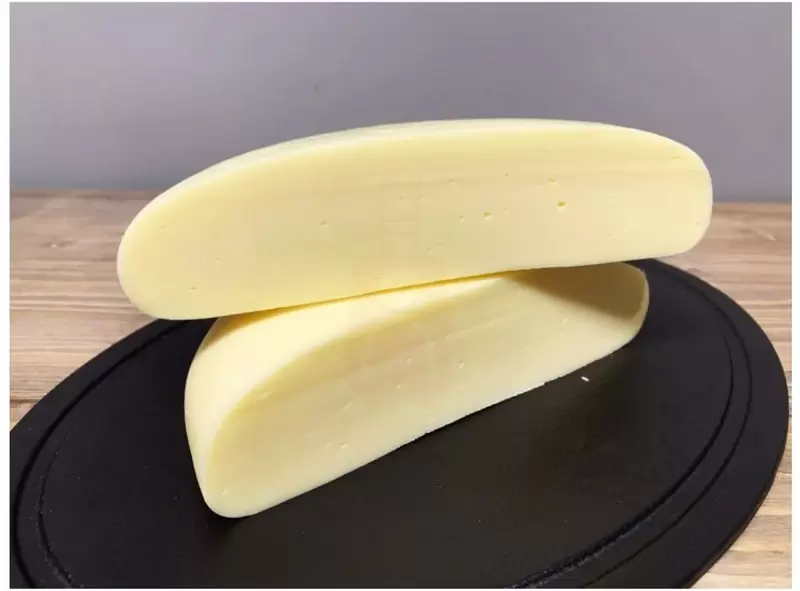
Kars Kashar is a traditional cheese made in the high-altitude pastures of Kars and Ardahan in northeastern Turkey. It is produced using milk from cows that graze on rich alpine meadows with over 1,600 plant species, including many endemic varieties. The grazing season between May and August provides the fresh milk used for production, contributing to its unique flavor and aroma. Fresh Kars Kashar has a whitish color and a mild, slightly salty taste, while aged versions develop a yellowish rind, a firmer texture, and a rich, distinctive aroma. This natural cheese reflects the region’s unique climate and vegetation, making it a prized culinary product.
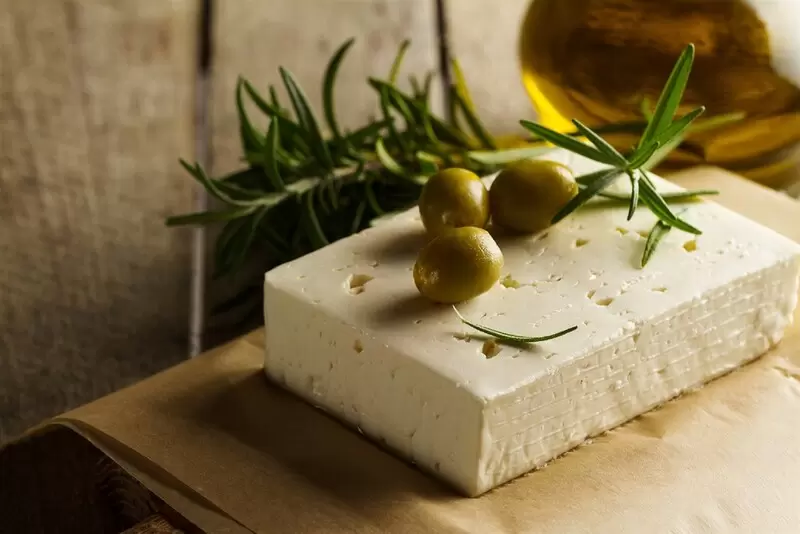
Edirne White Cheese is a traditional cheese produced in Edirne using fresh milk from sheep, goats, and cows fed on the unique vegetation of the region, influenced by the Tunca, Meriç, Arda, and Ergene rivers. The cheese is made by pasteurizing milk at 65-68°C, coagulating it with rennet, draining the whey, shaping, salting in brine, and maturing in cold storage. Only milk, rennet, and salt are used in its production, without any additives or auxiliary substances. The natural environment and local flora, including native herbs and thyme, contribute to the distinctive flavor of the milk, giving Edirne White Cheese its unique taste and character.
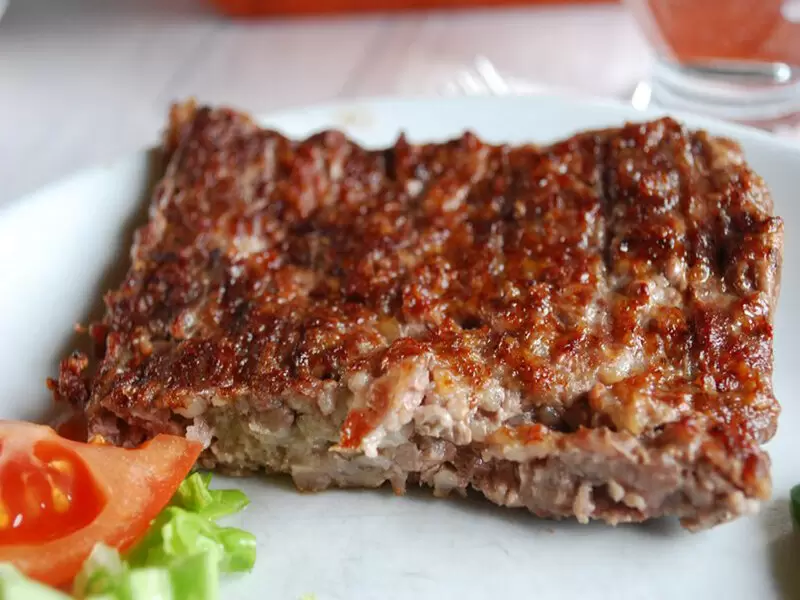
Keşan Satır Meat is a traditional delicacy from Turkey’s Thrace region, made from the meat of Trakya’s famous kıvırcık lambs. These lambs, raised in natural environments and fed on clover, thyme, and grains, produce high-quality meat with evenly distributed fat for exceptional flavor. The meat is hand-chopped with a cleaver into lentil-sized pieces, preserving its texture and natural taste. Prepared with only salt and no additives, Keşan Satır Meat is grilled over a wood fire, enhancing its rich aroma and tenderness. Originating in the 1960s, this dish reflects a blend of practicality and tradition, making it a cherished part of Keşan’s culinary heritage.
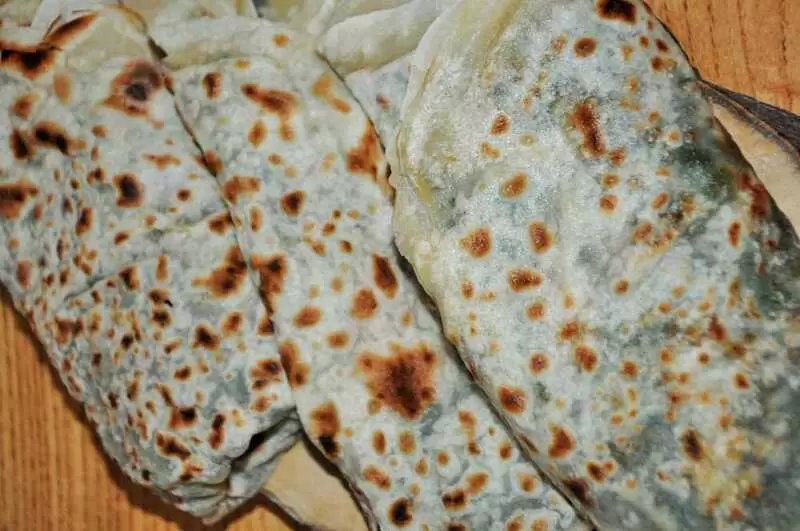
Akçakoca Mancarlı Pide is a traditional Turkish flatbread originating from Akçakoca, Düzce, made with fresh greens like chard, spinach, or kale, known locally as "mancar." This vegetarian delicacy features a thin, hand-rolled dough filled with a mixture of greens, onions, fresh mint, and spices, folded into a half-moon shape. Baked over a wood fire or on a hot griddle, it develops a golden crust and a tender interior. After cooking, it is brushed with butter and traditionally served with ayran, a refreshing yogurt drink. With its rich history and reliance on local ingredients, Akçakoca Mancarlı Pide offers a flavorful taste of the region's culinary heritage.
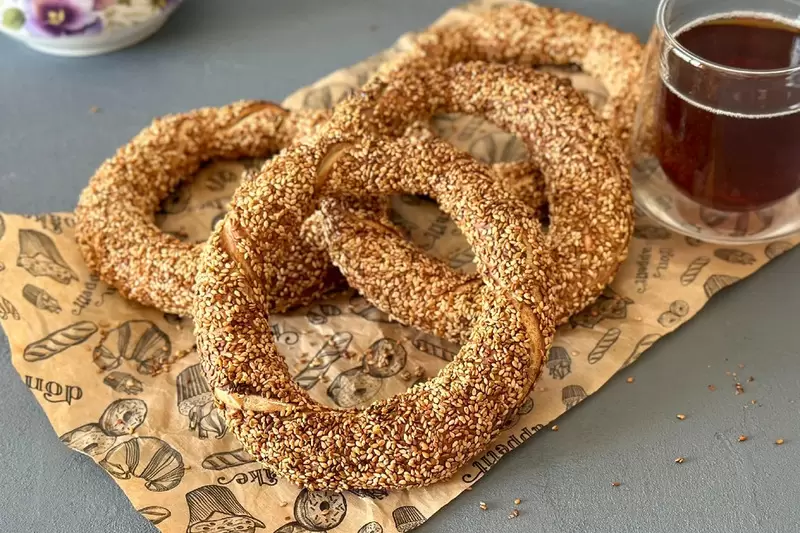
Ankara Bagel, distinct from other regional bagels, is smaller, thinner, and characterized by its deep brown color and intense flavor. Made with a firm dough and coated in grape molasses from locally grown Ankara grapes, it is then generously covered in lightly roasted sesame seeds. The unique molasses coating process and traditional wood-fired stone oven baking give it a crispy texture and rich aroma. The bagel’s signature color comes from the molasses, not overbaking, ensuring a perfect balance of flavor and appearance. Served fresh and warm, Ankara Bagel is a cherished symbol of the region's culinary heritage.
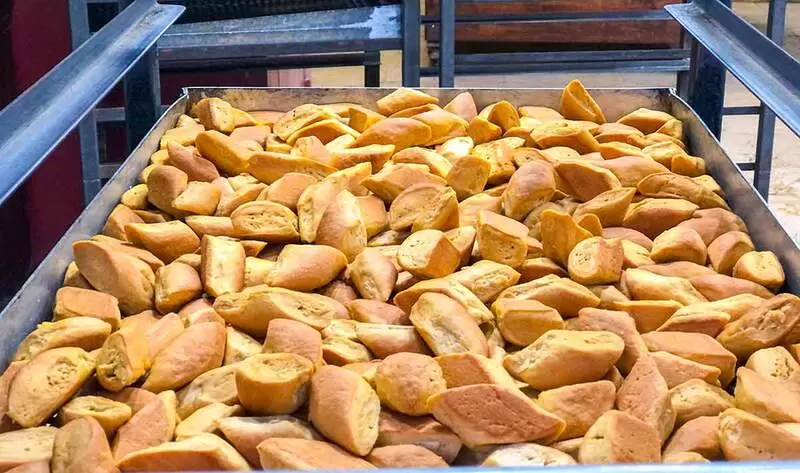
Beypazarı Kurusu is a traditional delicacy from Ankara's Beypazarı district, made with natural ingredients including hard wheat flour, fresh milk, butter, and cinnamon. Shaped into finger-sized pieces and baked slowly in stone ovens, it develops a crispy texture and unique aroma. Known for its durability, Beypazarı Kurusu can be stored for up to a year without losing its freshness or flavor when kept in dry conditions. Highly nutritious and satisfying, just a few pieces are enough to curb hunger. Its long shelf life, rich flavor, and cultural significance make it a beloved snack in Turkish cuisine and a symbol of Beypazarı's culinary heritage.