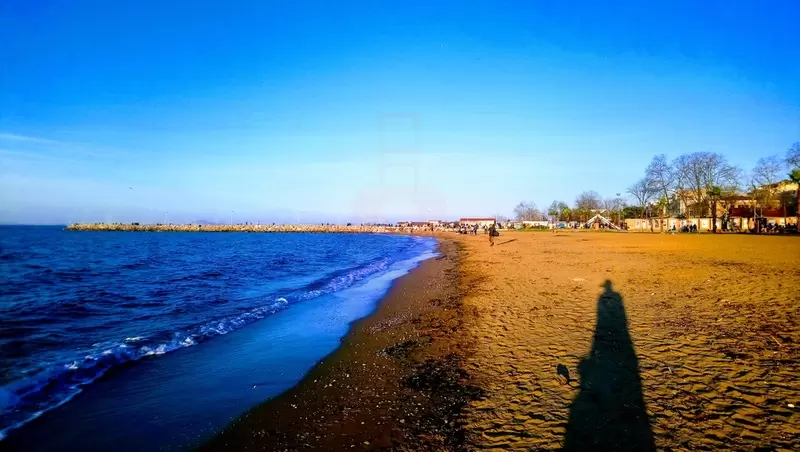
Most Popular 10 Beaches in Beylikdüzü
21-01-2025 00:10
Geographically Indicated Products (GIPs) are unique goods that derive their quality and reputation from specific geographical origins. In Turkey, these products reflect the rich agricultural heritage and diverse local traditions. Notable examples include Turkish olives, famed for their distinct flavors, and the renowned Antep pistachios, prized for their quality. Other GIPs include various cheeses, such as Çamlıhemşin and Ezine, alongside traditional crafts like Turkish carpets. Visitors can explore local markets and artisanal shops to experience authentic tastes and craftsmanship. Sampling these products not only supports local economies but also offers a deeper understanding of the region's culture and culinary heritage.
Geographically Indicated Products in Turkey
Turkey is home to a rich array of Geographically Indicated Products (GIPs) that reflect its diverse regions and cultural heritage. These products are not only celebrated for their unique qualities but also for the traditions behind their production. Exploring these GIPs offers a fascinating journey through Turkey's landscapes and local customs.
Location and Notable GIPs
Turkey's diverse geography contributes to its wide variety of GIPs. Regions such as Aegean, Marmara, and Southeastern Anatolia are particularly known for their specialty products. For instance, the Aegean region is famous for its olive oils, especially from Ayvalık, while Gaziantep is renowned for its pistachios and baklava. The unique terroir of each area imparts distinct flavors and qualities to these products.
Facilities and Local Markets
Visitors can find numerous facilities dedicated to the production and sale of GIPs. Local markets, such as the Grand Bazaar in Istanbul and the local bazaars in Gaziantep, offer a vibrant atmosphere where travelers can sample and purchase authentic products. Many regions also have farms and workshops where tourists can engage in hands-on experiences, such as olive oil tasting or pottery making.
Water Sports Opportunities
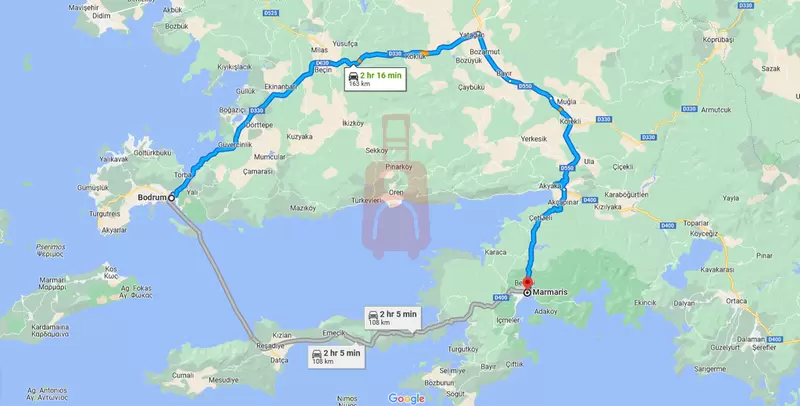
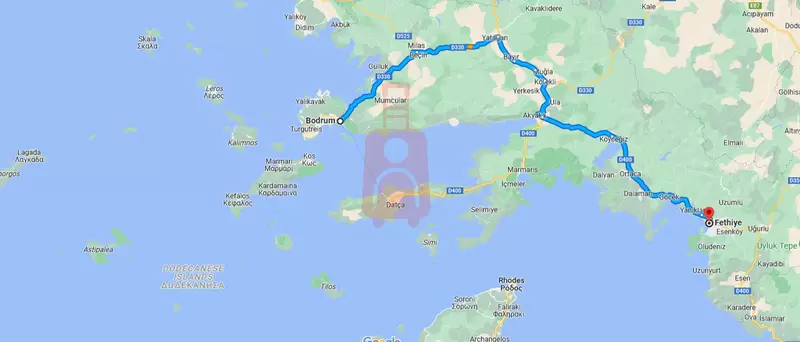
While exploring GIPs, visitors can also enjoy various water sports along Turkey's stunning coastlines. Regions like Bodrum and Fethiye offer activities such as sailing, snorkeling, and diving, providing a perfect blend of culinary exploration and adventure. The clear waters of the Aegean and Mediterranean seas enhance the experience, making it a great way to relax after tasting local delicacies.
Nearby Attractions
Many GIP areas are near significant historical and natural attractions. For example, while in Gaziantep for its pistachios, visitors can explore the ancient city of Zeugma and its stunning mosaics. In the Aegean region, travelers can visit the ancient ruins of Ephesus and enjoy the beautiful beaches of Çeşme. Each location offers a unique backdrop that enriches the experience of discovering local products.
Accessibility
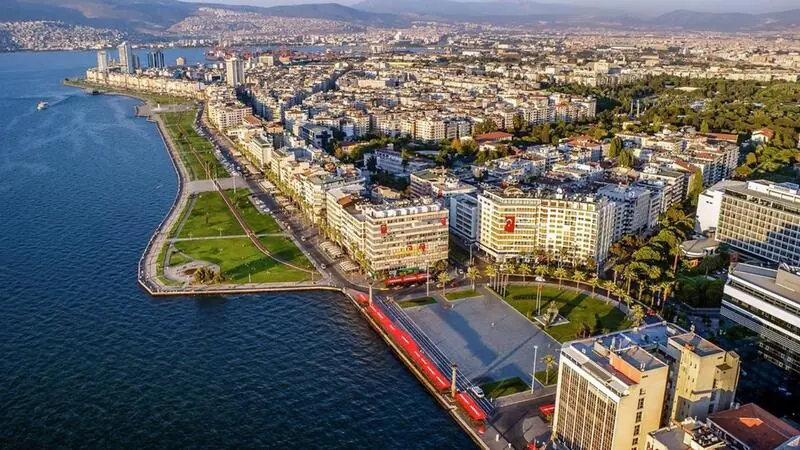
Turkey is well-connected with a network of roads, domestic flights, and public transport, making it easy to access regions known for their GIPs. Major cities like Istanbul, Izmir, and Antalya serve as gateways to various GIP locations, with frequent bus and train services available to reach smaller towns and rural areas.
Best Time to Visit
The best time to explore Turkey's Geographically Indicated Products is during the spring (April to June) and autumn (September to November) months. During these seasons, temperatures range from 15°C to 25°C, providing a pleasant climate for outdoor activities and market visits. Additionally, these periods coincide with harvest times for many local products, allowing visitors to experience the freshness of seasonal offerings.
In summary, Turkey's Geographically Indicated Products offer a rich tapestry of flavors and traditions that reflect the country's diverse heritage. From vibrant local markets to stunning landscapes and exciting water sports, each region provides a unique experience for travelers eager to explore Turkey's culinary treasures.
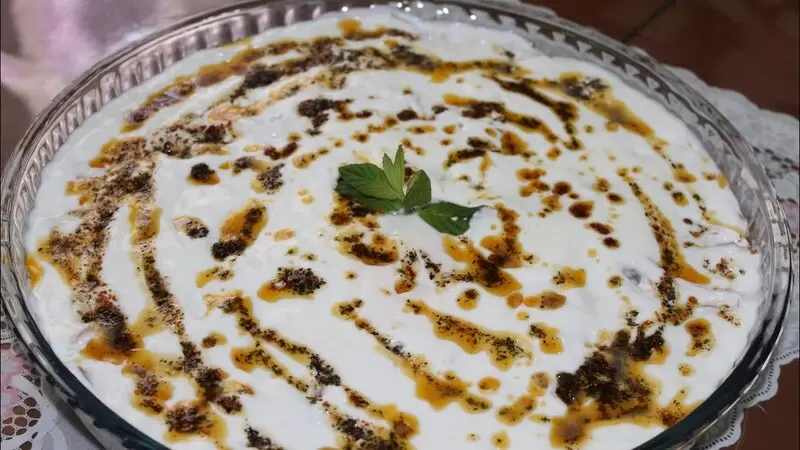
Gümüşhane Sironu is a traditional dish from Gümüşhane, made from thin layers of dough prepared with flour, water, and salt. The dough is cooked over an open flame on special iron plates coated with a clay mixture, folded, cut into rectangular pieces, and dried. Known for its long shelf life, it is served by reheating the dried pieces, topping them with diluted or strained yogurt, melted butter, and optional crushed walnuts. Gümüşhane Sironu can be enjoyed as an appetizer, a warm starter, or a cold mezze, reflecting the region's culinary heritage with its unique preparation and serving style.
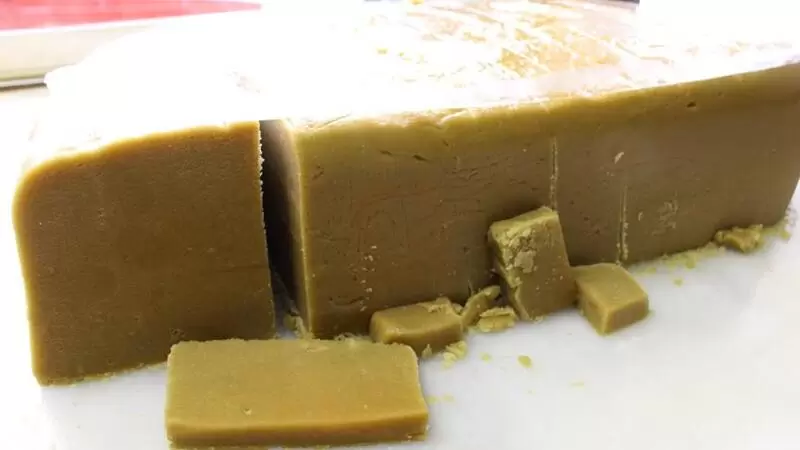
Bilecik Pazaryeri Halva is a traditional dessert from Bilecik’s Pazaryeri district, crafted with natural tahini, sugar, and water. Prepared in specially designed copper pots over low heat, this halva has been made with the same quality and flavor since 1936. The tahini, made from 100% sesame ground in stone mills, ensures a rich, authentic taste without any additives or preservatives. Its production requires great skill, with careful attention to cooking temperature and timing to achieve its unique texture and flavor. Bilecik Pazaryeri Halva reflects the region’s culinary heritage and stands as a symbol of its artisanal traditions.
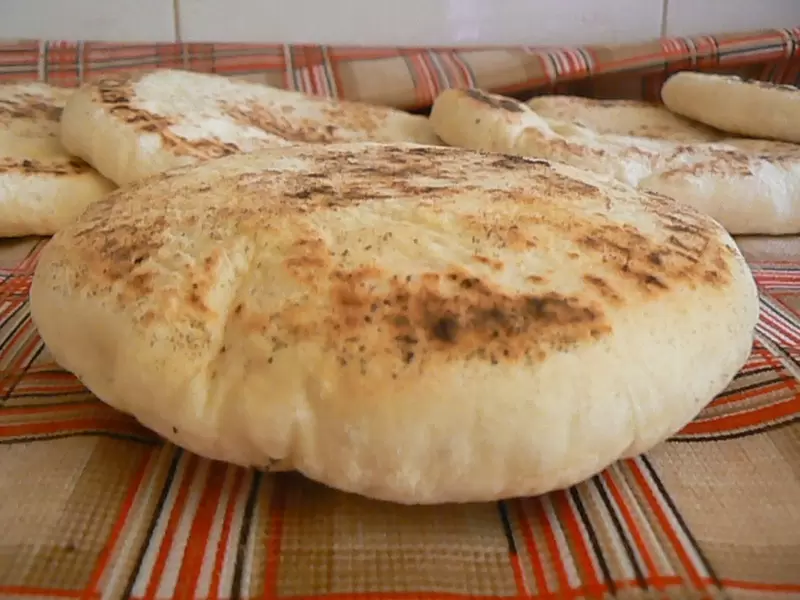
Kızılcahamam Bazlaması is a traditional leavened bread from the Kızılcahamam district, known for its soft and elastic texture that stays fresh for days. With a diameter of 25-28 cm and a thickness of 3-4 cm, it is made using natural water from Kızılcahamam and contains no additives. This special bread, weighing 380-430 grams when baked, is crafted with skill and care, using flour that meets Turkish food standards. Kızılcahamam Bazlaması reflects the cultural heritage of the region and has become a symbol of local tradition, loved by residents and visitors alike.
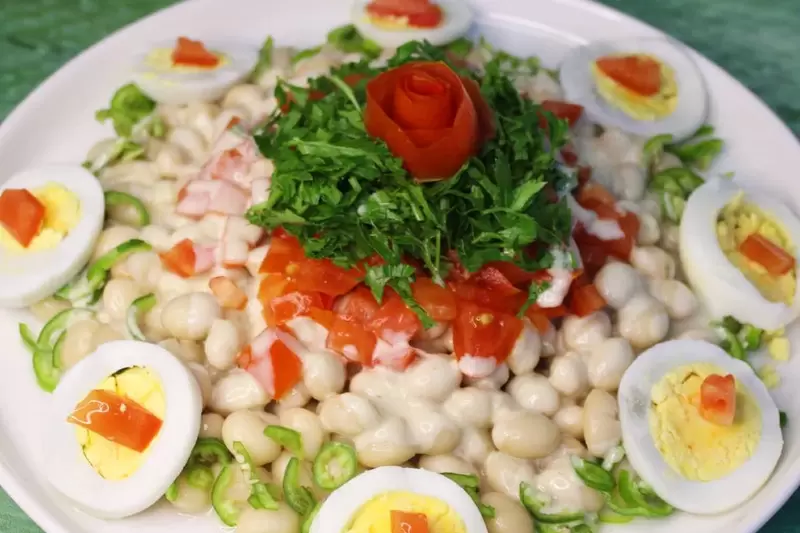
Antalya Piyaz is a traditional bean dish from Antalya, renowned for its unique tarator sauce made with tahini, garlic, lemon juice, and salt. Unlike other piyaz varieties served as a salad, Antalya Piyaz is a main course featuring small, firm-textured beans that retain their shape during cooking. These beans are mixed with the rich, creamy tarator sauce and topped with tomatoes, onions, parsley, and optional boiled eggs. Drizzled with olive oil and garnished with fresh herbs, it offers a distinctive flavor profile that reflects the region's culinary heritage. A must-try dish for those exploring the tastes of Antalya.
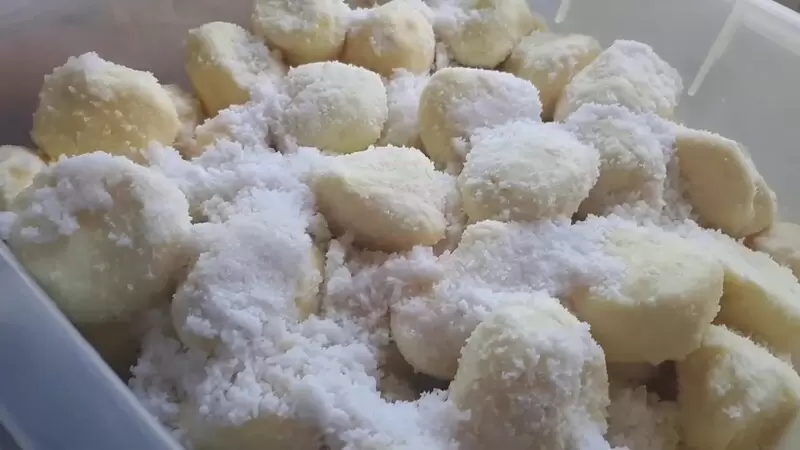
Antep Cheese, also known as Gaziantep Cheese or Antep Pressed Cheese, is a traditional cheese from Gaziantep, Turkey, made using milk from sheep or goats grazed in the region's rich pastures. Known locally as "Pişken" or "Kelle," it is a semi-hard cheese that can be consumed fresh or matured in brine. Its unique oval shape comes from being hand-shaped during production, and its texture is smooth, dense, and slightly elastic, with a distinct squeaky feel when chewed. Featuring a grayish-white color and a rich aroma derived from 49 active compounds, Antep Cheese is a versatile and flavorful staple of Gaziantep's culinary heritage.
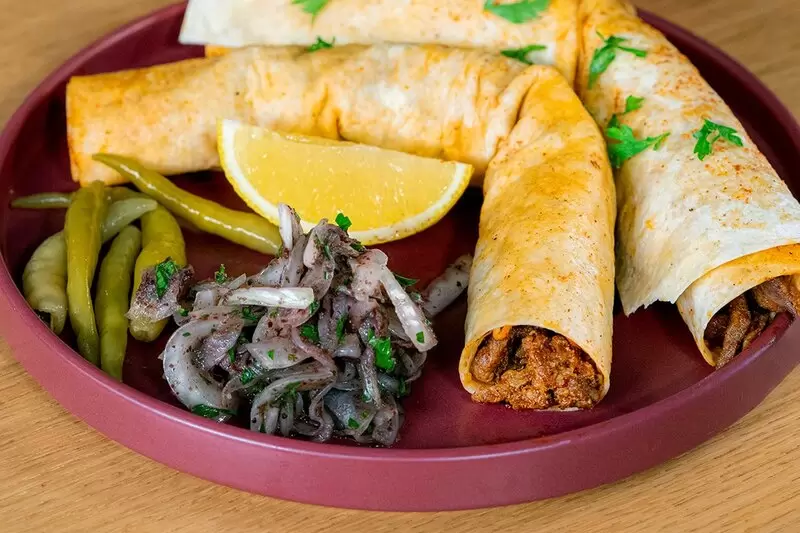
Mersin Tantunisi is a traditional dish from Mersin made with beef rib meat and cottonseed oil, which gives it a distinct flavor and lightness. The meat is finely chopped, boiled over steady heat, and then fried with cottonseed oil and spices on a special tantuni pan. It is served in lavash or bread, accompanied by a fresh salad dressed with lemon or bitter orange juice. Often paired with traditional drinks like ayran or şalgam, it is presented with pickles and greens on the side. The use of cottonseed oil, known for its lack of a burnt aroma, and the unique preparation method make Mersin Tantunisi a standout in Turkish cuisine and a must-try regional specialty.
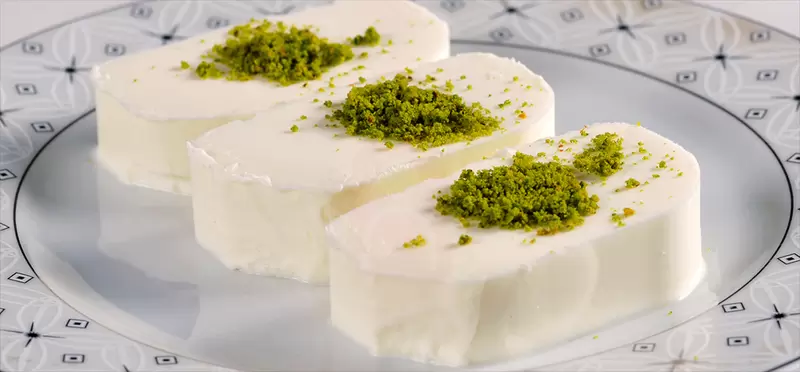
Maraş Ice Cream is a traditional Turkish dessert made from goat's milk, salep, and sugar, crafted with skillful techniques unique to Kahramanmaraş. Known for its chewy, elastic texture, rich flavor, and resistance to melting, it stands out among other ice creams. The milk used comes from goats that graze on aromatic plants native to the region, giving it a distinct taste and aroma. This iconic dessert has its origins in Ottoman times and is celebrated for its quality, homogenous bright white color, and ability to maintain its texture at low temperatures. Maraş Ice Cream is a symbol of Kahramanmaraş's culinary heritage and a must-try for those seeking authentic flavors.
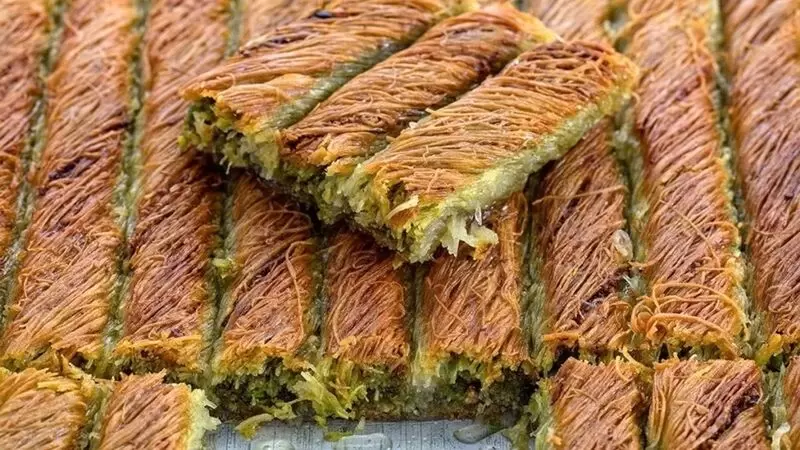
Diyarbakır Burma Kadayıf is a traditional dessert made by shaping fine strands of dough filled with walnuts or pistachios, frying them to a caramelized orange hue with grape molasses, and drenching them in syrup. Originating in Diyarbakır in the 19th century, this delicacy is crafted using clarified butter and requires exceptional skill, passed down through generations. Its unique preparation method and distinctive flavor, featuring a crisp exterior and rich sweetness, reflect the region's culinary heritage. Diyarbakır Burma Kadayıf is a symbol of the area's artisanal craftsmanship and a must-try for those exploring Turkish desserts.