Most Popular 10 Beaches in Beylikdüzü
21-01-2025 00:10
Geographically Indicated Products (GIPs) are unique goods that derive their quality and reputation from specific geographical origins. In Turkey, these products reflect the rich agricultural heritage and diverse local traditions. Notable examples include Turkish olives, famed for their distinct flavors, and the renowned Antep pistachios, prized for their quality. Other GIPs include various cheeses, such as Çamlıhemşin and Ezine, alongside traditional crafts like Turkish carpets. Visitors can explore local markets and artisanal shops to experience authentic tastes and craftsmanship. Sampling these products not only supports local economies but also offers a deeper understanding of the region's culture and culinary heritage.
Geographically Indicated Products in Turkey
Turkey is home to a rich array of Geographically Indicated Products (GIPs) that reflect its diverse regions and cultural heritage. These products are not only celebrated for their unique qualities but also for the traditions behind their production. Exploring these GIPs offers a fascinating journey through Turkey's landscapes and local customs.
Location and Notable GIPs
Turkey's diverse geography contributes to its wide variety of GIPs. Regions such as Aegean, Marmara, and Southeastern Anatolia are particularly known for their specialty products. For instance, the Aegean region is famous for its olive oils, especially from Ayvalık, while Gaziantep is renowned for its pistachios and baklava. The unique terroir of each area imparts distinct flavors and qualities to these products.
Facilities and Local Markets
Visitors can find numerous facilities dedicated to the production and sale of GIPs. Local markets, such as the Grand Bazaar in Istanbul and the local bazaars in Gaziantep, offer a vibrant atmosphere where travelers can sample and purchase authentic products. Many regions also have farms and workshops where tourists can engage in hands-on experiences, such as olive oil tasting or pottery making.
Water Sports Opportunities
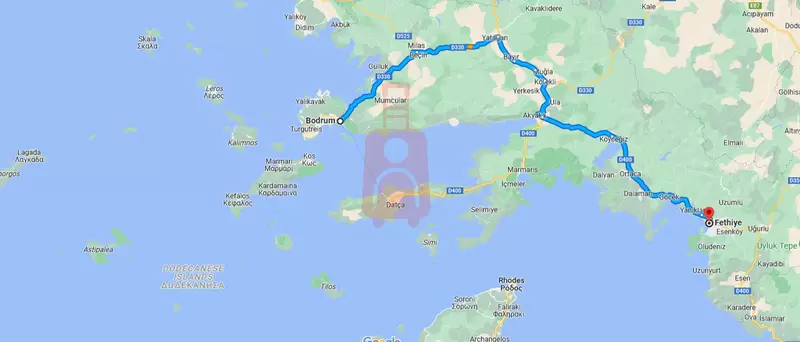
While exploring GIPs, visitors can also enjoy various water sports along Turkey's stunning coastlines. Regions like Bodrum and Fethiye offer activities such as sailing, snorkeling, and diving, providing a perfect blend of culinary exploration and adventure. The clear waters of the Aegean and Mediterranean seas enhance the experience, making it a great way to relax after tasting local delicacies.
Nearby Attractions
Many GIP areas are near significant historical and natural attractions. For example, while in Gaziantep for its pistachios, visitors can explore the ancient city of Zeugma and its stunning mosaics. In the Aegean region, travelers can visit the ancient ruins of Ephesus and enjoy the beautiful beaches of Çeşme. Each location offers a unique backdrop that enriches the experience of discovering local products.
Accessibility
Turkey is well-connected with a network of roads, domestic flights, and public transport, making it easy to access regions known for their GIPs. Major cities like Istanbul, Izmir, and Antalya serve as gateways to various GIP locations, with frequent bus and train services available to reach smaller towns and rural areas.
Best Time to Visit
The best time to explore Turkey's Geographically Indicated Products is during the spring (April to June) and autumn (September to November) months. During these seasons, temperatures range from 15°C to 25°C, providing a pleasant climate for outdoor activities and market visits. Additionally, these periods coincide with harvest times for many local products, allowing visitors to experience the freshness of seasonal offerings.
In summary, Turkey's Geographically Indicated Products offer a rich tapestry of flavors and traditions that reflect the country's diverse heritage. From vibrant local markets to stunning landscapes and exciting water sports, each region provides a unique experience for travelers eager to explore Turkey's culinary treasures.
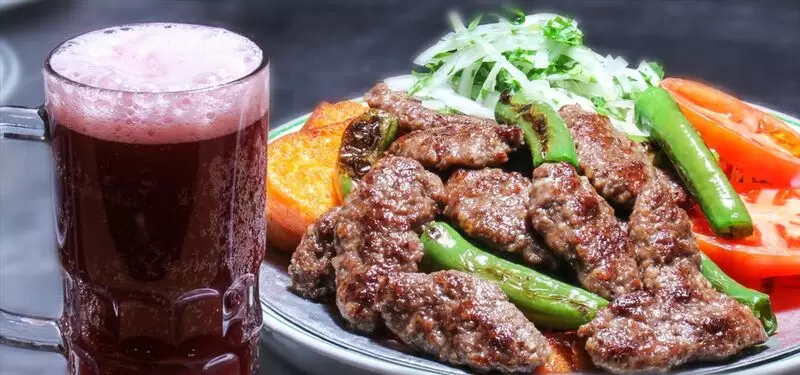
Adapazarı Islama Meatballs is a traditional dish distinguished by its unique serving style with sauce-soaked bread. The bread, made from leavened stone oven loaves, is dipped in a flavorful mixture of beef bone broth, red pepper powder, oil, and salt, then grilled to perfection. These grilled bread slices are topped with meatballs prepared from finely ground beef, seasoned with spices like cumin, black pepper, and paprika. The dish is traditionally cooked over oak charcoal, which enhances its rich, smoky flavor. Served with roasted tomatoes and green peppers, Adapazarı Islama Meatballs reflect the region's culinary heritage, offering a harmonious blend of textures and tastes.
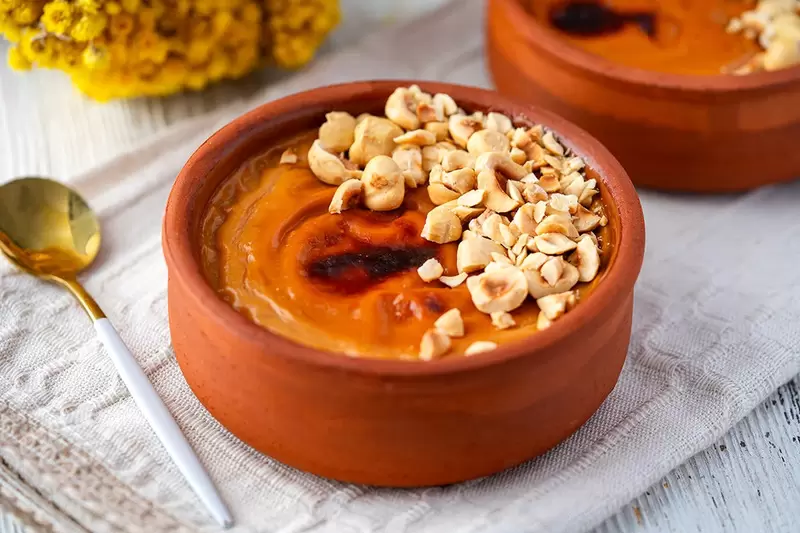
Hamsiköy Rice Pudding is a traditional Turkish dessert made with milk, rice, sugar, and a touch of salt, originating from the Hamsiköy region in Trabzon. The unique flavor comes from milk sourced from cows grazing on the diverse flora of Hamsiköy’s lush pastures, enriched by the region’s distinct climate and geography. Known for its creamy texture and rich taste, this pudding is a beloved specialty that reflects the culinary heritage of the Black Sea region. Simple yet flavorful, it’s a must-try for those seeking authentic Turkish desserts.
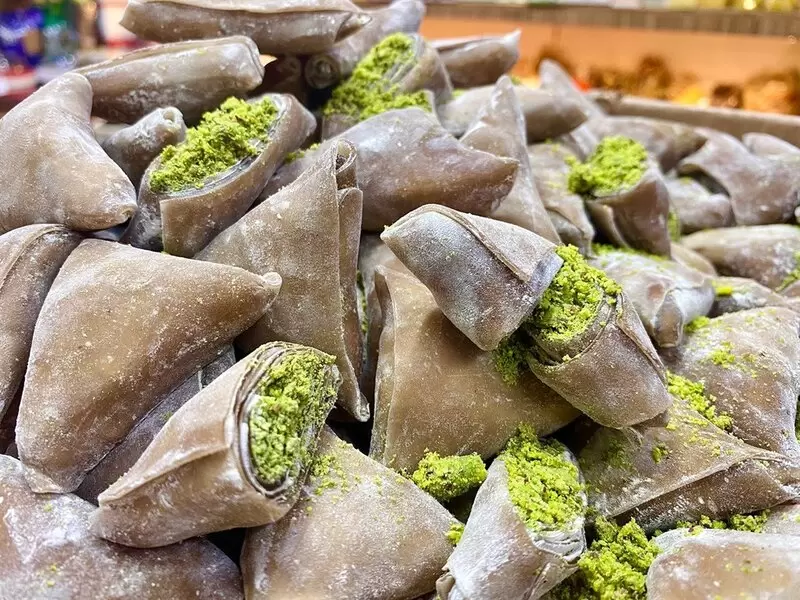
Gaziantep Muska is a traditional Turkish treat made by wrapping a rich pistachio filling in thin strips of grape pestil, forming its signature triangular shape. The filling consists of early-harvest Antep pistachios blended with powdered sugar and starch, creating a perfect balance of sweetness and nutty flavor. The pestil is crafted from locally grown Gaziantep grapes, adding a natural, chewy texture that complements the pistachios. Weighing between 32-35 grams, each muska is a bite-sized representation of Gaziantep's renowned culinary heritage, making it a unique and delicious delicacy.
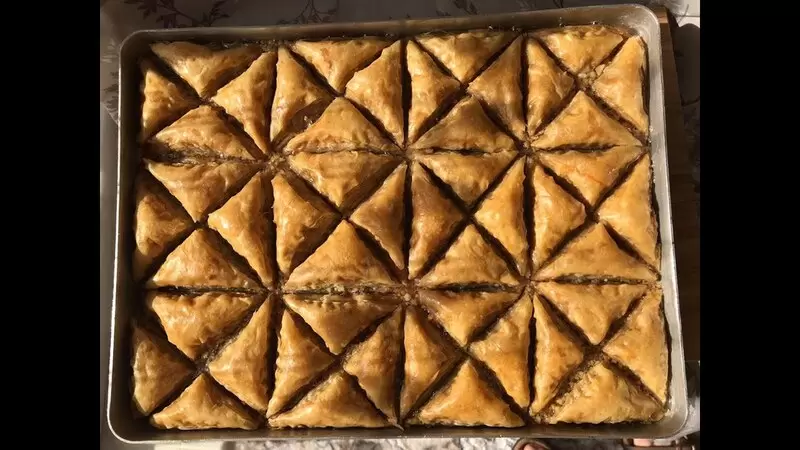
Sivrihisar Muska Baklava is a traditional Turkish dessert from Sivrihisar, known for its unique triangular shape and rich walnut filling. Made with thin layers of hand-rolled dough, it is folded into the iconic muska form, baked to golden perfection, and optionally served with a light syrup. Passed down through generations, this specialty reflects the region’s culinary heritage and offers a delightful twist on classic baklava. Whether enjoyed syruped or unsyruped, Sivrihisar Muska Baklava is a cherished treat that highlights the artistry of Sivrihisar’s dessert traditions.
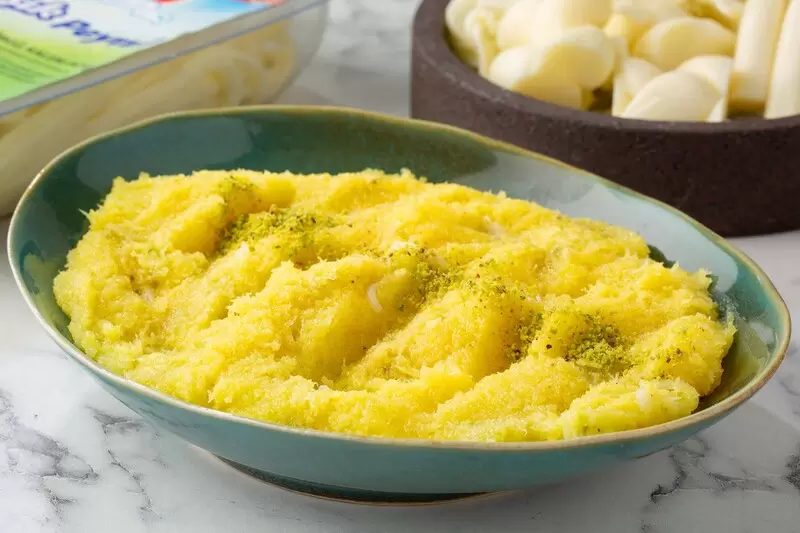
Tekirdağ Cheese Halva is a traditional Turkish dessert made from unsalted cheese, sugar, wheat flour, and either egg yolk or natural coloring for its signature bright yellow hue. Known for its unique fibrous texture and smooth consistency, this dessert is a beloved specialty of the Tekirdağ region. Cooked over high heat, the process enhances its distinctive strand-like structure and rich flavor. Free from preservatives, Tekirdağ Cheese Halva reflects the region’s culinary heritage and offers a delightful taste experience for dessert enthusiasts.
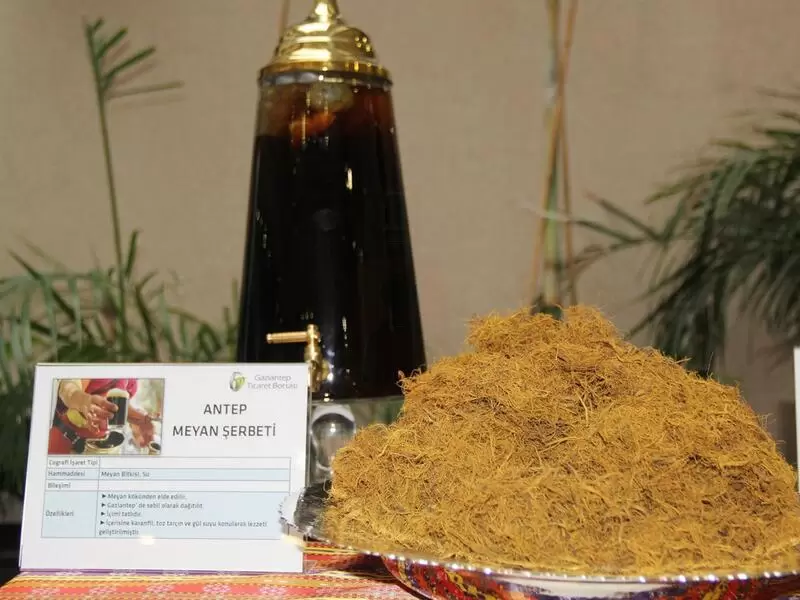
Gaziantep Licorice Sherbet is a traditional Turkish drink made from licorice root blended with cinnamon, cloves, and rosewater, offering a refreshing and aromatic taste. This unique beverage is deeply tied to Gaziantep’s cultural heritage and is especially popular during summer, religious occasions, and Ramadan. Prepared without any added sugar, it is naturally flavored and served chilled with ice for a revitalizing experience. Often distributed as an act of goodwill during important events, this iconic sherbet is a symbol of Gaziantep’s rich culinary traditions.
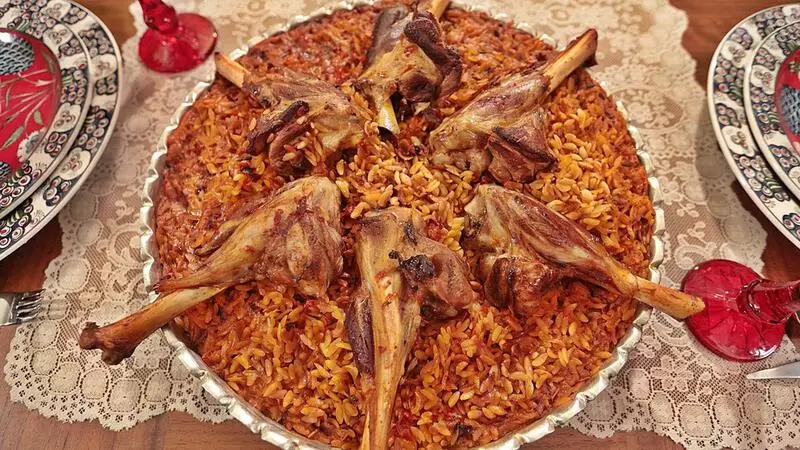
Ankara Tava is a traditional Turkish dish combining tender lamb or mutton with aromatic rice pilaf, reflecting the culinary heritage of Ankara. The meat is sourced from sheep raised in Ankara’s flora-rich districts like Çubuk and Beypazarı, ensuring exceptional quality and flavor. Cooked in a stone oven over wood fire, such as oak or beech, the dish is served in a tin-lined copper plate, showcasing its artisanal preparation. With its rich taste and connection to the region’s pastoral traditions, Ankara Tava is a must-try specialty that represents the essence of Ankara’s gastronomy.
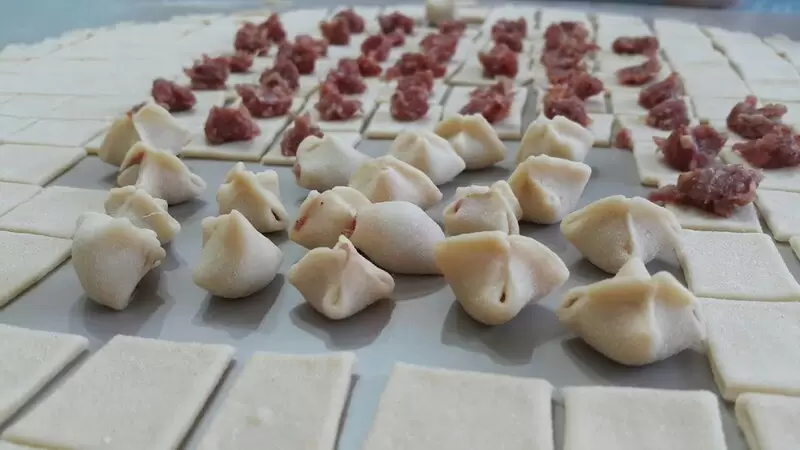
Kayseri Mantı is a traditional Turkish dumpling dish originating from Kayseri, renowned for its rich flavor and cultural significance. Made with thinly rolled dough filled with seasoned ground meat, it is carefully folded into small parcels and cooked to perfection. Typically served with a generous topping of yogurt, garlic, and a buttery tomato sauce infused with red pepper, Kayseri Mantı is a beloved dish that showcases the region’s culinary heritage. Its delicate texture and bold flavors make it a favorite in Turkish cuisine and a symbol of Kayseri’s gastronomic identity.