Most Popular 10 Beaches in Beylikdüzü
21-01-2025 00:10
Geographically Indicated Products (GIPs) are unique goods that derive their quality and reputation from specific geographical origins. In Turkey, these products reflect the rich agricultural heritage and diverse local traditions. Notable examples include Turkish olives, famed for their distinct flavors, and the renowned Antep pistachios, prized for their quality. Other GIPs include various cheeses, such as Çamlıhemşin and Ezine, alongside traditional crafts like Turkish carpets. Visitors can explore local markets and artisanal shops to experience authentic tastes and craftsmanship. Sampling these products not only supports local economies but also offers a deeper understanding of the region's culture and culinary heritage.
Geographically Indicated Products in Turkey
Turkey is home to a rich array of Geographically Indicated Products (GIPs) that reflect its diverse regions and cultural heritage. These products are not only celebrated for their unique qualities but also for the traditions behind their production. Exploring these GIPs offers a fascinating journey through Turkey's landscapes and local customs.
Location and Notable GIPs
Turkey's diverse geography contributes to its wide variety of GIPs. Regions such as Aegean, Marmara, and Southeastern Anatolia are particularly known for their specialty products. For instance, the Aegean region is famous for its olive oils, especially from Ayvalık, while Gaziantep is renowned for its pistachios and baklava. The unique terroir of each area imparts distinct flavors and qualities to these products.
Facilities and Local Markets
Visitors can find numerous facilities dedicated to the production and sale of GIPs. Local markets, such as the Grand Bazaar in Istanbul and the local bazaars in Gaziantep, offer a vibrant atmosphere where travelers can sample and purchase authentic products. Many regions also have farms and workshops where tourists can engage in hands-on experiences, such as olive oil tasting or pottery making.
Water Sports Opportunities
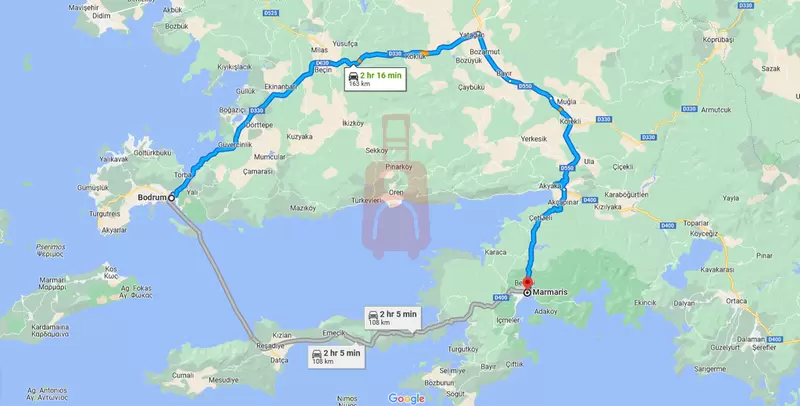
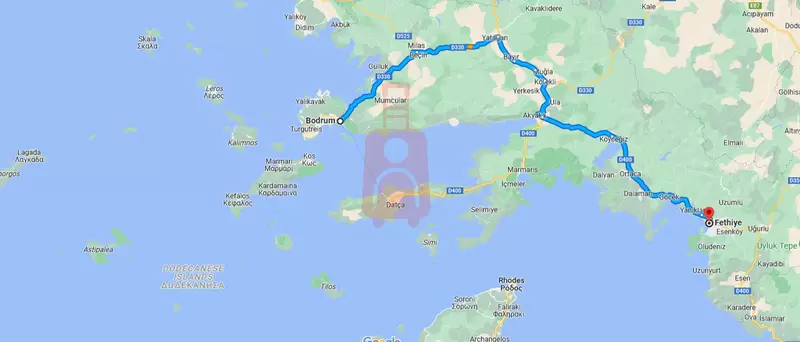
While exploring GIPs, visitors can also enjoy various water sports along Turkey's stunning coastlines. Regions like Bodrum and Fethiye offer activities such as sailing, snorkeling, and diving, providing a perfect blend of culinary exploration and adventure. The clear waters of the Aegean and Mediterranean seas enhance the experience, making it a great way to relax after tasting local delicacies.
Nearby Attractions
Many GIP areas are near significant historical and natural attractions. For example, while in Gaziantep for its pistachios, visitors can explore the ancient city of Zeugma and its stunning mosaics. In the Aegean region, travelers can visit the ancient ruins of Ephesus and enjoy the beautiful beaches of Çeşme. Each location offers a unique backdrop that enriches the experience of discovering local products.
Accessibility
Turkey is well-connected with a network of roads, domestic flights, and public transport, making it easy to access regions known for their GIPs. Major cities like Istanbul, Izmir, and Antalya serve as gateways to various GIP locations, with frequent bus and train services available to reach smaller towns and rural areas.
Best Time to Visit
The best time to explore Turkey's Geographically Indicated Products is during the spring (April to June) and autumn (September to November) months. During these seasons, temperatures range from 15°C to 25°C, providing a pleasant climate for outdoor activities and market visits. Additionally, these periods coincide with harvest times for many local products, allowing visitors to experience the freshness of seasonal offerings.
In summary, Turkey's Geographically Indicated Products offer a rich tapestry of flavors and traditions that reflect the country's diverse heritage. From vibrant local markets to stunning landscapes and exciting water sports, each region provides a unique experience for travelers eager to explore Turkey's culinary treasures.

Devrekani Cırık Tatlısı is a unique dessert from the Devrekani district, made with a thin, liquid dough that is hand-squeezed into small pieces before being fried twice. After the first frying, the pieces are left to cool and are then fried again, ensuring a crisp texture and fully cooked interior. The dessert is sweetened in cold syrup, giving it a delightful balance of sweetness and crunch. This traditional treat, originally made for guest receptions, has become a staple in the region, known for its distinct crispy and firm texture compared to other syrup-soaked desserts.

Kastamonu Simidi is a traditional local bread made from wheat flour, water, salt, and fresh yeast. The dough is rested, shaped into strands, and immersed in a hot apple or grape molasses solution before baking. This sesame-free bread is also known as "kazan simidi" or "kel simit" and is characterized by its firm texture, bright surface, and thick, crunchy crust. Unlike typical simits, Kastamonu Simidi does not include sesame, giving it a unique, simple flavor. This bread is an important part of Kastamonu's culinary tradition, with its distinct preparation and texture making it a regional specialty.

Kastamonu Simit Tiridi is a traditional dish from the Kastamonu region, made by soaking simit (sesame-free Turkish bagel) in bone broth and topping it with garlic yogurt, roasted minced meat, and optionally butter. The dish has a unique flavor similar to manti. The simit used is the local Kastamonu Simidi, a thick, crispy bagel that becomes a base for the dish when it has aged. Taşköprü Garlic, a regionally protected product, and locally sourced butter enhance the taste. Whether made with fresh or stale simit, Kastamonu Simit Tiridi is a cherished culinary tradition in the region.

Devrekani Hindi Banduma is a traditional dish from the Devrekani district, made using locally raised black turkeys. The dish is prepared by cooking turkey meat and broth, which is used to soak dry yufka (flatbread). The soaked yufka is then layered with turkey meat and crushed walnuts, before being baked until golden. Traditionally served during Ramadan for sahur, the dish is known for its rich, savory flavor, enhanced by the turkey's long cooking process and the distinctive turkey broth. The final touch of melted butter adds a delicious finish to this unique regional specialty.

Kastamonu Pastrami is a traditional cured meat from the Kastamonu region, made from boneless beef, typically from the saddle cut. The meat is salted with rock salt, pressed to remove excess moisture, and then dried in the air of the Ilgaz Mountains. After drying, the meat is coated with **Çemen** made from Taşköprü Garlic, which gives it a distinctive flavor. Kastamonu Pastrami has a mild saltiness, slight acidity, and a notable garlic aroma. It is produced from September to April and is traditionally sliced thinly by hand. This delicacy is known for its unique taste, attributed to the region’s specific methods and ingredients.

Kargi Tulum Cheese is a traditional cheese produced in the Kargi district of Çorum, made from a blend of cow, sheep, and goat milk. The cheese is aged for at least four months, allowing it to develop a rich flavor influenced by the local flora, including over 70 endemic plant species. Kargi Tulum Cheese is known for its high-fat content, resulting in a semi-hard texture and a yellowish hue. The milk is processed without skimming, contributing to its unique taste and aroma. The cheese is aged in specially prepared sheep skins, which are meticulously cured and cleaned, adding to the authenticity and distinctiveness of this regional delicacy.

Senirkent Samsa Dessert is a traditional sweet from the Senirkent district in Isparta. Made from a dough of flour, water, and salt, it is filled with a mixture of dry dough, grape molasses, and walnuts. The dough is shaped into muska (triangular) pastries, which are deep-fried and soaked in syrup. During preparation, the pastries are pierced several times to ensure even frying and syrup absorption. Known for its crispy texture and sweet flavor, Senirkent Samsa Dessert is an essential part of the region’s culinary heritage, with its unique production methods passed down through generations.

Senirkent Grape Molasses is a traditional product made from the Dimrit grape variety, grown in the Senirkent region. The grapes are crushed to extract juice, which is then boiled in copper cauldrons with a special white clay to reduce acidity. This process gives the molasses its rich and distinct flavor. After boiling and skimming off the foam, the molasses is allowed to cool and is stored in ceramic or glass jars. With a long history rooted in local agricultural practices, Senirkent Grape Molasses is an important part of the region’s culinary and economic heritage, often used as a sweetener or in various regional dishes.