Most Popular 10 Beaches in Beylikdüzü
21-01-2025 00:10
Geographically Indicated Products (GIPs) are unique goods that derive their quality and reputation from specific geographical origins. In Turkey, these products reflect the rich agricultural heritage and diverse local traditions. Notable examples include Turkish olives, famed for their distinct flavors, and the renowned Antep pistachios, prized for their quality. Other GIPs include various cheeses, such as Çamlıhemşin and Ezine, alongside traditional crafts like Turkish carpets. Visitors can explore local markets and artisanal shops to experience authentic tastes and craftsmanship. Sampling these products not only supports local economies but also offers a deeper understanding of the region's culture and culinary heritage.
Geographically Indicated Products in Turkey
Turkey is home to a rich array of Geographically Indicated Products (GIPs) that reflect its diverse regions and cultural heritage. These products are not only celebrated for their unique qualities but also for the traditions behind their production. Exploring these GIPs offers a fascinating journey through Turkey's landscapes and local customs.
Location and Notable GIPs
Turkey's diverse geography contributes to its wide variety of GIPs. Regions such as Aegean, Marmara, and Southeastern Anatolia are particularly known for their specialty products. For instance, the Aegean region is famous for its olive oils, especially from Ayvalık, while Gaziantep is renowned for its pistachios and baklava. The unique terroir of each area imparts distinct flavors and qualities to these products.
Facilities and Local Markets
Visitors can find numerous facilities dedicated to the production and sale of GIPs. Local markets, such as the Grand Bazaar in Istanbul and the local bazaars in Gaziantep, offer a vibrant atmosphere where travelers can sample and purchase authentic products. Many regions also have farms and workshops where tourists can engage in hands-on experiences, such as olive oil tasting or pottery making.
Water Sports Opportunities
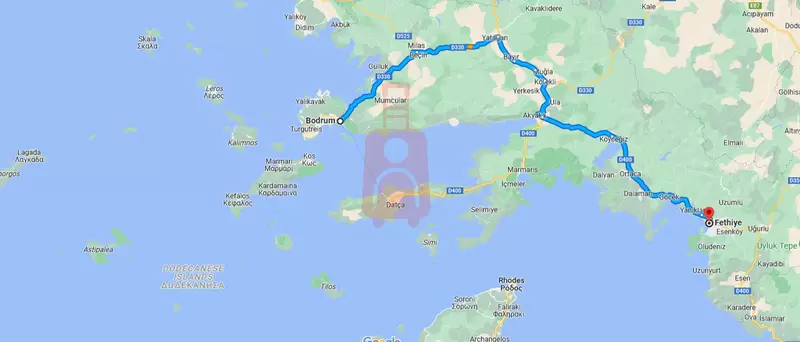
While exploring GIPs, visitors can also enjoy various water sports along Turkey's stunning coastlines. Regions like Bodrum and Fethiye offer activities such as sailing, snorkeling, and diving, providing a perfect blend of culinary exploration and adventure. The clear waters of the Aegean and Mediterranean seas enhance the experience, making it a great way to relax after tasting local delicacies.
Nearby Attractions
Many GIP areas are near significant historical and natural attractions. For example, while in Gaziantep for its pistachios, visitors can explore the ancient city of Zeugma and its stunning mosaics. In the Aegean region, travelers can visit the ancient ruins of Ephesus and enjoy the beautiful beaches of Çeşme. Each location offers a unique backdrop that enriches the experience of discovering local products.
Accessibility
Turkey is well-connected with a network of roads, domestic flights, and public transport, making it easy to access regions known for their GIPs. Major cities like Istanbul, Izmir, and Antalya serve as gateways to various GIP locations, with frequent bus and train services available to reach smaller towns and rural areas.
Best Time to Visit
The best time to explore Turkey's Geographically Indicated Products is during the spring (April to June) and autumn (September to November) months. During these seasons, temperatures range from 15°C to 25°C, providing a pleasant climate for outdoor activities and market visits. Additionally, these periods coincide with harvest times for many local products, allowing visitors to experience the freshness of seasonal offerings.
In summary, Turkey's Geographically Indicated Products offer a rich tapestry of flavors and traditions that reflect the country's diverse heritage. From vibrant local markets to stunning landscapes and exciting water sports, each region provides a unique experience for travelers eager to explore Turkey's culinary treasures.
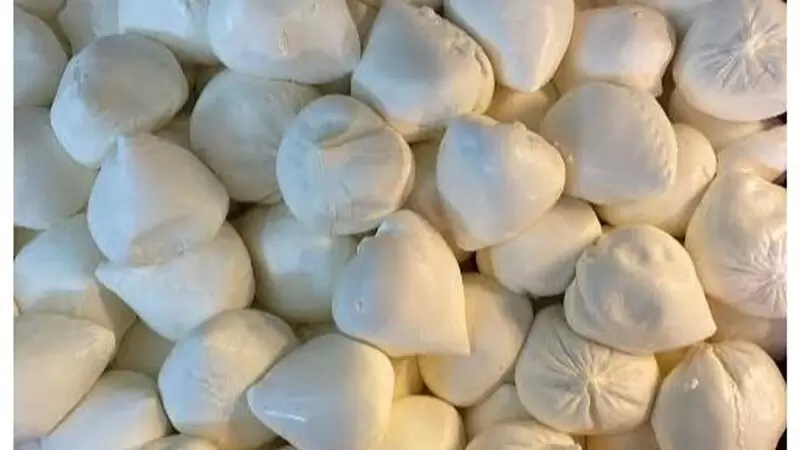
Sanliurfa Cheese is a traditional cheese from the Sanliurfa province, made from a blend of raw cow, sheep, and goat milk. It is produced using unique methods, either as fresh (unaged) or aged in brine to create semi-soft and hard varieties. The cheese undergoes a special aging process, lasting at least 120 days, where it is dry salted or boiled to reduce moisture and achieve a firm texture. A distinctive feature of Sanliurfa Cheese is its shape, created using locally made cloths known as parzın. The cheese is typically soaked in water before serving and is an essential part of the region's culinary heritage.
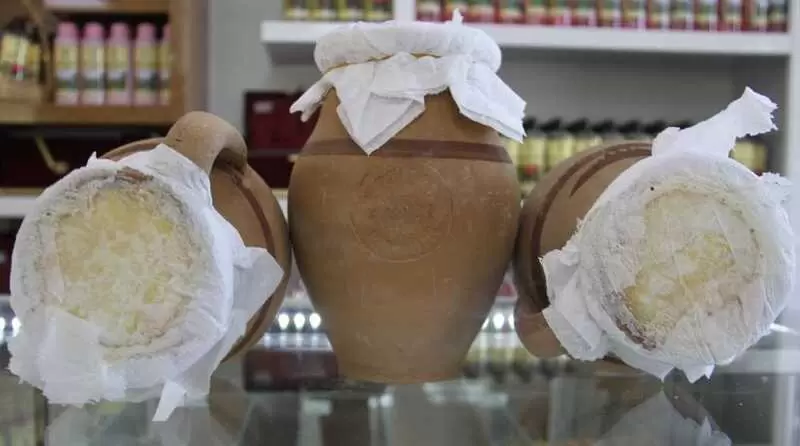
Yozgat Bowl Cheese is a traditional semi-soft, half-fat cheese unique to the Yozgat province. Made from the milk of sheep, goats, and cows that graze on the local flora, it is produced using a traditional method where milk is either processed individually by families or collectively in a "milk house." The cheese is pressed into clay bowls, known as "çanak," and then buried in sand to mature in cool, slightly humid conditions. The use of homemade rennet, derived from young ruminants, gives the cheese its distinctive flavor. Yozgat Bowl Cheese is an integral part of local culinary culture and is renowned for its unique texture and taste.
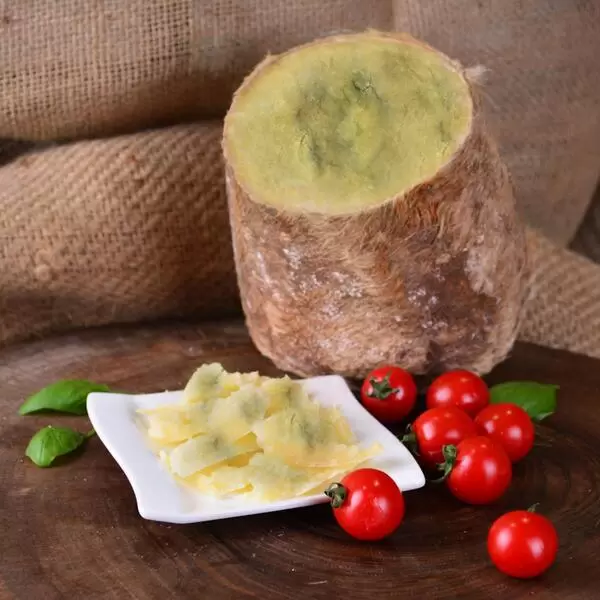
Karaman Divle Sinkhole Tulum Cheese is a traditional cheese from the Ayrancı district in Karaman, aged in the historic Divle Sinkhole cave. Made from a mixture of raw goat, cow, and sheep milk, the cheese is placed in sheepskin or goatskin bags for aging. The unique aging process takes place in the cave, which has a natural cool temperature and a distinctive mold culture. Over 5-6 months, the cheese develops a characteristic brick-red mold on its surface, signaling its maturity. This method of aging, combined with the cave’s controlled environment, gives the cheese its distinct flavor and texture, making it a regional delicacy.
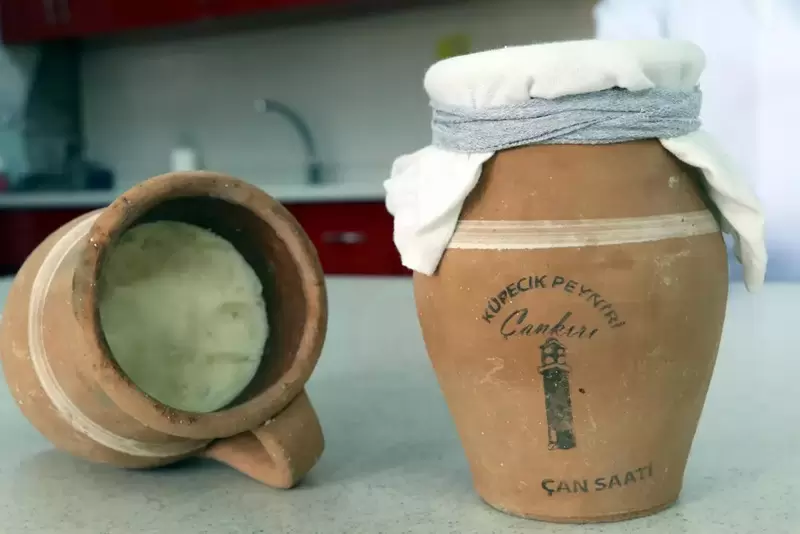
Cankiri Kupecik Cheese is a traditional cheese produced in the Cankiri province, valued for its cultural significance and unique production method. Made from fresh milk, it is fermented with shirden rennet and aged in glazed earthen jars, a process that imparts its distinct flavor. The jars are sealed with cotton cloth and buried in sand to age, ensuring a rich texture and taste. This cheese is an important part of the region’s winter preparations and is typically enjoyed during local festivals, such as the Yörenel Yaran Sofrası, where it is served alongside other regional delicacies. Cankiri Kupecik Cheese embodies the heritage and traditions of Cankiri’s food culture.
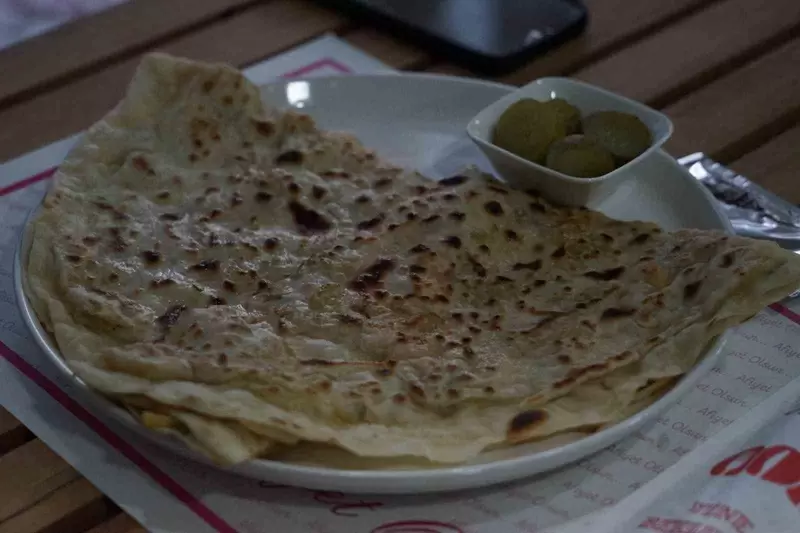
Sabanozu Flatbread is a traditional bread from the Sabanozu district, made using special-purpose wheat flour, water, yeast, and salt. The dough is cooked on a sac, a traditional iron griddle, over wood-fired heat. Before cooking, the sac is coated with a mixture of wood ash and water, which helps the bread cook slowly, resulting in a soft, fully baked texture. Sabanozu Flatbread typically has a diameter of 20-25 cm, weighs between 300-320g, and is about 1.5-2 cm thick. With its deep roots in the local food culture, it is a staple in Sabanozu, consumed at nearly every meal and closely tied to the region’s gastronomic identity.
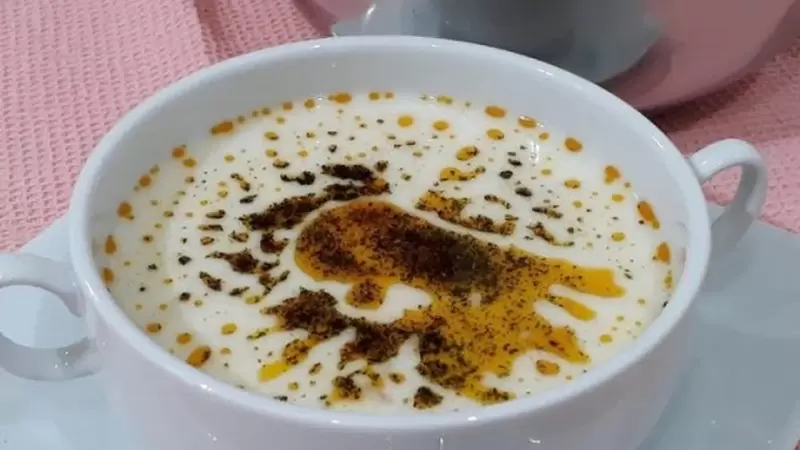
Cankiri Cimcik Dough Soup is a traditional dish from the Cankiri region made with thinly rolled dough, eggs, salt, and water. The dough is cut into small squares, folded into a bow shape, and boiled, then combined with garlic yogurt and topped with a fried egg cooked in butter. The soup is finished with a drizzle of melted butter and paprika for added flavor. Known locally as "cümcük hamuru çorbası," this soup is a staple in Cankiri's culinary heritage. It is traditionally served in generous portions and has a long history tied to the region’s food culture, making it an essential part of Cankiri's gastronomic identity.
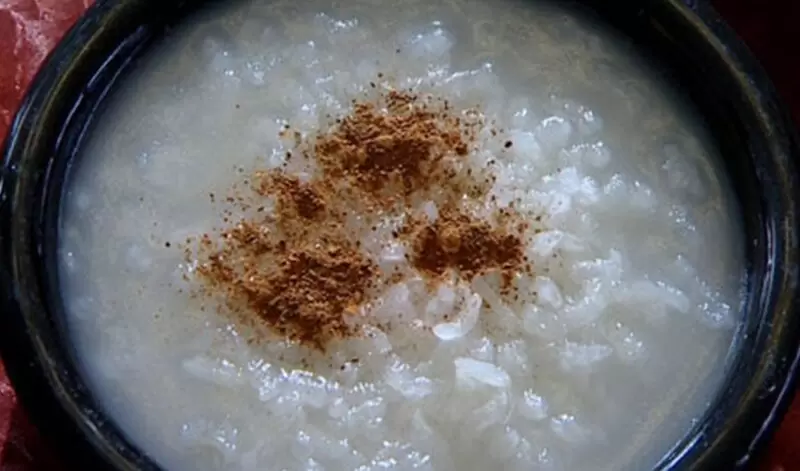
Konya Zerdesi is a traditional Turkish dessert from the Konya region, made with rice, saffron, and sugar. The saffron adds a golden color and unique aroma to the dish, which is slow-cooked to a creamy consistency. Historically, Konya Zerdesi dates back to the Seljuk period, first presented during a royal banquet in 1220. It is often served at weddings and special celebrations alongside pilaf. The dish is cherished for its rich flavor, achieved by using saffron and sometimes rosewater, and is typically served warm, making it a key part of Konya's culinary heritage and festive traditions.
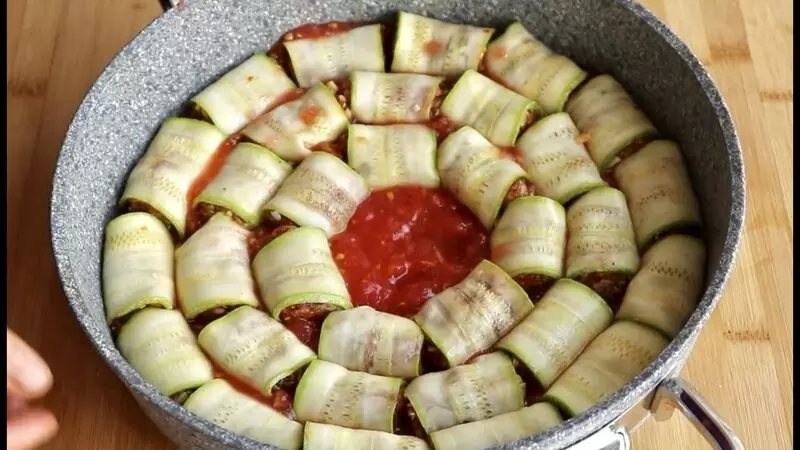
Konya Dried Zucchini Wrap is a traditional dish from the Konya region, made by stuffing dried zucchini with a mixture of minced meat, bulgur, rice, onion, parsley, tomato paste, and spices. The zucchini is softened by boiling and then carefully stuffed and rolled before being cooked in a savory broth made with butter and tomato paste. The dish is known for its unique combination of flavors and textures, and the slow cooking process helps the zucchini absorb the rich broth. A beloved part of Konya’s culinary culture, Konya Dried Zucchini Wrap has a deep historical connection to the region and remains an essential dish in local cuisine.