Most Popular 10 Beaches in Beylikdüzü
21-01-2025 00:10
Geographically Indicated Products (GIPs) are unique goods that derive their quality and reputation from specific geographical origins. In Turkey, these products reflect the rich agricultural heritage and diverse local traditions. Notable examples include Turkish olives, famed for their distinct flavors, and the renowned Antep pistachios, prized for their quality. Other GIPs include various cheeses, such as Çamlıhemşin and Ezine, alongside traditional crafts like Turkish carpets. Visitors can explore local markets and artisanal shops to experience authentic tastes and craftsmanship. Sampling these products not only supports local economies but also offers a deeper understanding of the region's culture and culinary heritage.
Geographically Indicated Products in Turkey
Turkey is home to a rich array of Geographically Indicated Products (GIPs) that reflect its diverse regions and cultural heritage. These products are not only celebrated for their unique qualities but also for the traditions behind their production. Exploring these GIPs offers a fascinating journey through Turkey's landscapes and local customs.
Location and Notable GIPs
Turkey's diverse geography contributes to its wide variety of GIPs. Regions such as Aegean, Marmara, and Southeastern Anatolia are particularly known for their specialty products. For instance, the Aegean region is famous for its olive oils, especially from Ayvalık, while Gaziantep is renowned for its pistachios and baklava. The unique terroir of each area imparts distinct flavors and qualities to these products.
Facilities and Local Markets
Visitors can find numerous facilities dedicated to the production and sale of GIPs. Local markets, such as the Grand Bazaar in Istanbul and the local bazaars in Gaziantep, offer a vibrant atmosphere where travelers can sample and purchase authentic products. Many regions also have farms and workshops where tourists can engage in hands-on experiences, such as olive oil tasting or pottery making.
Water Sports Opportunities
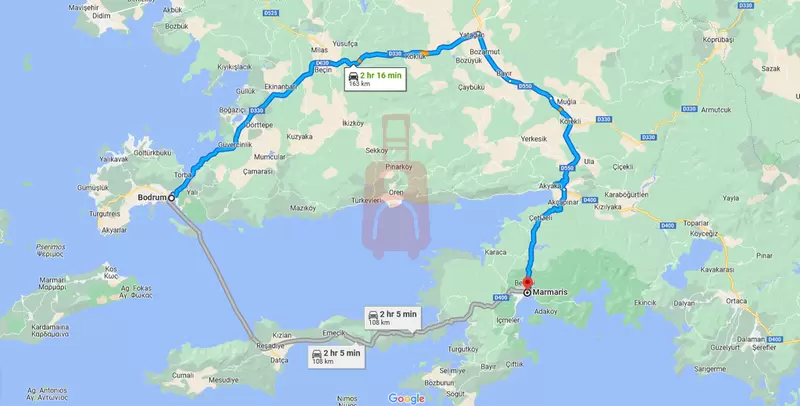
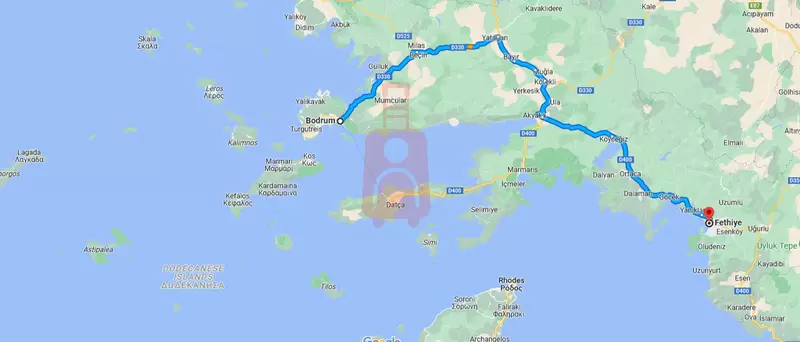
While exploring GIPs, visitors can also enjoy various water sports along Turkey's stunning coastlines. Regions like Bodrum and Fethiye offer activities such as sailing, snorkeling, and diving, providing a perfect blend of culinary exploration and adventure. The clear waters of the Aegean and Mediterranean seas enhance the experience, making it a great way to relax after tasting local delicacies.
Nearby Attractions
Many GIP areas are near significant historical and natural attractions. For example, while in Gaziantep for its pistachios, visitors can explore the ancient city of Zeugma and its stunning mosaics. In the Aegean region, travelers can visit the ancient ruins of Ephesus and enjoy the beautiful beaches of Çeşme. Each location offers a unique backdrop that enriches the experience of discovering local products.
Accessibility
Turkey is well-connected with a network of roads, domestic flights, and public transport, making it easy to access regions known for their GIPs. Major cities like Istanbul, Izmir, and Antalya serve as gateways to various GIP locations, with frequent bus and train services available to reach smaller towns and rural areas.
Best Time to Visit
The best time to explore Turkey's Geographically Indicated Products is during the spring (April to June) and autumn (September to November) months. During these seasons, temperatures range from 15°C to 25°C, providing a pleasant climate for outdoor activities and market visits. Additionally, these periods coincide with harvest times for many local products, allowing visitors to experience the freshness of seasonal offerings.
In summary, Turkey's Geographically Indicated Products offer a rich tapestry of flavors and traditions that reflect the country's diverse heritage. From vibrant local markets to stunning landscapes and exciting water sports, each region provides a unique experience for travelers eager to explore Turkey's culinary treasures.
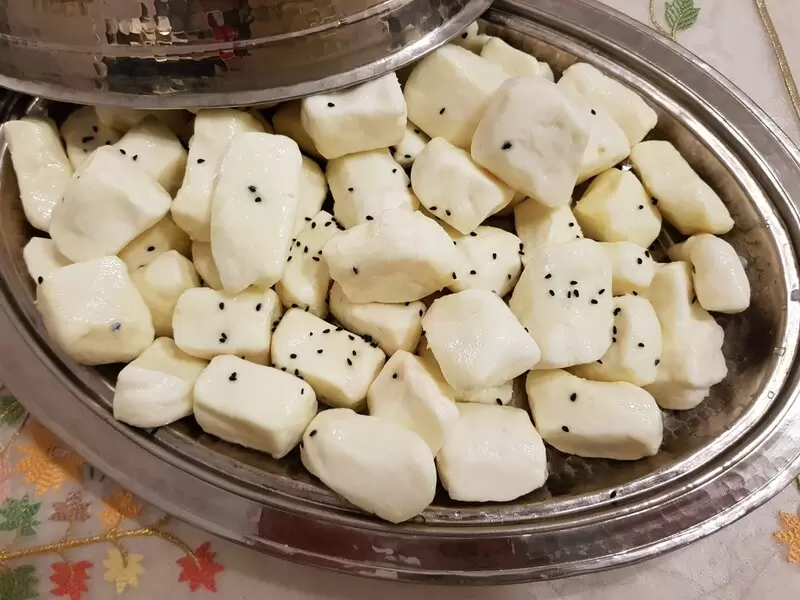
Maraş Finger / Squeezed Cheese is a traditional cheese from the Kahramanmaraş region, made from pasteurized cow, goat, or sheep milk, or a combination of these. The cheese is shaped into finger-like pieces, approximately 2-3 cm wide, using hot water. It has a firm texture and mild, slightly salty flavor. This cheese can be enjoyed fresh or used in various Turkish dishes like börek, güveç, or even desserts when the salt is removed. Originally made from raw sheep or goat milk during the summer, Maraş Finger Cheese is now produced year-round. Classified as a full-fat and firm cheese, it is an essential part of Kahramanmaraş’s rich culinary tradition.
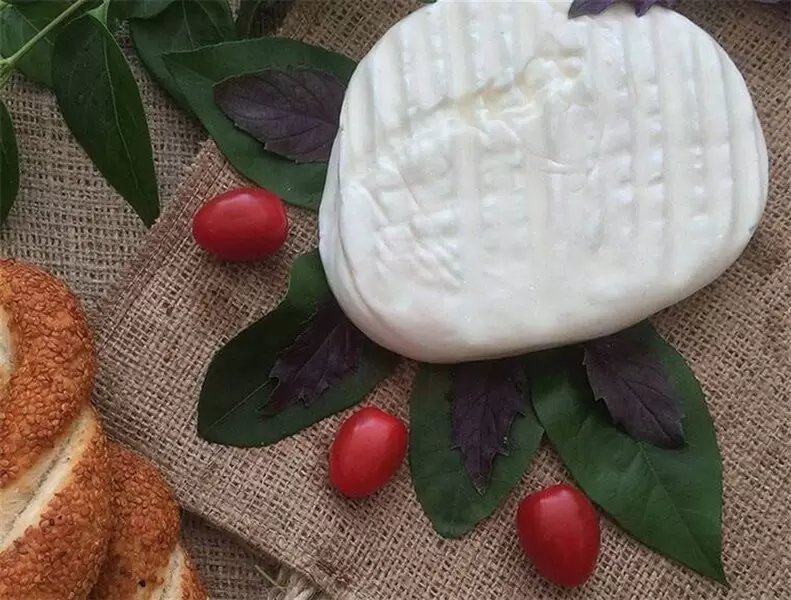
Malatya Cheese is a traditional semi-soft cheese from the Malatya region of Turkey, characterized by its cylindrical shape and slightly yellowish color. Made from raw cow’s or sheep’s milk, it undergoes a unique production process where the curds are scalded in hot water or whey above 85°C. This method gives the cheese its distinctive texture, which makes a sound when chewed. Known for its mild, slightly tangy flavor, Malatya Cheese can be enjoyed fresh or melted in cooking. It is ideal for grilling or frying, as it does not burn easily, making it a popular choice in both traditional Turkish dishes and modern culinary creations.
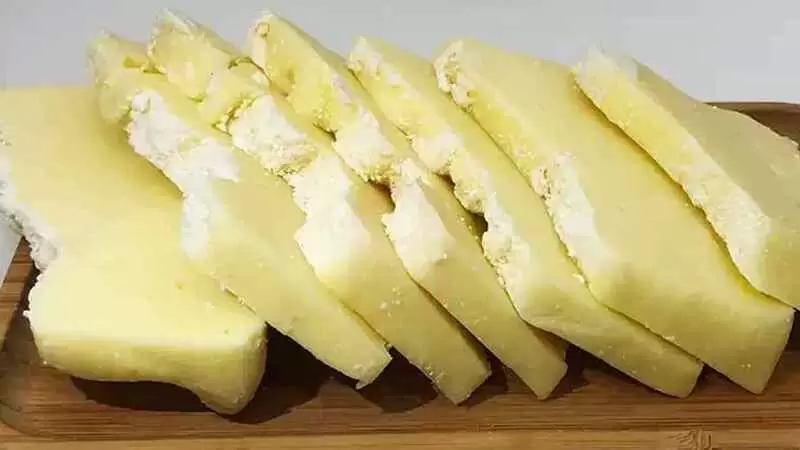
Gümüşhane Deleme Cheese is a traditional Turkish cheese made from cow’s milk in the Gümüşhane region. Unlike other regional cheeses, it is produced without rennet, using the natural acidity of raw milk to form curds. The curds are then boiled in fatty milk and kneaded into a smooth, homogeneous texture. This semi-soft cheese has a unique, slightly tangy flavor with a smooth and slippery texture that melts when heated. Gümüşhane Deleme Cheese can be enjoyed fresh or aged and is perfect for use in dishes like pide or börek. Its rich milk aroma and distinct production method make it a key part of the region’s culinary heritage.
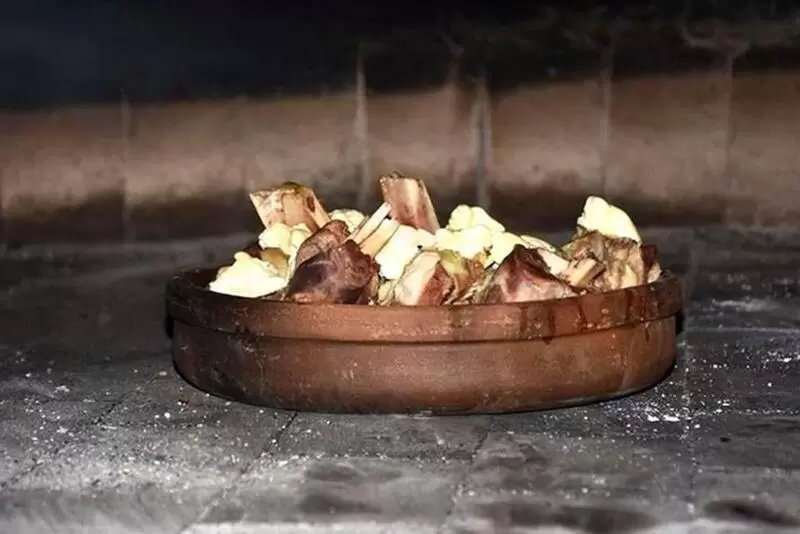
Aksaray Tulum Kebab is a traditional dish from the Aksaray region, originally made by shepherds. The dish is prepared by stuffing a sheep's stomach (tulum) with large chunks of meat, seasoned with local spices, and cooking it using a unique method where the tulum is not directly exposed to fire. Instead, it is wrapped in thick leaves and earth, with a fire set on top, ensuring the meat cooks slowly and evenly. The result is a tender, flavorful kebab with a rich, savory taste, free from any burnt flavors. Made with lambs grazing in Aksaray's open pastures, Aksaray Tulum Kebab is a must-try for anyone exploring the region's culinary traditions.
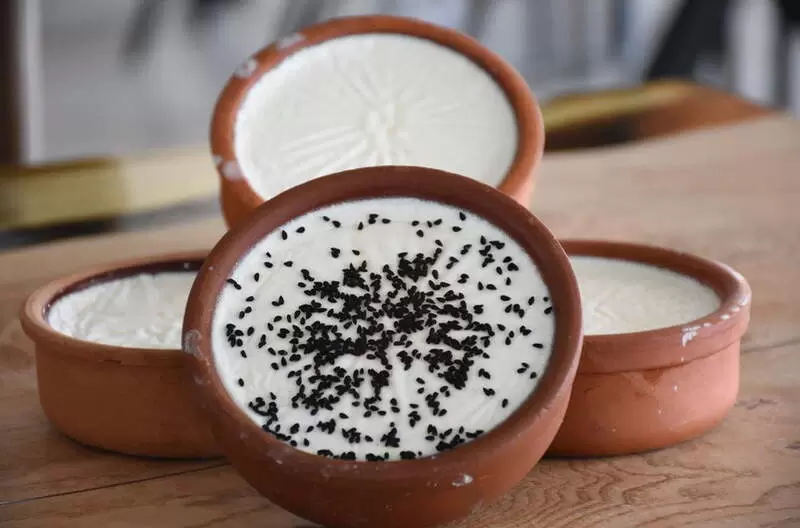
Eşmekaya Yoghurt is a traditional Turkish yogurt produced in the Eşmekaya region from sheep's milk, which is fed on local endemic plants. The yogurt is known for its rich, thick consistency and distinctive flavor, which comes from the aromatic plants the sheep graze on, such as gökbaş, yağlıca, and pıtırak. With a fat content of 8.5% and a protein content of 6.2%, Eşmekaya Yoghurt has a dense texture that is non-flowing. It is typically made between April and June but is produced year-round. The unique taste of this yogurt is also influenced by the region's winds carrying the scents of local flora, making it a must-try for anyone exploring the region’s culinary heritage.
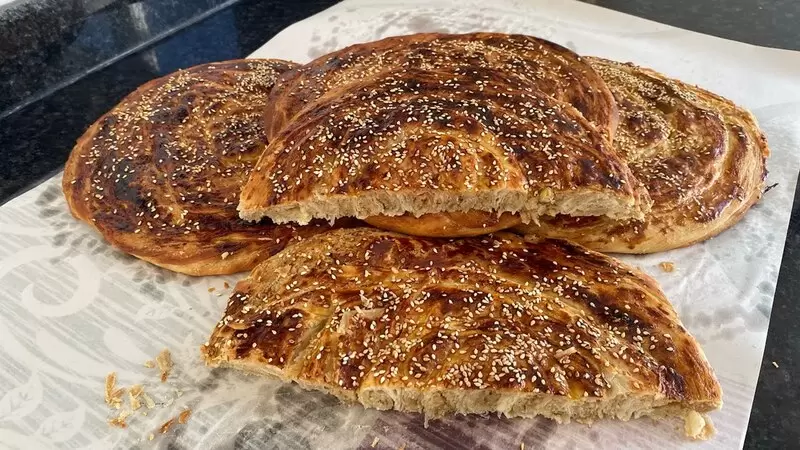
Aksaray Tahinlisi is a traditional pastry from Aksaray, made with a dough of wheat flour, whole wheat flour, sugar, yeast, water, tahini, and butter or olive oil. The dough is rolled out, filled with a rich tahini mixture, then shaped into a round form and baked in a stone oven. The result is a hearty, nutty pastry that is especially popular during Ramadan, particularly for sahur, due to its filling nature. Known for its unique preparation, the pastry’s soft layers and rich tahini flavor make it a beloved part of Aksaray’s culinary tradition. Aksaray Tahinlisi is a must-try for anyone exploring the region’s food culture.
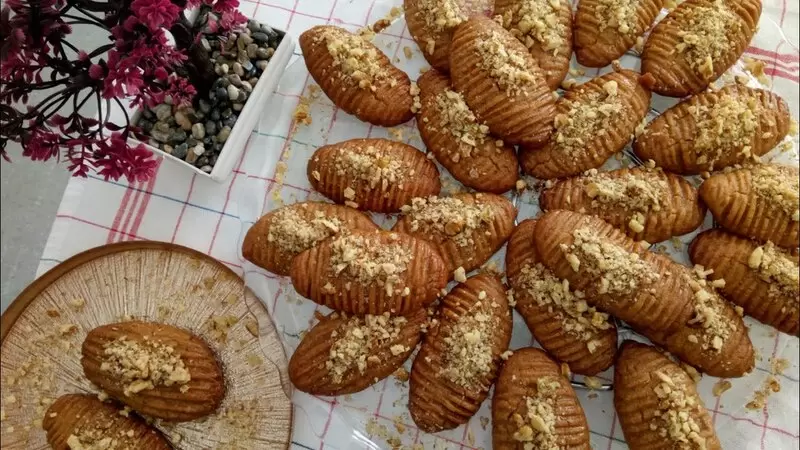
Aksaray Şeker Böreği is a traditional Turkish syrup-soaked pastry from the Aksaray region, made with ingredients such as tail fat, butter, margarine, flour, yogurt, eggs, and walnuts. The dough is shaped into oval forms and pressed through a sieve, creating a characteristic pattern of small holes, which is why it is also known as Kalburabastı. After baking, the pastry is soaked in sweet syrup, giving it a rich, moist texture. Aksaray Şeker Böreği is a popular treat during special occasions like weddings, religious ceremonies, and Ramadan, offering a delicious blend of sweetness and tradition. It holds a special place in the region's culinary culture.
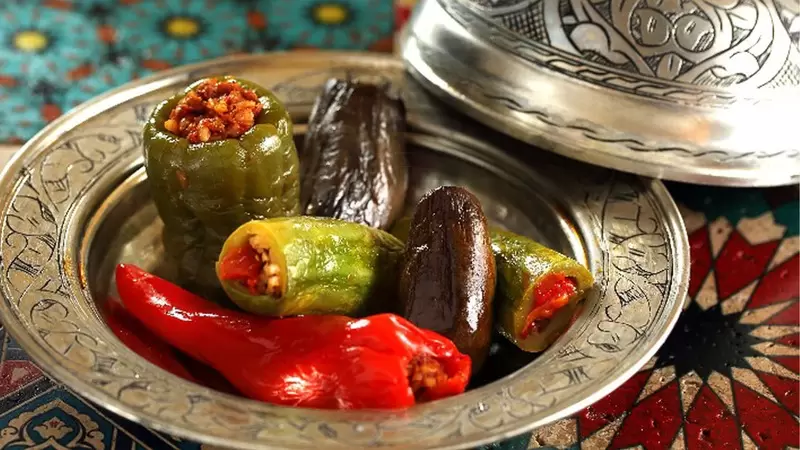
Antep Red Green Dolma, also known as Antep Embroidered Dolma or Antep Summer Dolma, is a traditional stuffed vegetable dish from Gaziantep. Made by filling fresh vegetables like eggplant, peppers, tomatoes, and grape leaves with a mixture of rice or bulgur, onions, garlic, and spices, it is a colorful and flavorful dish. Sometimes, fatty minced meat is added to the filling. The use of souring agents such as green plums, unripe grapes, or sumac adds a tangy kick to the dish. Often prepared in the summer, it is a popular choice for special occasions, including weddings and festivals, and is a beloved part of Gaziantep's culinary culture.