Most Popular 10 Beaches in Beylikdüzü
21-01-2025 00:10
Geographically Indicated Products (GIPs) are unique goods that derive their quality and reputation from specific geographical origins. In Turkey, these products reflect the rich agricultural heritage and diverse local traditions. Notable examples include Turkish olives, famed for their distinct flavors, and the renowned Antep pistachios, prized for their quality. Other GIPs include various cheeses, such as Çamlıhemşin and Ezine, alongside traditional crafts like Turkish carpets. Visitors can explore local markets and artisanal shops to experience authentic tastes and craftsmanship. Sampling these products not only supports local economies but also offers a deeper understanding of the region's culture and culinary heritage.
Geographically Indicated Products in Turkey
Turkey is home to a rich array of Geographically Indicated Products (GIPs) that reflect its diverse regions and cultural heritage. These products are not only celebrated for their unique qualities but also for the traditions behind their production. Exploring these GIPs offers a fascinating journey through Turkey's landscapes and local customs.
Location and Notable GIPs
Turkey's diverse geography contributes to its wide variety of GIPs. Regions such as Aegean, Marmara, and Southeastern Anatolia are particularly known for their specialty products. For instance, the Aegean region is famous for its olive oils, especially from Ayvalık, while Gaziantep is renowned for its pistachios and baklava. The unique terroir of each area imparts distinct flavors and qualities to these products.
Facilities and Local Markets
Visitors can find numerous facilities dedicated to the production and sale of GIPs. Local markets, such as the Grand Bazaar in Istanbul and the local bazaars in Gaziantep, offer a vibrant atmosphere where travelers can sample and purchase authentic products. Many regions also have farms and workshops where tourists can engage in hands-on experiences, such as olive oil tasting or pottery making.
Water Sports Opportunities
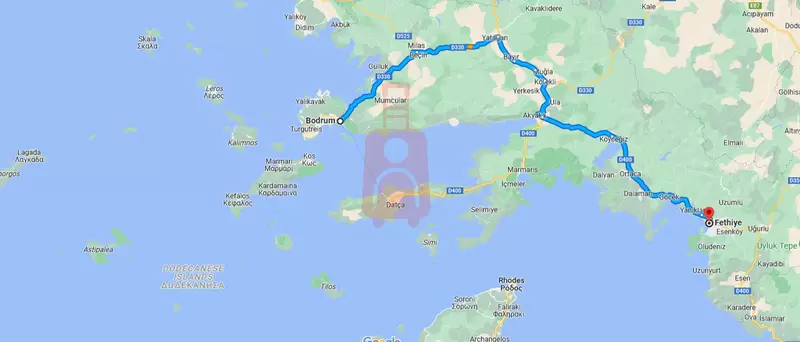
While exploring GIPs, visitors can also enjoy various water sports along Turkey's stunning coastlines. Regions like Bodrum and Fethiye offer activities such as sailing, snorkeling, and diving, providing a perfect blend of culinary exploration and adventure. The clear waters of the Aegean and Mediterranean seas enhance the experience, making it a great way to relax after tasting local delicacies.
Nearby Attractions
Many GIP areas are near significant historical and natural attractions. For example, while in Gaziantep for its pistachios, visitors can explore the ancient city of Zeugma and its stunning mosaics. In the Aegean region, travelers can visit the ancient ruins of Ephesus and enjoy the beautiful beaches of Çeşme. Each location offers a unique backdrop that enriches the experience of discovering local products.
Accessibility
Turkey is well-connected with a network of roads, domestic flights, and public transport, making it easy to access regions known for their GIPs. Major cities like Istanbul, Izmir, and Antalya serve as gateways to various GIP locations, with frequent bus and train services available to reach smaller towns and rural areas.
Best Time to Visit
The best time to explore Turkey's Geographically Indicated Products is during the spring (April to June) and autumn (September to November) months. During these seasons, temperatures range from 15°C to 25°C, providing a pleasant climate for outdoor activities and market visits. Additionally, these periods coincide with harvest times for many local products, allowing visitors to experience the freshness of seasonal offerings.
In summary, Turkey's Geographically Indicated Products offer a rich tapestry of flavors and traditions that reflect the country's diverse heritage. From vibrant local markets to stunning landscapes and exciting water sports, each region provides a unique experience for travelers eager to explore Turkey's culinary treasures.
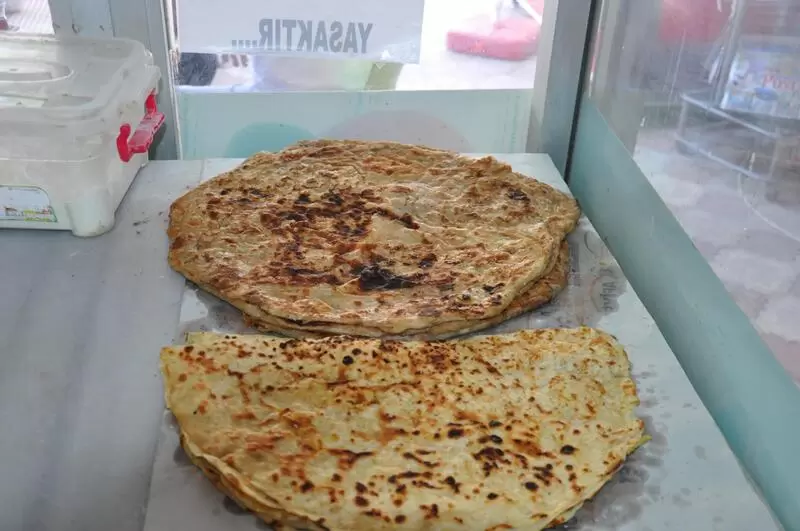
Amasya Yağlısı is a traditional Turkish pastry from Amasya, made with wheat flour, water, salt, and yeast dough, filled with sunflower oil, walnuts, and poppy seeds. It is baked on a cast-iron griddle, resulting in a round, layered pastry with a 40 cm diameter. Amasya Yağlısı can also be made without yeast, using sunflower oil in place of the yeast. This pastry is an important part of Amasya’s culinary heritage and is typically served during special occasions such as weddings, circumcisions, and holidays. Its rich history and unique preparation method make it a beloved regional delicacy, tied to Amasya’s cultural traditions.
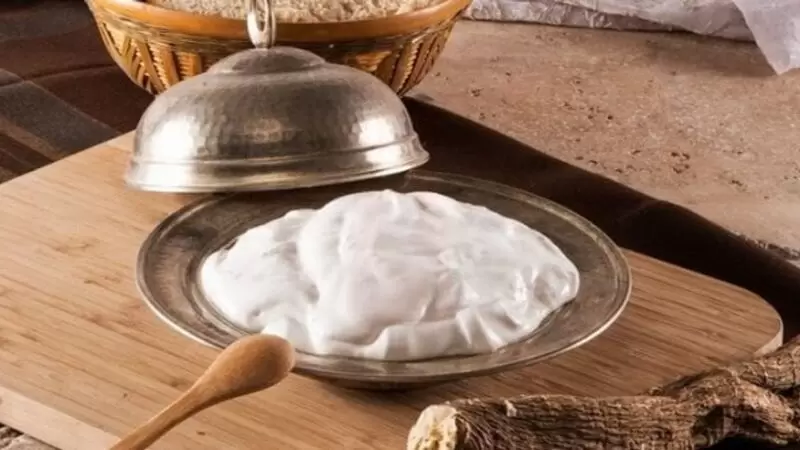
Aksaray Foam Halva is a traditional Turkish dessert made from soapwort extract, white sugar, corn syrup, and water. Known for its smooth, glossy surface and semi-fluid consistency, this halva has a white color and a homogenous texture. The syrup used in production has a Brix value of 70-80, giving it the perfect balance of sweetness. Often enjoyed during Ramadan, Aksaray Foam Halva is a beloved regional specialty, made using soapwort grown locally in Aksaray. With its unique texture and rich, sweet flavor, it is an iconic part of Aksaray’s culinary heritage and is also known as "bulama" in the region.
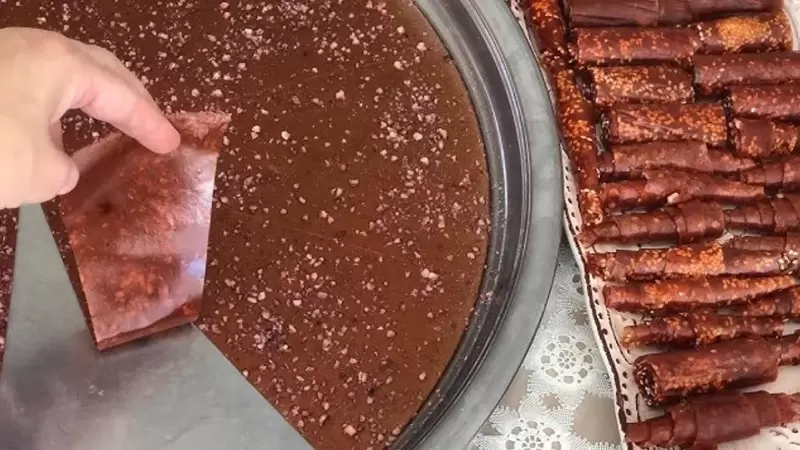
Gümüşhane Mulberry Dough is a traditional sweet from the Gümüşhane region, made from mulberries, honey, milk, walnuts, and hazelnuts. The mulberries are carefully washed, boiled, and combined with flour, honey, and sugar to create a rich paste known as "herle." This mixture is then spread over cloth sheets and sprinkled with nuts before being left to dry in a hygienic environment. Gümüşhane Mulberry Dough stands out for its soft, bright texture and the use of high-quality, locally sourced ingredients. It is a beloved regional specialty, often enjoyed during special occasions and reflecting the region’s rich culinary heritage.
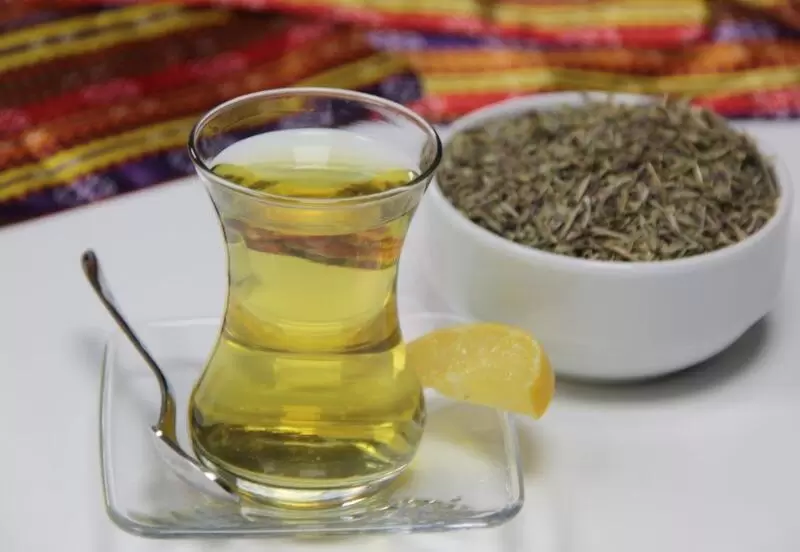
Gaziantep Zahter Tea is a traditional herbal infusion made from the dried aerial parts of the Thymbra spicata plant, locally known as zahter. This aromatic tea is celebrated for its distinct thyme-like flavor and refreshing qualities. Prepared by steeping zahter in hot water, it can be enjoyed plain or sweetened with sugar, honey, or a splash of lemon. The tea is deeply rooted in Gaziantep’s culinary heritage and is cherished for its natural aroma and unique taste. A must-try for tea enthusiasts, it offers a flavorful glimpse into the region’s rich traditions.
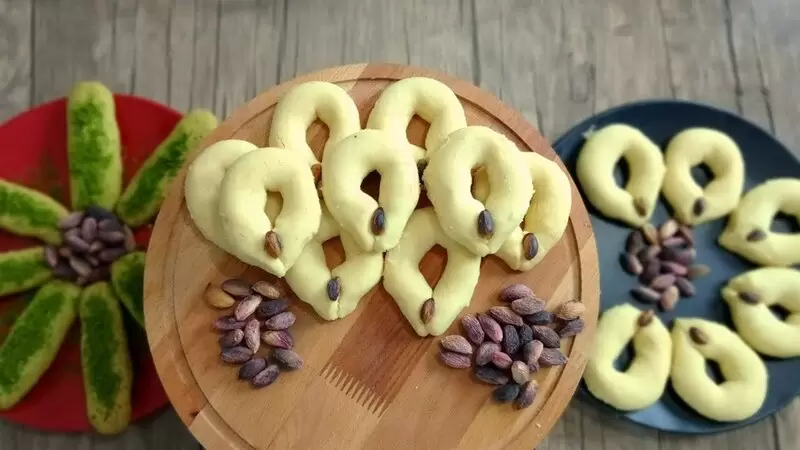
Antep Cookies are traditional biscuits from Gaziantep made with semolina, Şanlıurfa Sadeyağı, early-harvest boziç pistachios, white sugar, and flour. Baked in stone ovens, these cookies are known for their rich flavor, crumbly texture, and the distinctive aroma of clarified butter. Plain varieties are crescent-shaped, while pistachio cookies are short and log-shaped, showcasing the vibrant green pistachios. Often referred to as "holiday cookies," they are a staple during festive occasions in Gaziantep. With their premium ingredients and long shelf life, Antep Cookies are a must-try for anyone exploring the region’s culinary heritage.
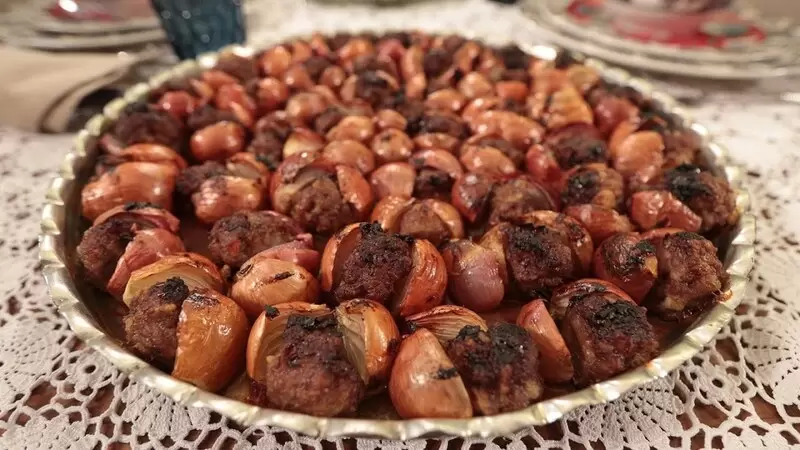
Sanliurfa Onion Kebab is a traditional dish made by alternating dry onions and minced meat on skewers, then grilling them over coal. The onions, kept whole with their skins, and the coarsely minced meat seasoned with salt create a simple yet rich flavor. Each skewer contains a perfect balance of onions and meat, offering a smoky aroma and tender texture after cooking. This centuries-old recipe reflects the culinary heritage of Sanliurfa, known for its bold flavors and artisanal preparation. Served hot, it is a must-try dish for anyone exploring the region’s authentic tastes.
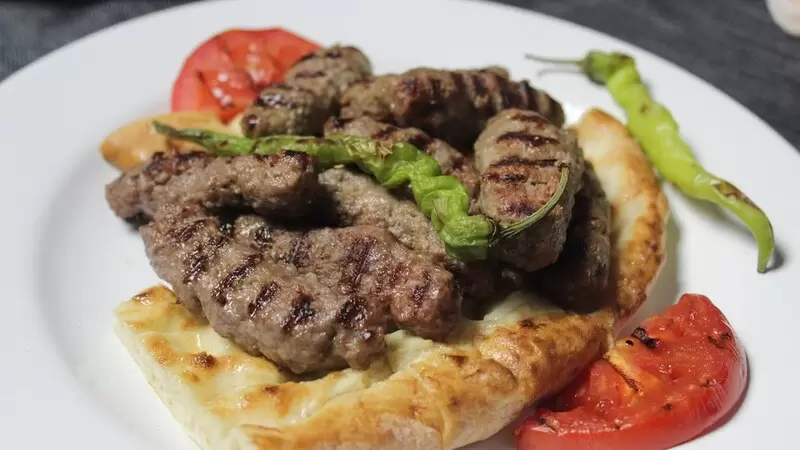
Akhisar Meatballs are a traditional Turkish dish made from Alaca beef, blended with Karacabey onions and salt, then hand-shaped to feature distinctive finger marks. Grilled over embered wood charcoal, they develop a smoky aroma and tender, juicy texture with a rich flavor. Each meatball is carefully crafted to maintain its authentic size and shape, with a signature reddish-brown color after cooking. Served on butter-soaked flatbread and garnished with seasonal vegetables like parsley, grilled peppers, and tomatoes, Akhisar Meatballs are a cherished specialty of the Akhisar region, reflecting its culinary heritage and artisanal preparation methods.
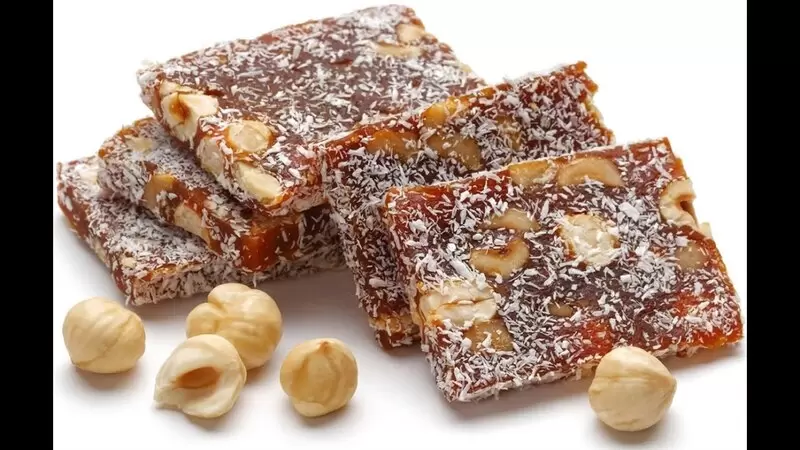
Mersin Cezeryesi is a traditional Turkish sweet made from boiled yellow carrots blended with sugar, glucose, and citric acid to create a rich marmalade-like base. Enhanced with the addition of pistachios, walnuts, or hazelnuts, it undergoes a thermal process before being shaped into bars or bite-sized pieces. Its chewy texture and perfect balance of sweetness and nutty flavors make it a beloved treat. Available in various forms, including pistachio balls and walnut-filled pieces, Mersin Cezeryesi reflects the region’s culinary heritage and expertise in crafting unique confections.