Most Popular 10 Beaches in Beylikdüzü
21-01-2025 00:10
Geographically Indicated Products (GIPs) are unique goods that derive their quality and reputation from specific geographical origins. In Turkey, these products reflect the rich agricultural heritage and diverse local traditions. Notable examples include Turkish olives, famed for their distinct flavors, and the renowned Antep pistachios, prized for their quality. Other GIPs include various cheeses, such as Çamlıhemşin and Ezine, alongside traditional crafts like Turkish carpets. Visitors can explore local markets and artisanal shops to experience authentic tastes and craftsmanship. Sampling these products not only supports local economies but also offers a deeper understanding of the region's culture and culinary heritage.
Geographically Indicated Products in Turkey
Turkey is home to a rich array of Geographically Indicated Products (GIPs) that reflect its diverse regions and cultural heritage. These products are not only celebrated for their unique qualities but also for the traditions behind their production. Exploring these GIPs offers a fascinating journey through Turkey's landscapes and local customs.
Location and Notable GIPs
Turkey's diverse geography contributes to its wide variety of GIPs. Regions such as Aegean, Marmara, and Southeastern Anatolia are particularly known for their specialty products. For instance, the Aegean region is famous for its olive oils, especially from Ayvalık, while Gaziantep is renowned for its pistachios and baklava. The unique terroir of each area imparts distinct flavors and qualities to these products.
Facilities and Local Markets
Visitors can find numerous facilities dedicated to the production and sale of GIPs. Local markets, such as the Grand Bazaar in Istanbul and the local bazaars in Gaziantep, offer a vibrant atmosphere where travelers can sample and purchase authentic products. Many regions also have farms and workshops where tourists can engage in hands-on experiences, such as olive oil tasting or pottery making.
Water Sports Opportunities
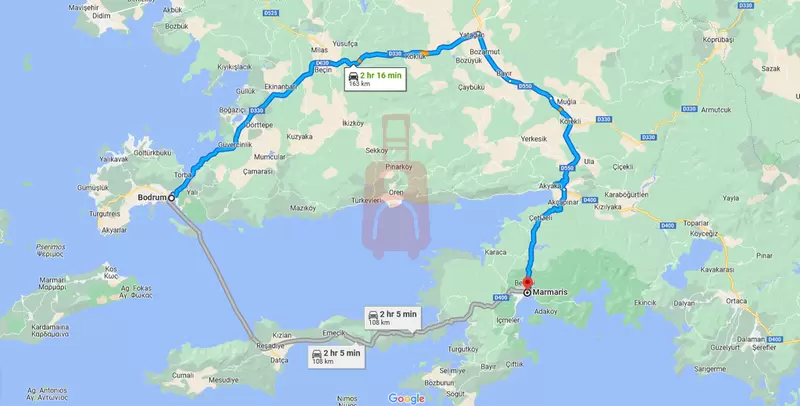
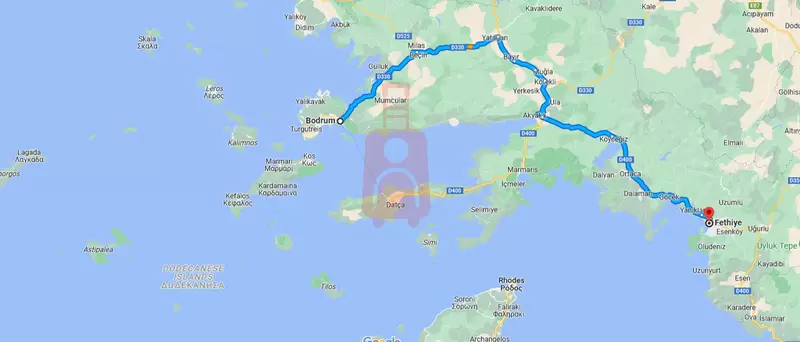
While exploring GIPs, visitors can also enjoy various water sports along Turkey's stunning coastlines. Regions like Bodrum and Fethiye offer activities such as sailing, snorkeling, and diving, providing a perfect blend of culinary exploration and adventure. The clear waters of the Aegean and Mediterranean seas enhance the experience, making it a great way to relax after tasting local delicacies.
Nearby Attractions
Many GIP areas are near significant historical and natural attractions. For example, while in Gaziantep for its pistachios, visitors can explore the ancient city of Zeugma and its stunning mosaics. In the Aegean region, travelers can visit the ancient ruins of Ephesus and enjoy the beautiful beaches of Çeşme. Each location offers a unique backdrop that enriches the experience of discovering local products.
Accessibility
Turkey is well-connected with a network of roads, domestic flights, and public transport, making it easy to access regions known for their GIPs. Major cities like Istanbul, Izmir, and Antalya serve as gateways to various GIP locations, with frequent bus and train services available to reach smaller towns and rural areas.
Best Time to Visit
The best time to explore Turkey's Geographically Indicated Products is during the spring (April to June) and autumn (September to November) months. During these seasons, temperatures range from 15°C to 25°C, providing a pleasant climate for outdoor activities and market visits. Additionally, these periods coincide with harvest times for many local products, allowing visitors to experience the freshness of seasonal offerings.
In summary, Turkey's Geographically Indicated Products offer a rich tapestry of flavors and traditions that reflect the country's diverse heritage. From vibrant local markets to stunning landscapes and exciting water sports, each region provides a unique experience for travelers eager to explore Turkey's culinary treasures.
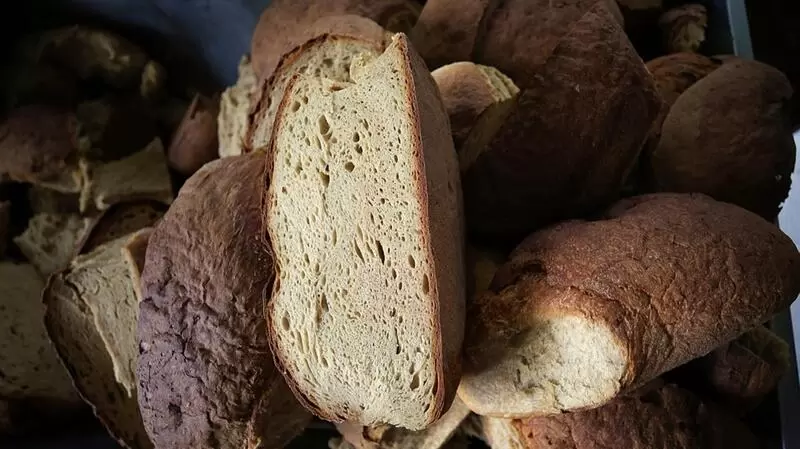
Gumushane Bread is a traditional bread from Gumushane, made with wheat flour, water, fresh yeast, and a sourdough starter. Baked in stone ovens crafted by local artisans and fueled with wood from pine, fir, or oak, it develops a thick crust and a soft, aromatic interior. Its slow baking process ensures a long shelf life, retaining moisture and flavor while resisting staleness. The bread's rich taste comes from its natural ingredients and the smoky essence of the wood-fired ovens. Weighing between 2 to 5 kilograms, this hearty bread is a staple of the region’s culinary heritage and a must-try for its unique flavor and quality.
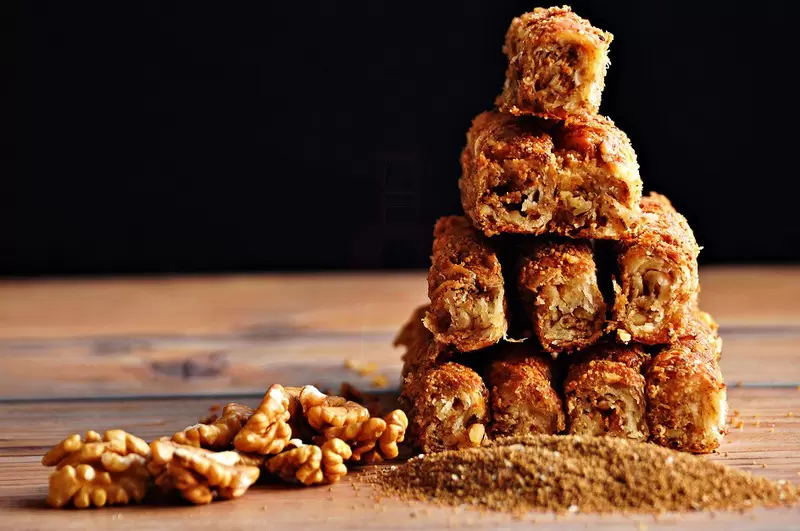
Amasya Bun with Burmese Flavor is a traditional pastry from Amasya, made with a dough of wheat flour, water, salt, dry yeast, and fermented chickpea water. The dough is rolled thin, layered with a filling of olive oil, poppy seed paste, and crushed walnuts, then twisted into a spiral shape before baking. This unique pastry combines rich, nutty flavors with a soft, flaky texture. The use of fermented chickpea water as a natural leavening agent adds to its distinctive taste and cultural significance. First produced in 1925, it remains a cherished symbol of Amasya’s culinary heritage and artisanal baking traditions.
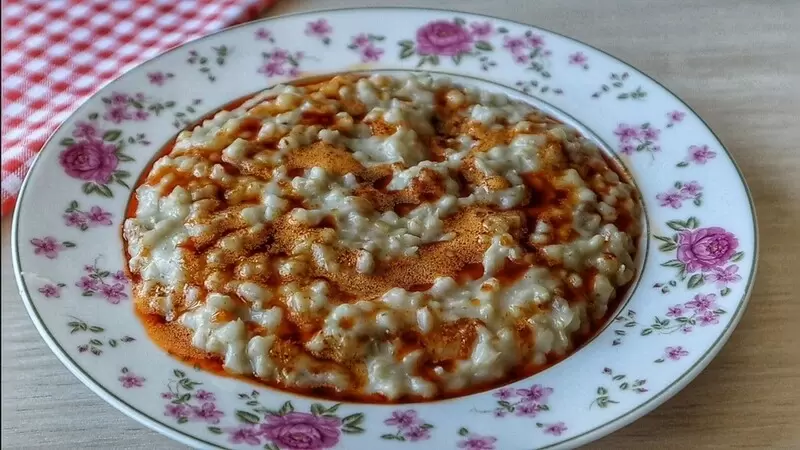
Amasya Keskek is a traditional dish made with keşkek wheat, mutton, beef bone marrow, sheep tail fat, chickpeas, fenugreek, salt, and water. Cooked in an earthenware pot called a "cab" in a wood-fired stone oven for at least 12 hours, this dish is known for its rich flavors and unique texture. Unlike other versions, the ingredients remain whole during cooking, making them distinct in the final dish. While traditionally served plain, an optional sauce made with tomato paste and the dish's excess fat can be added. Amasya Keskek is a cornerstone of local culinary culture, often served at weddings and special occasions, reflecting the deep-rooted traditions of the region.
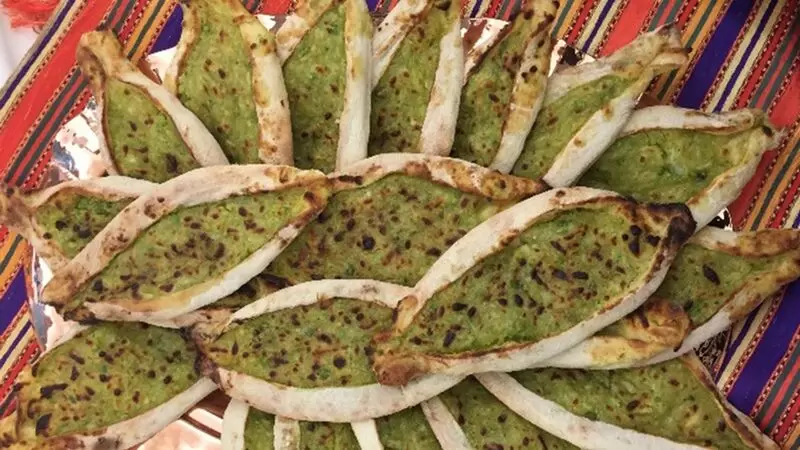
Gaziantep Sugared Cheese Pastry is a traditional delicacy from Gaziantep, known for its unique combination of cheese and sugar. This pastry features a rich filling made with finely chopped or grated cheese, butter, sugar, and eggs, sometimes enhanced with Antep pistachios. The filling is placed between layers of dough and baked until golden brown, creating a perfect balance of sweet and savory flavors. Served warm or at room temperature, this artisanal pastry showcases the culinary expertise and rich traditions of Gaziantep. It is a must-try for visitors seeking an authentic taste of the region’s unique flavors.
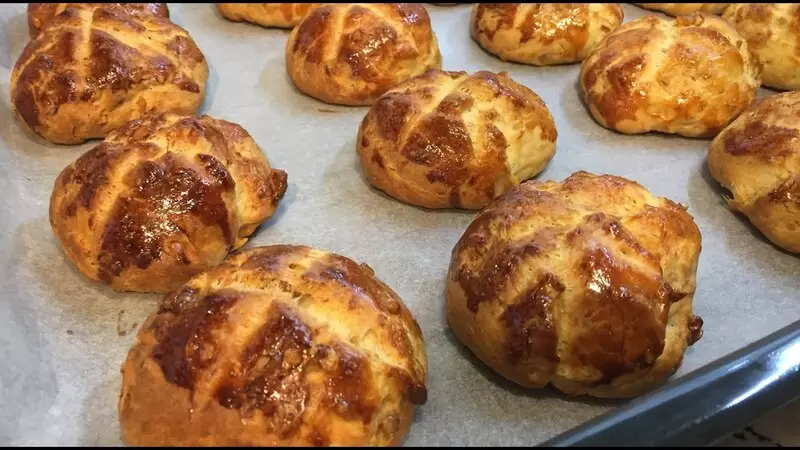
Amasya Bun is a traditional pastry from Amasya made with wheat flour, butter, walnuts, salt, and fermented chickpea water as a natural yeast. Shaped into palm-sized half-moons, its preparation involves a two-stage baking process. The dough is scored and partially baked, then brushed with a mixture of oil, sugar, and egg yolk before being baked again to achieve a golden, glossy finish. Known for its rich, nutty flavor and soft texture, Amasya Bun is a symbol of the region’s culinary heritage. Its unique fermentation method and artisanal preparation make it a must-try delicacy for visitors exploring local flavors.
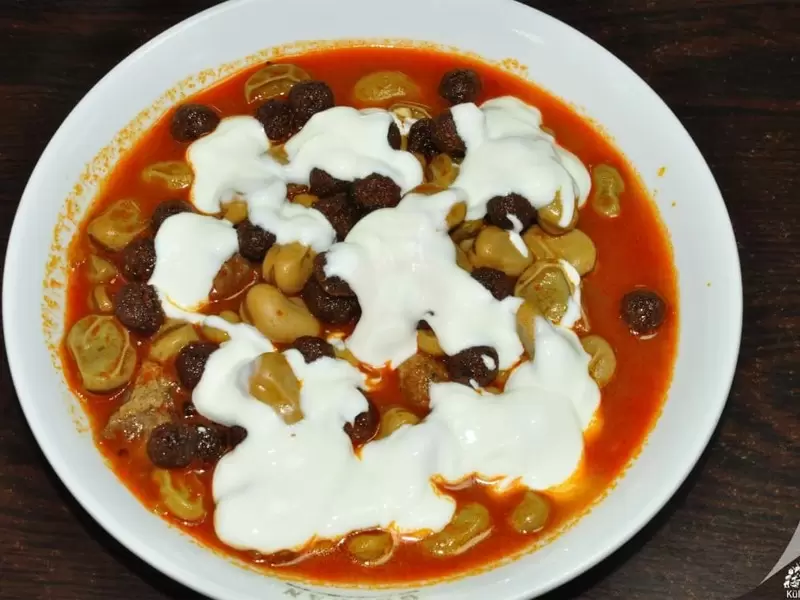
Şanlıurfa Keme Borani is a traditional dish from Şanlıurfa, made with fine bulgur, locally harvested keme mushrooms, lamb meat from the Ivesi breed, Şanlıurfa Biberi, and Şanlıurfa Sadeyağı. Keme mushrooms, found naturally in sandy soils, add a unique earthy flavor to the dish. The recipe features small bulgur balls cooked with a rich stew of keme mushrooms and lamb, topped with garlicky yogurt for a creamy contrast. This seasonal delicacy is available only during the spring when keme mushrooms are fresh, reflecting the region’s culinary traditions. Şanlıurfa Keme Borani showcases local flavors and centuries-old cooking techniques, offering a true taste of Şanlıurfa’s gastronomic heritage.
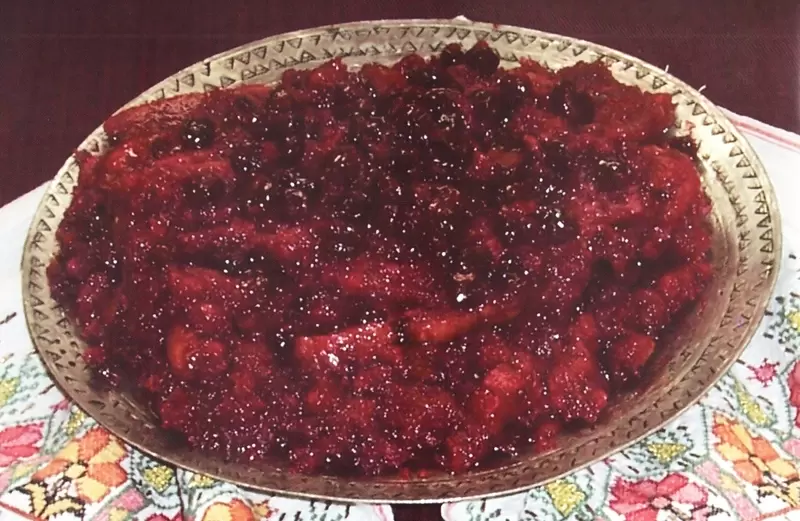
Konya Cherry Tiridi is a traditional dessert from Konya, combining crispy fried bread with a tangy cherry syrup. Made by frying slices of bread in butter or clarified butter until golden, it is topped with a syrup prepared from sour cherries, sugar, and water. The syrup is poured over the bread while warm, allowing it to soak in the flavors. Once cooled, it is often served with a dollop of fresh clotted cream for added richness. Known for its unique balance of tangy and sweet flavors, Konya Cherry Tiridi is a cherished part of Konya’s culinary heritage, reflecting the region’s traditional cooking methods and local ingredients. A must-try for visitors seeking authentic regional desserts.
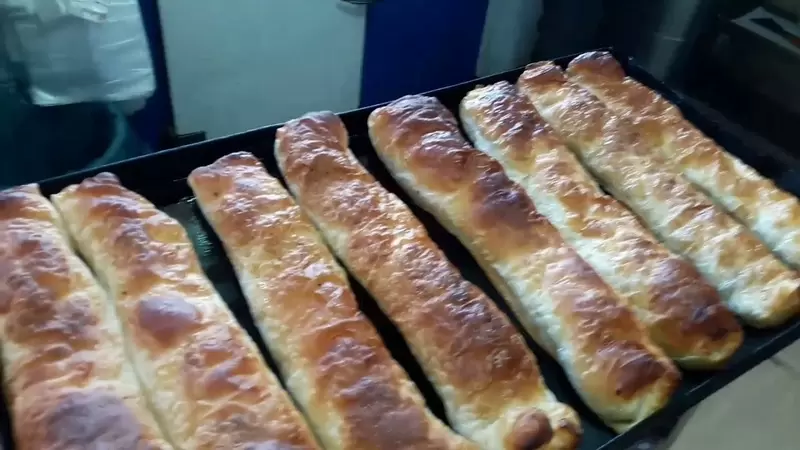
Adana Kol Borek is a traditional pastry from Adana, known for its unique preparation methods and rich flavors. Made with thinly rolled dough, the pastry is folded and layered using a special technique that gives it its distinct texture. It comes in two varieties, stuffed with either minced meat or fresh white cheese. The minced meat filling is prepared using high-quality beef, typically from rib, flank, or leg cuts, combined with red onion. The cheese filling uses only full-fat fresh white cheese. Minimal seasoning, using just a touch of salt, highlights the natural flavors of the ingredients. Served in portions of 10-12 cm wide and 30-35 cm long, it is traditionally accompanied by spicy pickled peppers. Adana Kol Borek reflects the region's culinary heritage and artisanal craftsmanship passed down through generations.