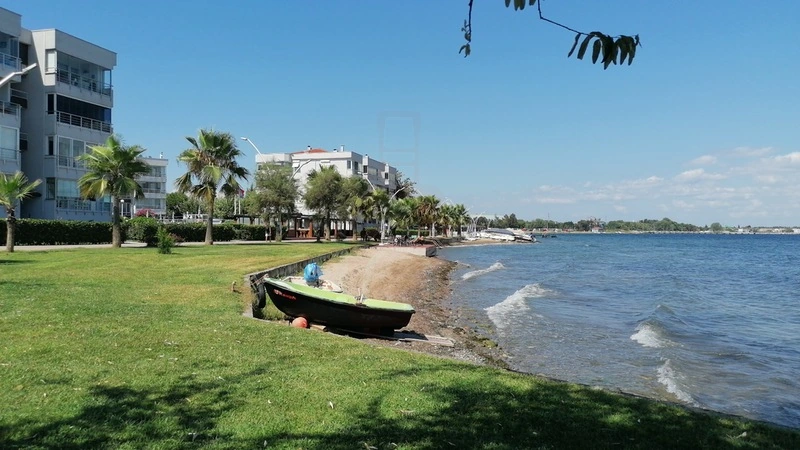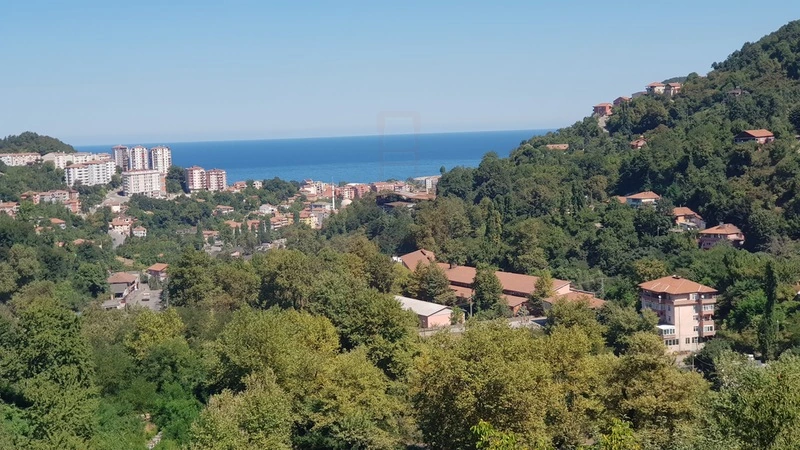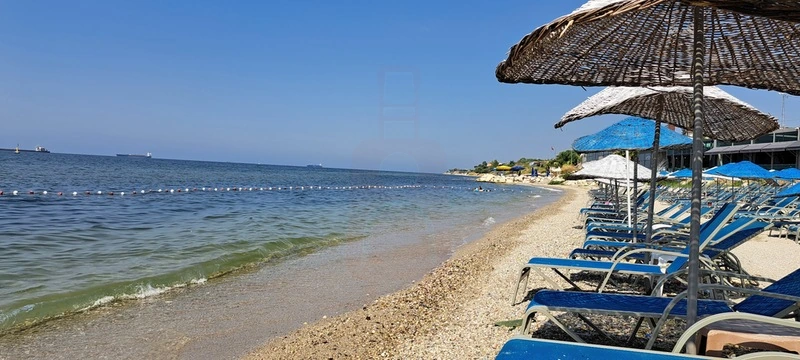
Most Popular 10 Beaches in Beylikdüzü
21-01-2025 00:10
Geographically Indicated Products (GIPs) are unique goods that derive their quality and reputation from specific geographical origins. In Turkey, these products reflect the rich agricultural heritage and diverse local traditions. Notable examples include Turkish olives, famed for their distinct flavors, and the renowned Antep pistachios, prized for their quality. Other GIPs include various cheeses, such as Çamlıhemşin and Ezine, alongside traditional crafts like Turkish carpets. Visitors can explore local markets and artisanal shops to experience authentic tastes and craftsmanship. Sampling these products not only supports local economies but also offers a deeper understanding of the region's culture and culinary heritage.
Geographically Indicated Products in Turkey
Turkey is home to a rich array of Geographically Indicated Products (GIPs) that reflect its diverse regions and cultural heritage. These products are not only celebrated for their unique qualities but also for the traditions behind their production. Exploring these GIPs offers a fascinating journey through Turkey's landscapes and local customs.
Location and Notable GIPs
Turkey's diverse geography contributes to its wide variety of GIPs. Regions such as Aegean, Marmara, and Southeastern Anatolia are particularly known for their specialty products. For instance, the Aegean region is famous for its olive oils, especially from Ayvalık, while Gaziantep is renowned for its pistachios and baklava. The unique terroir of each area imparts distinct flavors and qualities to these products.
Facilities and Local Markets
Visitors can find numerous facilities dedicated to the production and sale of GIPs. Local markets, such as the Grand Bazaar in Istanbul and the local bazaars in Gaziantep, offer a vibrant atmosphere where travelers can sample and purchase authentic products. Many regions also have farms and workshops where tourists can engage in hands-on experiences, such as olive oil tasting or pottery making.
Water Sports Opportunities
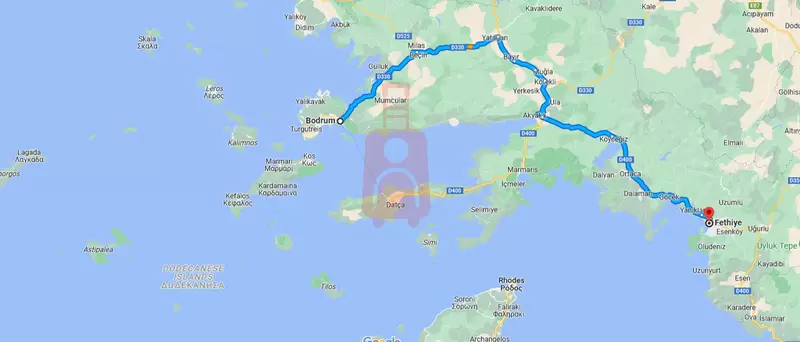
While exploring GIPs, visitors can also enjoy various water sports along Turkey's stunning coastlines. Regions like Bodrum and Fethiye offer activities such as sailing, snorkeling, and diving, providing a perfect blend of culinary exploration and adventure. The clear waters of the Aegean and Mediterranean seas enhance the experience, making it a great way to relax after tasting local delicacies.
Nearby Attractions
Many GIP areas are near significant historical and natural attractions. For example, while in Gaziantep for its pistachios, visitors can explore the ancient city of Zeugma and its stunning mosaics. In the Aegean region, travelers can visit the ancient ruins of Ephesus and enjoy the beautiful beaches of Çeşme. Each location offers a unique backdrop that enriches the experience of discovering local products.
Accessibility
Turkey is well-connected with a network of roads, domestic flights, and public transport, making it easy to access regions known for their GIPs. Major cities like Istanbul, Izmir, and Antalya serve as gateways to various GIP locations, with frequent bus and train services available to reach smaller towns and rural areas.
Best Time to Visit
The best time to explore Turkey's Geographically Indicated Products is during the spring (April to June) and autumn (September to November) months. During these seasons, temperatures range from 15°C to 25°C, providing a pleasant climate for outdoor activities and market visits. Additionally, these periods coincide with harvest times for many local products, allowing visitors to experience the freshness of seasonal offerings.
In summary, Turkey's Geographically Indicated Products offer a rich tapestry of flavors and traditions that reflect the country's diverse heritage. From vibrant local markets to stunning landscapes and exciting water sports, each region provides a unique experience for travelers eager to explore Turkey's culinary treasures.
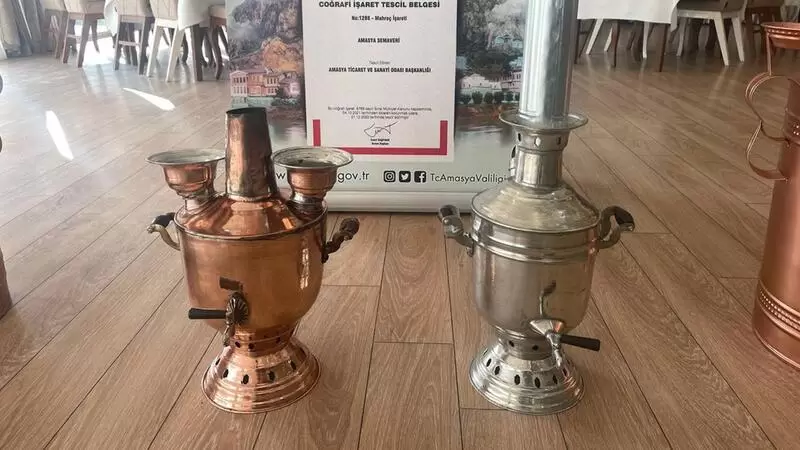
Amasya Samovar is a handcrafted tea brewing vessel made in Amasya, featuring either copper or tinplate materials with a thickness of 0.40 mm or 0.60 mm. It is traditionally crafted for household use, measuring approximately 50 cm in height with a capacity of 4.5-5 liters or 35 cm in height with a 1.5-2.5 liter capacity. Its unique design includes three main sections: supportive legs, a cylindrical body with a water reservoir, and a top platform known as the "demkeş" for holding a teapot. Known for its intricate craftsmanship, the samovar is equipped with features like a portable chimney, optional steam vent, and water-dispensing spout. Celebrated as a cultural icon, the Amasya Samovar embodies the region’s rich culinary traditions and craftsmanship heritage.
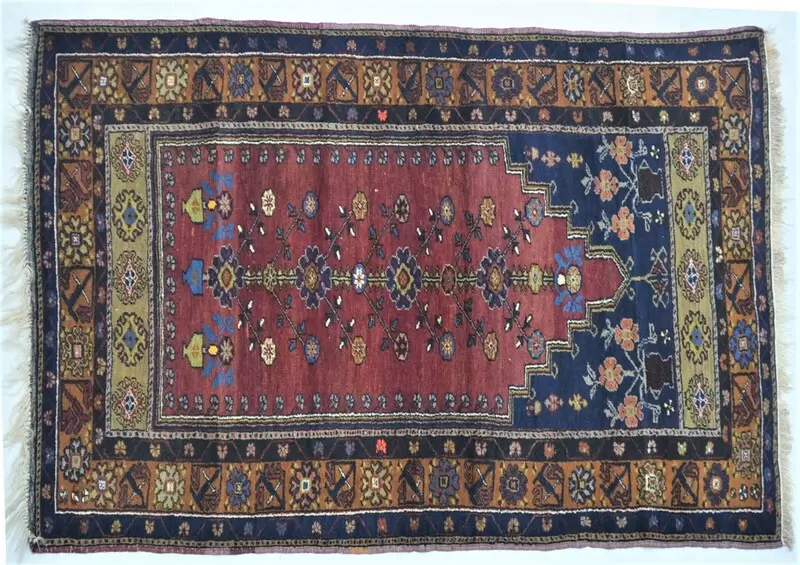
Yahyalı Handmade Carpet is a traditional craft from Kayseri's Yahyalı district with a history of approximately 250 years. Known for its vibrant red, navy, and brown tones, these carpets feature intricate geometric and stylized floral motifs. Woven entirely from wool, the material is sourced from sheep grazing in the Toros Mountains, ensuring durability and a glossy finish. Natural dyes derived from the region's diverse flora enhance the carpets’ rich colors. Yahyalı carpets are characterized by their unique corner-and-center pattern layout and borders adorned with scenic motifs. Reflecting the district's cultural heritage and craftsmanship, these carpets symbolize a deep connection between nature, tradition, and artistry.
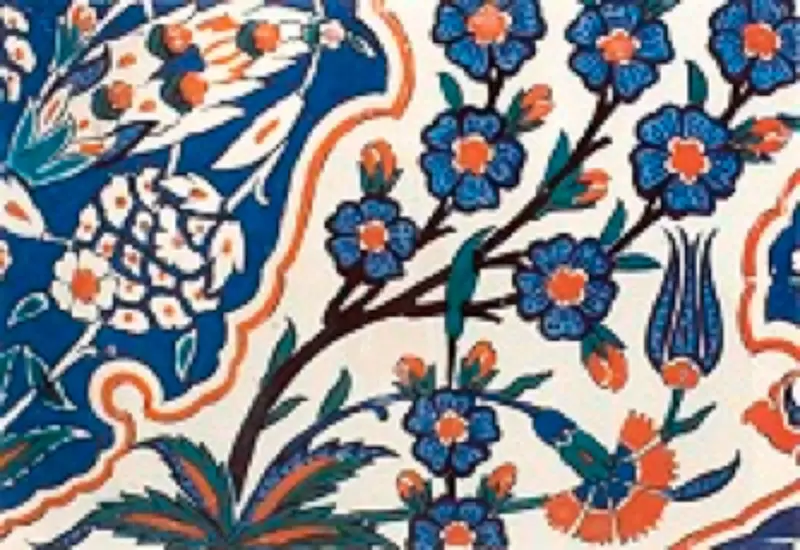
Iznik Tile is a renowned traditional ceramic art originating from the town of Iznik, Turkey. Characterized by its bright white base, vivid colors, and intricate hand-painted motifs, it features a unique blend of traditional and symbolic designs inspired by nature and cultural heritage. Made with a high percentage of quartz, Iznik Tiles are remarkably durable, resistant to climate changes, and known for their glossy, non-porous surface, which prevents moisture and bacterial growth. The use of vibrant colors like cobalt blue, coral red, and turquoise under a transparent glaze creates a mesmerizing brilliance. Iznik Tiles are used in both decorative art and architectural applications, symbolizing Turkey's rich artistic legacy.

Fethiye Rock Carpet, also known as Fethiye Kayaköy Carpet, is a traditional handwoven product originating from Fethiye, known for its unique designs inspired by the region's rich cultural and historical heritage. These carpets are crafted using natural wool and dyed with vibrant colors derived from local plants, ensuring sustainability and authenticity. Renowned for their intricate geometric patterns and durable craftsmanship, Fethiye Carpets reflect the artistic spirit of the local community. They are not only a symbol of the region’s weaving tradition but also serve as a valuable cultural artifact, highly sought after for home décor and collectible purposes.
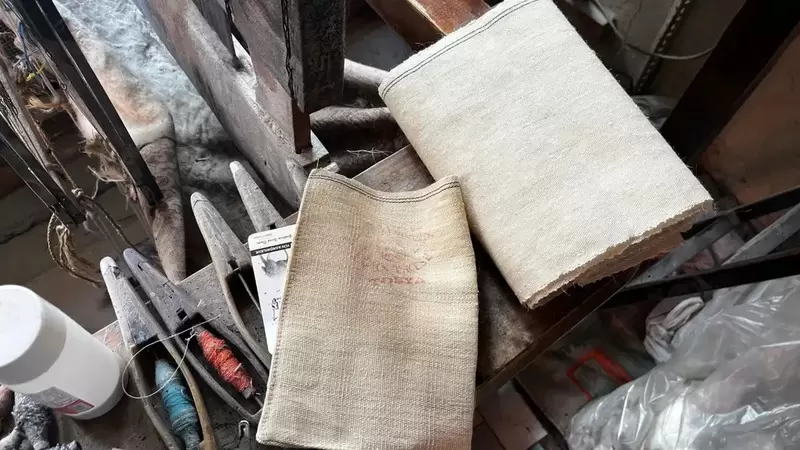
Tosya Kıl Telası is a unique textile product made using kamgarn wool yarn for the weft and cotton or polyester threads for the warp. Known for its strength and flexibility, it is primarily used in tailoring to give structure to collars and chest areas of jackets, coats, and overcoats. Rooted in Tosya’s traditional craftsmanship, this product is a modern extension of the district's historical expertise in weaving and mutaflık, the craft of processing goat hair. The tela’s precise weaving ensures durability and reliability, maintaining its shape and form over time. Tosya Kıl Telası represents a blend of functional utility and traditional artistry, reflecting the region’s rich textile heritage.
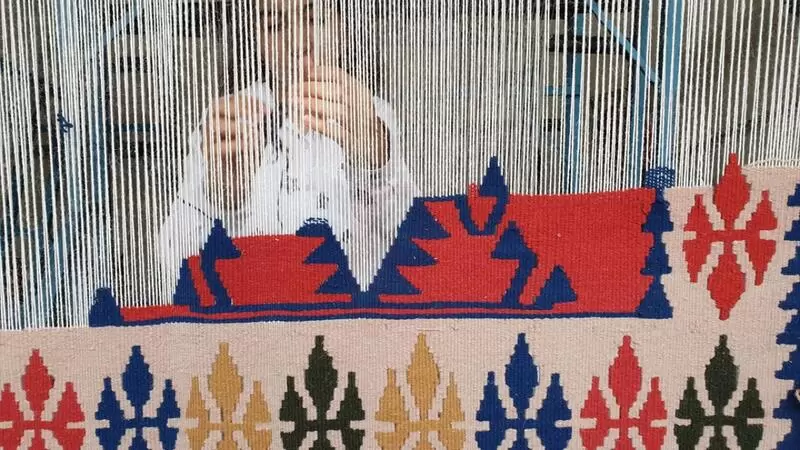
Karatepe Kilim is a traditional handwoven textile from Karatepe Village in Kadirli, rooted in history dating back to the 8th century BC. Made entirely from wool dyed with natural pigments derived from plants like pomegranate peel and walnut leaves, these kilims showcase vibrant geometric patterns and motifs inspired by Anatolian Turkish tribes and local culture. Featuring designs such as stars, staircases, and nature-themed symbols, they are crafted with precise weaving techniques that make them durable, double-sided, and resistant to dust. Karatepe Kilims are cherished for their cultural significance and versatility, serving as rugs, decorative pieces, or functional textiles in homes worldwide.

Gaziantep Oğuzeli Pomegranate is a distinctive variety known for its deep red color, vibrant taste, and high juice content. Cultivated in the fertile lands of Gaziantep's Oğuzeli district, this pomegranate stands out with its perfectly balanced sweet and sour flavor. The region's unique climate and soil conditions contribute to its rich aroma, dense seeds, and long shelf life. Often enjoyed fresh or used to produce pomegranate syrup and juice, it is a staple in local cuisine and highly sought after for its nutritional value. Gaziantep Oğuzeli Pomegranate exemplifies the perfect harmony of nature and tradition, making it a prized product both locally and internationally.

Malatya Dal Basti Cherry is a premium variety known for its large, heart-shaped fruits and dark red to black color when ripe. Grown in the cool, mountainous regions of Malatya, these cherries are celebrated for their juicy, flavorful flesh and high-quality production. The trees are robust and long-lived, providing consistent yields for up to 50 years. With a balanced sweetness and mild acidity, Malatya Dal Basti Cherry is ideal for fresh consumption and juice production. The region's unique climate and soil ensure exceptional taste and texture, making this cherry a sought-after choice in both local and international markets.