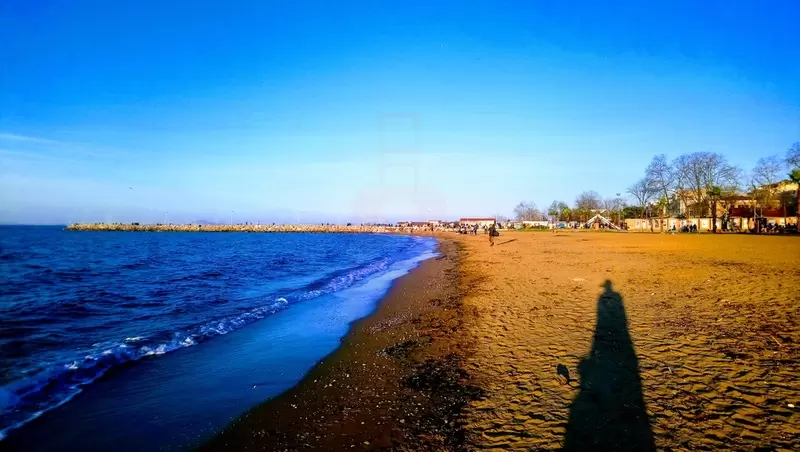
Most Popular 10 Beaches in Beylikdüzü
21-01-2025 00:10
Discover the captivating underground world of Eastern Anatolia. Explore stunning cave formations and ancient geological sites across this unique region of Turke
Buzluk Cave is located in the Ağrı Province of Turkey, about 50 kilometers from the city of Ağrı. The cave is accessible by car or public transportation. By car, take the D950 highway from Ağrı to Doğubeyazıt. After about 30 kilometers, turn left onto the D280 highway. Follow the…
Zağ Mağaraları is situated in the province of Bingöl, which is located in eastern Turkey. The caves are nestled within the picturesque landscape of Bingöl's mountainous region. The most convenient way to reach Zağ Mağaraları is by private vehicle or taxi. From Bingöl city center,…
Kalkanlı Cave, located in Bingöl, is a captivating natural wonder that attracts visitors from near and far. Nestled amidst the picturesque landscapes of eastern Turkey, this cave offers a journey into the depths of the earth, providing a unique and awe-inspiring experience for ad…
Welcome to Buzluk Cave in Elazığ! Located in the eastern part of Turkey, Buzluk Cave is a fascinating natural wonder that offers a unique experience for visitors. Buzluk Cave, also known as Buzluk Mağarası in Turkish, is renowned for its mesmerizing ice formations that can be fou…
Eastern Anatolia, a region renowned for its rugged landscapes and rich history, also harbors a fascinating subterranean world awaiting exploration: its diverse cave systems. These natural formations are not merely geological curiosities but living tapestries woven over millennia, showcasing the powerful forces that have shaped Turkey's eastern frontier. From vast chambers adorned with intricate speleothems to ancient grottoes whispering tales of early human habitation, the caves here offer a unique perspective on the region's natural heritage and geological evolution. Visitors can expect to encounter an atmosphere of profound tranquility and awe, far removed from the bustling world above.
Exploring the caves of Eastern Anatolia typically involves journeying into environments where natural artistry takes center stage. Stalactites, stalagmites, columns, and flowstones, sculpted by water and mineral deposits over countless years, create breathtaking spectacles of form and light. Some caves feature well-maintained pathways and lighting, providing accessible experiences for a wide range of visitors, while others are more remote, catering to those seeking a more adventurous and untouched caving experience. These subterranean wonders often reveal unique ecosystems, home to specialized flora and fauna adapted to life without sunlight. It is advisable to research the specific access conditions for any cave you plan to visit.
The optimal time to visit these underground attractions often aligns with the milder months of late spring, summer, and early autumn, when surface temperatures are comfortable for travel and access roads are generally clear. Inside the caves, temperatures remain relatively constant throughout the year, offering a cool respite from summer heat or a sheltered environment during cooler periods. Practical considerations for visitors include wearing sturdy, non-slip footwear and dressing in layers, as cave environments can be damp and cool. For safety and a richer understanding of the geological and historical context, engaging with local guides or joining organized tours is highly recommended, especially for less developed sites.
A journey into Eastern Anatolia's caves is more than just sightseeing; it's an immersive encounter with the Earth's ancient processes and an opportunity to witness natural beauty shaped by time itself. Each cave presents its own distinct character and allure, promising memorable experiences whether you are a casual explorer or a seasoned speleologist. These s contribute significantly to the region's appeal as a destination for natural discovery and adventure.