Most Popular 10 Beaches in Beylikdüzü
21-01-2025 00:10
Geographically Indicated Products (GIPs) are unique goods that derive their quality and reputation from specific geographical origins. In Turkey, these products reflect the rich agricultural heritage and diverse local traditions. Notable examples include Turkish olives, famed for their distinct flavors, and the renowned Antep pistachios, prized for their quality. Other GIPs include various cheeses, such as Çamlıhemşin and Ezine, alongside traditional crafts like Turkish carpets. Visitors can explore local markets and artisanal shops to experience authentic tastes and craftsmanship. Sampling these products not only supports local economies but also offers a deeper understanding of the region's culture and culinary heritage.
Geographically Indicated Products in Turkey
Turkey is home to a rich array of Geographically Indicated Products (GIPs) that reflect its diverse regions and cultural heritage. These products are not only celebrated for their unique qualities but also for the traditions behind their production. Exploring these GIPs offers a fascinating journey through Turkey's landscapes and local customs.
Location and Notable GIPs
Turkey's diverse geography contributes to its wide variety of GIPs. Regions such as Aegean, Marmara, and Southeastern Anatolia are particularly known for their specialty products. For instance, the Aegean region is famous for its olive oils, especially from Ayvalık, while Gaziantep is renowned for its pistachios and baklava. The unique terroir of each area imparts distinct flavors and qualities to these products.
Facilities and Local Markets
Visitors can find numerous facilities dedicated to the production and sale of GIPs. Local markets, such as the Grand Bazaar in Istanbul and the local bazaars in Gaziantep, offer a vibrant atmosphere where travelers can sample and purchase authentic products. Many regions also have farms and workshops where tourists can engage in hands-on experiences, such as olive oil tasting or pottery making.
Water Sports Opportunities
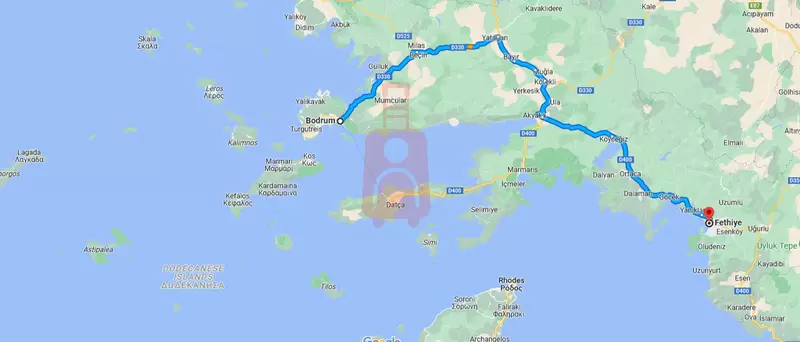
While exploring GIPs, visitors can also enjoy various water sports along Turkey's stunning coastlines. Regions like Bodrum and Fethiye offer activities such as sailing, snorkeling, and diving, providing a perfect blend of culinary exploration and adventure. The clear waters of the Aegean and Mediterranean seas enhance the experience, making it a great way to relax after tasting local delicacies.
Nearby Attractions
Many GIP areas are near significant historical and natural attractions. For example, while in Gaziantep for its pistachios, visitors can explore the ancient city of Zeugma and its stunning mosaics. In the Aegean region, travelers can visit the ancient ruins of Ephesus and enjoy the beautiful beaches of Çeşme. Each location offers a unique backdrop that enriches the experience of discovering local products.
Accessibility
Turkey is well-connected with a network of roads, domestic flights, and public transport, making it easy to access regions known for their GIPs. Major cities like Istanbul, Izmir, and Antalya serve as gateways to various GIP locations, with frequent bus and train services available to reach smaller towns and rural areas.
Best Time to Visit
The best time to explore Turkey's Geographically Indicated Products is during the spring (April to June) and autumn (September to November) months. During these seasons, temperatures range from 15°C to 25°C, providing a pleasant climate for outdoor activities and market visits. Additionally, these periods coincide with harvest times for many local products, allowing visitors to experience the freshness of seasonal offerings.
In summary, Turkey's Geographically Indicated Products offer a rich tapestry of flavors and traditions that reflect the country's diverse heritage. From vibrant local markets to stunning landscapes and exciting water sports, each region provides a unique experience for travelers eager to explore Turkey's culinary treasures.
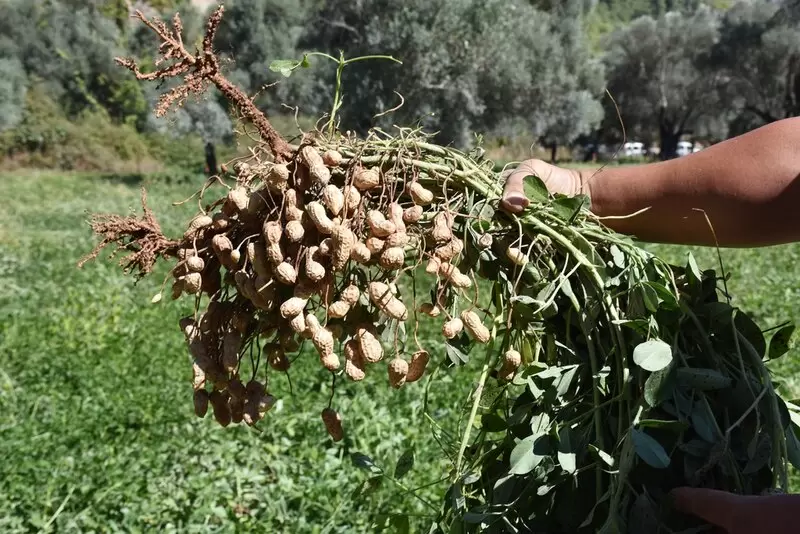
Marmaris Peanut, a geographically indicated product, is renowned for its large, pink-toned seeds and rich flavor. Grown in the warm Mediterranean climate of Marmaris, it thrives in well-drained, sandy-loamy soils that enhance its quality and size. This versatile crop is consumed as raw, shelled peanuts or roasted for snacks and is notable for its high oil content of 50-60 percent. The peanut plant develops its fruits underground, with each shell containing 1 to 3 seeds, sometimes up to 6. Marmaris’s climate and soil conditions ensure optimal growth and drying, making this peanut a flavorful and nutritious addition to local cuisine.
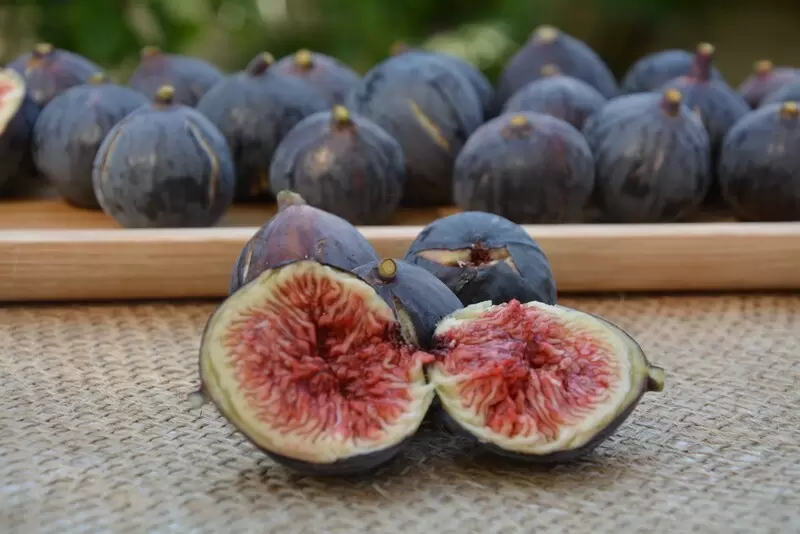
Fethiye Rock Fig, a geographically indicated product, is renowned for its black skin, small size, red interior, and exceptional sweetness. Grown in the Mediterranean climate of Fethiye, it thrives in warm, dry summers and mild winters, with ideal conditions for both fresh and dried varieties. Harvested in August and September, the figs are often dried naturally on the tree or undergo a traditional process involving immersion in water boiled with myrtle branches and thyme leaves before final drying. Stored with myrtle leaves, the figs develop a unique aroma and preserve their quality. High in natural sugars, Fethiye Rock Fig is a delicious representation of the region's agricultural heritage.

Kastamonu Einkorn Flour is a geographically indicated product made from Kastamonu Einkorn Wheat, a resilient crop adapted to poor soil and drought conditions. This ancient grain, registered under geographical indication, features single-grain spikelets and a bran layer that adheres closely to the grain, preserving its natural nutrients. The wheat is harvested, cleaned, dehusked, washed, and sun-dried to maintain its golden color before being traditionally milled in stone mills. This process preserves its unique flavor, texture, and nutritional content. Deeply tied to the Kastamonu region’s heritage, Kastamonu Einkorn Flour is a cornerstone of traditional Turkish cuisine, prized for its quality and authenticity.
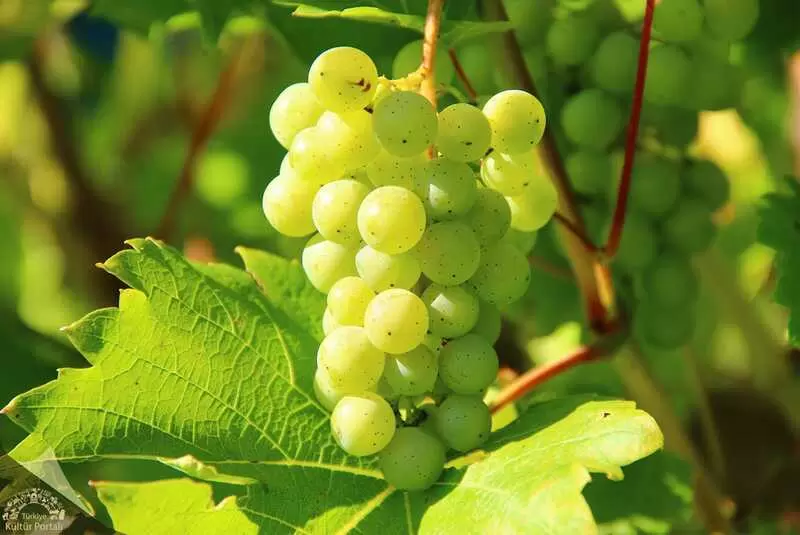
Tarsus White Grape, also known as Topacık, is a geographically indicated product prized for its unique characteristics and high sugar content. Its medium-sized, spherical berries have a pale yellow-green hue, moderately thick skin, and juicy, sweet flesh with soft seeds. While its leaves are not typically used for pickling, the grapes are ideal for molasses production and molasses-based products. The vine is robust and productive, yielding large, loosely packed clusters with a conical or pyramidal shape. Sensitive to extreme heat, the grapes have a shorter shelf life when fully ripened, with berries detaching easily from the cluster as they mature.

Köyceğiz Orange, a unique variety of Washington Navel, thrives in the Köyceğiz region thanks to its distinctive climate and soil conditions. The area experiences a Mediterranean climate with cooler nights due to the proximity of the Sandıras Mountains, which significantly impact the fruit's quality. These temperature fluctuations during the ripening season enhance the sugar content and juice quality, giving the fruit its vibrant orange color. The region's abundant water resources and consistent dew on the orange trees contribute to the exceptional taste and aroma of Köyceğiz Orange, making it a sought-after geographically indicated product.
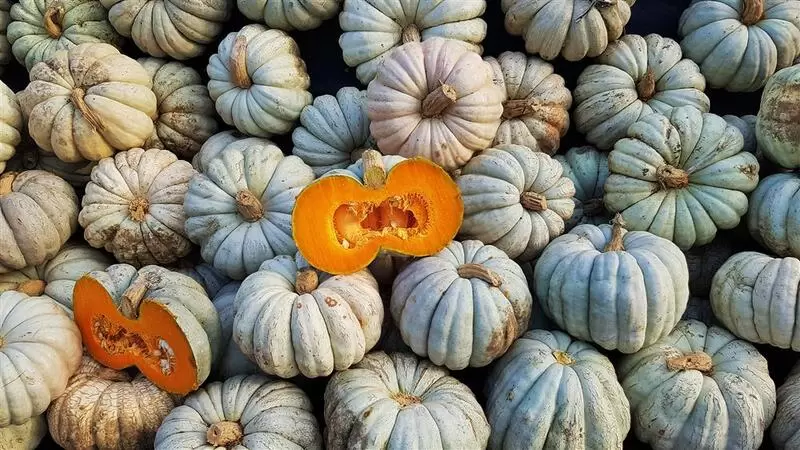
Duzce Chestnut Pumpkin is a unique variety of Cucurbita maxima, specifically the Arıcan 97 type, grown in the fertile soils of Duzce, Turkey. Known for its hard shell, deep orange flesh, and high dry matter content of 14-16%, this pumpkin thrives in the region’s humid climate and nutrient-rich alluvial soils without requiring irrigation. Its average weight ranges from 5 to 25 kilograms, and its thick skin enhances durability and shelf life, allowing storage for up to six months under optimal conditions. Renowned for its rich flavor and versatility, Duzce Chestnut Pumpkin reflects the region’s agricultural excellence and natural bounty.
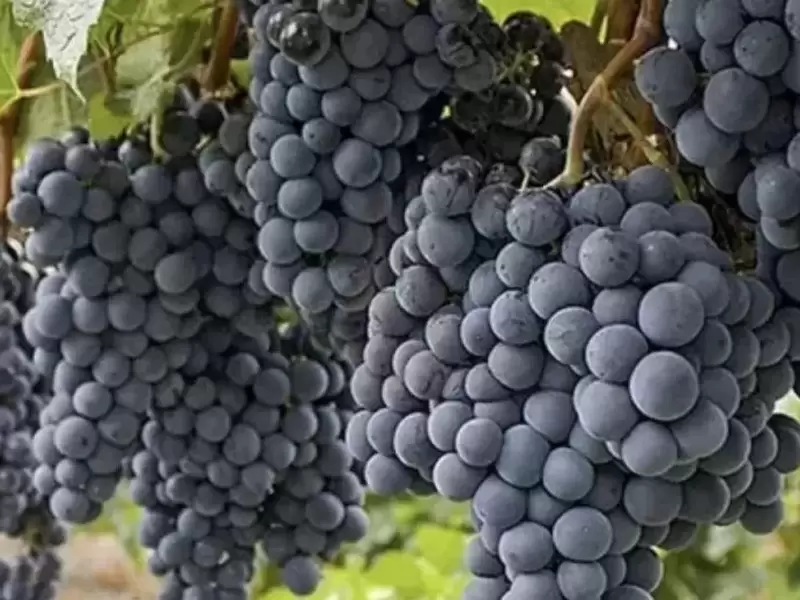
Elazig Ox-Eye Grape, locally known as Öküzgözü, is a large, juicy, and flavorful grape variety native to the Elazig region of Turkey. Its name reflects its impressive size, and it is celebrated for its unique taste, medium-thick skin, and high juice content. Perfectly adapted to the region’s soil and microclimate, created by surrounding mountains and rivers, this grape is ideal for winemaking and fresh consumption. Known for its vibrant color and balanced flavor, Elazig Ox-Eye Grape is an integral part of the local economy and a prized symbol of the region’s agricultural heritage.
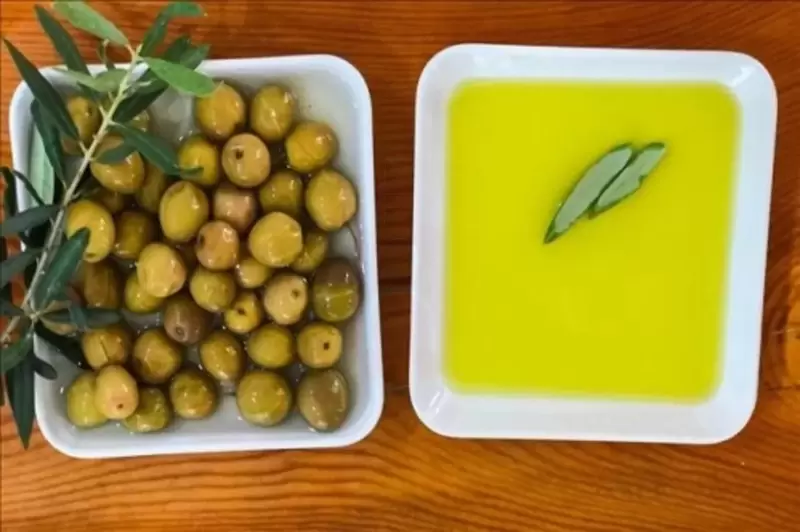
Antalya Rabbit Heart Olive is a unique green table olive variety grown in Antalya, Turkey, known for its heart-shaped fruit and kernel. This local olive stands out for its firm flesh, thin skin, and the ability to be processed without chemical treatments, unlike other varieties. Its firmness reduces damage during harvest, while its natural flavor and ease of separating the pit from the flesh make it highly valued. With strong, medium-sized trees and glossy, dark green leaves, the Antalya Rabbit Heart Olive reflects the region’s agricultural heritage and is a sought-after delicacy for olive lovers.