Most Popular 10 Beaches in Beylikdüzü
21-01-2025 00:10
Geographically Indicated Products (GIPs) are unique goods that derive their quality and reputation from specific geographical origins. In Turkey, these products reflect the rich agricultural heritage and diverse local traditions. Notable examples include Turkish olives, famed for their distinct flavors, and the renowned Antep pistachios, prized for their quality. Other GIPs include various cheeses, such as Çamlıhemşin and Ezine, alongside traditional crafts like Turkish carpets. Visitors can explore local markets and artisanal shops to experience authentic tastes and craftsmanship. Sampling these products not only supports local economies but also offers a deeper understanding of the region's culture and culinary heritage.
Geographically Indicated Products in Turkey
Turkey is home to a rich array of Geographically Indicated Products (GIPs) that reflect its diverse regions and cultural heritage. These products are not only celebrated for their unique qualities but also for the traditions behind their production. Exploring these GIPs offers a fascinating journey through Turkey's landscapes and local customs.
Location and Notable GIPs
Turkey's diverse geography contributes to its wide variety of GIPs. Regions such as Aegean, Marmara, and Southeastern Anatolia are particularly known for their specialty products. For instance, the Aegean region is famous for its olive oils, especially from Ayvalık, while Gaziantep is renowned for its pistachios and baklava. The unique terroir of each area imparts distinct flavors and qualities to these products.
Facilities and Local Markets
Visitors can find numerous facilities dedicated to the production and sale of GIPs. Local markets, such as the Grand Bazaar in Istanbul and the local bazaars in Gaziantep, offer a vibrant atmosphere where travelers can sample and purchase authentic products. Many regions also have farms and workshops where tourists can engage in hands-on experiences, such as olive oil tasting or pottery making.
Water Sports Opportunities
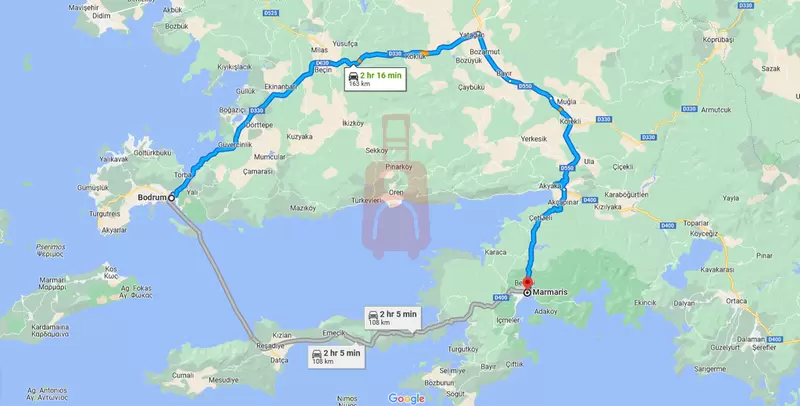
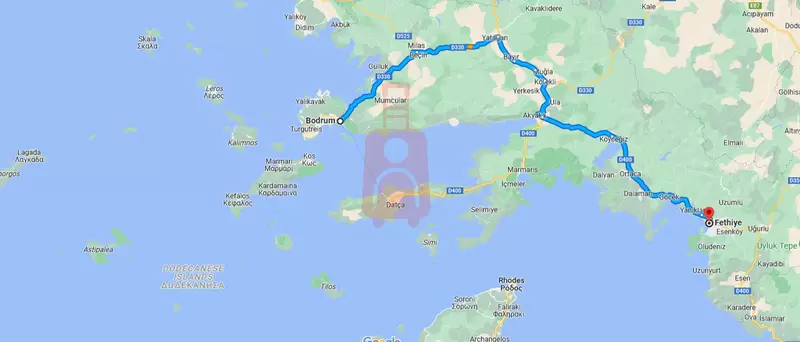
While exploring GIPs, visitors can also enjoy various water sports along Turkey's stunning coastlines. Regions like Bodrum and Fethiye offer activities such as sailing, snorkeling, and diving, providing a perfect blend of culinary exploration and adventure. The clear waters of the Aegean and Mediterranean seas enhance the experience, making it a great way to relax after tasting local delicacies.
Nearby Attractions
Many GIP areas are near significant historical and natural attractions. For example, while in Gaziantep for its pistachios, visitors can explore the ancient city of Zeugma and its stunning mosaics. In the Aegean region, travelers can visit the ancient ruins of Ephesus and enjoy the beautiful beaches of Çeşme. Each location offers a unique backdrop that enriches the experience of discovering local products.
Accessibility
Turkey is well-connected with a network of roads, domestic flights, and public transport, making it easy to access regions known for their GIPs. Major cities like Istanbul, Izmir, and Antalya serve as gateways to various GIP locations, with frequent bus and train services available to reach smaller towns and rural areas.
Best Time to Visit
The best time to explore Turkey's Geographically Indicated Products is during the spring (April to June) and autumn (September to November) months. During these seasons, temperatures range from 15°C to 25°C, providing a pleasant climate for outdoor activities and market visits. Additionally, these periods coincide with harvest times for many local products, allowing visitors to experience the freshness of seasonal offerings.
In summary, Turkey's Geographically Indicated Products offer a rich tapestry of flavors and traditions that reflect the country's diverse heritage. From vibrant local markets to stunning landscapes and exciting water sports, each region provides a unique experience for travelers eager to explore Turkey's culinary treasures.
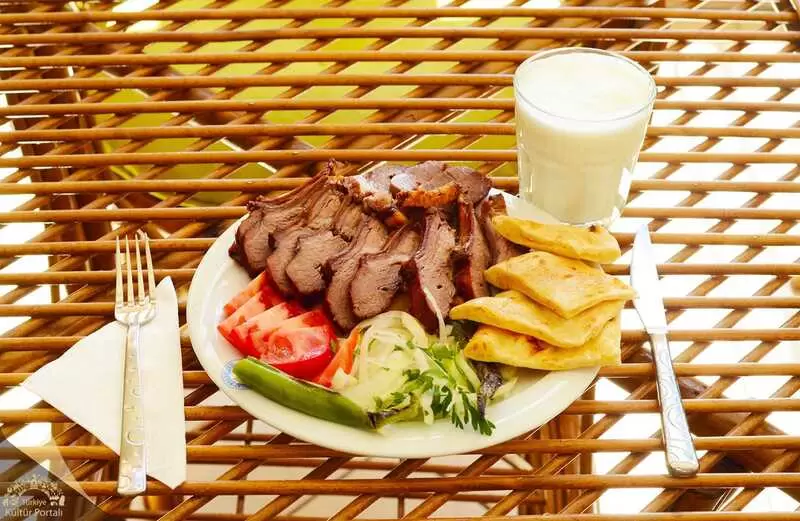
Yozgat Tandır Kebab is a traditional delicacy from Yozgat, made using lamb from naturally raised sheep in the Bozok Plateau. The meat is marinated with salt and left to rest for 24 hours before being slow-cooked on skewers in a specially crafted tandır oven, heated by smoldering oak wood. This unique oven, made from a mixture of fire clay and salt, retains heat to ensure the meat cooks evenly while its juices collect in a tray below, used to flavor flatbreads. The result is tender, flavorful lamb served with tomatoes, peppers, onions, and traditional bread, offering a true taste of Yozgat's culinary heritage.
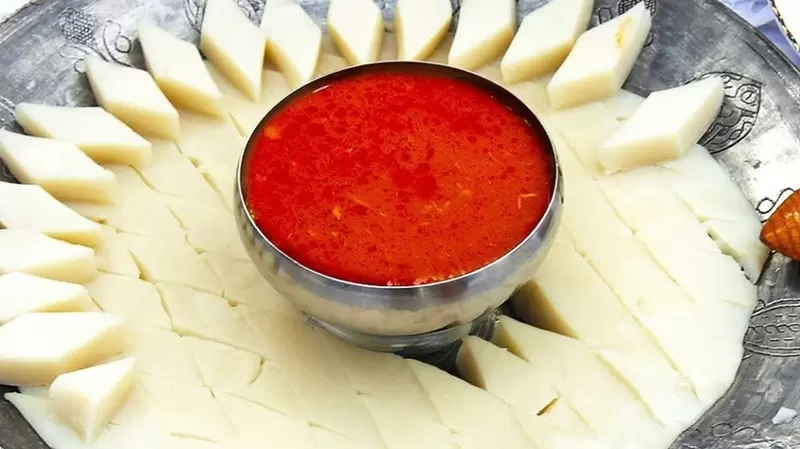
Yozgat Arabaşısı is a traditional dish from Yozgat, consisting of a flavorful soup and a unique dough served together. The soup, made with chicken, turkey, or goose raised in natural environments, is consumed alongside a specially prepared dough, which is swallowed without chewing. The dough is crafted from high-gluten flour and water, cooked to a smooth consistency, and cut into pieces. Yozgat Arabaşısı is deeply rooted in the region's culture, often enjoyed during the winter months as a comforting and communal dish. Its distinct preparation and consumption method set it apart as a remarkable representation of Yozgat's culinary heritage.
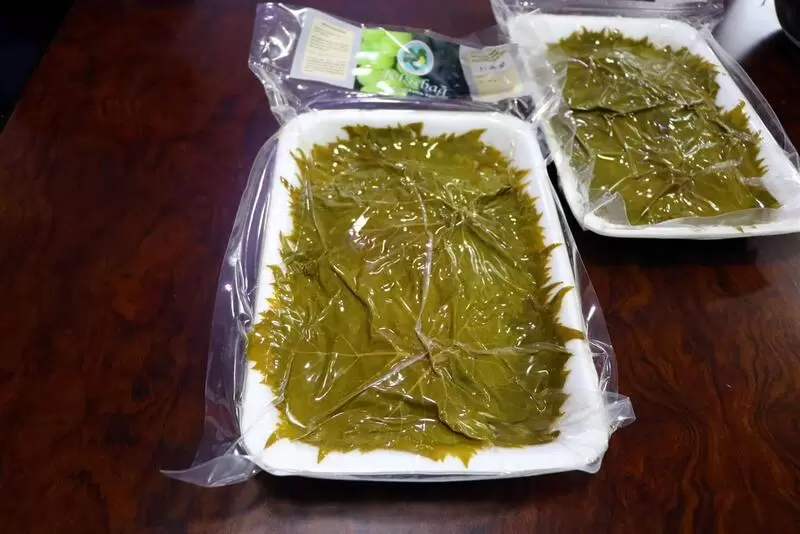
Tekirdağ Yapıncak Pickled Vine Leaves are a geographically indicated product made from the Yapıncak grape variety (*Vitis vinifera L.*) grown in Tekirdağ's unique soil and climate. These thin, delicate leaves, cultivated on south-facing slopes with sandy, clay-loam soils, are ideal for pickling due to their tender structure and smooth texture. Known for their soft chew and ability to enhance dishes like stuffed grape leaves, they are highly preferred in local cuisine, particularly for festive meals. When pickled, the leaves retain their attractive light green-yellow color and unique flavor, making them a standout ingredient in culinary traditions.
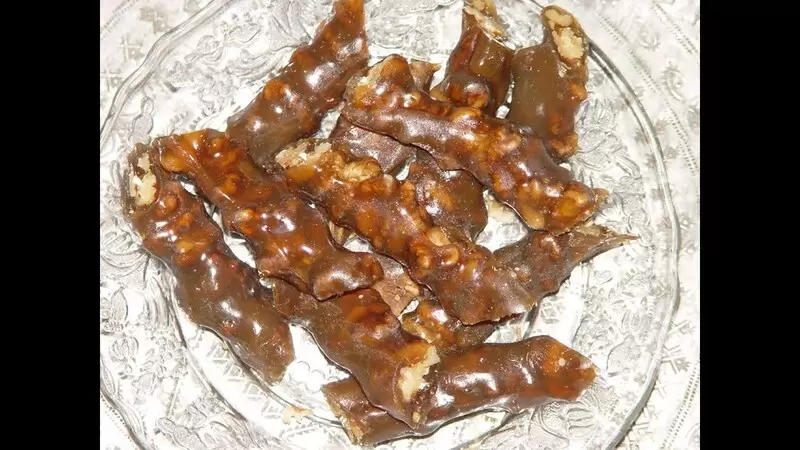
Tarsus Plateau Bandirma, also known as walnut sausage, is a traditional delicacy from Tarsus made using local ingredients like grape molasses from Tarsus White Grapes, walnuts grown in the Tarsus plateaus, water, and starch. Prepared without artificial additives or colorings, the process involves dipping strings of whole walnuts into a mixture of boiled molasses and starch, known locally as "Palıza." The coated walnuts are dried in open air for three days, resulting in a chewy, flavorful snack. This unique product represents the rich culinary heritage of the region and is cherished as a natural, traditional treat often made in households for winter consumption.
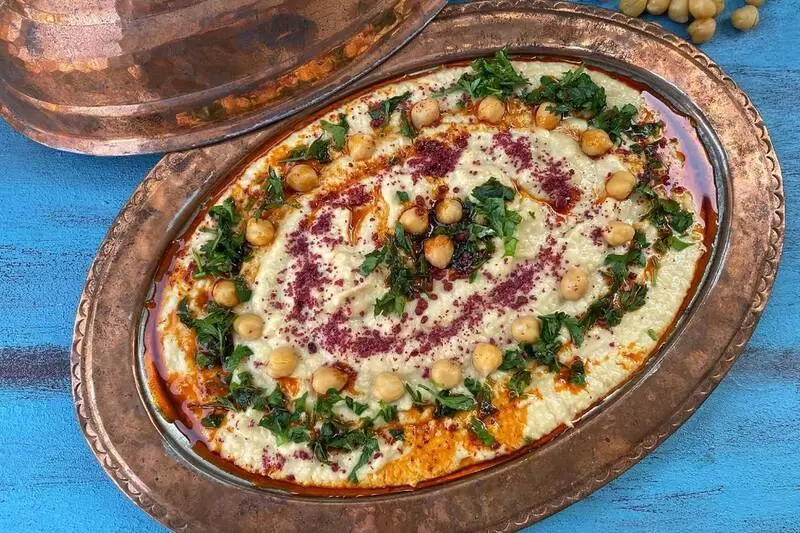
Tarsus Hummus is a renowned regional delicacy from Tarsus, Mersin, deeply rooted in tradition since the 1920s. Made by mashing cooked chickpeas in a copper bowl using a pestle, it is combined with tahini from locally grown sesame, garlic, lemon juice, and spices. The dish is topped with sizzling butter infused with chili flakes and optionally garnished with pastrami, then served hot. Its distinctive texture, retaining the coarse consistency of the chickpeas, and its rich, warm flavor make it a standout in Turkish cuisine. Tarsus Hummus showcases the cultural and culinary heritage of the region, celebrated in local festivals and competitions.
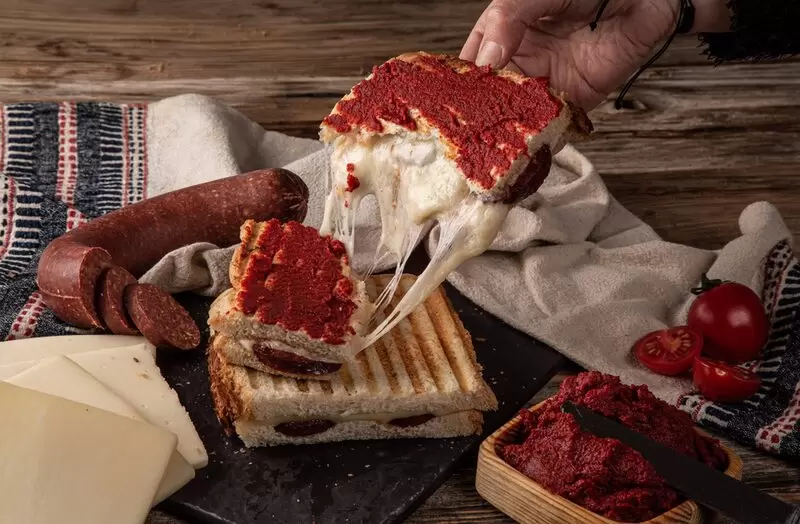
Susurluk Toast is a unique and geographically indicated delicacy from Balıkesir’s Susurluk district, renowned for its distinctive preparation and flavor. Made with special tost tava bread exclusive to the region, it features a filling of lightly salted kelle cheese aged for at least two months and/or high-quality beef sausage. The bread, prepared with sourdough for a perfect balance of crispness and softness, is toasted with its signature ingredients in a specialized press and lightly buttered on the outside. This combination of regional ingredients and traditional techniques makes Susurluk Toast a beloved example of Turkey’s rich culinary heritage.
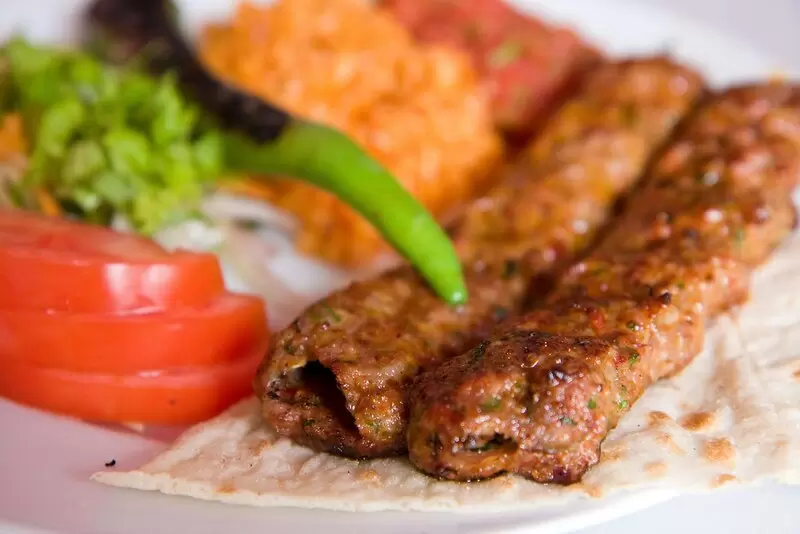
Adana Kebab, Türkiye'nin coğrafi işaretli eşsiz lezzetlerinden biri olup, doğal yaylalarda yetiştirilen koyunların etinden yapılır. Et, zırh adı verilen özel bıçakla elle incecik kıyılır ve kuyruk yağı, acı kırmızı biber ve tuz ile harmanlanarak karakteristik lezzeti oluşturulur. Şişe saplanan karışım, alevsiz meşe kömürü közünde pişirilerek dışı kıtır, içi sulu bir doku elde edilir. Hazırlık ve pişirme süreci ustalık gerektirir ve kebabın tadı, geleneksel yöntemlerle korunur. Yeşillik, salata ve yağlanmış pide ekmeği ile servis edilen Adana Kebab, Türk mutfağının en özel lezzetlerinden biri olarak damaklarda unutulmaz bir iz bırakır.
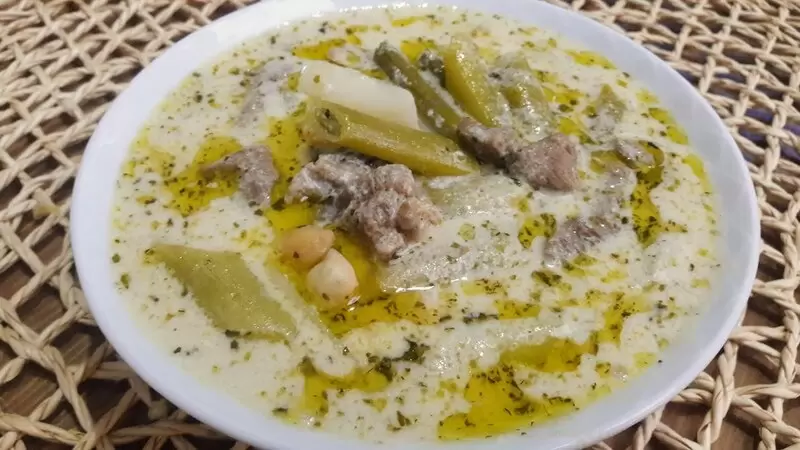
Antep Şiveydizi, Gaziantep mutfağının benzersiz lezzetlerinden biri olup, taze sarımsak, taze soğan, koyun eti, nohut ve süzme yoğurt gibi malzemelerle hazırlanan geleneksel bir yemektir. Tarihi İpekyolu üzerinde yer alan Gaziantep'in zengin mutfak kültürünün bir yansıması olan bu yemek, malzemelerin doğal ve özenle seçilmesiyle fark yaratır. Taze sebzelerin aroması, yoğurdun hafif ekşiliği ve etin doyurucu lezzetiyle sofraları şenlendiren Antep Şiveydizi, yöresel bir tat arayanlar için ideal bir seçenektir. Sadeyağ veya zeytinyağı ile sunulan bu yemek, Gaziantep'in gastronomi mirasını en iyi şekilde temsil eder.