Most Popular 10 Beaches in Beylikdüzü
21-01-2025 00:10
Geographically Indicated Products (GIPs) are unique goods that derive their quality and reputation from specific geographical origins. In Turkey, these products reflect the rich agricultural heritage and diverse local traditions. Notable examples include Turkish olives, famed for their distinct flavors, and the renowned Antep pistachios, prized for their quality. Other GIPs include various cheeses, such as Çamlıhemşin and Ezine, alongside traditional crafts like Turkish carpets. Visitors can explore local markets and artisanal shops to experience authentic tastes and craftsmanship. Sampling these products not only supports local economies but also offers a deeper understanding of the region's culture and culinary heritage.
Geographically Indicated Products in Turkey
Turkey is home to a rich array of Geographically Indicated Products (GIPs) that reflect its diverse regions and cultural heritage. These products are not only celebrated for their unique qualities but also for the traditions behind their production. Exploring these GIPs offers a fascinating journey through Turkey's landscapes and local customs.
Location and Notable GIPs
Turkey's diverse geography contributes to its wide variety of GIPs. Regions such as Aegean, Marmara, and Southeastern Anatolia are particularly known for their specialty products. For instance, the Aegean region is famous for its olive oils, especially from Ayvalık, while Gaziantep is renowned for its pistachios and baklava. The unique terroir of each area imparts distinct flavors and qualities to these products.
Facilities and Local Markets
Visitors can find numerous facilities dedicated to the production and sale of GIPs. Local markets, such as the Grand Bazaar in Istanbul and the local bazaars in Gaziantep, offer a vibrant atmosphere where travelers can sample and purchase authentic products. Many regions also have farms and workshops where tourists can engage in hands-on experiences, such as olive oil tasting or pottery making.
Water Sports Opportunities
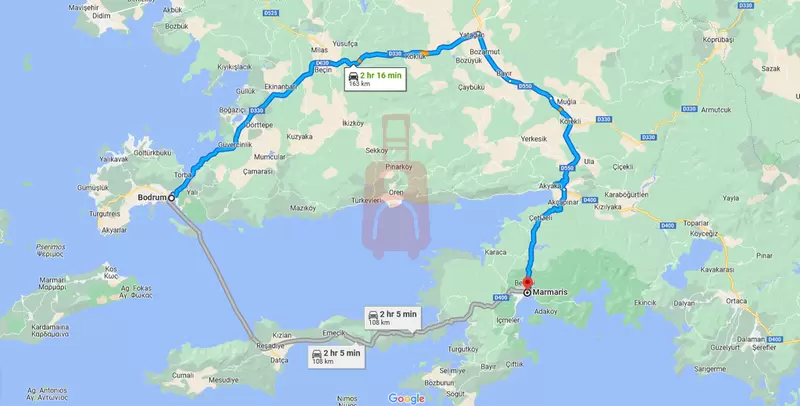
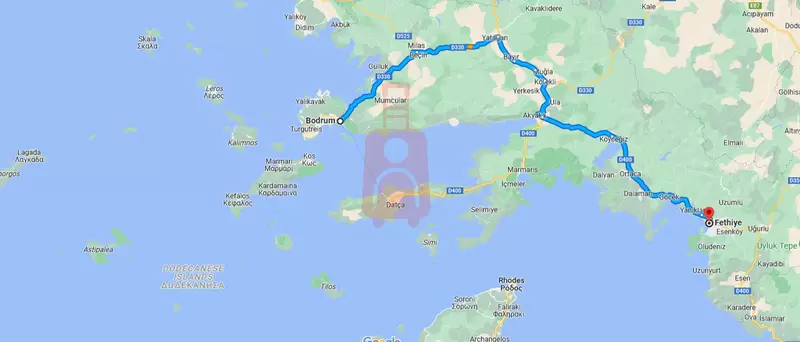
While exploring GIPs, visitors can also enjoy various water sports along Turkey's stunning coastlines. Regions like Bodrum and Fethiye offer activities such as sailing, snorkeling, and diving, providing a perfect blend of culinary exploration and adventure. The clear waters of the Aegean and Mediterranean seas enhance the experience, making it a great way to relax after tasting local delicacies.
Nearby Attractions
Many GIP areas are near significant historical and natural attractions. For example, while in Gaziantep for its pistachios, visitors can explore the ancient city of Zeugma and its stunning mosaics. In the Aegean region, travelers can visit the ancient ruins of Ephesus and enjoy the beautiful beaches of Çeşme. Each location offers a unique backdrop that enriches the experience of discovering local products.
Accessibility
Turkey is well-connected with a network of roads, domestic flights, and public transport, making it easy to access regions known for their GIPs. Major cities like Istanbul, Izmir, and Antalya serve as gateways to various GIP locations, with frequent bus and train services available to reach smaller towns and rural areas.
Best Time to Visit
The best time to explore Turkey's Geographically Indicated Products is during the spring (April to June) and autumn (September to November) months. During these seasons, temperatures range from 15°C to 25°C, providing a pleasant climate for outdoor activities and market visits. Additionally, these periods coincide with harvest times for many local products, allowing visitors to experience the freshness of seasonal offerings.
In summary, Turkey's Geographically Indicated Products offer a rich tapestry of flavors and traditions that reflect the country's diverse heritage. From vibrant local markets to stunning landscapes and exciting water sports, each region provides a unique experience for travelers eager to explore Turkey's culinary treasures.
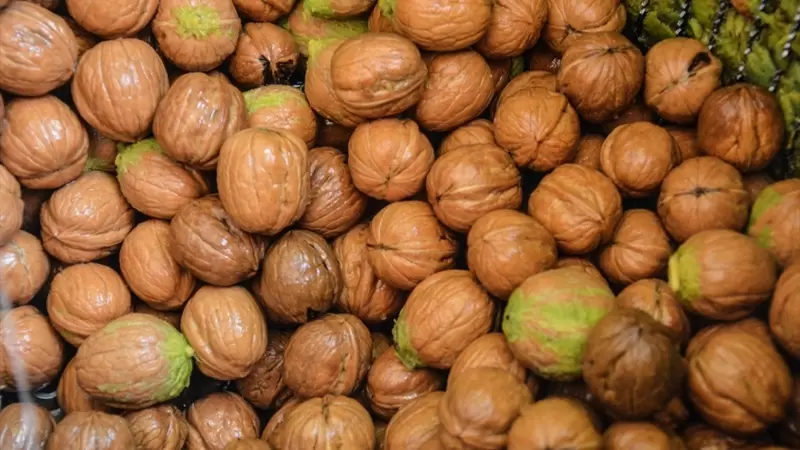
Hekimhan Walnut, cultivated in Turkey’s Hekimhan district of Malatya, is renowned for its exceptional quality and rich flavor. These walnuts, belonging to the *Juglans regia L.* species, are characterized by their thin shells, easy-to-crack structure, and high kernel yield. The kernels are light-colored, ranging from white to pale yellow, with a rich oil content of 60-70%. Known for their round shape and smooth texture, Hekimhan Walnuts are highly sought after for their superior taste and versatility. Rooted in the region’s agricultural heritage, some walnut trees in Hekimhan are over 400 years old, symbolizing the longstanding tradition of quality walnut cultivation.
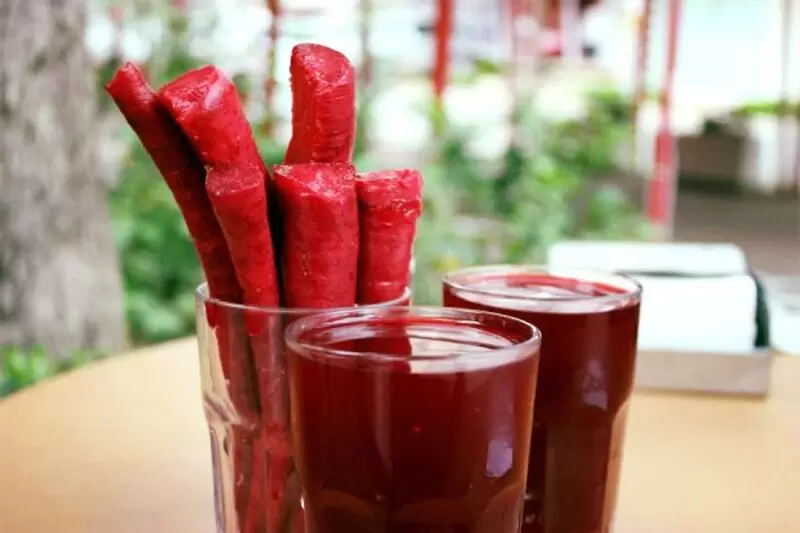
Tarsus Turnip, a traditional drink from Turkey’s Tarsus region, is crafted from black carrots, turnips, bulgur flour, water, and salt, using natural fermentation methods. Known for its tangy and refreshing flavor, it is a staple accompaniment to meals and a popular beverage year-round. Enhanced with local “süs biberi” peppers, it can be enjoyed in a spicy variant for added zest. This naturally fermented drink, rich in tradition and flavor, reflects the agricultural richness and culinary heritage of Tarsus.
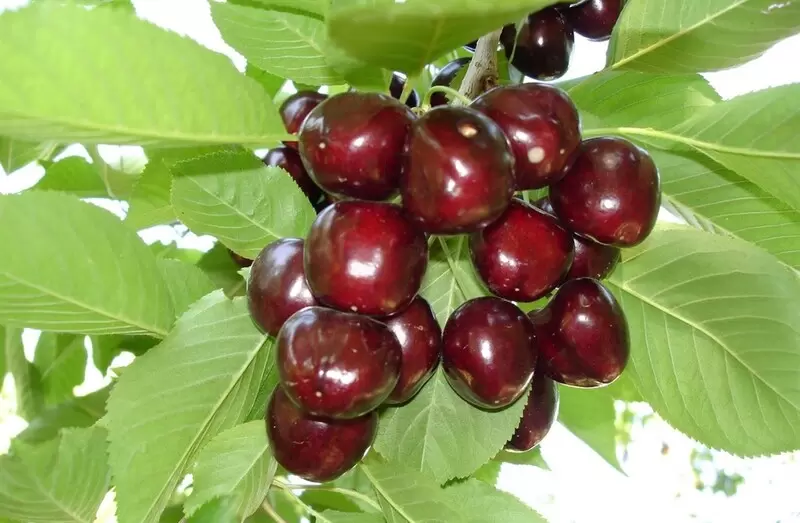
Aksehir Cherry, cultivated in Turkey’s Aksehir and Sultandağı regions, is renowned for its vibrant dark red color, crisp texture, and exceptional flavor. With a wide heart shape and a long, slender stem, this late-ripening cherry variety is harvested between June and July. Known for its firm, juicy flesh and unique aroma, it is highly resistant to cracking and ideal for transport. Aksehir Cherry requires cross-pollination for optimal yield, with varieties like Starks Gold and Bigarreau Gaucher serving as pollinators. Celebrated for its quality and taste, it is a prized product of the region’s agricultural heritage.
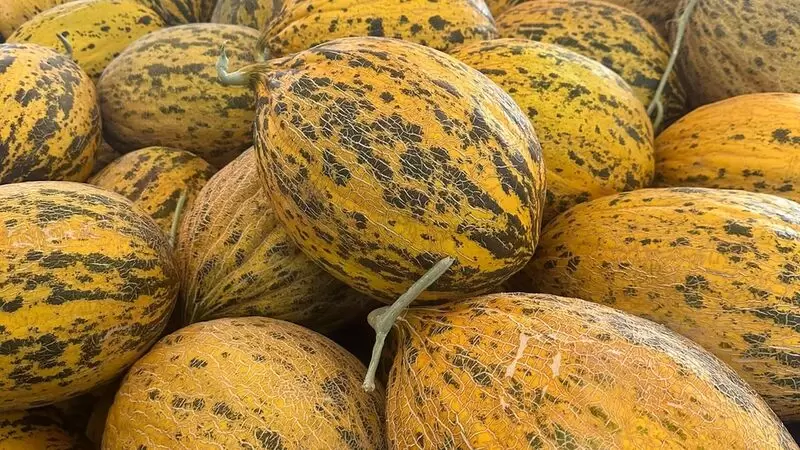
Kırkağaç Melon, cultivated in Turkey’s Manisa region, is known for its distinctive appearance, long shelf life, and sweet flavor. Available in two varieties, Kırkağaç-589 and Kırkağaç-637, the melons have a rough, patterned rind with yellowish spots on a green base. Kırkağaç-589 is elongated and ideal for winter storage, while Kırkağaç-637 is round and enjoyed as a summer melon. With its medium-thick skin and juicy, flavorful flesh, it is a prized fruit for fresh consumption. Kırkağaç Melon reflects the region’s agricultural expertise and stands as a symbol of quality and tradition.
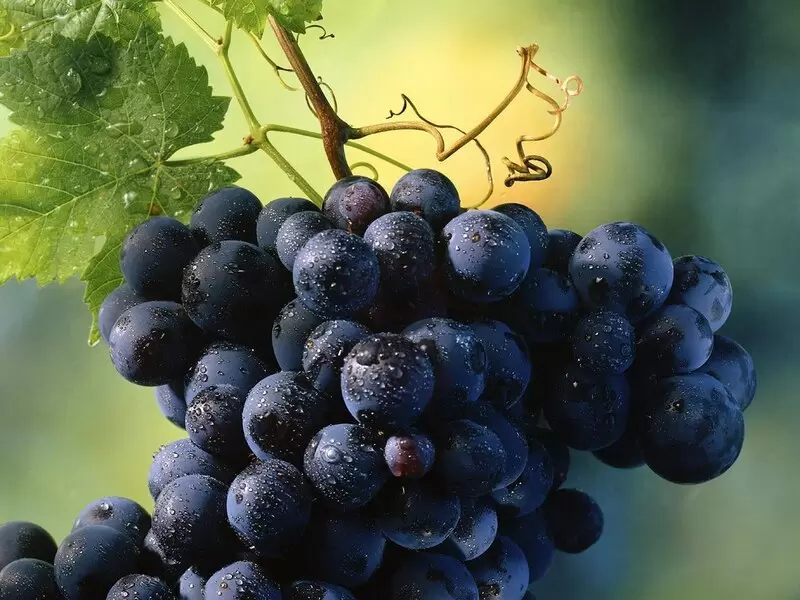
Grape of Cimin, cultivated in Turkey’s Erzincan region, is a black, oval-shaped table grape known for its sweet and tangy flavor. With medium-thick skin, an average weight of 3-4 grams per berry, and clusters ranging from 300 to 1500 grams, it offers a delightful balance of taste and texture. The region’s unique climate, characterized by dry summers and beneficial seasonal rainfall, enhances the grape's quality and resistance to diseases. Perfect for fresh consumption, Grape of Cimin reflects the rich agricultural heritage and ideal growing conditions of Erzincan, making it a sought-after variety locally and beyond.

Osmaniye Peanut, cultivated in Turkey's Osmaniye region, is renowned for its rich flavor, high oil content, and nutritional value. Known for its large size, smooth texture, and thin shell, it is ideal for snacking, cooking, and oil production. The peanuts are grown in fertile soils and warm climates, producing seeds rich in protein, carbohydrates, and essential minerals. Osmaniye Peanut is a versatile ingredient, used in traditional dishes, peanut butter, and even industrial applications like oil and animal feed. Its exceptional quality reflects the expertise and dedication of the region's farmers, making it a sought-after product both locally and internationally.
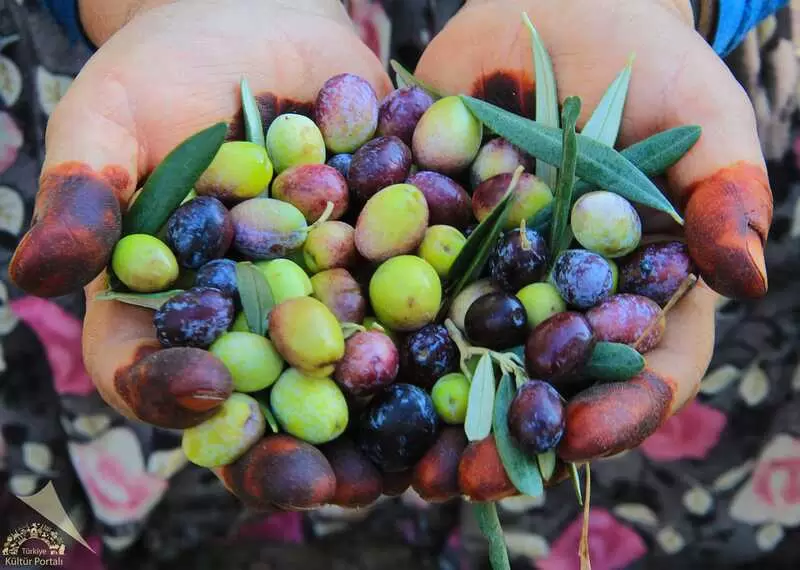
Edremit Gulf Green Scratched Olives, made from the Edremit olive variety, are cultivated in Turkey’s Edremit Gulf region at altitudes of 50 to 250 meters. These olives are known for their smooth, cylindrical shape, vibrant green color, and balanced flavor. Hand-harvested and naturally cured using spring water without chemical additives, they maintain their authentic taste and natural texture. The meticulous preparation process ensures olives with a slightly tangy yet rich flavor, making them a cherished ingredient in Turkish cuisine. Edremit Gulf Green Scratched Olives are a symbol of the region’s dedication to quality and tradition.
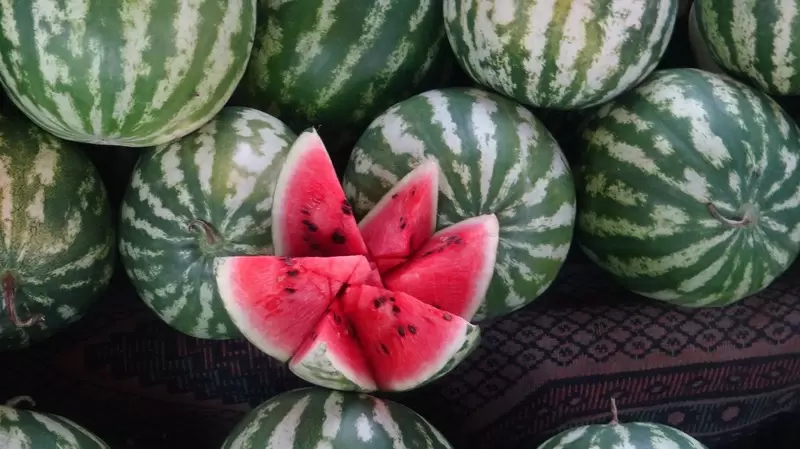
Diyarbakir Watermelon, a renowned variety from Turkey’s Diyarbakir region, is celebrated for its exceptional size, vibrant flavor, and striking appearance. Known for its oval or round shape, it features a bright green rind with dark green stripes and a thick, firm outer layer. The crimson red flesh is sweet, juicy, and rich in flavor, making it a refreshing and satisfying fruit. Weighing between 20 and 30 kilograms, with some traditional methods yielding melons up to 75 kilograms, it stands out as a symbol of the region's agricultural excellence. Diyarbakir Watermelon reflects the heritage and expertise of its producers, cherished both locally and internationally.