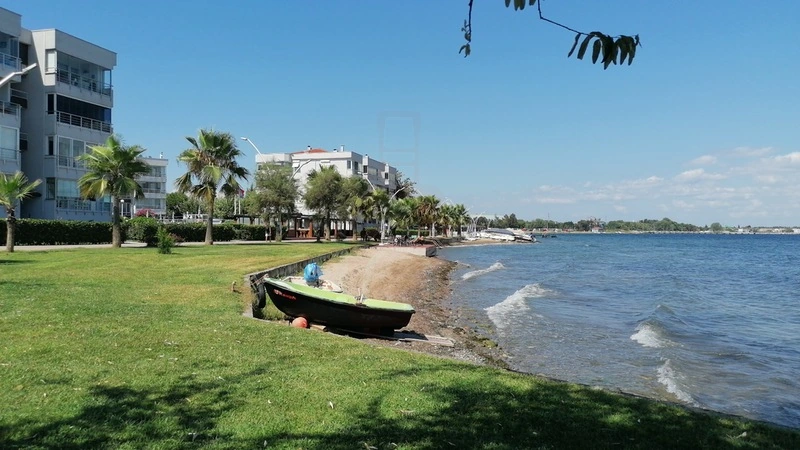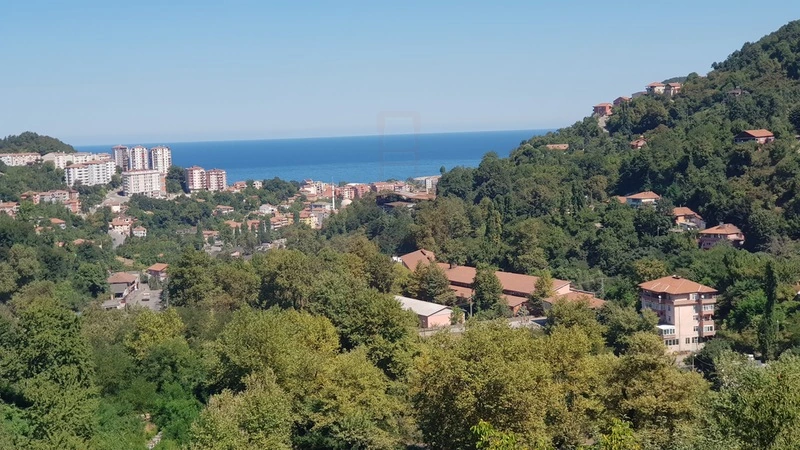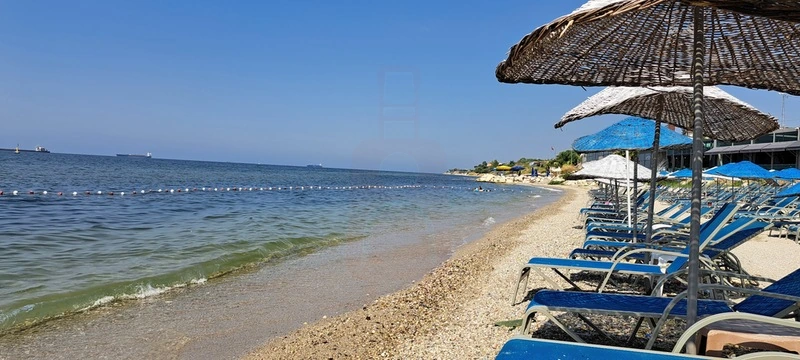
Most Popular 10 Beaches in Beylikdüzü
21-01-2025 00:10
Discover the ancient cities and rich historical tapestry of Eskişehir. Explore archaeological sites and understand the regions diverse past, from Phrygian to O
Pessinus, also known as Ballihisar, was an ancient city located in the central part of modern-day Turkey. This ancient city holds significant historical and religious importance, dating back to the Phrygian period and continuing through the Hellenistic and Roman eras. Visiting Pe…
Yazılıkaya Ancient City, located in the central Anatolian region of modern-day Turkey, is an intriguing archaeological site that holds deep historical and cultural significance. Situated near the city of Hattusa, Yazılıkaya is renowned for its rock-cut sanctuary and its associati…
Eskişehir, the heart of Central Anatolia, offers a captivating journey through time with its numerous ancient city sites. This historically rich region has served as a pivotal crossroads for various civilizations, making it an enthralling destination for anyone keen to explore Turkey's profound past. Visitors venturing into Eskişehir's historical landscape can uncover the evocative remnants of long-lost settlements, where the whispers of diverse cultures are preserved within archaeological discoveries and the foundational traces of ancient structures. These sites collectively provide a compelling opportunity to engage with the deep heritage of Anatolia, offering invaluable insights into early urban planning, the fabric of daily life, and the enduring strategic importance of the area through different epochs.
The archaeological tapestry around Eskişehir is woven with threads from multiple significant historical periods, encompassing the legacies of the Phrygian, Roman, Byzantine, Seljuk, and Ottoman empires. While some ancient city locations may reveal themselves as sprawling fields of visible foundations, pottery fragments, and subtle architectural outlines, others might showcase more distinct structures, such as parts of old fortifications, intriguing rock-cut tombs, or the remaining elements of religious edifices. Each discovery contributes to a richer understanding of the region's layered history, illustrating the remarkable evolution of construction techniques, societal organization, and artistic expression over many millennia. History enthusiasts can truly immerse themselves in uncovering the heritage of early Anatolian inhabitants and marvel at the ingenuity of ancient engineers and artisans.
Embarking on an exploration of Eskişehir's ancient cities is an inherently immersive experience, best approached with a sense of wonder and appropriate preparation, including comfortable walking shoes. The ambiance at these venerable historical locations is often profoundly tranquil, inviting quiet contemplation and imaginative reconstruction of past lives as you traverse the remnants of once-vibrant communities. The most favorable times for these explorations are typically during the mild and picturesque months of spring (April to June) and autumn (September to October), when the climate is ideal for extensive outdoor activity. Practical considerations include carrying sufficient water, applying sun protection, and perhaps augmenting your visit with a comprehensive guidebook or the expertise of a local guide, which can significantly deepen your appreciation of these invaluable cultural treasures. Furthermore, it is crucial for all visitors to uphold the integrity of these sites by refraining from disturbing any artifacts or structural elements.