Antalya: Best Places to Visit & Essential Travel Tips
07-09-2023 19:13
Turkey offers a profound journey into its cultural heart through the vibrant traditions of dance and music. Engaging in lessons provides a unique opportunity to transcend the role of a mere observer, allowing visitors to actively participate in the rhythms and movements that have shaped Turkish identity for centuries. This guide explores what to expect when seeking dance and music instruction across the diverse landscapes of Turkey.
The spectrum of dance and music in Turkey is remarkably broad, encompassing ancient folk traditions, Sufi ceremonial practices, Ottoman classical forms, and contemporary interpretations. For music enthusiasts, instruments like the soulful ney (reed flute), the resonant oud (lute), the rhythmic darbuka (goblet drum), and the iconic saz (long-necked lute) offer distinct avenues for exploration. Dance forms range from the spirited Zeybek of the Aegean region to the intricate steps of Anatolian folk dances and the expressive art of Oriental dance, commonly known as belly dance.
Typically, lessons involve hands-on instruction from experienced teachers, often focusing on fundamental techniques, posture, rhythm, and understanding the cultural context of each piece or movement. Music lessons may begin with instrument handling, basic scales, and traditional melodies, while dance classes often start with warm-ups, foundational steps, and choreography. The pace and depth of instruction can vary significantly depending on the duration of the course and the students prior experience.
For those seeking comprehensive and structured learning, major urban centers are the primary hubs. Istanbul, with its cosmopolitan character and historical depth, stands as a premier destination for both dance and music education. The city hosts numerous private music schools, cultural centers, and professional instructors specializing in Turkish classical music, traditional folk instruments, and various dance styles. Conservatories often offer programs, though these are typically long-term and academic.
Ankara, the nations capital, also provides a robust environment for cultural studies, featuring institutions and private tutors dedicated to preserving and teaching Turkish artistic traditions. These cities offer a higher likelihood of finding instructors proficient in English, facilitating clearer communication for international visitors.
Along the Aegean coast, particularly in cities like Izmir, visitors may find specialized instruction in regional folk dances such as the powerful Zeybek, a dance often performed by men, characterized by its dignified and expansive movements. Cultural associations in these areas are often dedicated to keeping these local traditions alive and may offer workshops or classes to those interested.
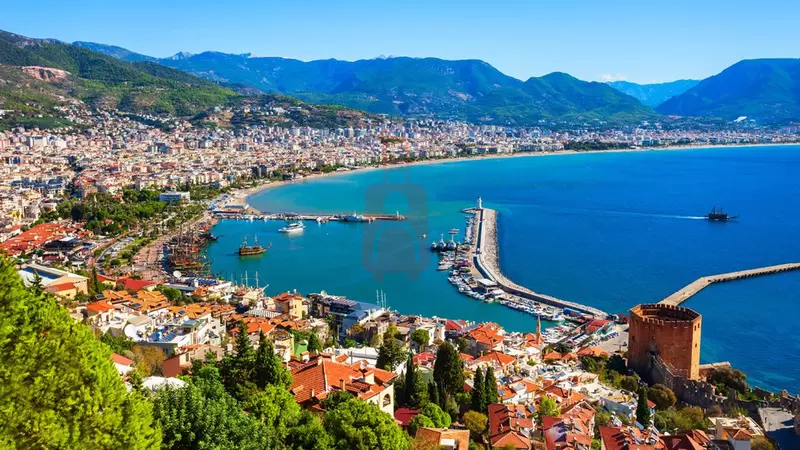
In popular tourist destinations along the Mediterranean coast, such as Antalya and Fethiye, visitors may encounter opportunities for introductory dance workshops. These often focus on accessible folk dances or belly dance, frequently offered by cultural centers, hotels, or private instructors catering to a diverse audience seeking a cultural experience during their holiday. While less about rigorous, long-term study, these workshops provide a pleasant and memorable introduction.
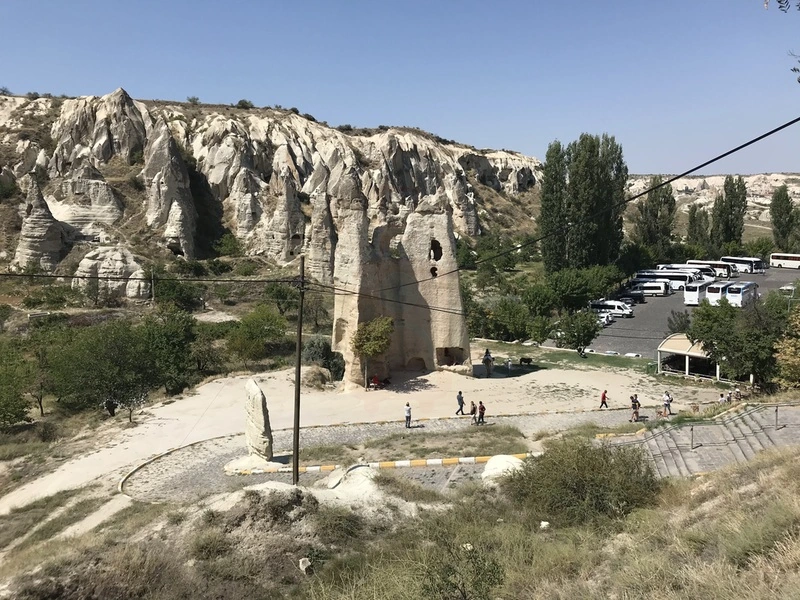
Cappadocia, while not a primary center for formal lessons, frequently hosts cultural performances, particularly Whirling Dervish ceremonies, which are deeply rooted in Sufi music and dance. Some cultural venues in the region might offer brief introductory sessions to the philosophy and basic movements, providing an experiential rather than instructional opportunity.
Seasonal considerations can influence the availability and type of lessons. During the peak summer tourist season (June to August), coastal areas and major cities might see an increase in short-term workshops designed for travelers. However, the high temperatures can make vigorous physical activity less comfortable. This period might also coincide with local instructors taking breaks.
The shoulder seasons of spring (April to May) and autumn (September to October) are often ideal. The weather is more temperate, and cities are less crowded, potentially offering more focused and accessible learning opportunities with local instructors who are not solely catering to mass tourism. Winter (November to March) in major cities like Istanbul and Ankara can be an excellent time for serious students, as instructors are typically more available for sustained private lessons or longer courses aimed at residents.
Regarding safety, engaging in dance and music lessons is generally considered a low-risk activity. Visitors are advised to choose reputable instructors or established cultural centers. It is prudent to verify the credentials of private instructors and ensure that the learning environment is professional and secure. As with any travel activity, awareness of personal belongings and surroundings is always recommended.
What visitors can expect from a lesson varies. Instructors range from passionate amateurs to highly qualified professionals with conservatory training. Group lessons offer a communal experience, while private lessons provide tailored instruction. The language barrier can sometimes be a factor, particularly outside major tourist zones, though many instructors in prominent areas will have some English proficiency. Learning a few basic Turkish phrases can enhance the experience.
Students should anticipate a focus on repetition and practice, as is common in any skill-based learning. For music lessons, instruments may sometimes be provided for initial sessions, but purchasing or renting one might be necessary for extended study. For dance, comfortable, loose-fitting clothing and appropriate footwear are generally sufficient. Lessons aim to impart not just technical skill but also an appreciation for the cultural narratives embedded within each art form.
Embarking on dance or music lessons in Turkey provides a rich and rewarding cultural immersion. It is an opportunity to connect with the countrys heritage on a personal level, learn new skills, and create lasting memories that extend far beyond typical sightseeing.