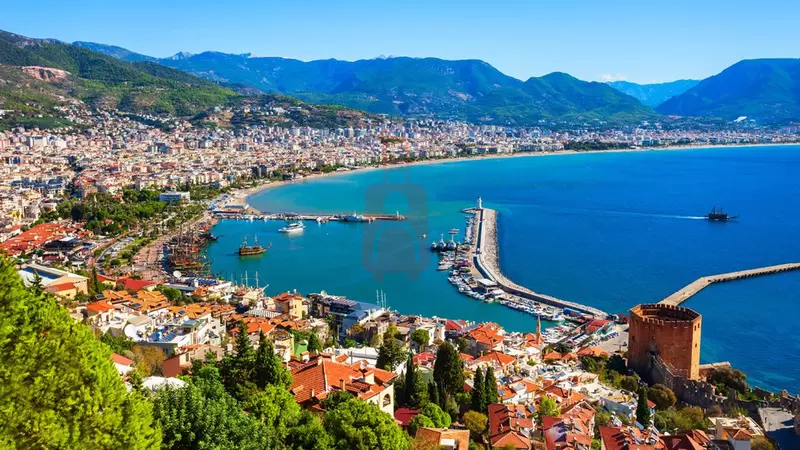
Antalya: Best Places to Visit & Essential Travel Tips
07-09-2023 19:13
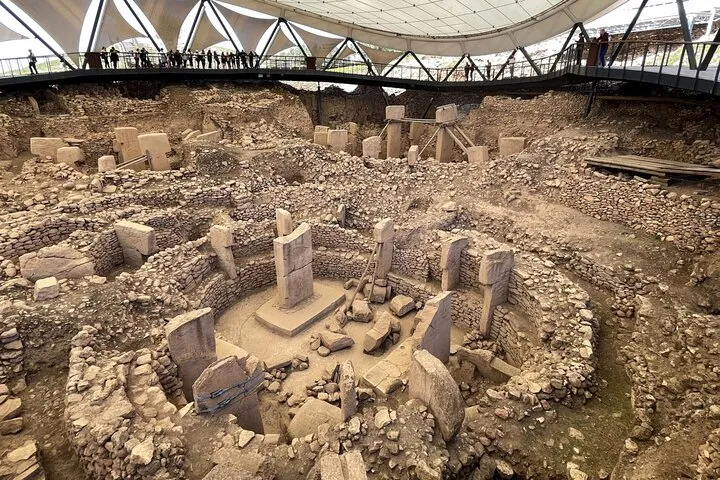
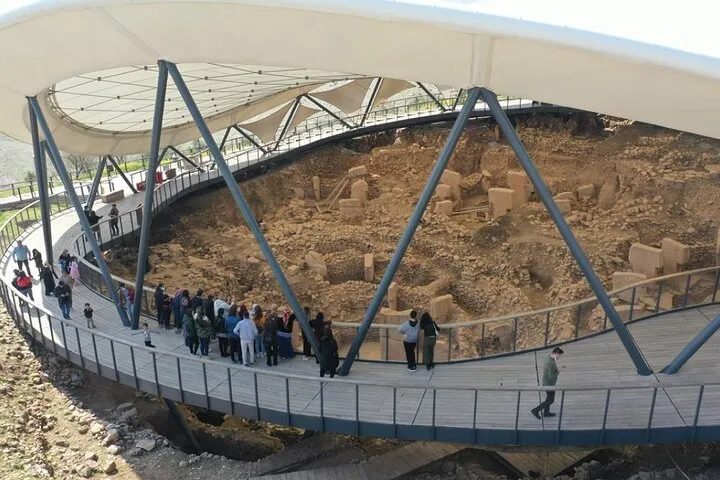
Exploring Turkeys vibrant tapestry of culture, history, and arts unveils profound layers of civilizations. Popular tours immerse visitors in Byzantine, Roman, and Ottoman legacies, from Istanbuls Hagia Sophia and Topkapi Palace to ancient sites like Ephesus and Göbeklitepe. Discover exquisite mosaics, intricate Islamic calligraphy, and traditional Anatolian crafts. This category thrives due to Turkeys unparalleled historical depth, offering profound insights into millennia of human endeavor and artistic expression.

Are you ready to elevate your travel business? By becoming a registered agent with Tourka, you will unlock a world of exclusive opportunities. We provide our partners with competitive pricing, an easy-to-use booking platform, and a wide range of travel products tailored to your clients' needs.
Join Now
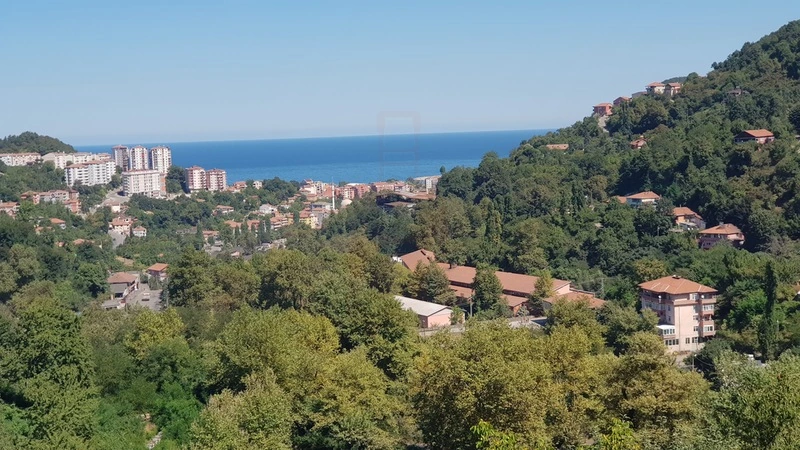
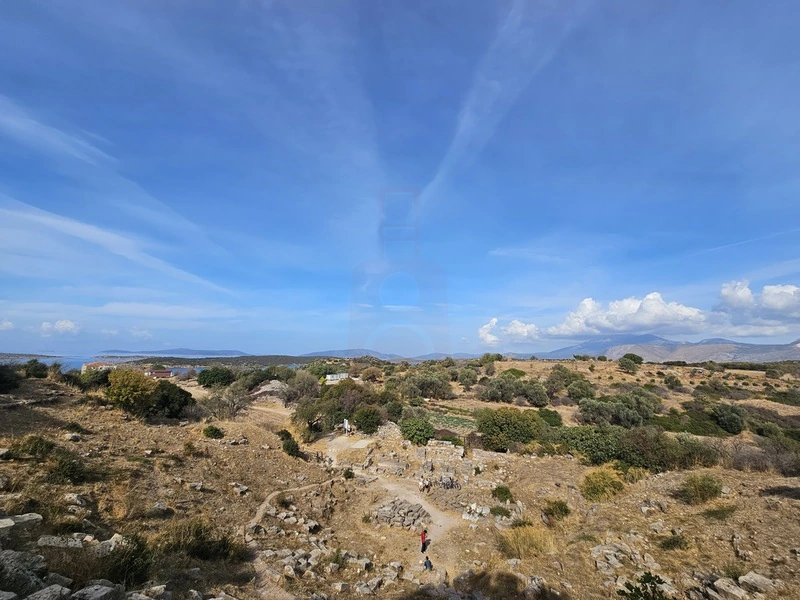
Turkey, a land bridge between continents, offers an unparalleled journey into the heart of human history, culture, and artistic expression. For those seeking an immersive experience in the heritage of ancient civilizations, empires, and diverse artistic traditions, this nation presents a rich tapestry woven from millennia of human endeavor. This guide outlines the essential components and destinations for a focused exploration of Turkeys culture, history, and arts.
A tour centered on culture, history, and arts in Turkey involves a deep dive into its multi-layered past, spanning from Anatolias earliest known settlements to the powerful empires of the Hittites, Greeks, Romans, Byzantines, Seljuks, and Ottomans. Visitors can expect to explore magnificent archaeological sites, wander through world-class museums, admire architectural marvels, and engage with vibrant local traditions. The experience encompasses both monumental structures and the intricate details of daily life and artistic creation across various epochs.
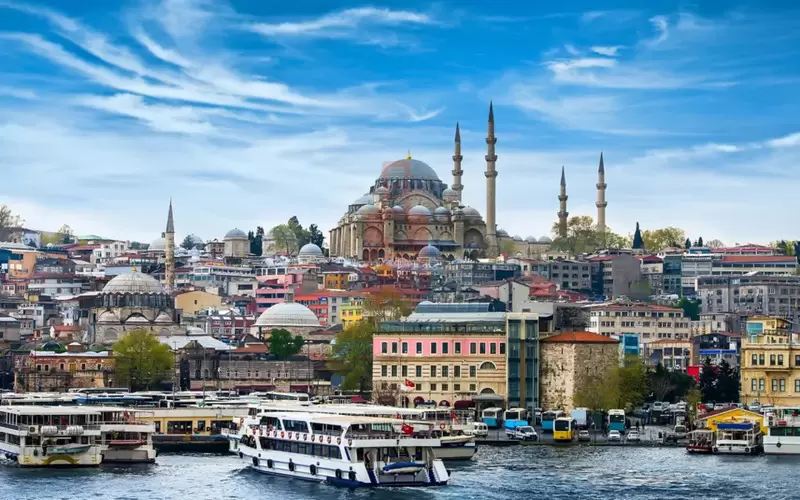
Istanbul stands as the undeniable epicenter for this category of tourism, offering a comprehensive overview of Byzantine and Ottoman grandeur. The Hagia Sophia, with its awe-inspiring dome and historical transformations, provides a testament to both Christian and Islamic artistry. Nearby, the Blue Mosque showcases intricate tilework, while Topkapi Palace reveals the opulent life of Ottoman sultans through its treasury, courtyards, and Harem.
Beyond these iconic landmarks, Istanbuls historical depth extends to the Hippodrome, a former chariot race track, and the Grand Bazaar, a historic marketplace reflecting centuries of trade and craftsmanship. The Chora Church, now the Kariye Museum, features some of the finest surviving Byzantine mosaics and frescoes, offering a window into early Christian art. The Istanbul Archaeology Museums house a vast collection spanning Mesopotamia, Anatolia, and the classical world, providing crucial context to the regions diverse history.
Moving westward, the Aegean region hosts some of the most impressive classical ruins. Ephesus is renowned as one of the best-preserved Roman cities in the Mediterranean, featuring the Library of Celsus, the Great Theatre, and the Terrace Houses. Nearby, the ancient city of Pergamon, a UNESCO World Heritage site, boasts a spectacular Acropolis, the Altar of Zeus, and the ancient healing center of Asclepeion, offering insights into Hellenistic and Roman urban planning and medicine.
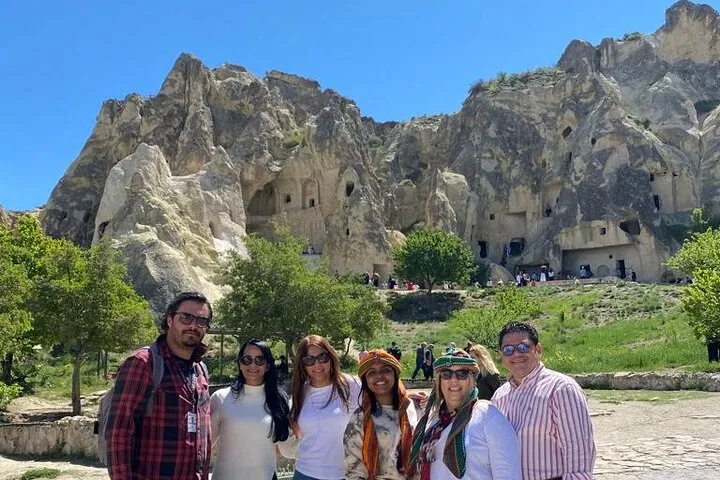
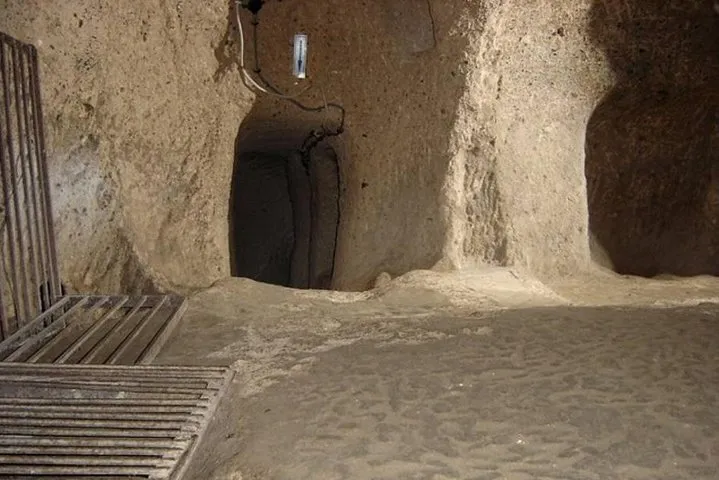
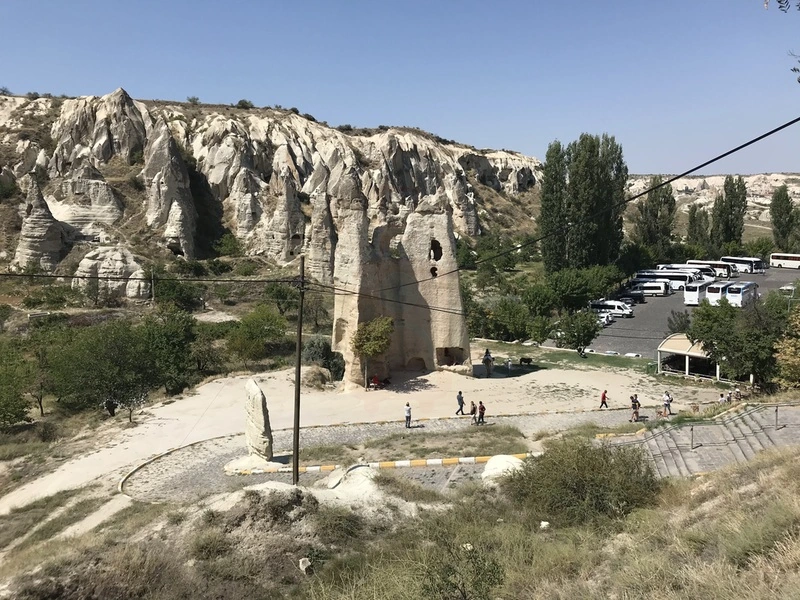
Central Anatolia presents a starkly different yet equally compelling historical and artistic landscape. Cappadocia, famed for its unique geological formations, also holds profound historical significance as a refuge for early Christians. The Göreme Open-Air Museum displays numerous rock-cut churches adorned with well-preserved Byzantine frescoes. Underground cities like Derinkuyu and Kaymaklı offer a fascinating glimpse into the ingenious survival strategies of ancient communities.
Further into Central Anatolia, Konya serves as the spiritual heart of the Mevlevi Order, founded by the 13th-century poet and mystic Rumi. The Mevlana Museum, housed in the former dervish lodge, is a site of pilgrimage and contemplation, showcasing Ottoman religious art and Sufi traditions. Ankara, Turkeys capital, provides a modern counterpoint with the Museum of Anatolian Civilizations, which traces the regions history from the Paleolithic era to the Ottoman period, with a particularly strong collection of Hittite artifacts. Anıtkabir, the mausoleum of Mustafa Kemal Atatürk, offers insights into modern Turkish history and architecture.
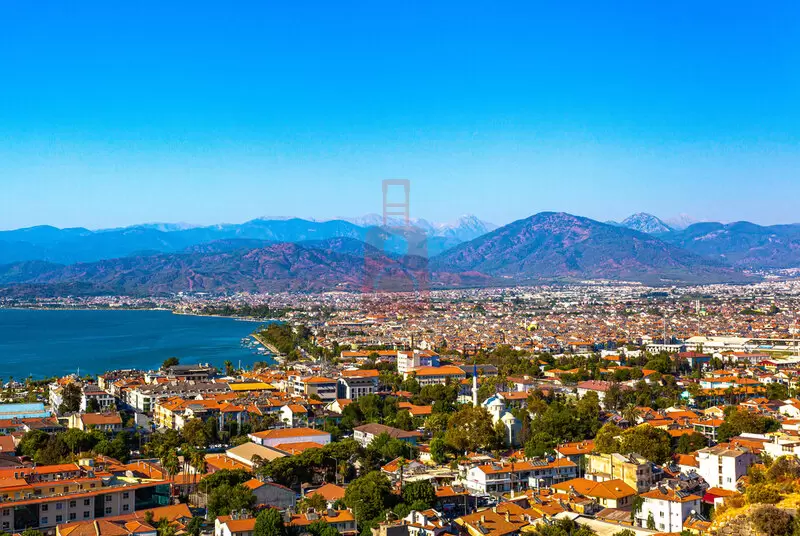
Along the Mediterranean coast, particularly in the regions of Pamphylia and Lycia, numerous ancient Roman and Lycian cities await exploration. Aspendos boasts one of the best-preserved Roman theatres in the world, still used for performances today. Perge and Side also feature extensive Roman ruins, including temples, agoras, and elaborate bath complexes. Fethiye, a popular coastal town, acts as a convenient base for exploring the historical treasures of ancient Lycia, including the monumental rock tombs and the ancient cities of Xanthos, Letoon, and Patara, each offering unique perspectives on Lycian civilization and its interactions with Greek and Roman cultures.
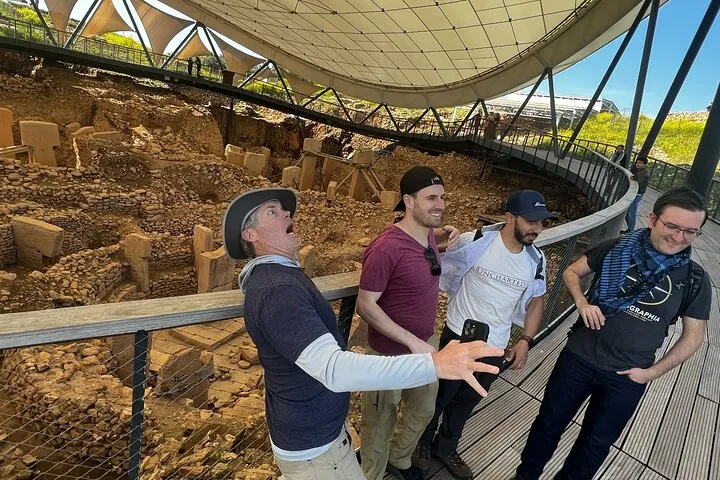
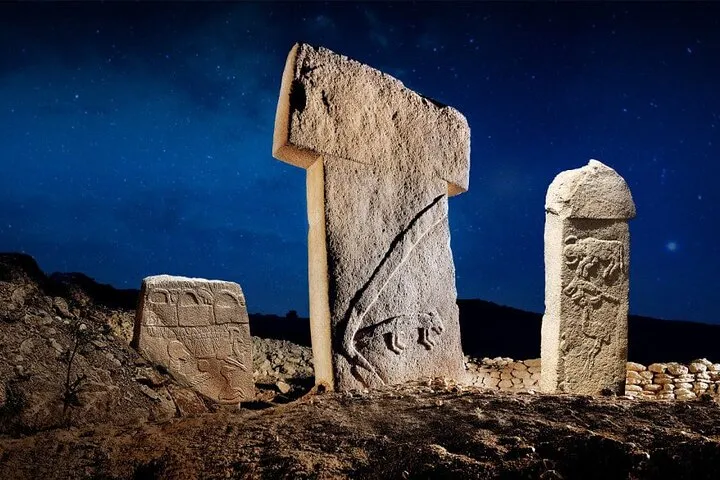
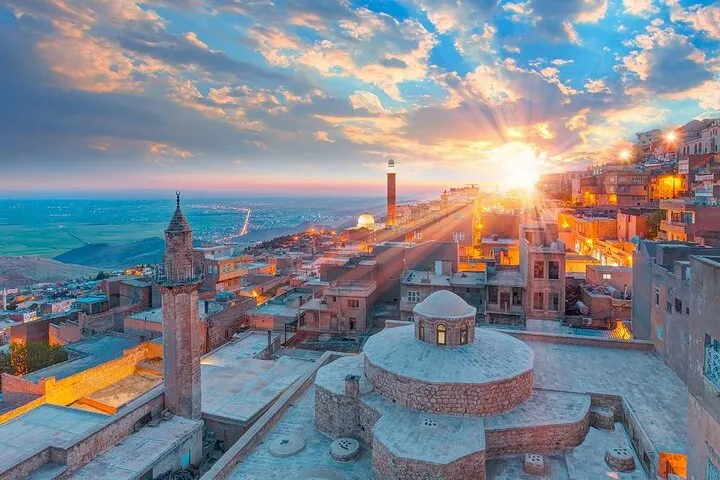
Southeastern Anatolia delves even deeper into the cradle of civilization. Göbeklitepe, often referred to as the worlds oldest temple, pushes back the timeline of monumental architecture by thousands of years, profoundly impacting our understanding of early human societies. Şanlıurfa, known as the City of Prophets, is deeply significant in Abrahamic faiths and hosts historical mosques and cultural sites. Gaziantep is home to the Zeugma Mosaic Museum, which houses an astounding collection of Roman mosaics from the ancient city of Zeugma, celebrated for their exceptional artistry and preservation.
The optimal seasons for a culture, history, and arts tour in Turkey are spring (April to May) and autumn (September to October). During these months, the weather is generally mild and pleasant, ideal for extensive outdoor exploration of archaeological sites and city walking tours. Summer months, particularly July and August, can bring intense heat, especially in inland and southern regions, which might make prolonged outdoor activities less comfortable. Winter offers fewer crowds but can be cold, though Istanbul and other major cities remain accessible for indoor attractions.
Regarding safety, Turkey is generally welcoming to tourists. Visitors should practice standard travel safety precautions, such as being aware of their surroundings and securing valuables. When visiting religious sites, modest dress (shoulders and knees covered for both men and women) is respectful and often required. Engaging with official, licensed guides can enhance the historical understanding and ensure a smooth experience, especially at complex archaeological sites.
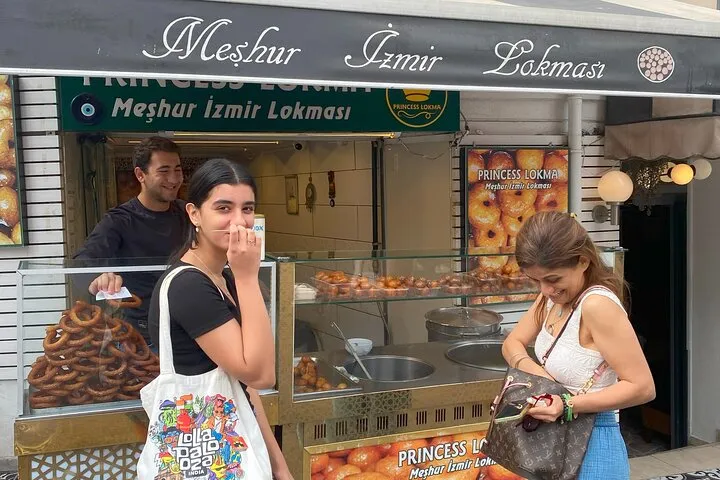
Visitors can expect a significant amount of walking at historical sites, many of which are extensive and feature uneven terrain. Comfortable footwear and sun protection, including hats and sunscreen, are highly recommended. While major tourist areas have good infrastructure, including accessibility at some sites, many ancient ruins retain their original challenging topography. Opportunities to sample traditional Turkish cuisine, engage with local artisans, and witness traditional performances are integral to the cultural experience.
Overall, a journey through Turkeys cultural, historical, and artistic landscapes is an enriching and profound experience. It offers a tangible connection to civilizations that have shaped the world, presenting an educational and inspiring adventure for any discerning traveler. From the grand imperial centers to the ancient ruins dotting its diverse terrain, Turkey continuously reveals new layers of its extraordinary past and vibrant present.

