Most Popular 10 Beaches in Beylikdüzü
21-01-2025 00:10
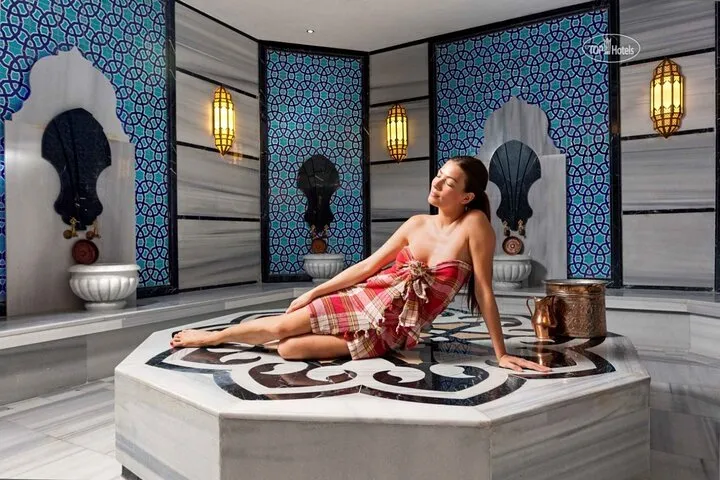
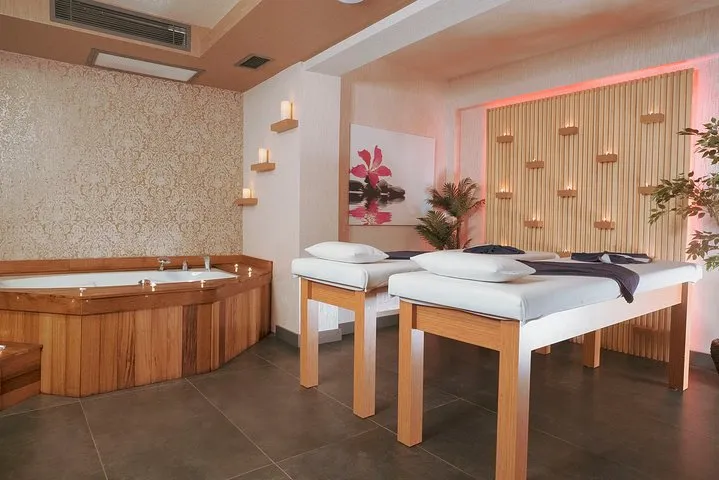
Turkey excels in wellness and relaxation, leveraging ancient traditions and rich natural resources. Visitors engage in the iconic Turkish Hamam, a time-honored purification ritual with steam and massage, perfect for detoxification and rejuvenation. The nation features abundant therapeutic thermal hot springs, celebrated for their healing mineral waters, notably in Pamukkale. Modern spas provide diverse treatments. This unique blend of historical practices and natural beauty establishes Turkey as a top destination for revitalizing body and mind.



Are you ready to elevate your travel business? By becoming a registered agent with Tourka, you will unlock a world of exclusive opportunities. We provide our partners with competitive pricing, an easy-to-use booking platform, and a wide range of travel products tailored to your clients' needs.
Join Now
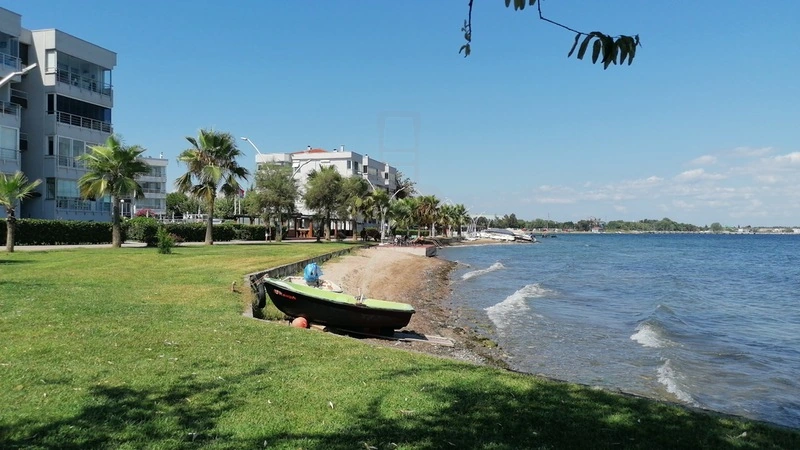
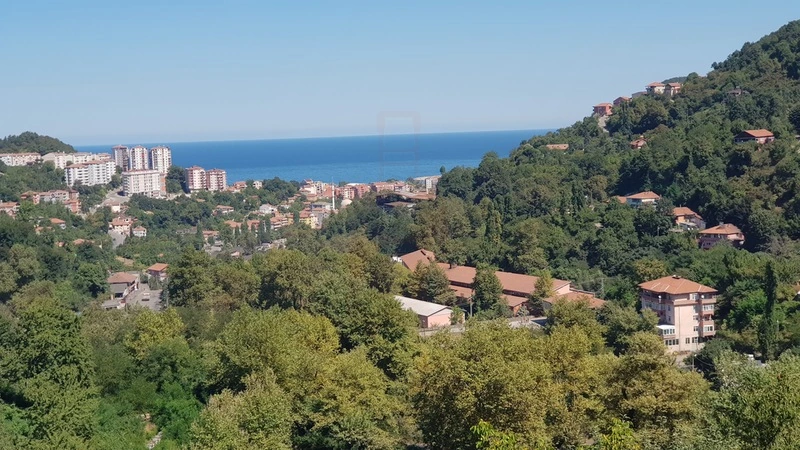
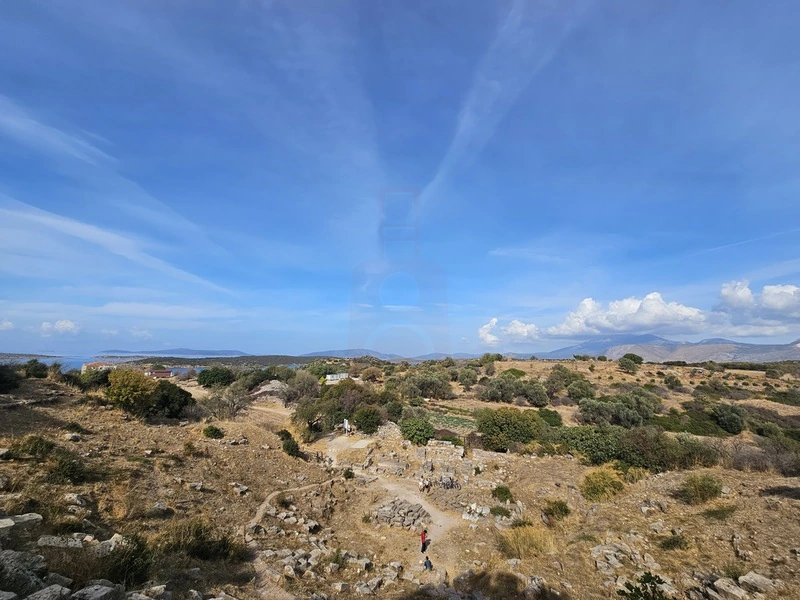
Turkey presents a compelling destination for those seeking wellness and relaxation, blending ancient traditions with modern facilities. The countrys rich history, diverse geography, and deep-rooted cultural practices offer a unique tapestry of experiences designed to rejuvenate the body and mind. From time-honored thermal springs to luxurious contemporary spas, Turkey provides an extensive array of options for travelers prioritizing their well-being.
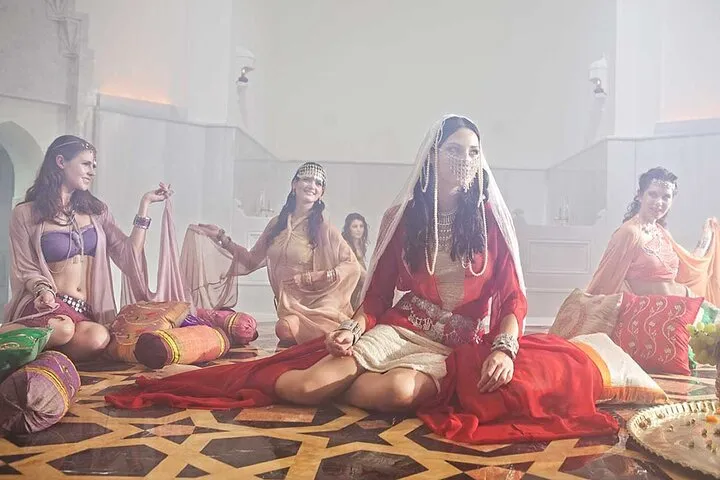
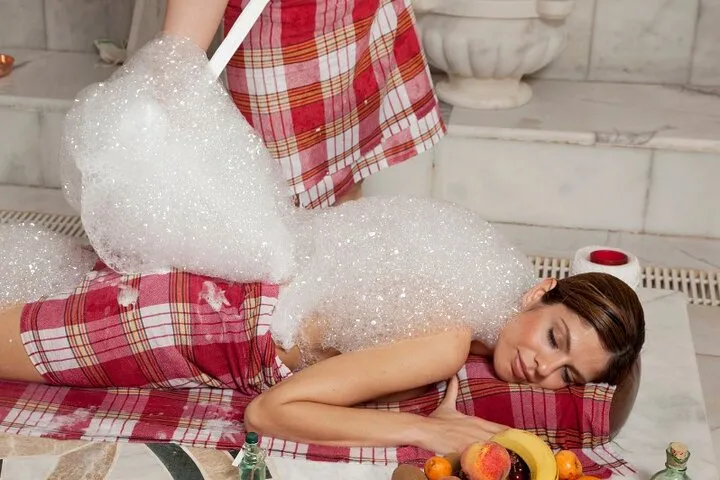
The concept of wellness in Turkey is often synonymous with the traditional Turkish bath, or hamam. This communal bathing ritual is not merely about hygiene; it is a profound social and therapeutic experience. Visitors typically move through progressively warmer rooms, allowing their bodies to acclimate before a thorough scrubbing with a coarse mitt, known as a kese, followed by a soap massage. The hamam ritual promotes circulation, cleanses the skin, and offers a deep sense of tranquility.
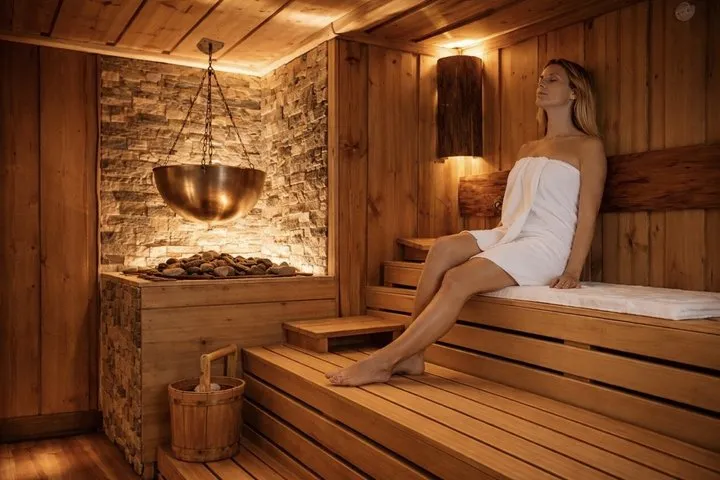
Beyond the hamam, Turkey is historically rich in natural thermal springs, a legacy stretching back to Roman times. These mineral-rich waters are believed to possess therapeutic properties, attracting visitors for centuries seeking relief from various ailments or simply profound relaxation. Modern thermal resorts often integrate these natural springs with contemporary spa treatments, offering a holistic approach to health and wellness.
The activity category of wellness and relaxation in Turkey also encompasses a growing trend of yoga and meditation retreats. These retreats frequently take advantage of Turkeys stunning natural landscapes, from the serene Mediterranean coastline to the unique valleys of Cappadocia. Participants can engage in daily yoga sessions, guided meditation, and workshops focused on mindfulness, often complemented by healthy, local cuisine.
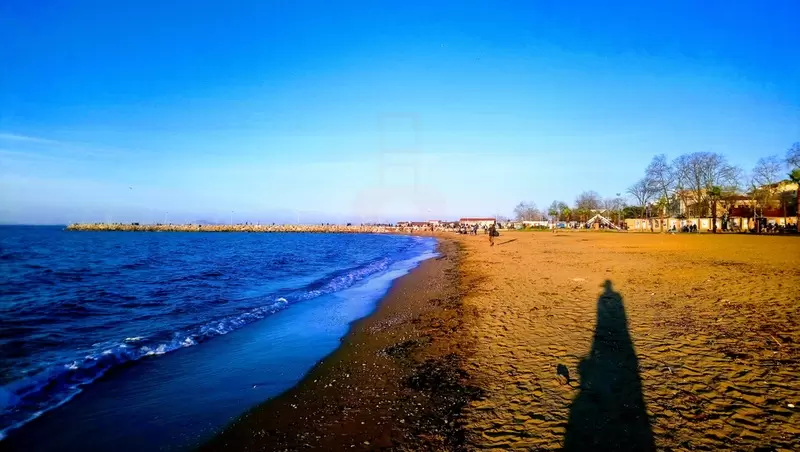
Coastal regions, particularly along the Aegean and Mediterranean, are increasingly offering thalassotherapy. This treatment utilizes seawater and marine products like algae and mud, drawing on their purported healing and revitalizing qualities. Such therapies are typically found in upscale resorts and provide a refreshing alternative to inland thermal experiences, harnessing the restorative power of the sea.
For those interested in holistic health, Turkey’s traditional medicine practices, often incorporating local herbs and remedies, are available. While not always presented in a formal spa setting, exploring local markets for natural products and learning about traditional teas or balms can add an authentic layer to a wellness journey. Many resorts now integrate locally sourced ingredients into their spa offerings.
Nature immersion is another significant aspect of relaxation in Turkey. Tranquil escapes in national parks, gentle hikes through verdant forests, or quiet moments by the sea contribute significantly to mental well-being. The simple act of connecting with Turkeys diverse natural beauty provides a peaceful counterbalance to the demands of modern life.
Among the best regions for wellness and relaxation, Pamukkale stands out for its unique natural spectacle. The cascading white travertine terraces, formed by mineral-rich thermal waters, offer a visually stunning backdrop for ancient thermal bathing experiences. Adjacent to these terraces are the ruins of Hierapolis, where visitors can bathe in the antique pool, a truly historical and relaxing endeavor.
Afyonkarahisar is widely regarded as Turkeys Thermal Capital. This city in western Anatolia boasts an exceptional concentration of thermal springs and high-quality thermal hotels and resorts. Its waters are renowned for their high mineral content, attracting both domestic and international visitors seeking therapeutic benefits and comprehensive spa facilities.
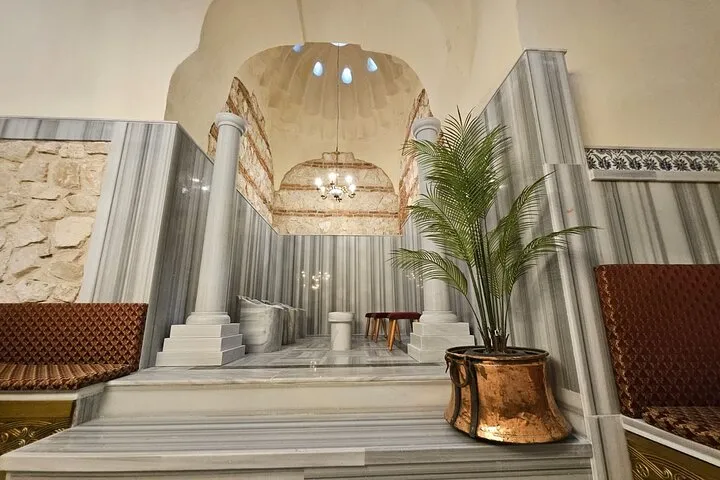
Bursa, once the capital of the Ottoman Empire, is another historical hub for thermal wellness. Its ancient hamams, many dating back to Ottoman times, offer a traditional experience. The citys proximity to Uludağ mountain also allows for a combination of winter sports and thermal relaxation, making it a versatile destination throughout the year.
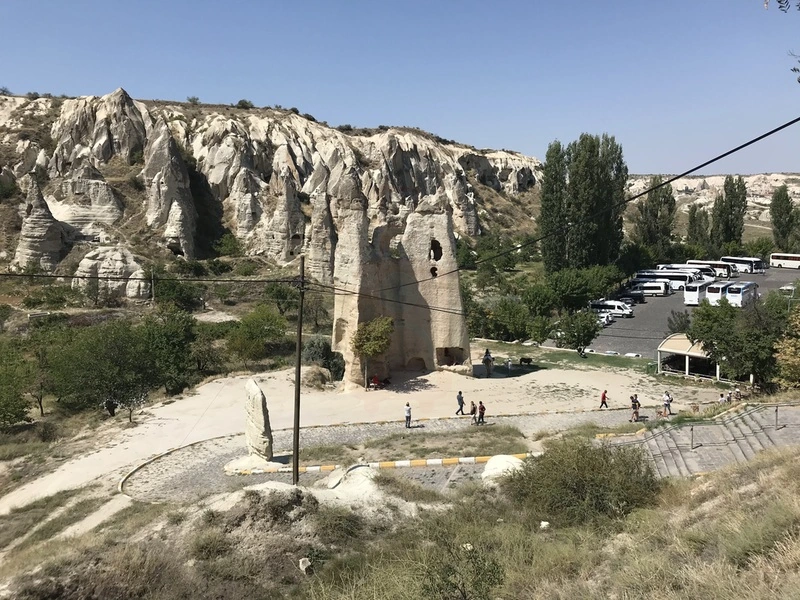
Cappadocia, with its surreal fairy chimney landscapes, has evolved into a unique wellness destination. Many boutique cave hotels now offer exquisite spa services, sometimes within the historical rock formations themselves. The serene environment and opportunities for hot air balloon rides at sunrise contribute to an overall sense of wonder and peacefulness, with growing numbers of yoga retreats establishing themselves here.
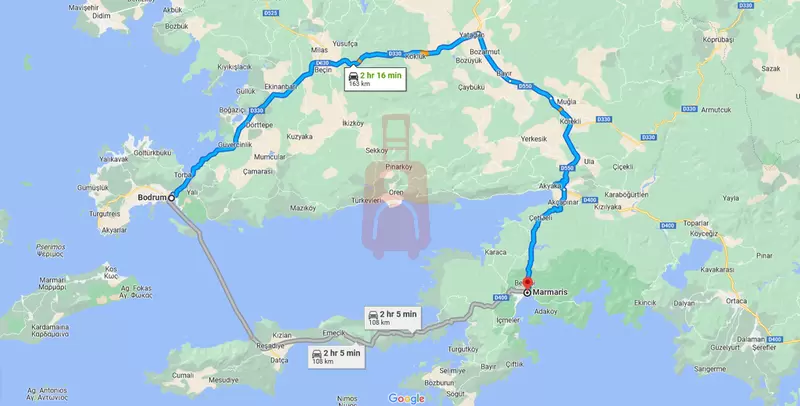
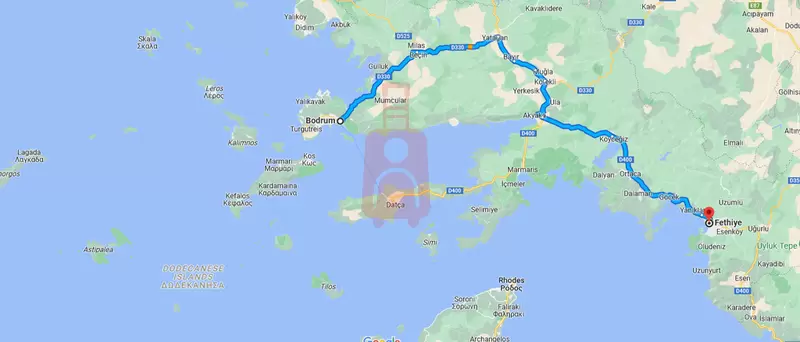
Along the Aegean and Mediterranean coasts, specific areas are popular for their comprehensive wellness offerings. Bodrum, a renowned luxury destination, hosts numerous high-end resorts with world-class spas and thalassotherapy centers. Similarly, Antalya, known for its extensive resort complexes, provides a wide range of spa services, often integrated into beachfront properties.
Fethiye, situated on Turkeys southwestern Turquoise Coast, offers a balance of natural beauty and opportunities for relaxation. While famous for paragliding, its tranquil bays, hidden coves, and the surrounding Lycian Way walking trails provide a perfect setting for nature-focused wellness. Boutique hotels and smaller resorts in areas surrounding Fethiye often feature spa services and provide access to serene environments for unwinding.
Even Istanbul, a bustling metropolis, provides numerous avenues for relaxation. The city is home to several historic Ottoman hamams that offer an authentic and immersive experience. Modern luxury hotels throughout Istanbul also feature state-of-the-art spas, providing a convenient escape from the urban pace.
Seasonal advice for wellness activities varies. Spring (April-May) and autumn (September-October) are generally ideal, offering mild weather perfect for exploring outdoor thermal baths, coastal walks, and attending retreats. The pleasant temperatures enhance the overall relaxation experience without the intensity of summer heat or winter chill.
Summer (June-August) is excellent for coastal thalassotherapy and sea-related wellness activities. While inland thermal resorts can be enjoyed year-round, the high temperatures might make extended outdoor thermal soaking less appealing. Indoor facilities, however, remain comfortable. Winter (November-March) is prime for indoor thermal experiences and hamams, often with fewer crowds and a cozy atmosphere.
Regarding safety, visitors should prioritize reputable establishments for hamam and spa services. Checking reviews and official certifications can help ensure quality and hygiene standards. Personal health conditions should always be considered before engaging in thermal treatments; consulting a medical professional is advisable, especially for pregnant individuals or those with heart conditions. Hydration is crucial when using thermal facilities, and designated lockers should always be utilized for securing personal belongings.
Visitors can expect a blend of tradition and modernity in Turkeys wellness sector. From the centuries-old customs of the hamam to innovative spa treatments, the experiences are diverse. The warmth of Turkish hospitality often enhances the sense of well-being, creating a welcoming and comfortable environment. Guests can anticipate a deep sense of rejuvenation, whether through a vigorous hamam scrub, a soothing thermal soak, or a peaceful meditation session amidst stunning scenery.
The variety of options means there is something for every budget and preference, from authentic local hamams to luxurious five-star resort spas. Language is generally not a barrier in tourist-focused areas, where English is commonly understood. Ultimately, a wellness and relaxation journey in Turkey offers a profoundly enriching sensory experience, leaving travelers feeling refreshed, revitalized, and connected to a rich cultural heritage.

