
Antalya: Best Places to Visit & Essential Travel Tips
07-09-2023 19:13
Explore Turkeys vibrant culinary and tasting experiences, from immersive street food tours in bustling cities to hands-on Anatolian cooking classes. Visitors delve into diverse flavors, learning traditional preparation methods from local chefs. Savor authentic dishes like savory kebabs, fresh mezes, and sweet baklava. These activities highlight Turkeys rich gastronomic heritage, rooted in cultural exchange and fresh ingredients, offering deep cultural insight.


Are you ready to elevate your travel business? By becoming a registered agent with Tourka, you will unlock a world of exclusive opportunities. We provide our partners with competitive pricing, an easy-to-use booking platform, and a wide range of travel products tailored to your clients' needs.
Join Now




Turkey offers a rich tapestry of culinary and tasting experiences, inviting travelers to embark on a flavorful journey through its diverse gastronomic landscape. From bustling urban centers to serene coastal towns and ancient Anatolian plains, the countrys cuisine reflects a history of empires, trade routes, and regional distinctiveness.
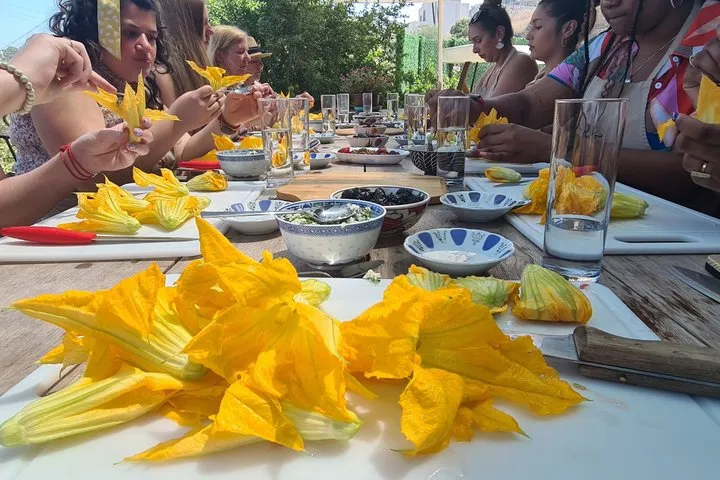
Engaging in culinary activities in Turkey typically involves a variety of immersive opportunities. This can range from participation in a hands-on cooking class, where visitors learn to prepare traditional dishes like börek or dolma, to guided street food tours exploring the vibrant markets and local eateries. Many experiences also focus on tasting specific regional delicacies, often accompanied by explanations of their cultural significance and preparation methods.
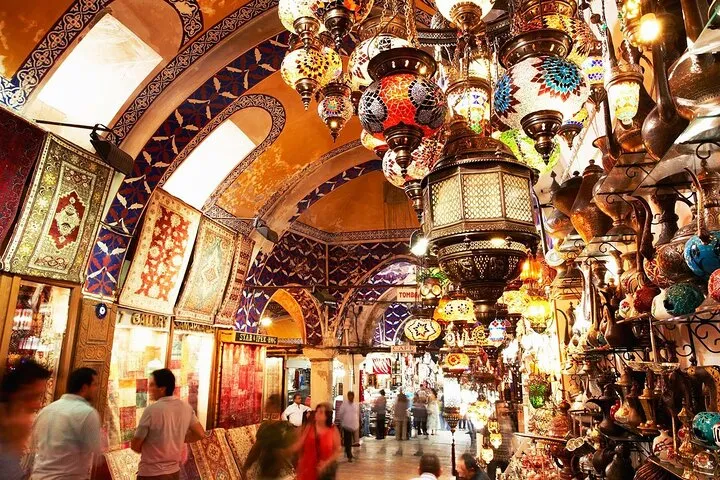
Market visits are a cornerstone of Turkish culinary exploration. Guests can wander through spice markets, local produce bazaars, and fish markets, encountering a sensory overload of aromas, colors, and sounds. These excursions often include sampling seasonal fruits, local cheeses, olives, and understanding the ingredients integral to Turkish cooking. Coffee and tea tasting rituals, particularly Turkish coffee fortune-telling, also provide cultural insights.
For those seeking a deeper dive, culinary workshops in a local home or a professional kitchen offer practical skills. These sessions often cover techniques for making mezes, preparing a main course such as a lamb stew, or mastering the art of Turkish desserts like baklava. The emphasis is on understanding the balance of flavors and the communal aspect of food in Turkish culture.
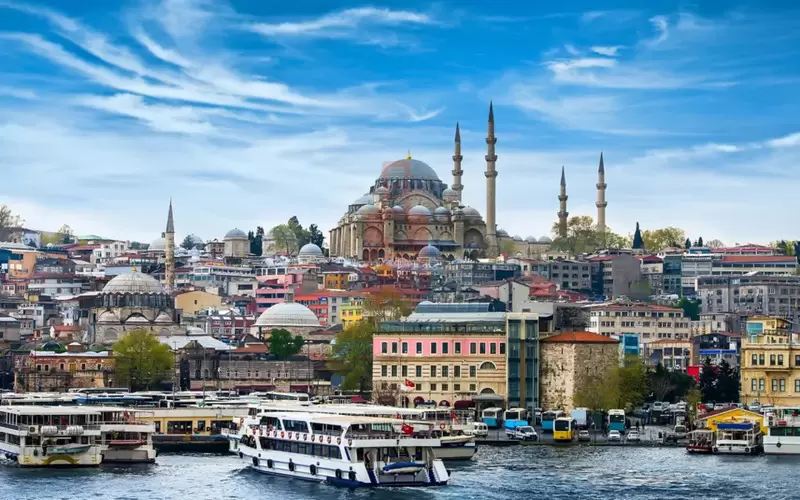
Turkeys culinary heart beats strongly in **Istanbul**, a city that epitomizes the countrys food diversity. Here, visitors can explore the historic Spice Market, taste diverse street foods like simit, balik ekmek (fish sandwich), and various kebabs. The city also boasts an array of traditional lokantas offering home-style dishes, as well as sophisticated restaurants providing modern interpretations of Turkish cuisine. Beyoğlu and Kadıköy are particularly rich areas for varied dining and tasting options.
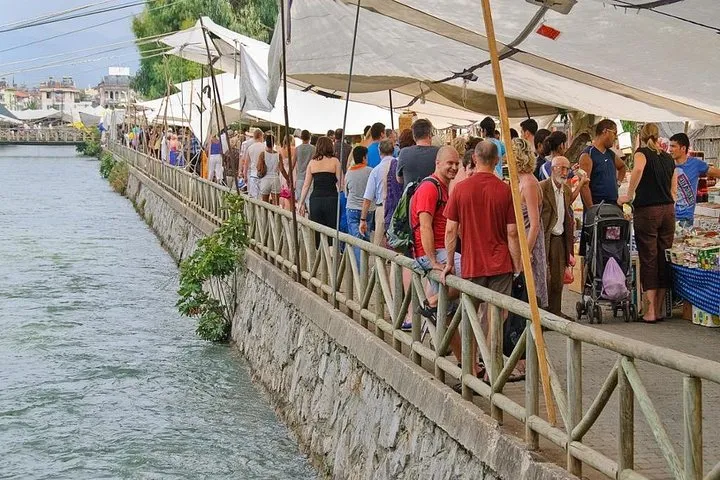
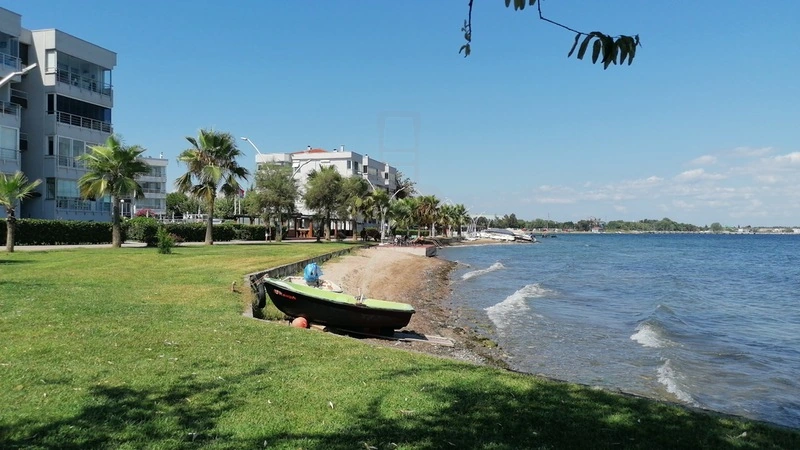
Along the **Aegean and Mediterranean Coasts**, specifically in regions like Izmir, Bodrum, and Fethiye, the focus shifts to olive oil, fresh seafood, and an abundance of seasonal vegetables. The cuisine here is often lighter, characterized by fresh herbs, grilled fish, and an extensive array of mezes served with raki. In Fethiye, the local fish market allows guests to choose their fresh catch and have it cooked on the spot by surrounding restaurants, a unique interactive dining experience.
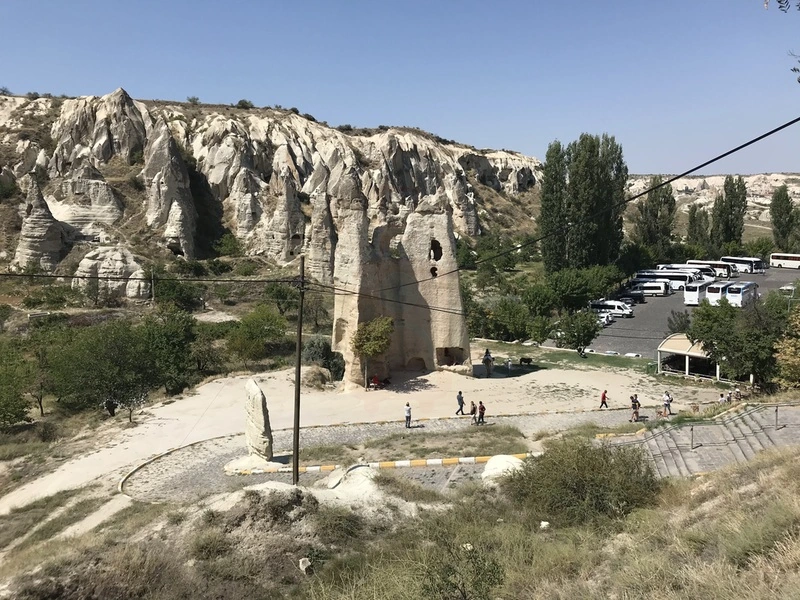
**Cappadocia**, with its unique lunar landscape, offers a distinct culinary profile. Dishes here often feature slow-cooked meats and vegetables, frequently prepared in traditional clay pots (testi kebabı) and cooked over an open fire. Regional wines, produced from indigenous grape varieties grown in volcanic soil, are also a highlight, with opportunities for vineyard tours and wine tastings.
No culinary journey through Turkey is complete without venturing into **Southeastern Anatolia**, particularly Gaziantep and Şanlıurfa. Gaziantep is recognized by UNESCO as a City of Gastronomy, famed for its intricate baklava, pistachio-laden desserts, and a vast array of kebabs and stews. Şanlıurfa is renowned for its spicy flavors, exceptional lahmacun, and çiğ köfte, offering a robust and unforgettable tasting experience.
The **Black Sea Region**, including cities like Trabzon and Rize, presents a different culinary character. Anchovies (hamsi) are a staple, prepared in numerous ways from fried to baked in bread. Cornbread (mısır ekmeği) and a variety of hearty stews are also prominent. This region is also the heartland of Turkish tea production, providing opportunities for tea plantation visits and tasting sessions.
Seasonal timing plays a significant role in maximizing culinary experiences. **Spring and autumn** generally offer the most pleasant weather for outdoor dining, market explorations, and comfortable travel across regions. The bounty of fresh produce is particularly vibrant during these seasons, making ingredient-focused tours especially rewarding.
During the **summer months**, coastal areas are ideal for enjoying light, fresh seafood and vegetable dishes. Many culinary experiences adapt to the warmer climate, focusing on refreshing salads, grilled items, and cool beverages. Inland regions might experience hotter temperatures, so indoor culinary activities or evening dining are often preferred.
**Winter** in Turkey brings heartier fare to the forefront. Rich stews, warming soups, and robust meat dishes become more prevalent. This season is perfect for exploring indoor cooking classes, enjoying hot Turkish tea or sahlep, and experiencing the comfort of traditional Turkish hospitality around a warm meal.
When engaging in culinary activities, safety considerations primarily revolve around food hygiene. It is advisable to choose establishments that appear clean and well-maintained. For street food, observe where locals are queuing, as this often indicates popular and reputable vendors. Drinking bottled water is recommended, particularly for those with sensitive stomachs.
Visitors with dietary restrictions or allergies should communicate these clearly. While some Turkish dishes are naturally vegetarian or gluten-free, cross-contamination is possible, and certain ingredients might be unexpected. Learning a few basic Turkish phrases related to allergies can be helpful.
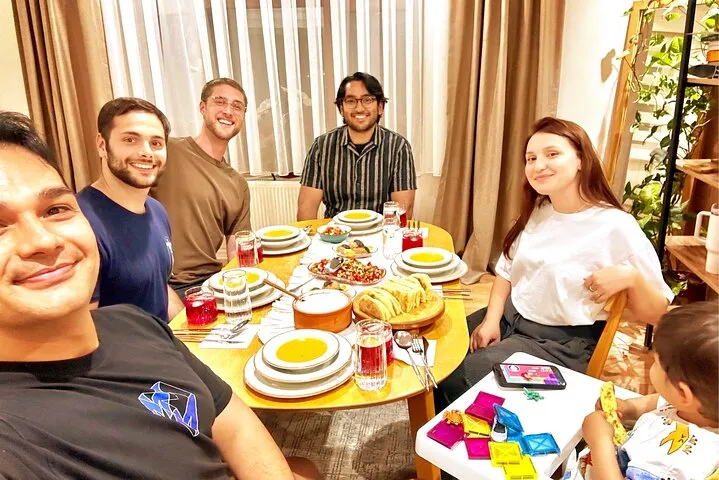
Guests can expect a genuinely hospitable and often generous approach from Turkish hosts and vendors. Food in Turkey is deeply intertwined with social life and generosity. Portions can be substantial, and offers of complimentary tea or extra servings are common, reflecting the cultures welcoming spirit. The overall experience is usually very interactive and sensory-rich.
The culinary landscape offers a range of price points, from very affordable street food and local eateries to upscale fine dining experiences. This accessibility means that engaging with Turkish cuisine can fit various travel budgets. Most culinary tours or cooking classes clearly outline their inclusions and costs beforehand.
Ultimately, a culinary and tasting journey through Turkey provides not just a feast for the palate but also a profound cultural immersion. It is an opportunity to connect with local traditions, understand the rhythm of daily life, and appreciate the historical influences that have shaped one of the worlds most celebrated cuisines.

