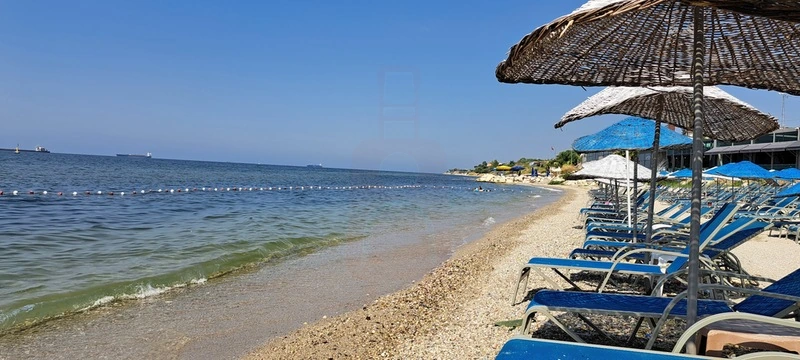
Most Popular 10 Beaches in Beylikdüzü
21-01-2025 00:10
Immerse in Turkeys rich culture through hands-on arts and local skill workshops. Explore traditional crafts: carpet weaving, ceramics, calligraphy, ebru marbling. Techniques passed down generations offer insight into Turkish artistry. Witness skilled artisans crafting pottery, textiles, decorative arts. Such engagement connects visitors to Turkeys distinctive heritage, a popular cultural draw.




Are you ready to elevate your travel business? By becoming a registered agent with Tourka, you will unlock a world of exclusive opportunities. We provide our partners with competitive pricing, an easy-to-use booking platform, and a wide range of travel products tailored to your clients' needs.
Join Now
Turkey offers an unparalleled journey into a world rich with arts, culture, and the enduring legacy of local skills. Beyond its stunning landscapes and historical sites, the country presents a profound opportunity for visitors to engage directly with its vibrant creative traditions. This guide explores the diverse array of hands-on experiences available, inviting travelers to not merely observe, but to participate in the crafting of Turkish heritage.
Engaging with local skills in Turkey means immersing oneself in practices passed down through generations. These activities often involve workshops or demonstrations led by master artisans, providing a direct connection to the countrys artistic soul. It is a chance to understand the intricate processes behind iconic Turkish creations and to appreciate the dedication embedded in each piece.
One of the most celebrated local skills is **pottery and ceramics**. The tradition of shaping clay into beautiful and functional objects dates back millennia in Anatolia. Visitors can find workshops focusing on various techniques, from traditional hand-building to wheel throwing, often adorned with intricate patterns inspired by Ottoman or Seljuk designs.
Avanos, nestled in the heart of Cappadocia, is arguably Turkeys most renowned center for pottery. Situated on the banks of the Kızılırmak (Red River), which provides the distinctive red clay, Avanos hosts numerous family-run workshops. Here, visitors can learn traditional Hittite kick-wheel techniques, observing and then attempting to create their own pieces under expert guidance. Many workshops also offer the chance to paint existing ceramics, applying vibrant glazes and traditional motifs.
Beyond Avanos, the legacy of **Iznik tiles** is deeply impressive. While direct production workshops for these specific, highly detailed historical tiles are rare for tourists, museums and cultural centers in Istanbul and Iznik itself often provide insights into their complex creation. Smaller-scale tile painting workshops, inspired by Iznik designs, can be found in various tourist hubs.
**Textile arts**, particularly carpet and kilim weaving, represent another cornerstone of Turkish culture. The intricate patterns, rich colors, and symbolic motifs tell stories of nomadic heritage and regional identity. Central Anatolia and parts of Eastern Turkey are traditional strongholds of this craft.
While learning to weave an entire carpet is a lengthy process, many cultural centers and artisan cooperatives offer shorter introductory workshops. These sessions often focus on understanding different knotting techniques, recognizing regional patterns, and even trying ones hand at a small tapestry or a section of a kilim. Places like Konya and surrounding villages are excellent for exploring this craft.
Another fascinating textile skill is **felt making**, especially prominent in regions like Cappadocia and Central Anatolia. Traditional felt (keçe) is crafted by compressing wool fibers using heat, moisture, and friction. Workshops allow participants to create small felt items, from decorative pieces to functional accessories, experiencing a truly ancient and tactile art form.
**Ebru, the art of Turkish paper marbling**, offers a mesmerizing and unique experience. This ancient technique involves floating paints on a viscous liquid surface, manipulating them with styluses to create intricate patterns, and then transferring the design onto paper. Istanbul is the primary hub for Ebru art, with numerous studios and cultural centers offering introductory courses.
Visitors can expect to learn the basic principles of preparing the water and paints, then experiment with creating various traditional Ebru patterns like battal (stone), gelgit (back and forth), or şal (shawl). It is a meditative process that yields beautiful, one-of-a-kind results, and participants typically take home their marbled creations.
**Calligraphy and miniature painting** represent the refined elegance of Ottoman artistic traditions. While mastery requires years of dedication, introductory workshops provide a glimpse into the discipline and beauty of these art forms. These are predominantly found in Istanbul, especially in areas with a strong historical connection to Ottoman culture, offering basic lessons in script forms or miniature painting techniques.
**Copperware and metalwork** thrive in cities like Gaziantep and Mardin in Southeastern Anatolia. Here, generations of artisans have hammered, engraved, and shaped copper into decorative and utilitarian objects. Visiting the coppersmiths bazaars is an experience in itself, with workshops often open for observation. Some artisans may offer short demonstrations or simple hammering experiences for interested visitors.
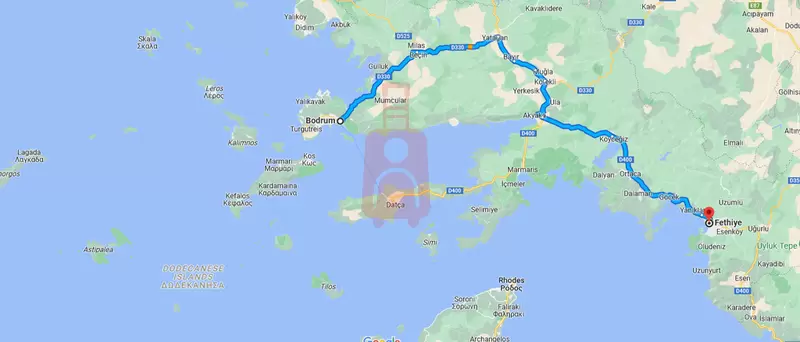
Even in popular coastal regions like the Aegean, including the vicinity of Fethiye, visitors can discover local skills, albeit often on a smaller scale. While not a major hub for a single specific craft, smaller villages around Fethiye and its wider region might offer workshops in olive oil soap making, basket weaving, or traditional food preparation. Local markets are good places to inquire about such opportunities from local vendors and artisans.
When considering the best time for these activities, most indoor workshops and cultural centers operate year-round. However, spring (April-May) and autumn (September-October) offer the most pleasant weather for exploring regions like Cappadocia or Southeastern Anatolia, allowing for comfortable travel between different artisan locations. During summer, indoor activities provide a welcome respite from the heat, while winter months can offer a more intimate, less crowded experience.
Visitors can generally expect a welcoming atmosphere in these artisan workshops. While English proficiency can vary, demonstrations are often clear, and the universal language of art bridges any communication gaps. Most workshops provide all necessary materials, and participants typically leave with a small creation as a tangible memory of their experience.
Safety in these settings is typically high. Artisans are accustomed to guiding beginners, ensuring tools are used properly. It is always wise to listen carefully to instructions and be mindful of your surroundings, especially when working with heat or sharp objects. Dressing comfortably in clothes that you do not mind getting slightly messy is advisable for activities involving paints or clay.
Engaging with Turkeys arts, culture, and local skills offers more than just a souvenir; it provides a deep, hands-on connection to the countrys soul. These experiences foster an understanding of history, tradition, and the human endeavor to create beauty, leaving travelers with lasting memories and a unique perspective on this remarkable land.

