Antalya: Best Places to Visit & Essential Travel Tips
07-09-2023 19:13

Türkiye's profound historical depth offers a unique opportunity to engage with the past through [Historical Reenactments] and living history displays. These events are not just performances; they are immersive cultural experiences that breathe life into military traditions, imperial ceremonies, and foundational myths of the Ottoman, Seljuk, and Roman eras. For travelers, aligning a trip with these specific festivals or dedicated museum experiences provides a visceral, unforgettable connection to Türkiye's diverse heritage.
As your professional guide, I confirm that these experiences range from spontaneous cultural festivals and dedicated museum dioramas to massive, organized events celebrating key historical milestones. The focus is on authentic costumes, historical combat sports, and the preservation of ancient martial arts.
The cultural legacy of the nomadic Turkish tribes and the subsequent Ottoman Empire is best preserved through displays of equestrian skill and military arts.
The [Turkish Horseback Archery] (Atlı Okçuluk) tradition is one of the most exciting living history displays. Rooted in the [Mounted Steppe Culture] of Central Asia and refined by the Ottomans for warfare and courtly sport, these events showcase incredible skill where riders shoot arrows at targets while galloping at full speed.
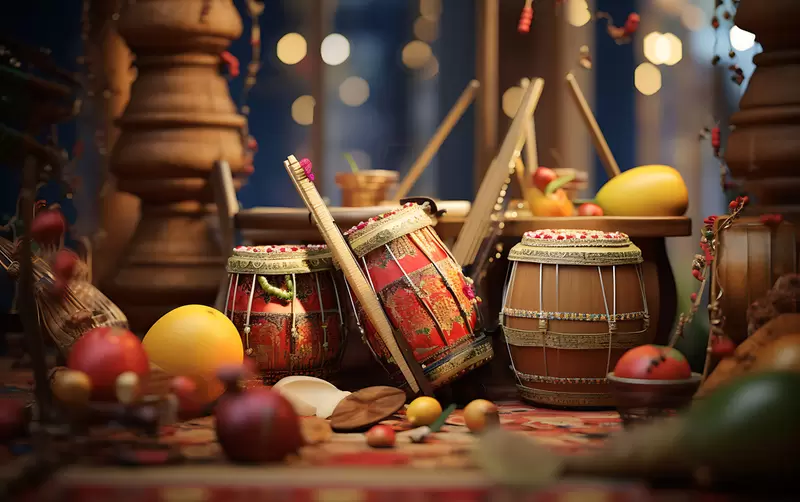
Although not a reenactment of combat, the [Mehter Takımı] (Ottoman Military Band) performs a powerful, historically accurate soundscape of the Ottoman military campaigns. Their music, played with loud brass instruments and unique percussion (like the davul drum), is a regular feature at public festivals, state ceremonies, and tourist attractions (e.g., outside the [Military Museum] in [Istanbul]), serving as a constant reminder of the imperial military presence.
For visitors interested in military history and specific historical moments, dedicated museums use state-of-the-art diorama and living history techniques to provide detailed visual context.
The [Hisart Live History and Diorama Museum] (Istanbul) is an essential destination for those seeking hyper-realistic historical context. The museum is structured chronologically, using detailed [Dioramas] and genuine artifacts to bring history to life:
While large-scale Roman battle reenactments are rarer, the context for ancient life is often integrated into ongoing archaeological sites and festivals:
The best way to witness large-scale historical and cultural reenactments is by planning a trip around the [Türkiye Kültür Yolu Festivali] (Turkish Culture Route Festivals). This long-running, multi-city festival series, often running from [Spring through Autumn] (April to November), ensures major cultural and performance events are taking place across the country.
A journey focused on [Historical Reenactments] in Türkiye allows the traveler to transition from observing history in museums to participating in its living traditions, creating a dynamic and immersive understanding of Anatolia’s military and cultural past.
See the must-visit cities and sites trending today.
Kayseri Archaeology Museum (Turkish: Kayseri Arkeoloji Müzesi) is an archaeological museum in Kayseri, Turkey. It was founded in 1958, and is located in the city center. The museum's collection includes over 100,000 objects, including sculptures, mosaics, inscriptions, and pottery. The collection focuses on the history of Kayseri from the Neolithic period to the present day. The museum also has a library, a research center, and a gift shop.
The Ethnography Museum of Ankara (Turkish: Ankara Etnografya Müzesi) is a museum in Ankara, Turkey. It is located in the Ulus district, and was founded in 1927. The museum has a collection of over 25,000 objects from the Neolithic Age to the present day. The collection includes objects from Anatolia, the Middle East, and Central Asia. The museum is divided into three sections: the Anatolian section, the Islamic section, and the Central Asian section. The Anatolian section contains objects from the Neolithic Age to the Ottoman Empire. The Islamic section contains objects from the Seljuk Empire to the Ottoman Empire. The Central Asian section contains objects from Central Asia, including textiles, jewelry, and musical instruments.
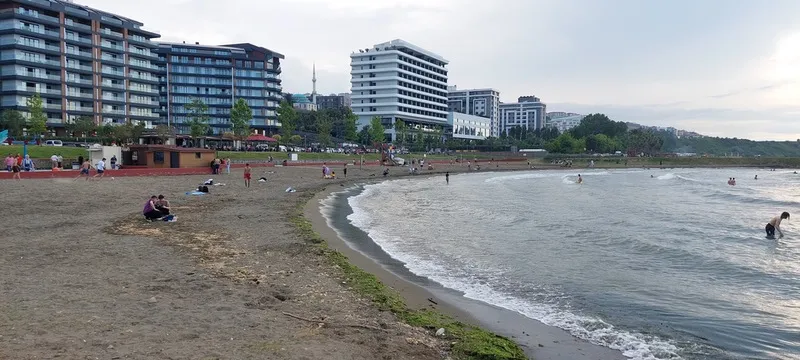
Yörükali Tesisleri, located on the island of Büyükada in Istanbul’s Adalar district, offers a serene beach retreat with stunning views of the Marmara Sea. This family-friendly beach facility provides a range of amenities, including sunbeds, umbrellas, showers, and changing rooms, ensuring a comfortable visit. The calm waters are perfect for swimming, while the on-site café and restaurant offer a variety of refreshments and meals throughout the day. Yörükali Tesisleri also has accommodations for those who want to extend their stay. Easily accessible by ferry from Istanbul, it’s a popular spot for both day-trippers and those seeking a peaceful weekend getaway in a beautiful island setting.
Istanbul Military Museum (Turkish: İstanbul Askeri Müzesi) is a military museum in Istanbul, Turkey. It is located in the Tophane district, and is part of the Turkish Armed Forces. The museum was founded in 1846, and has a collection of over 30,000 artifacts. The collection includes weapons, uniforms, flags, and documents from the Ottoman Empire and the Republic of Turkey. The museum also has a library, a research center, and a gift shop.
Adam Mickiewicz Museum, Istanbul (Turkish: Adam Mickiewicz Müzesi) is a museum in Istanbul, Turkey, dedicated to the Polish poet, writer, and philosopher Adam Mickiewicz. The museum is located in the former home of Mickiewicz's friend, the Polish painter Piotr Michałowski. The museum was founded in 1955, and has a collection of over 5,000 objects, including manuscripts, letters, books, and paintings. The museum also has a library, a research center, and a gift shop.
Mardin Museum (Turkish: Mardin Müzesi) is a museum in Mardin, Turkey, that houses a collection of artifacts from the region. The museum was founded in 1948, and is located in the city center. The museum's collection includes over 5,000 objects, including sculptures, mosaics, inscriptions, and pottery. The collection focuses on the history of Mardin from the Neolithic period to the present day. The museum also has a library, a research center, and a gift shop.
Bursa Archaeological Museum (Turkish: Bursa Arkeoloji Müzesi) is a museum in Bursa, Turkey, dedicated to the history of the city. The museum is located in the city center, near the Ulu Cami. The museum was founded in 1924, and has a collection of over 10,000 objects from the Neolithic, Bronze Age, Classical, Hellenistic, Roman, Byzantine, and Ottoman periods. The museum is divided into four sections: the pre-Ottoman section, the Ottoman section, the modern section, and the library. The pre-Ottoman section contains objects from the Neolithic, Bronze Age, Classical, Hellenistic, and Roman periods. The Ottoman section contains objects from the Byzantine and Ottoman periods. The modern section contains objects from the 19th and 20th centuries. The library contains books, journals, and manuscripts about the history of Bursa.
Diyarbakır Museum (Turkish: Diyarbakır Müzesi) is a museum in Diyarbakır, Turkey, dedicated to the history of the city. The museum is located in the center of the city, near the Ulu Cami. The museum was founded in 1926, and has a collection of over 10,000 objects from the Neolithic, Bronze Age, Classical, Hellenistic, Roman, Byzantine, and Ottoman periods. The museum is divided into four sections: the pre-Ottoman section, the Ottoman section, the modern section, and the library. The pre-Ottoman section contains objects from the Neolithic, Bronze Age, Classical, Hellenistic, and Roman periods. The Ottoman section contains objects from the Byzantine and Ottoman periods. The modern section contains objects from the 19th and 20th centuries. The library contains books, journals, and manuscripts about the history of Diyarbakır.
Archaeological Museum of Çanakkale (Turkish: Çanakkale Arkeoloji Müzesi) is a museum in Çanakkale, Turkey, dedicated to the history of the region. The museum is located in the center of the city, near the Ulu Cami. The museum was founded in 1942, and has a collection of over 10,000 objects from the Neolithic, Bronze Age, Classical, Hellenistic, Roman, Byzantine, and Ottoman periods. The museum is divided into four sections: the prehistoric section, the classical section, the medieval section, and the modern section. The prehistoric section contains objects from the Neolithic, Bronze Age, and Classical periods. The classical section contains objects from the Hellenistic and Roman periods. The medieval section contains objects from the Byzantine and Ottoman periods. The modern section contains objects from the 19th and 20th centuries.
Bilecik Museum (Turkish: Bilecik Müzesi) is a museum in Bilecik, Turkey. It is located in the center of the city, near the Bilecik Castle. The museum was founded in 1969, and has a collection of over 10,000 objects from the Neolithic, Bronze Age, Classical, Hellenistic, Roman, Byzantine, and Ottoman periods. The museum is divided into three sections: the ancient city section, the medieval city section, and the modern city section. The ancient city section contains objects from the Neolithic, Bronze Age, Classical, Hellenistic, and Roman periods. The medieval city section contains objects from the Byzantine and Ottoman periods. The modern city section contains objects from the 19th and 20th centuries.
We'll check with our local operators to finalize the best plan and price for you, guaranteed within 24 hours.