Most Popular 10 Beaches in Beylikdüzü
21-01-2025 00:10
Geographically Indicated Products (GIPs) are unique goods that derive their quality and reputation from specific geographical origins. In Turkey, these products reflect the rich agricultural heritage and diverse local traditions. Notable examples include Turkish olives, famed for their distinct flavors, and the renowned Antep pistachios, prized for their quality. Other GIPs include various cheeses, such as Çamlıhemşin and Ezine, alongside traditional crafts like Turkish carpets. Visitors can explore local markets and artisanal shops to experience authentic tastes and craftsmanship. Sampling these products not only supports local economies but also offers a deeper understanding of the region's culture and culinary heritage.
Geographically Indicated Products in Turkey
Turkey is home to a rich array of Geographically Indicated Products (GIPs) that reflect its diverse regions and cultural heritage. These products are not only celebrated for their unique qualities but also for the traditions behind their production. Exploring these GIPs offers a fascinating journey through Turkey's landscapes and local customs.
Location and Notable GIPs
Turkey's diverse geography contributes to its wide variety of GIPs. Regions such as Aegean, Marmara, and Southeastern Anatolia are particularly known for their specialty products. For instance, the Aegean region is famous for its olive oils, especially from Ayvalık, while Gaziantep is renowned for its pistachios and baklava. The unique terroir of each area imparts distinct flavors and qualities to these products.
Facilities and Local Markets
Visitors can find numerous facilities dedicated to the production and sale of GIPs. Local markets, such as the Grand Bazaar in Istanbul and the local bazaars in Gaziantep, offer a vibrant atmosphere where travelers can sample and purchase authentic products. Many regions also have farms and workshops where tourists can engage in hands-on experiences, such as olive oil tasting or pottery making.
Water Sports Opportunities
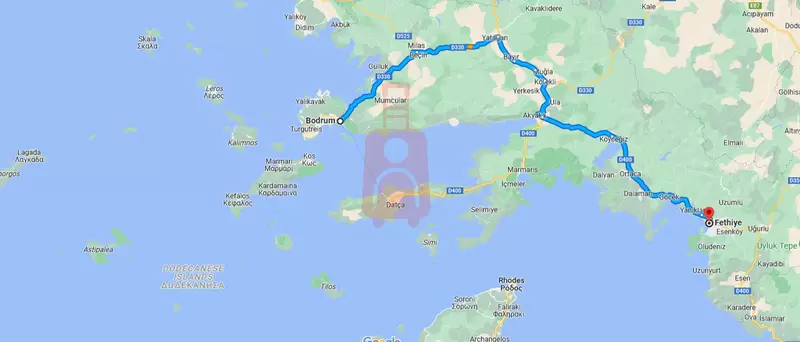
While exploring GIPs, visitors can also enjoy various water sports along Turkey's stunning coastlines. Regions like Bodrum and Fethiye offer activities such as sailing, snorkeling, and diving, providing a perfect blend of culinary exploration and adventure. The clear waters of the Aegean and Mediterranean seas enhance the experience, making it a great way to relax after tasting local delicacies.
Nearby Attractions
Many GIP areas are near significant historical and natural attractions. For example, while in Gaziantep for its pistachios, visitors can explore the ancient city of Zeugma and its stunning mosaics. In the Aegean region, travelers can visit the ancient ruins of Ephesus and enjoy the beautiful beaches of Çeşme. Each location offers a unique backdrop that enriches the experience of discovering local products.
Accessibility
Turkey is well-connected with a network of roads, domestic flights, and public transport, making it easy to access regions known for their GIPs. Major cities like Istanbul, Izmir, and Antalya serve as gateways to various GIP locations, with frequent bus and train services available to reach smaller towns and rural areas.
Best Time to Visit
The best time to explore Turkey's Geographically Indicated Products is during the spring (April to June) and autumn (September to November) months. During these seasons, temperatures range from 15°C to 25°C, providing a pleasant climate for outdoor activities and market visits. Additionally, these periods coincide with harvest times for many local products, allowing visitors to experience the freshness of seasonal offerings.
In summary, Turkey's Geographically Indicated Products offer a rich tapestry of flavors and traditions that reflect the country's diverse heritage. From vibrant local markets to stunning landscapes and exciting water sports, each region provides a unique experience for travelers eager to explore Turkey's culinary treasures.
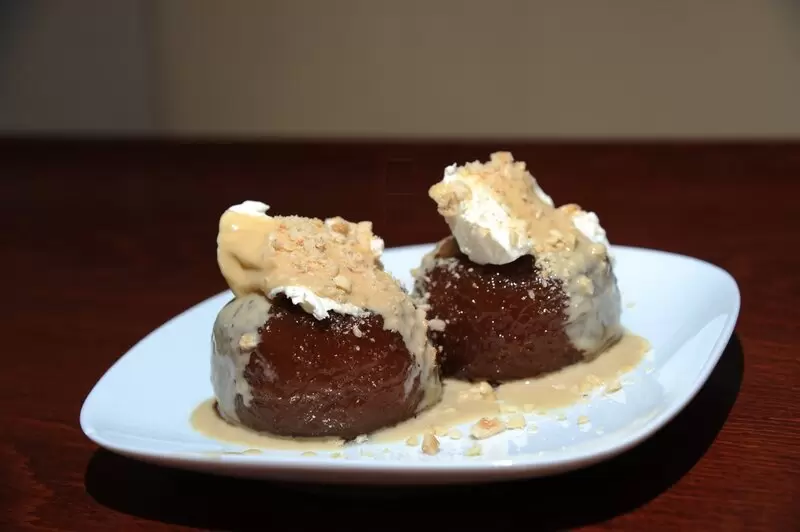
Hayrabolu Dessert is a traditional sweet from Hayrabolu in Tekirdağ, made with semolina and unsalted cheese, and soaked in syrup. First produced in 1972 and initially called Kadı Göbeği Tatlısı, it is now synonymous with the region’s culinary heritage. The dessert is available in two forms: dried and pre-cooked for long-term storage or syrup-soaked for immediate enjoyment. Known for its rich, sweet flavor and unique texture, Hayrabolu Dessert is a must-try treat that reflects the traditional tastes and techniques of its origin.
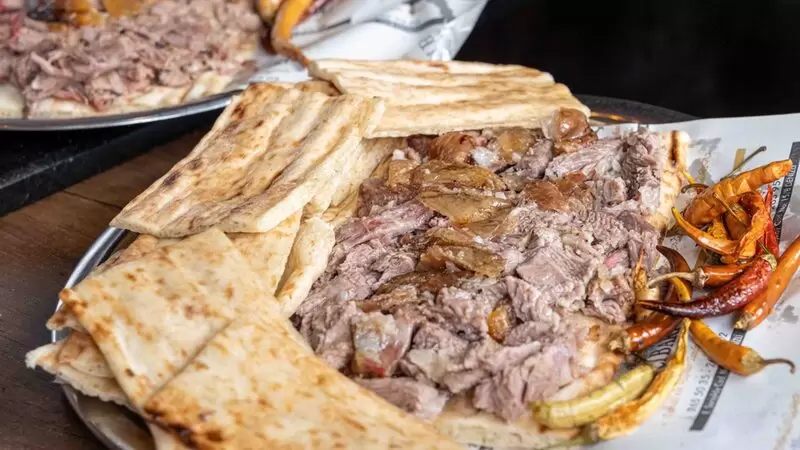
Denizli Tandır Kebab is a traditional dish from Denizli, prepared using tender meat from milk-fed lambs under one year old. The meat is cooked in a special tandır oven heated with mastic tree wood, allowing it to cook slowly in its own fat, resulting in a rich, smoky flavor and tender texture. This delicacy is made using traditional methods, with precise attention to cooking temperature, meat arrangement, and duration, requiring great expertise. Served with freshly baked pide bread, Denizli Tandır Kebab is a true reflection of the region’s culinary heritage and a must-try for visitors.
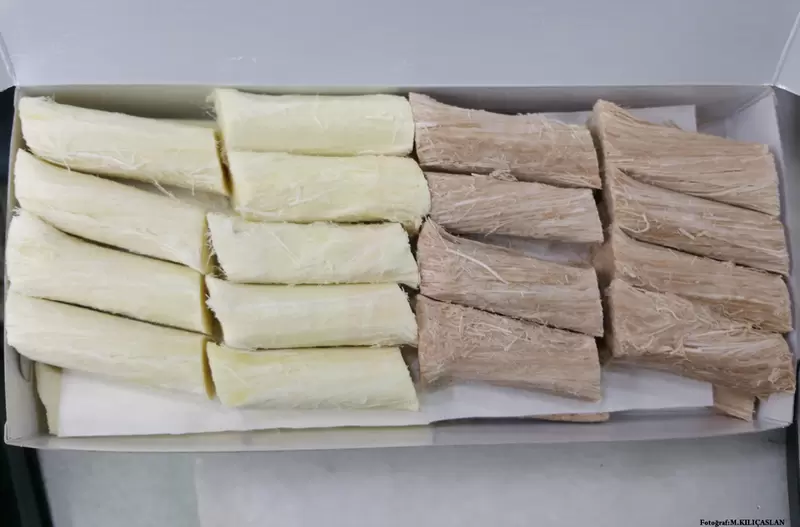
Eskisehir Met Halva is a traditional Turkish confectionery made from flour, sugar, butter, citric acid, and water, crafted into fibrous, round pieces with a unique texture. Named after a traditional street game involving a stick, it carries cultural significance tied to local traditions. The halva is prepared through a meticulous process, including dough preparation, syrup boiling, whitening, pulling, and shaping. With a natural shelf life of three months or up to a year when vacuum-sealed, Eskisehir Met Halva is a delicious and enduring representation of Eskisehir’s culinary heritage.
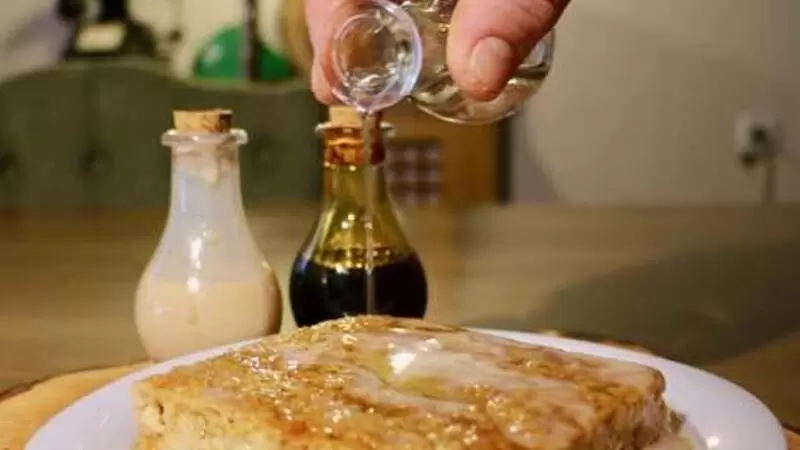
Sivrihisar Höşmerim Dessert is a traditional treat from Sivrihisar, made by roasting full-fat cream, flour, and a pinch of salt. The cream, sourced from cow’s milk, gives the dessert its distinctive light texture and rich flavor. Often served fresh after meals or during festive family gatherings, it reflects the region’s culinary heritage. Topped with grape molasses or optionally enjoyed with syrup or condensed milk, Sivrihisar Höşmerim offers a versatile and indulgent taste experience, making it a must-try for visitors to the area.
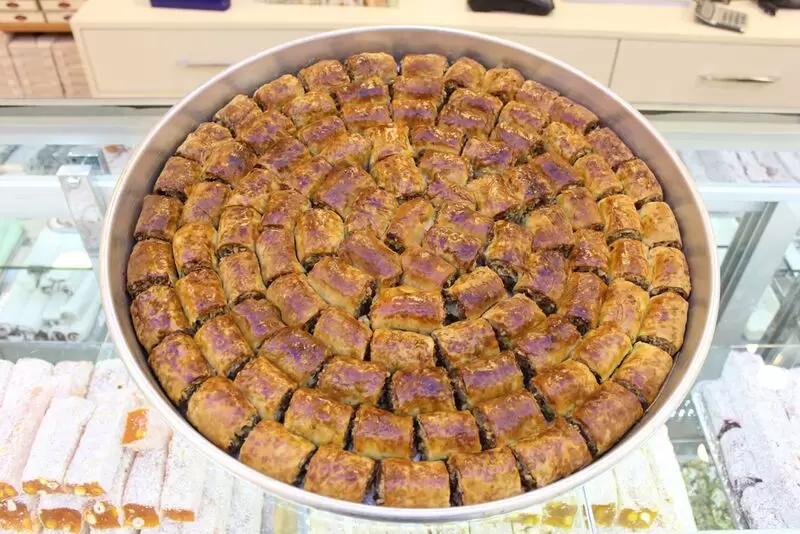
Bafra Nokulu is a traditional dessert from the Bafra region, often called syrup-free baklava. It is made from yeast-leavened dough filled with a mixture of walnuts, dried yellow raisins, sugar, and other ingredients. Unlike similar pastries, it does not include baking powder or eggs, and the addition of vinegar to the dough gives it a unique crisp texture. Bafra Nokulu reflects the region’s cultural heritage and requires skilled craftsmanship to prepare, making it a special and beloved treat for locals and visitors alike.
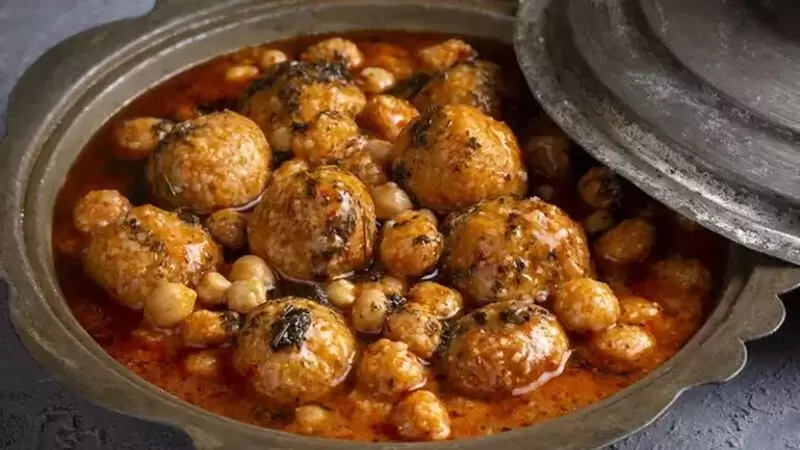
Adana Analı Kızlı is a traditional soup from Adana, featuring stuffed dumplings called ana and smaller unstuffed bulgur balls known as kız. The larger dumplings are filled with a savory mixture of lamb, onion, pepper paste, margarine, and parsley, while the smaller ones are made from bulgur and semolina dough. These are cooked in a flavorful broth with chickpeas, onion, pepper paste, and spices. Known for its delicate preparation and rich taste, this dish symbolizes the culinary heritage of Adana, where recipes and techniques are passed down through generations.
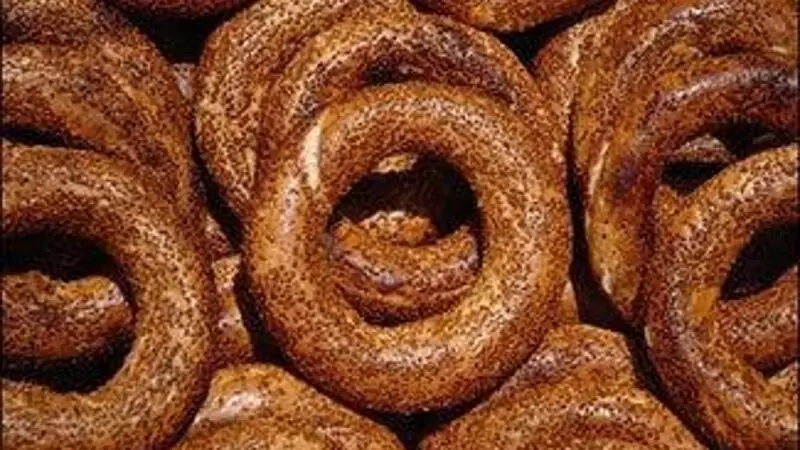
Samsun Bagel is a traditional baked good from Samsun, known for its minimal yeast content and short fermentation process. Its semi-firm dough is enriched with molasses, often made from grapes, mulberries, apples, or pears, giving it a unique, subtly sweet flavor. Generously coated with sesame seeds, with 20 kilograms of sesame used per 100 kilograms of flour, it offers a nutty crunch that complements its soft interior. Samsun Bagel reflects the region’s rich culinary heritage and is a popular choice for a flavorful and satisfying snack.
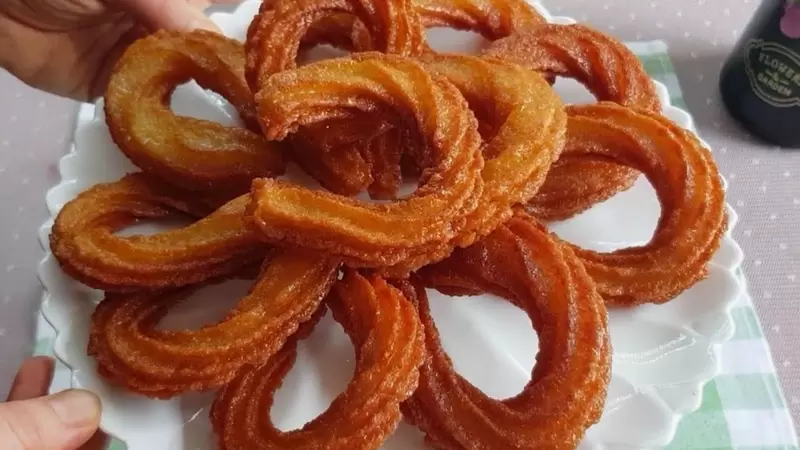
Adana Halka Dessert is a traditional syrup-soaked pastry from Adana, shaped into 10-12 cm rings with a crispy exterior and soft interior. Made with wheat semolina, flour, baking soda, and water, the yeast-free dough is piped through a star-shaped nozzle into hot sunflower oil for frying. The fried rings are then dipped in syrup at room temperature, giving the dessert its signature sweetness and texture. Known for its fresh preparation and unique flavor, Adana Halka Dessert is a beloved treat in Adana’s culinary scene, enjoyed by locals and visitors alike.