
Most Popular 10 Beaches in Beylikdüzü
21-01-2025 00:10

Turkeys wine and beverage tasting tours reveal a rich viticultural heritage. Explore diverse regions, discovering unique indigenous grape varietals like Kalecik Karası and Öküzgözü. Tours showcase ancient traditions and modern winemaking techniques. Beyond wine, sample traditional rakı, artisanal coffees, and herbal teas. Its popularity stems from Turkeys millennia-old winemaking history, distinct terroir, and the opportunity to pair exquisite flavors with local cuisine, offering an authentic cultural immersion.

Are you ready to elevate your travel business? By becoming a registered agent with Tourka, you will unlock a world of exclusive opportunities. We provide our partners with competitive pricing, an easy-to-use booking platform, and a wide range of travel products tailored to your clients' needs.
Join Now


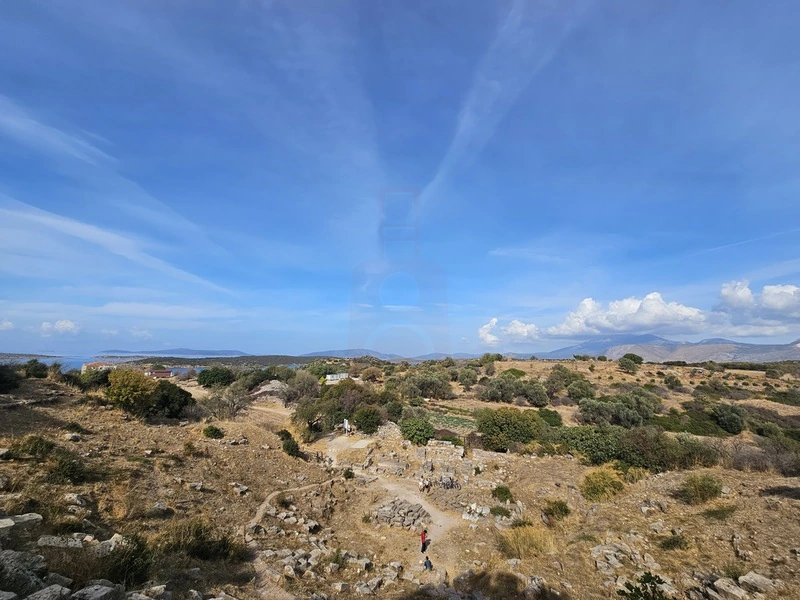
Turkey, a nation bridging continents and cultures, offers a rich tapestry of experiences for the discerning traveler, extending remarkably to the world of wine and unique local beverages. With a viticultural history stretching back millennia, Turkey is home to indigenous grape varietals and a vibrant culture of traditional drinks that provide an insightful glimpse into its heritage.
Engaging in a wine and beverage tasting tour in Turkey involves more than just sampling drinks; it is an immersive journey into the countrys agricultural practices, culinary traditions, and social customs. Visitors can expect to explore picturesque vineyards, discover ancient winemaking techniques, and understand the modern renaissance of Turkish viticulture.
Beyond wine, the tour category encompasses a broader exploration of Turkey’s diverse beverage landscape, from the famed anise-flavored spirit, rakı, to the intricate rituals surrounding Turkish coffee and tea. This guide provides essential information for those seeking to delve into Turkeys liquid heritage.
The core of a Turkish wine and beverage tasting experience often begins in the vineyards themselves. These tours typically include guided walks through grapevines, explanations of soil types and climate impact, and visits to production facilities, ranging from rustic, family-run cellars to state-of-the-art wineries.
Tastings are usually accompanied by insights into the specific grape varietals unique to Turkey, such as Narince, Emir, Öküzgözü, and Boğazkere, each offering distinct flavor profiles. Many experiences also incorporate food pairings, allowing visitors to appreciate how local wines complement Turkish cuisine.
Several regions across Turkey stand out as prime destinations for wine and beverage enthusiasts, each distinguished by its unique terroir and traditional offerings. Understanding these geographical distinctions is key to planning a comprehensive tour.
The Thracian region, situated in northwestern Turkey, is a significant wine-producing area, benefiting from its proximity to European viticultural traditions. Provinces like Kırklareli, Tekirdağ, and Edirne host numerous wineries cultivating both international and local grapes. Here, one can find excellent examples of Cabernet Sauvignon, Merlot, and local varieties like Papazkarası and Kalecik Karası.
Moving south, the Aegean Region, particularly around İzmir, Denizli, and Manisa, is another cornerstone of Turkish viticulture. This area is renowned for its aromatic white wines made from grapes such as Bornova Misketi and Sultaniye. The region also produces robust reds, often characterized by a rich fruit profile.
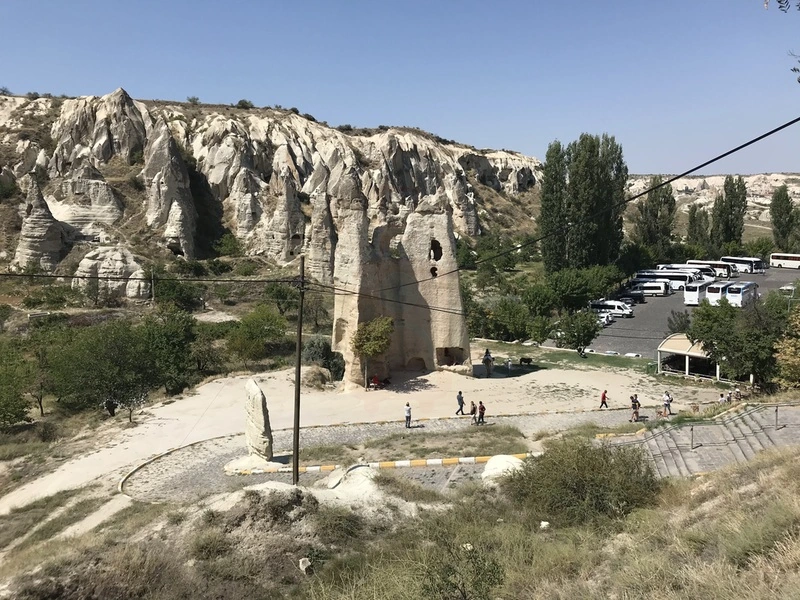
Central Anatolia offers a truly distinctive wine-tasting experience, primarily centered in the Cappadocia region. The volcanic soils of Nevşehir and Ürgüp create a unique terroir, ideal for growing the crisp white Emir grape and the powerful red Öküzgözü and Boğazkere varietals. Many wineries in Cappadocia are carved into the soft tuff rock, providing an atmospheric and historic backdrop to tastings.
Further east, Southeastern Anatolia, specifically the provinces of Elazığ and Diyarbakır, is the ancestral home of the Öküzgözü and Boğazkere grapes. These varieties produce full-bodied, age-worthy red wines that are celebrated for their intensity and complex flavors. Exploring these regions offers a deeper understanding of Turkeys ancient winemaking roots.
Beyond wine, Turkey’s rich beverage culture extends to its national drink, rakı. This anise-flavored spirit is typically diluted with water, turning cloudy, and enjoyed alongside meze (small plates of appetizers). Understanding its cultural significance and the art of its consumption is an integral part of a comprehensive beverage tour.
Turkish coffee, a UNESCO Intangible Cultural Heritage, provides another fascinating avenue for exploration. Visitors can observe the traditional brewing methods, from grinding the beans to serving in small cups, accompanied by insights into its ritualistic importance in Turkish hospitality and fortune-telling.
Çay, or Turkish tea, is omnipresent and deeply woven into daily life. Tasting experiences can involve learning about its cultivation in the Black Sea region, the specific brewing techniques using a double teapot (çaydanlık), and the communal aspect of enjoying tea throughout the day.
Other unique local beverages include ayran, a refreshing yogurt drink, and şalgam suyu, a fermented turnip juice popular in southern Turkey. Boza, a thick, fermented millet drink, is a traditional winter staple, often sold by street vendors with a sprinkle of cinnamon.
Seasonal considerations play a significant role in optimizing a wine and beverage tasting tour. Spring (April-May) is ideal for witnessing bud break in the vineyards and enjoying pleasant weather. Autumn (September-October) is particularly popular for grape harvests, offering a vibrant atmosphere and direct engagement with the winemaking process.
Summer (June-August) can be warm, especially in inland regions, but still allows for enjoyable tours, often best enjoyed in the cooler morning or late afternoon hours. Winter (November-March) provides a quieter, more intimate experience, with a focus on cellar visits and the enjoyment of heartier red wines.
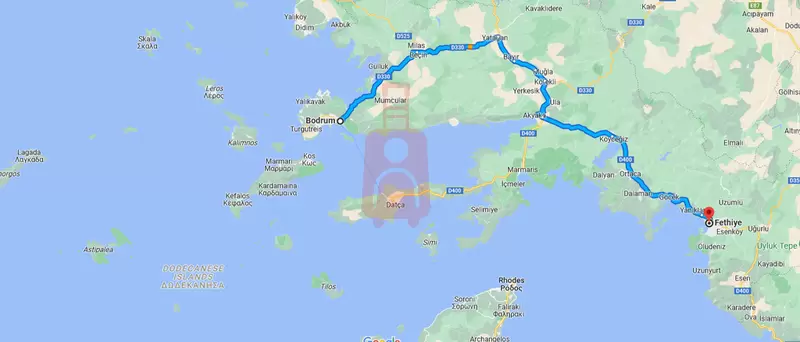
Regarding popular hubs like Fethiye, while not a primary wine-producing region, it serves as an excellent base for exploring the diverse culinary landscape of the Mediterranean coast. Visitors in Fethiye can sample regional beverages, including local wines sourced from nearby Aegean and Mediterranean vineyards, and experience the cultural significance of rakı in coastal dining settings.
Safety during a wine and beverage tasting tour is paramount. Visitors are advised to consume alcohol responsibly and arrange for designated drivers or utilize local taxi services. Public transportation to some vineyards might be limited, making private transfers or guided tours a practical choice.
It is also prudent to be mindful of local customs and sensitivities regarding alcohol consumption, particularly in more conservative areas. General travel safety practices, such as safeguarding personal belongings and staying aware of ones surroundings, apply universally.
Visitors embarking on these tours can expect genuine Turkish hospitality and knowledgeable guides who are passionate about their local products. The experiences range from rustic charm at small family-owned operations to sophisticated presentations at larger, modern wineries.
Overall, a wine and beverage tasting tour in Turkey promises an enriching and multifaceted exploration of its liquid heritage. It offers a unique opportunity to connect with the land, its people, and the enduring traditions that define Turkish culture, all while savoring distinctive flavors.

