Most Popular 10 Beaches in Beylikdüzü
21-01-2025 00:10
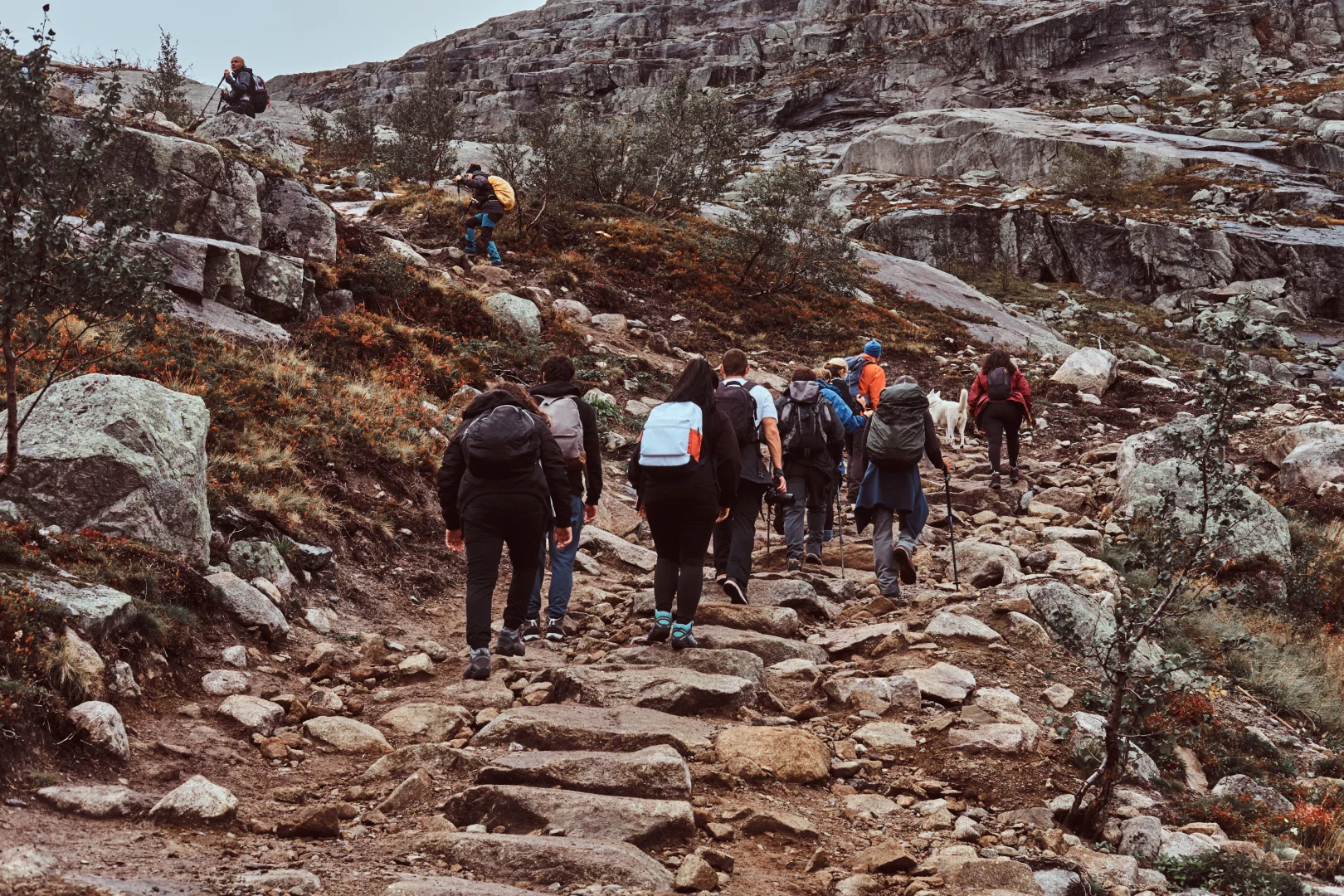
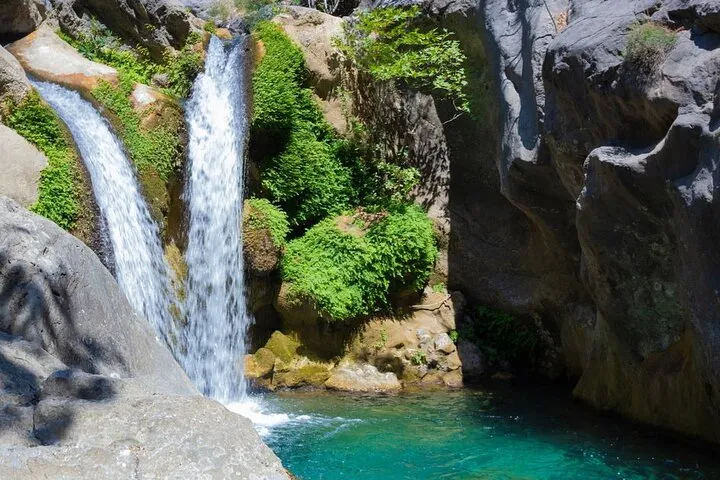
Turkeys hiking and trekking tours explore diverse landscapes. Routes traverse the ancient Lycian Way, Cappadocias unique valleys, and the majestic Kackar Mountains. Trekkers encounter Roman ruins, traditional villages, and stunning Mediterranean or Anatolian vistas. Popularity stems from well-maintained trails, blending challenging natural beauty with rich historical context, attracting adventurers for active exploration and cultural depth.



Are you ready to elevate your travel business? By becoming a registered agent with Tourka, you will unlock a world of exclusive opportunities. We provide our partners with competitive pricing, an easy-to-use booking platform, and a wide range of travel products tailored to your clients' needs.
Join Now

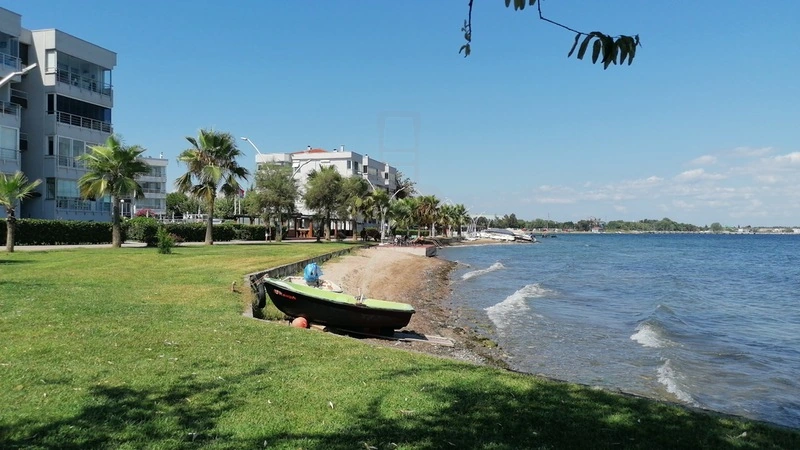
Turkey offers a unique tapestry of landscapes, making it an exceptional destination for hiking and trekking enthusiasts. From ancient coastal paths to volcanic valleys and high alpine routes, the country provides diverse experiences for all levels of trekkers. Its geographical position at the crossroads of continents has imbued its trails with a rich blend of natural beauty, historical sites, and cultural encounters.
Hiking and trekking tours in Turkey typically involve exploring well-established long-distance trails or venturing into specific regional networks. Participants can expect to traverse varied terrain, including rocky coastal paths, forested inclines, river valleys, and sometimes challenging mountain passes. The focus is often on self-supported journeys, though guided options are available for those preferring expert local knowledge and logistical support.
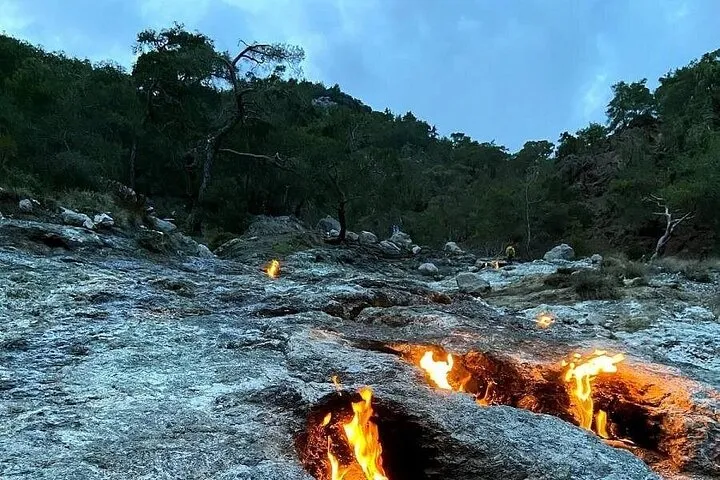
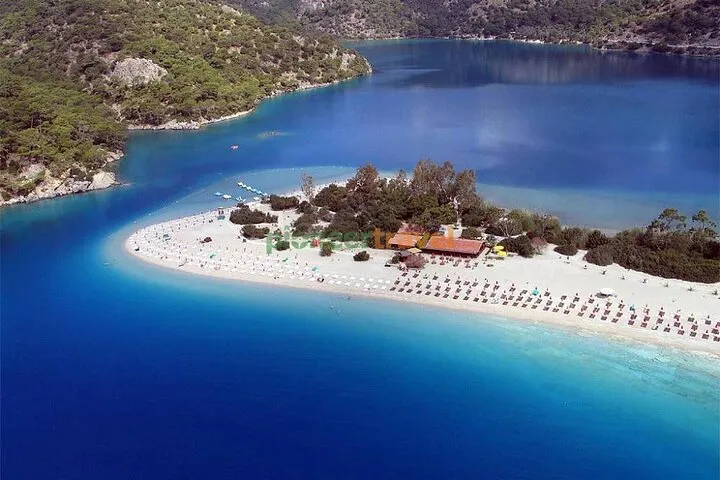
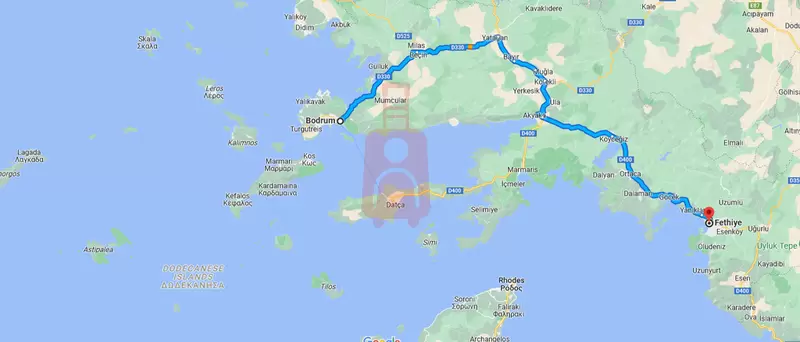
One of Turkey’s most renowned routes is the Lycian Way, a 500-kilometer marked trail stretching along the coast from Fethiye to Antalya. This iconic path meanders through ancient Lycian ruins, traditional villages, and offers of the Mediterranean Sea. Trekkers on the Lycian Way can anticipate a mix of rugged coastal climbs and gentler village-to-village walks, often passing secluded beaches and olive groves.
The Lycian Way is suitable for trekkers seeking a blend of natural beauty and historical exploration, with many segments offering manageable day hikes. Fethiye, a popular coastal town, serves as a common starting point or access hub for those embarking on sections of this famous trail. Many guesthouses and local amenities cater to hikers in the villages along the route.
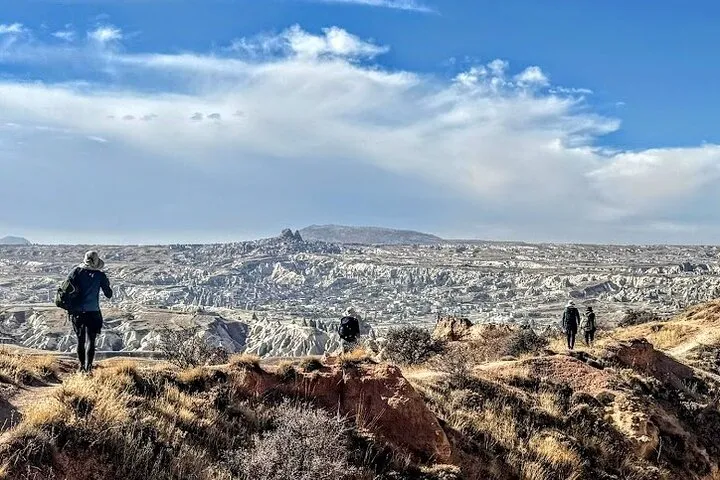
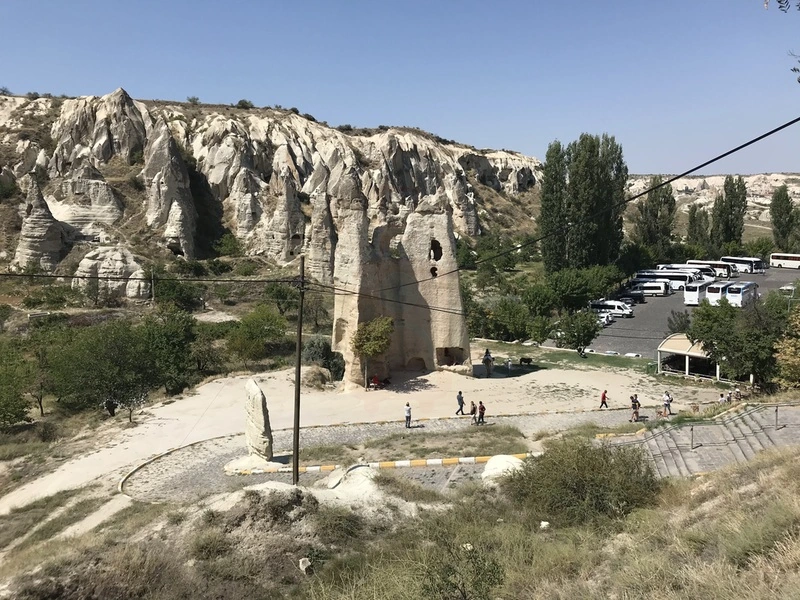
Cappadocia, in Central Anatolia, presents a dramatically different trekking experience. Here, trails wind through surreal landscapes shaped by volcanic activity and erosion, featuring fairy chimney rock formations and ancient cave dwellings. Valleys such as Rose, Red, and Ihlara offer well-marked paths, providing opportunities for both short walks and longer day hikes amidst unique geological wonders and historical cave churches.
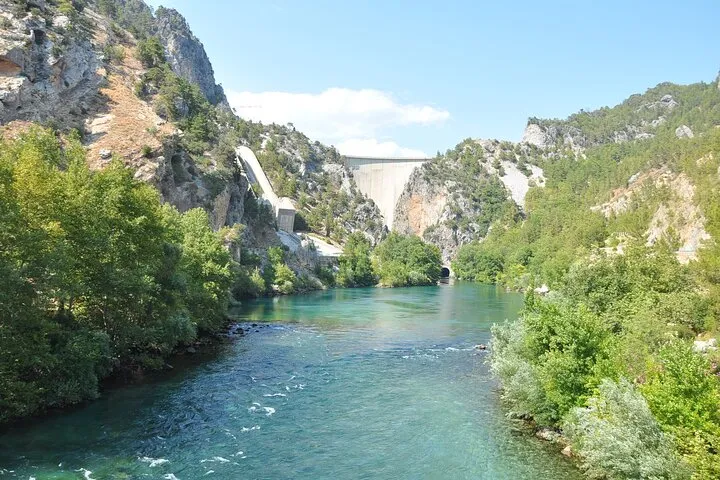
The Taurus Mountains, forming a vast range across southern Turkey, provide a more challenging and remote trekking environment. Trails like sections of the St. Paul Trail ascend into higher altitudes, revealing pine forests, plateaus, and opportunities for multi-day traverses. Trekkers in the Taurus can expect a wilderness experience, often encountering nomadic communities and observing diverse flora and fauna.
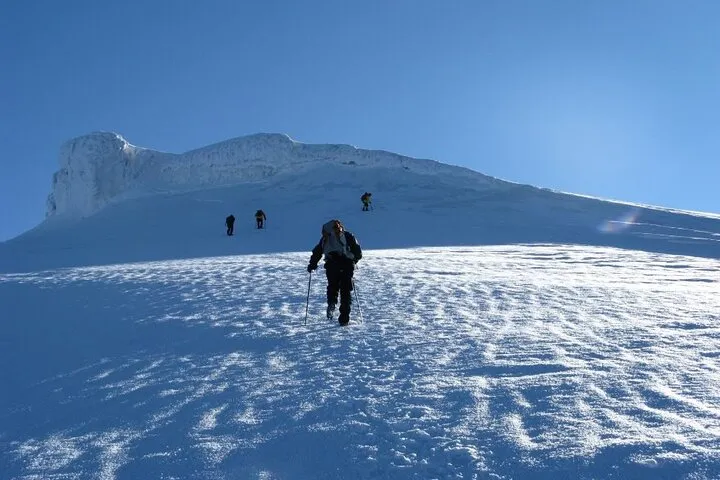
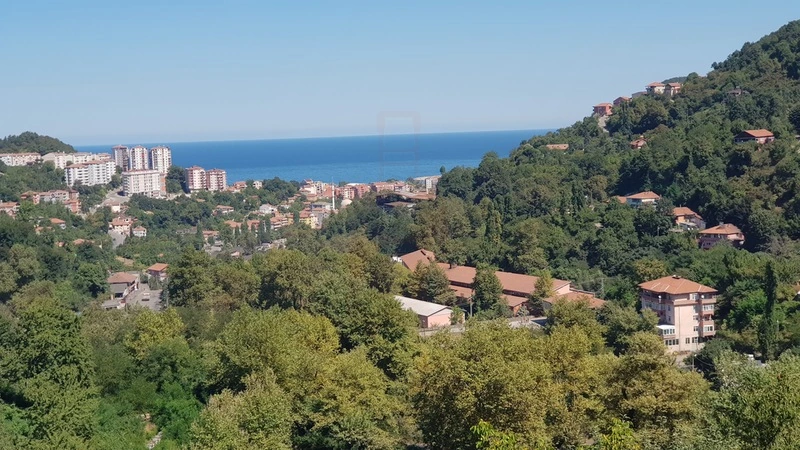
Further east, the Kaçkar Mountains in the Black Sea region offer an alpine trekking adventure. Known for their lush valleys, glacial lakes, and dense forests, these mountains are ideal for experienced hikers seeking challenging multi-day treks. The region boasts significant biodiversity and a distinct cultural flavor, with small mountain villages dotting the landscape.
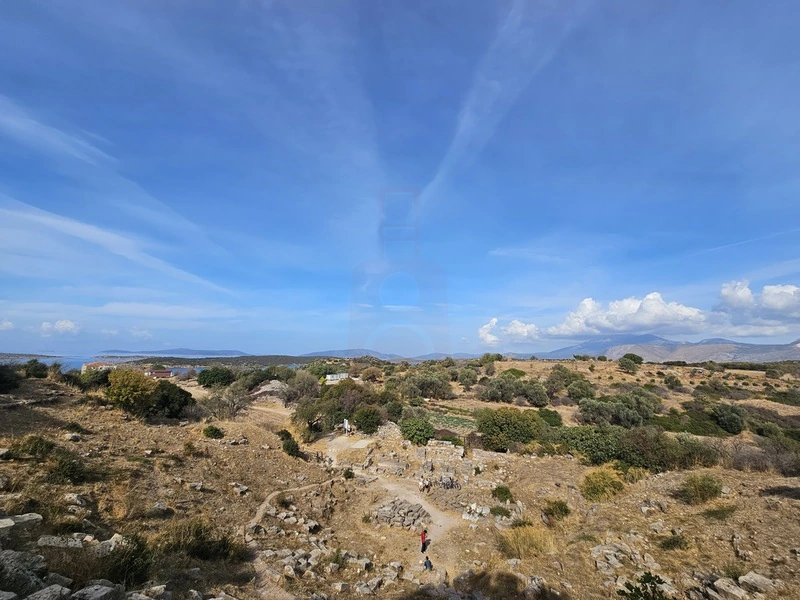
Other notable regions for hiking in Turkey include parts of the Carian Way, another long-distance trail offering coastal and inland routes similar to the Lycian Way but generally less frequented. The Dilek Peninsula-Büyük Menderes Delta National Park near Kuşadası also provides scenic coastal and forest walks, though on a smaller scale than the major trails.
Seasonal advice is crucial for planning a hiking trip to Turkey. Spring, from April to May, is often considered ideal for coastal and lower-altitude treks, including the Lycian Way and parts of Cappadocia. Temperatures are pleasant, wildflowers are abundant, and the risk of extreme heat is low.
Summer, particularly July and August, can be very hot in coastal and central regions, making high-altitude trekking in the Kaçkar or higher Taurus Mountains more suitable. Trekkers should be prepared for intense sun exposure and plan their routes accordingly, often starting early to avoid the midday heat.
Autumn, spanning September and October, mirrors spring in its suitability for coastal and central Turkish trails, with comfortable temperatures and often clearer skies. The changing foliage in some inland areas can also add to the scenic appeal. November generally marks the transition to cooler, wetter weather, limiting options.
Winter, from November to March, is generally not recommended for extensive hiking in most of Turkey, especially at higher elevations where snow and ice are prevalent. Some very low-altitude coastal walks might be possible on clear days, but daylight hours are shorter and weather conditions are unpredictable. Most trekking services scale back during this period.
Visitors embarking on hiking tours in Turkey can expect a range of accommodation options. Along popular routes like the Lycian Way, local guesthouses in villages offer comfortable stays and home-cooked meals. In larger towns like Fethiye or Göreme in Cappadocia, hotels and boutique accommodations are readily available. For remote mountain treks, camping or basic village houses might be the only options.
Local Turkish cuisine forms an integral part of the experience, with opportunities to sample regional specialties, fresh produce, and traditional dishes. Village meals often provide insights into local hospitality and culinary traditions. Carrying sufficient snacks and water is always advisable, particularly for longer stretches between villages.
Navigation on well-known trails like the Lycian Way is generally aided by red and white markers. However, carrying detailed maps, a compass, and a GPS device with pre-loaded routes is highly recommended for all treks. Offline maps on a smartphone can be a valuable backup, as mobile network coverage can be intermittent in remote areas.
Safety is a primary consideration for any trekking tour in Turkey. Physical fitness commensurate with the chosen trails difficulty is essential. Appropriate gear, including sturdy hiking boots, layered clothing, rain protection, a first-aid kit, and sun protection, should be packed. Mountain weather can change rapidly, so preparedness for varying conditions is important.
Hikers should always carry ample water, especially in arid regions, and know potential refill points or purification methods. While encounters with dangerous wildlife are rare, awareness of local fauna is prudent. Informing someone of your intended route and expected return time, and carrying a fully charged mobile phone for emergencies, are advisable safety practices.
For more challenging or less-traveled routes, considering a local guide can significantly enhance safety and provide valuable cultural and environmental insights. Guides possess knowledge of terrain, weather patterns, and local emergency procedures. Turkey’s diverse landscapes and ancient heritage offer rewarding trekking experiences for prepared and informed adventurers.

