Most Popular 10 Beaches in Beylikdüzü
21-01-2025 00:10
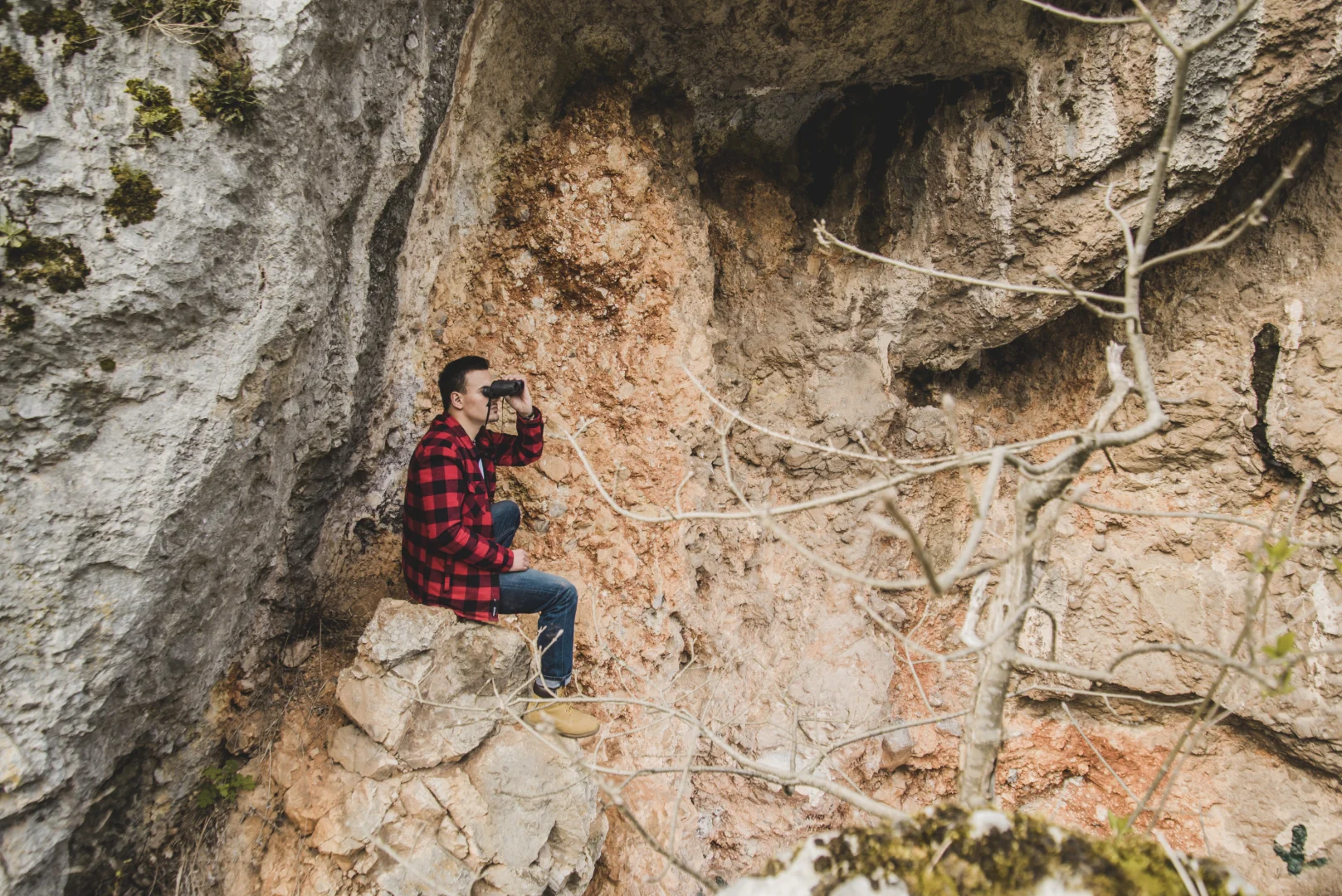
Turkeys extensive karst topography, especially in the Taurus Mountains, provides exceptional caving. Speleology tours reveal fascinating subterranean worlds, from easy show caves to challenging expeditions. Participants explore ancient passages, encountering spectacular stalactites, stalagmites, and hidden underground rivers and lakes. Guides ensure safety with necessary gear. The countrys rich limestone geology and diverse systems make it a popular destination for adventurers and enthusiasts seeking unique underground exploration.

Are you ready to elevate your travel business? By becoming a registered agent with Tourka, you will unlock a world of exclusive opportunities. We provide our partners with competitive pricing, an easy-to-use booking platform, and a wide range of travel products tailored to your clients' needs.
Join Now
Turkey, a land rich in geological diversity, offers a remarkable landscape for the adventurous pursuit of caving, also known as speleology. Its intricate karst topography, particularly prominent in the southern and western regions, has given rise to thousands of caves, ranging from easily accessible show caves to challenging, undeveloped systems for experienced cavers. Exploring these subterranean worlds provides a unique perspective on the countrys natural heritage, revealing stunning formations shaped over millennia.
Caving in Turkey involves descending into natural rock formations, navigating through passages, and observing geological features in a dark, confined environment. Participants can expect to encounter a variety of conditions, from spacious chambers adorned with stalactites and stalagmites to narrow crawls and passages that may require some agility. The activity demands a reasonable level of physical fitness, an absence of severe claustrophobia, and a respect for the natural environment.
For beginners, guided tours into well-established show caves offer a safe introduction to the subterranean world. These caves are typically illuminated, have clear pathways, and sometimes feature interpretive signage, focusing on observation and appreciation rather than technical challenge. More advanced caving expeditions involve specialized equipment, technical skills, and often require the guidance of experienced speleologists to explore undeveloped cave systems.
The Taurus Mountains, stretching across Turkeys Mediterranean coast, represent the primary caving region due to extensive limestone formations conducive to cave development. Antalya and its surrounding provinces are particularly rich in caving opportunities. Here, deep sinkholes, impressive canyons, and a vast network of underground passages are common, making it a prime destination for both recreational cavers and serious speleologists.
One notable spot in the Taurus range is Altınbeşik Cave National Park near Manavgat, Antalya. This cave features Turkeys largest underground lake, navigable by small boats, offering a stunning visual experience of its unique formations and emerald waters. The first 200 meters are developed for tourism, providing an accessible and memorable introduction to caving in the region.
Further east, near Alanya, Dim Cave stands out as another significant destination. It is one of Turkeys most accessible show caves, well-lit and featuring impressive stalactite and stalagmite formations throughout its 360-meter tourist section. The constant cool temperature inside makes it a refreshing escape, particularly during the hot summer months, and it’s a popular stop for those visiting the Alanya area.
In the province of Burdur, the İnsuyu Cave, discovered in the 1950s, offers a distinct experience. Known for its numerous small lakes and intricate formations, it was one of Turkeys first caves opened to tourism. While some sections are now restricted for conservation, the accessible parts still provide a fascinating glimpse into a complex underground water system.
Moving inland, the Ballıca Cave in Tokat province, situated in northern Central Anatolia, is recognized as one of the worlds largest and most pristine fossil caves. It features nine halls open to visitors, showcasing an extraordinary variety of colors and formations, including onion stalactites, which are rare and spectacular. This cave holds significant geological importance and offers an immersive aesthetic experience.
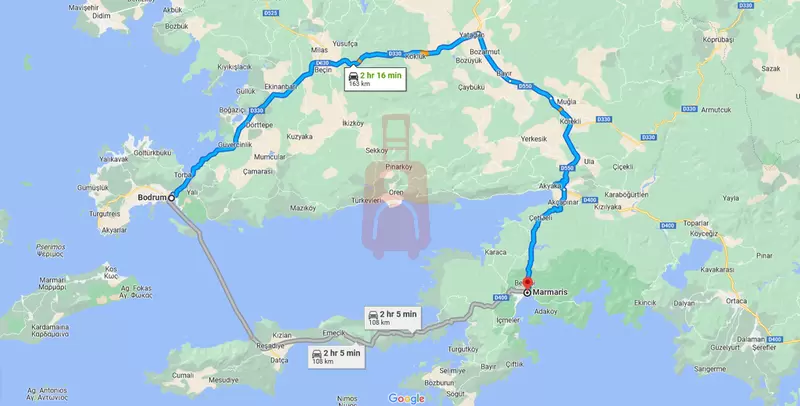
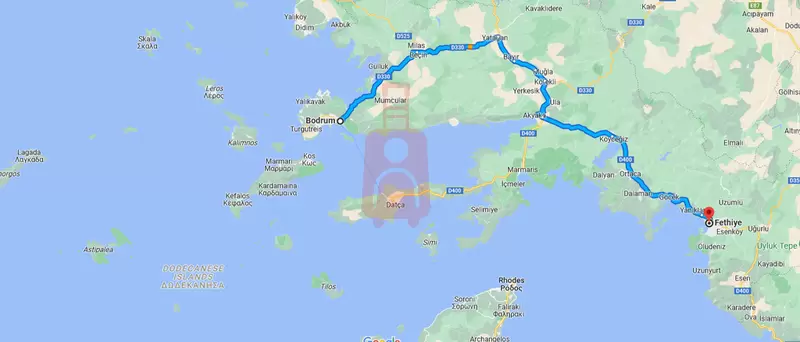
While Fethiye itself is renowned for its coastal activities, paragliding, and trekking, it serves as a convenient base for exploring the wider Mediterranean region of Turkey. For caving, however, direct cave sites immediately around Fethiye suitable for general tourism are less common than in areas further east within the Taurus Mountains. Enthusiasts would typically travel inland from such hubs to access the primary caving zones.
The best seasons for caving in Turkey are typically spring (April to June) and autumn (September to November). During these periods, surface temperatures are moderate, and rainfall is generally less intense, reducing the risk of flash floods in cave systems. Summer can be suitable for developed show caves, but intense heat outside can make travel to remote areas less comfortable. Winter brings colder conditions and increased rainfall, which can affect accessibility and safety in undeveloped caves.
Safety is paramount when embarking on any caving expedition. For undeveloped caves, it is crucial to go with experienced guides or organized speleology groups who possess local knowledge and the necessary technical expertise. Essential equipment includes a helmet with a reliable headlamp and spare batteries, sturdy waterproof footwear, and appropriate layered clothing to manage the constant cool temperatures inside.
Visitors should be prepared for slippery surfaces, uneven terrain, and potentially tight spaces. Always inform someone of your caving plans, including your expected return time, especially when venturing into less-explored areas. Environmental responsibility is also key; cavers must strive to leave no trace, preserving the delicate cave ecosystems and formations for future generations.
What visitors can expect from caving in Turkey is an unforgettable journey into a world untouched by daylight, where geological processes unfold in spectacular fashion. The profound silence, the intricate beauty of mineral formations, and the unique challenges of exploration combine to create a deeply rewarding experience. Whether opting for a gentle walk through an illuminated show cave or a more strenuous adventure into a wild system, Turkeys subterranean landscape promises discovery and wonder.

