
Most Popular 10 Beaches in Beylikdüzü
21-01-2025 00:10
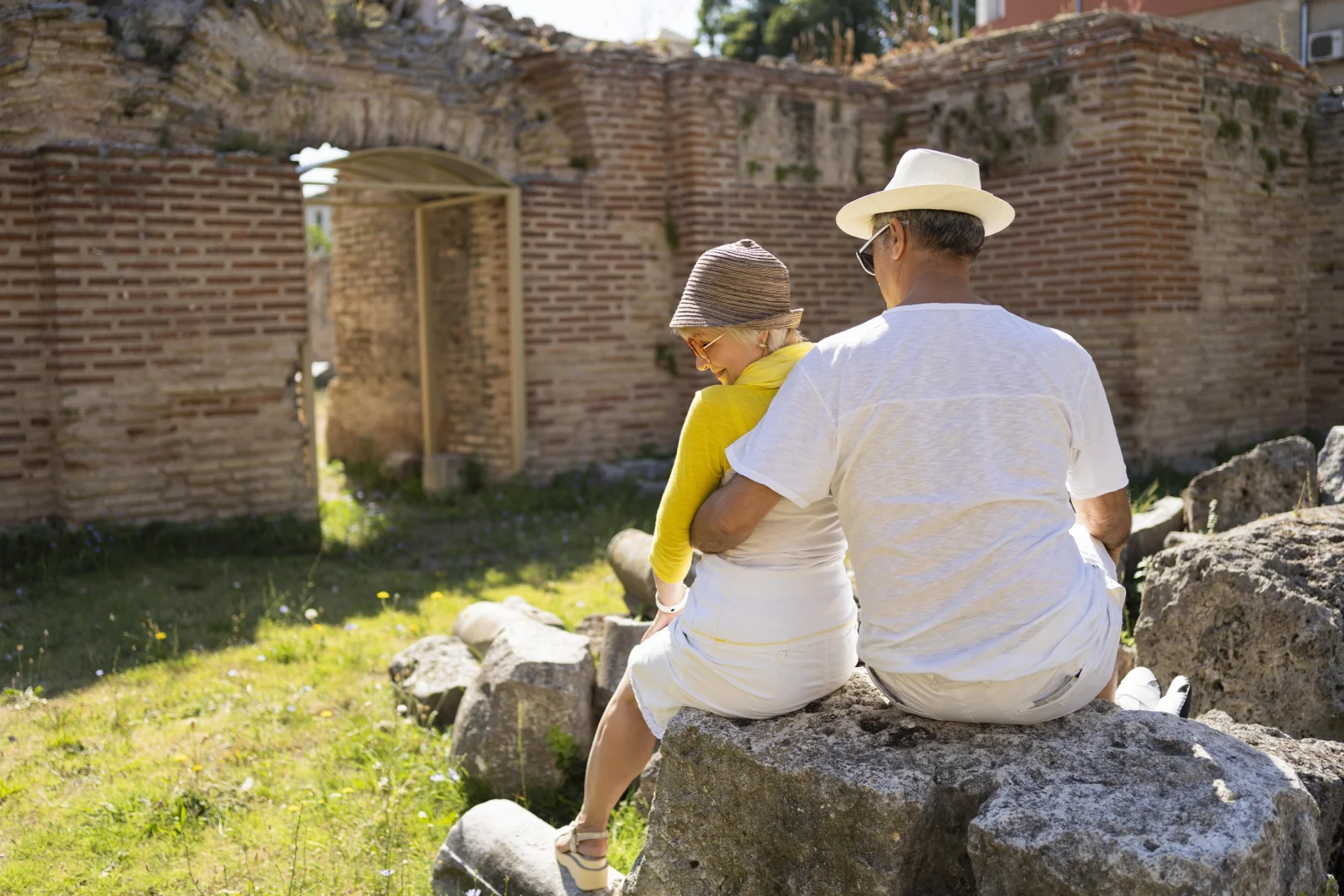
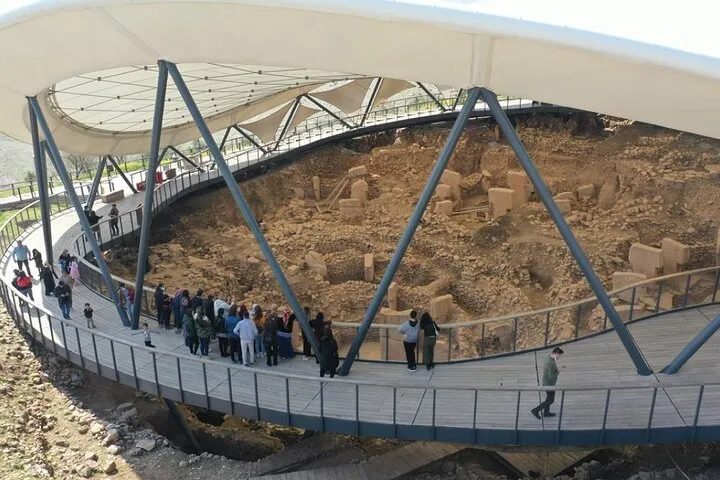
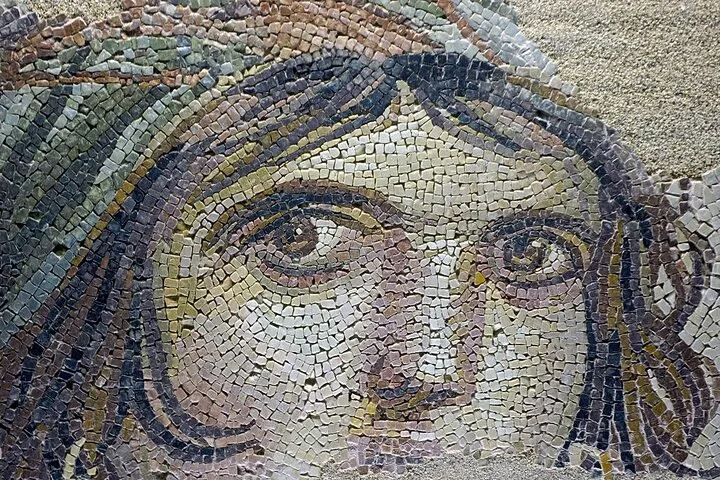
Turkeys historical site visits immerse you in an extraordinary past, traversing Roman, Byzantine, and Ottoman legacies. Explore magnificent ruins like Ephesus, the grandeur of Hagia Sophia, and ancient Troy, unraveling millennia of empires and pivotal events. These journeys offer deep insight into cultures that shaped the world. Popularity stems from Turkeys unique geographical crossroads, a land where civilizations converged, leaving unparalleled archaeological wonders and architectural masterpieces for visitors to understand.
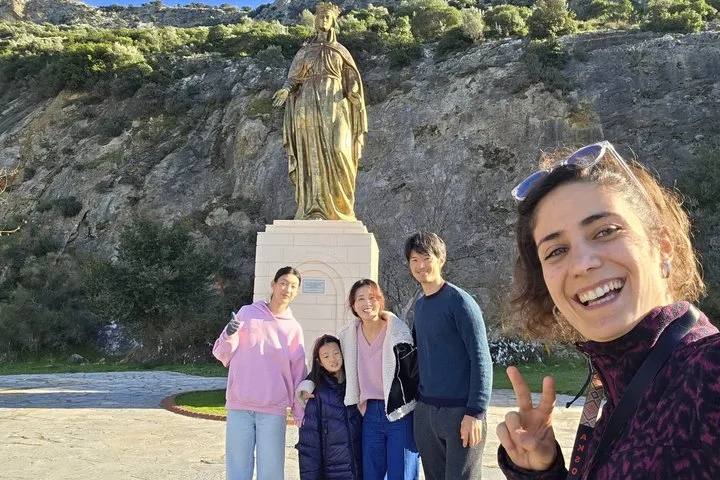
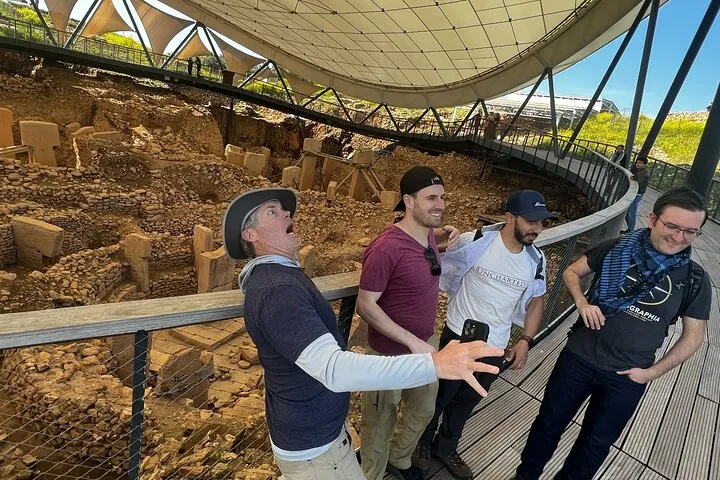

Are you ready to elevate your travel business? By becoming a registered agent with Tourka, you will unlock a world of exclusive opportunities. We provide our partners with competitive pricing, an easy-to-use booking platform, and a wide range of travel products tailored to your clients' needs.
Join Now
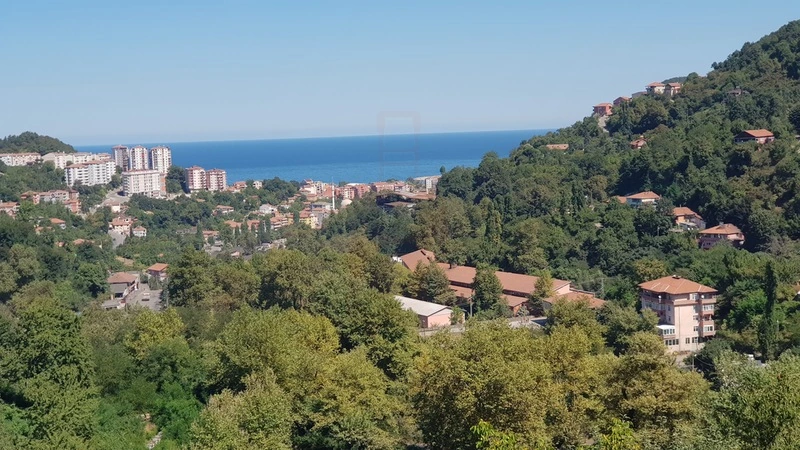
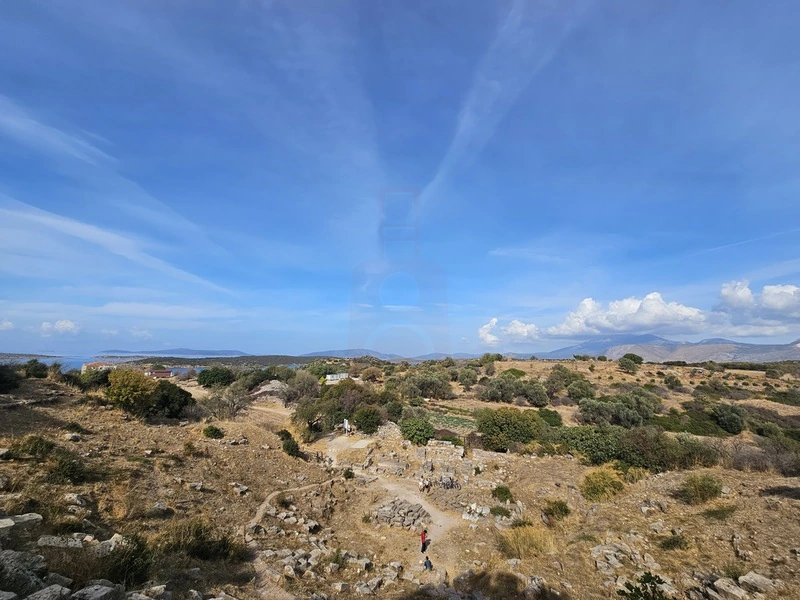
Turkey offers an extraordinary journey through millennia of human history. Its landscape is dotted with remnants of empires and civilizations, from ancient Anatolian cultures to Roman, Byzantine, and Ottoman legacies. Exploring these historical sites provides a profound insight into the diverse tapestry of the past.
A historical site tour in Turkey typically involves guided or self-guided exploration of archaeological ruins, ancient cities, and monumental structures. Visitors often traverse extensive grounds, examining excavated remains, preserved theaters, temples, and residential areas. Interpretive plaques and local guides provide context, detailing the significance and daily life of past inhabitants.
The countrys historical treasures are spread across several distinct regions, each offering unique archaeological perspectives. From the sun-drenched Aegean coast to the rugged Mediterranean, the heart of Anatolia, and the grand capital of Istanbul, historical narratives unfold differently. Planning involves selecting regions that align with specific historical interests.
The Aegean region is a cornerstone for ancient Greek and Roman history. Ephesus stands as one of the best-preserved classical cities, featuring the Library of Celsus, the Grand Theater, and terraced houses. Its scale and detail offer a vivid impression of urban life in antiquity.
Further north in the Aegean, Pergamon showcases Hellenistic and Roman ingenuity with its steep theater and Asclepieion medical center. The legendary city of Troy, though less visually dramatic, carries immense mythological and archaeological significance. Visitors can trace layers of occupation that span thousands of years.
Along the Mediterranean coast, particularly in the Antalya province, numerous Lycian, Pamphylian, and Roman cities await exploration. This region is renowned for its impressive theaters and well-preserved urban layouts. The ancient Lycian Way trekking route also connects many coastal historical points.
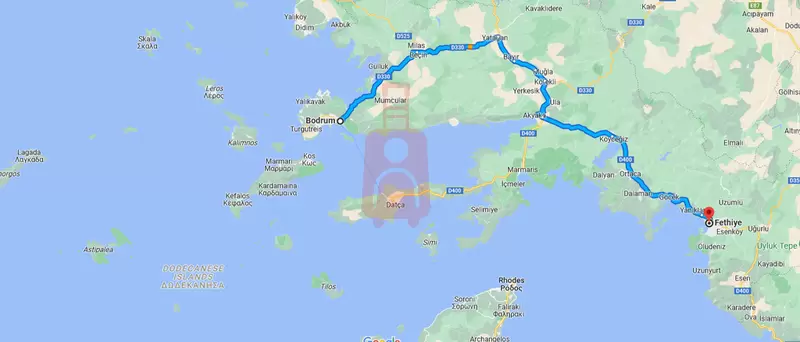
Aspendos boasts one of the worlds most intact Roman theaters, still used for performances today. Nearby Perge reveals a vast city plan with colonnaded streets, baths, and an agora. Side combines Roman ruins with a picturesque coastal setting, featuring a temple of Apollo and an ancient harbor. For those exploring the western part of this coast, Fethiye serves as a convenient base for accessing Lycian sites like Tlos or Pinara.
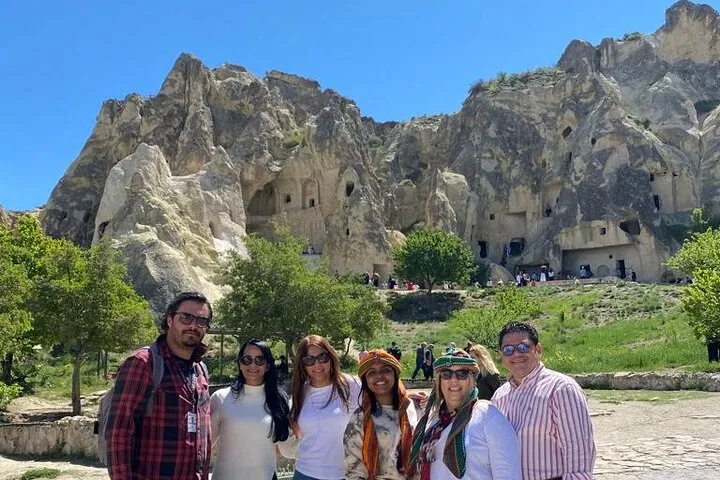
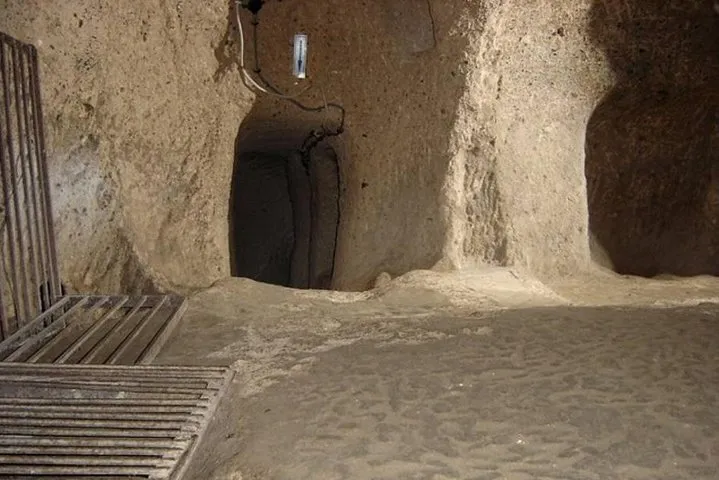
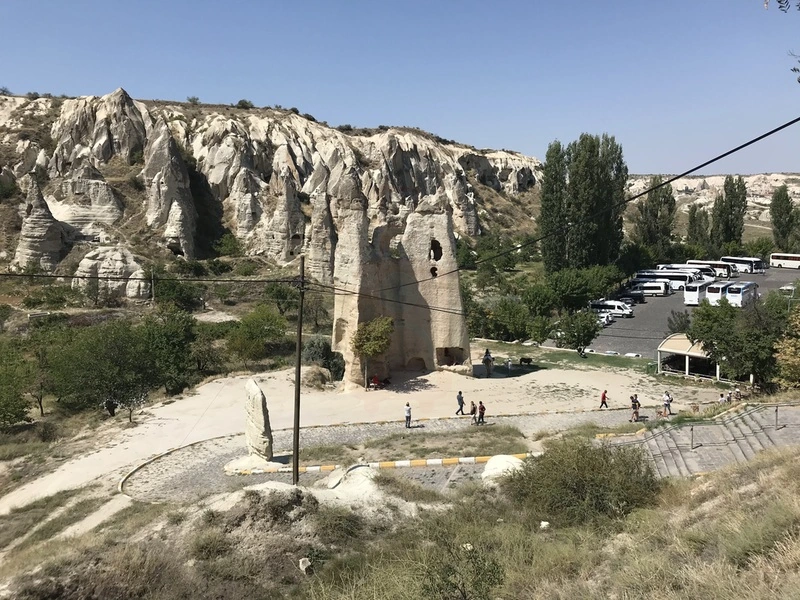
Central Anatolia presents a different historical dimension. Cappadocia is famous for its unique fairy chimney landscapes and extraordinary underground cities like Derinkuyu and Kaymaklı. These subterranean complexes offered refuge and provide a glimpse into early Christian life and defense strategies.
East of Cappadocia lies Hattusa, the capital of the Hittite Empire, a UNESCO World Heritage site. Its massive fortifications, temples, and royal residences speak of a powerful Bronze Age civilization. The site provides a compelling narrative of early Anatolian empires.
Istanbul, straddling two continents, is a living museum of Byzantine and Ottoman history. Its historical peninsula alone contains an unparalleled concentration of world-famous monuments. This city demands several days to adequately absorb its historical layers.
The Hagia Sophia, initially a Byzantine basilica, then an Ottoman mosque, now a mosque, exemplifies architectural and religious transformation. The Blue Mosque with its six minarets defines the citys skyline. Topkapi Palace, the opulent seat of Ottoman sultans, and the ancient Hippodrome further complete the historical core.
The most favorable times for historical site visits are spring (April to May) and autumn (September to October). During these periods, the weather is generally mild and pleasant, making outdoor exploration comfortable. The vibrant landscapes also add to the scenic appeal.
Summers, particularly July and August, can be exceptionally hot, especially in inland and southern regions, requiring early morning visits and consistent hydration. Winters (November to March) can be cold and wet, potentially limiting access to some open-air sites due to weather conditions or reduced operating hours.
Turkey is generally a safe country for tourists. Visitors should, however, exercise standard travel precautions, such as safeguarding valuables and being aware of their surroundings. Official guides and marked pathways at historical sites are recommended for a safe and informed experience.
Engaging with local vendors and residents is usually a pleasant experience, though basic common sense applies in any unfamiliar environment. Respecting local customs, particularly near religious sites, enhances the travel experience. It is advisable to have a local contact number or emergency information readily accessible.
Expect a fair amount of walking, often on uneven terrain, gravel paths, or ancient stone surfaces. Comfortable, sturdy footwear is essential. Many sites involve stairs or inclines, so a reasonable level of physical fitness is beneficial.
Most major historical sites provide visitor facilities, including restrooms, small shops, and sometimes cafes. Entrance fees are standard, and it is advisable to check current opening times and costs beforehand. Many sites offer audio guides for independent exploration.
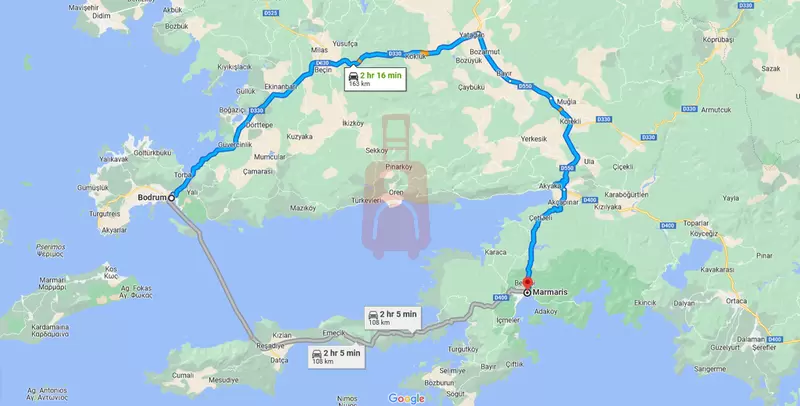
Transportation to these sites varies; some are easily accessible by public transport or shared mini-buses, while others may require private transfers or organized tours. Rental cars offer flexibility for exploring multiple sites within a region. Planning routes in advance is recommended.
Turkeys historical sites offer an immersive journey through the epochs that shaped civilizations. From the grandeur of empires to the daily lives of ancient peoples, each visit provides a tangible connection to the past. This deep dive into history is a rewarding and enriching experience for any traveler.

