Antalya: Best Places to Visit & Essential Travel Tips
07-09-2023 19:13
Shopping excursions in Turkey provide access to a diverse retail landscape, from historic bazaars to modern malls. Tours highlight unique Turkish goods: hand-knotted carpets, ceramics, spices, textiles, and jewelry. Their popularity stems from Turkeys long history as a trade crossroads, offering a distinct cultural experience and an extensive range of artisanal and contemporary products. Participants explore traditional markets and boutiques, discovering high-quality items and engaging with local craftsmanship.

Are you ready to elevate your travel business? By becoming a registered agent with Tourka, you will unlock a world of exclusive opportunities. We provide our partners with competitive pricing, an easy-to-use booking platform, and a wide range of travel products tailored to your clients' needs.
Join Now



Turkey offers a distinctive and enriching experience for those embarking on shopping excursions, transcending mere retail therapy to become a profound cultural immersion. This guide outlines what visitors can expect from such tours, focusing on authentic goods, prominent locations, seasonal considerations, and essential safety information.
A shopping excursion in Turkey involves navigating vibrant bazaars, artisanal workshops, and modern retail environments. It is an opportunity to engage directly with centuries-old traditions of craftsmanship and commerce. From intricate hand-woven carpets to aromatic spices, the country presents a diverse array of items reflecting its rich history and geographical crossroads.
The essence of Turkish shopping lies in its unique blend of the traditional and the contemporary. Visitors will encounter skilled artisans meticulously crafting goods passed down through generations, alongside bustling streets lined with international brands. This duality ensures a wide spectrum of purchasing opportunities, catering to various tastes and preferences.
Key categories for discerning shoppers include hand-knotted carpets and kilims, renowned globally for their quality and intricate designs. These textile treasures often tell stories through their patterns and colors, representing different regions and weaving techniques. Understanding the difference between machine-made and authentic hand-woven pieces is paramount for collectors.
Ceramics and Iznik tiles present another significant focus. Characterized by their distinct blue, red, and green motifs, these items range from decorative plates and bowls to elaborate wall panels. Visitors can find modern interpretations or antique reproductions, each showcasing the enduring artistry of Turkish pottery.
Turkish leather goods are highly regarded for their craftsmanship and durability. Jackets, bags, and shoes made from high-quality leather are widely available in various styles. Similarly, textiles such as cotton, silk, traditional peshtemals (Turkish towels), and cashmere pashminas offer both practical and luxurious purchases.
Jewellery in Turkey often features gold and silver, incorporating traditional Ottoman and Seljuk designs, sometimes adorned with semi-precious stones. Visitors can find delicate filigree work or bold statement pieces. Spices, Turkish delight, baklava, and dried fruits are quintessential culinary souvenirs, best experienced within the sensory explosion of a traditional spice bazaar.
For those seeking unique mementos, antiques and various handicrafts provide ample choice. Copperware, traditional musical instruments, evil eye charms (Nazar Boncuğu), and miniature paintings are commonly found. These items often carry significant cultural weight and make for meaningful souvenirs or gifts.
Istanbul stands as the paramount destination for shopping excursions. The Grand Bazaar, one of the worlds oldest and largest covered markets, houses thousands of shops offering carpets, jewellery, leather, ceramics, and more. Its labyrinthine alleys are an experience in themselves, demanding ample time for exploration.
Adjacent to the Grand Bazaar, the Spice Bazaar, also known as the Egyptian Bazaar, specializes in spices, herbs, dried fruits, nuts, and Turkish delight. The aromas alone provide a captivating experience. Beyond these historic markets, modern shopping avenues like İstiklal Avenue in Beyoğlu and upscale districts such as Nişantaşı and Bebek offer international brands and designer boutiques.
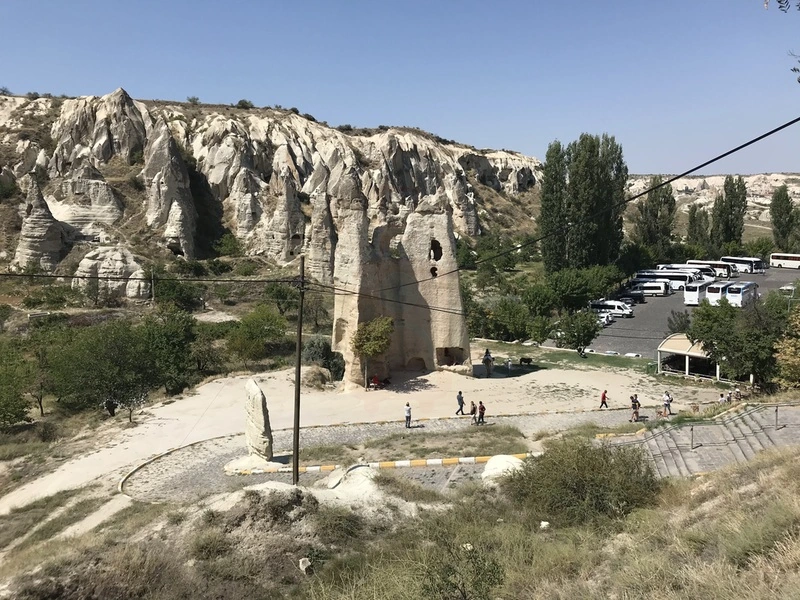
Beyond Istanbul, other regions offer specialized shopping experiences. Cappadocia is famed for its distinctive pottery, often crafted from local volcanic clay, and a strong presence of carpet and kilim sellers. The region also offers unique onyx products, carved into various decorative and functional items.
Along Turkeys Aegean and Mediterranean coasts, regional markets and boutiques cater to diverse tastes. In the Fethiye and wider Muğla region, local markets, such as the bustling Fethiye Market, provide opportunities to purchase fresh produce, textiles, leather goods, and local crafts. These markets offer a glimpse into local life and commerce.
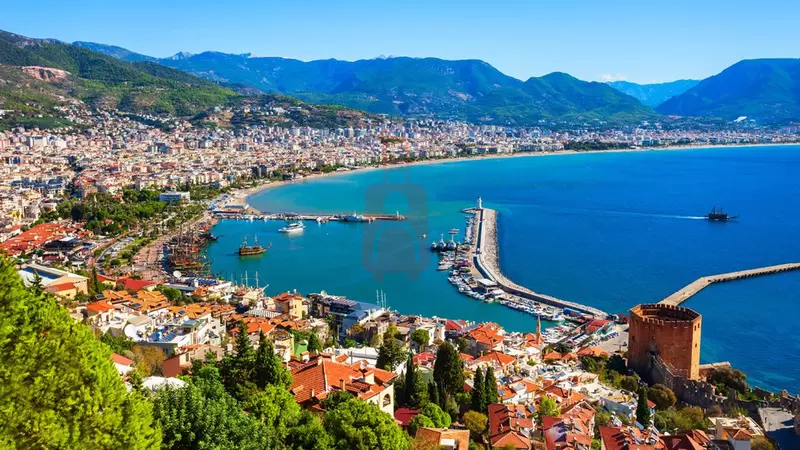
Antalya, a prominent coastal city, combines large, modern shopping malls with traditional bazaars, offering a spectrum of retail environments. Bodrum, known for its chic atmosphere, features designer boutiques, art galleries, and high-end artisanal crafts, particularly in its central marina area.
Bursa, historically a center for silk production, remains an excellent place to find high-quality silk products and traditional Turkish towels. Gaziantep, in southeastern Turkey, is celebrated for its intricate coppersmithing and its world-famous pistachios, often used in exquisite baklava.
Visitors on shopping excursions should anticipate an immersive cultural exchange. Haggling is a customary practice in traditional bazaars and small shops, especially for items like carpets and jewellery. It is often a friendly interaction, best approached with respect and a sense of humor. Accepting an offer of Turkish tea during a negotiation is also common and part of the hospitality.
The sensory experience in Turkish markets is profound, filled with vibrant colors, the sounds of vendors, and the rich aromas of spices and food. Visitors should allocate sufficient time to wander, observe, and engage with local shopkeepers. While many items are genuinely handcrafted, it is prudent to discern between authentic artisanal products and mass-produced imitations, particularly in highly touristic areas.
Seasonal considerations for shopping primarily revolve around comfort. Spring and autumn offer the most pleasant weather for exploring outdoor markets and walking through bazaars. Summers can be very hot, making air-conditioned malls more appealing for some. Winters see fewer crowds, and while some outdoor market activity might reduce, covered bazaars remain vibrant.
Regarding safety, general awareness in crowded areas is advisable, as with any major tourist destination. Visitors should safeguard their belongings, especially in bustling markets. When making significant purchases, such as carpets or jewellery, understanding currency exchange rates and using reputable sellers is important. Major credit cards are widely accepted in larger establishments, while smaller vendors may prefer cash.
For substantial purchases, such as carpets, discussing shipping options and insurance directly with the seller is crucial. Reputable shops will have established international shipping services. Always retain receipts and any authenticity certificates provided. These steps contribute to a smooth and secure shopping experience, allowing visitors to enjoy their acquisitions long after their return.

