Most Popular 10 Beaches in Beylikdüzü
21-01-2025 00:10
Architectural tours in Turkey offer unparalleled insight into millennia of design evolution and historical craftsmanship. Visitors explore Roman aqueducts, Byzantine basilicas, Seljuk caravanserai, and the majestic Ottoman imperial mosques and palaces. Turkeys unique position at the crossroads of civilizations has fostered a diverse array of styles, making it a premier destination for studying historical engineering, intricate tilework, monumental domes, and urban planning. These tours illuminate the cultural narratives embedded within the nations stone and mortar.

Are you ready to elevate your travel business? By becoming a registered agent with Tourka, you will unlock a world of exclusive opportunities. We provide our partners with competitive pricing, an easy-to-use booking platform, and a wide range of travel products tailored to your clients' needs.
Join Now
Turkey presents an unparalleled canvas for architectural exploration, offering a profound journey through millennia of human endeavor. This guide outlines the scope and characteristics of architectural tours within the country, highlighting its diverse historical layers and significant structural achievements. Visitors can expect an immersive experience, tracing the evolution of design from ancient civilizations to modern times, all within a single geographical expanse.
An architectural tour in Turkey involves traversing a rich tapestry of styles and eras, reflecting the multitude of empires and cultures that have shaped the Anatolian landscape. From the monumental Hittite cities and intricate Lycian rock-cut tombs to the grand Hellenistic theaters and sophisticated Roman temples, the sheer breadth is remarkable. Further layers include the resplendent Byzantine basilicas, the refined Seljuk madrasahs and caravanserais, and the iconic Ottoman mosques and palaces, alongside distinctive Republican-era constructions.
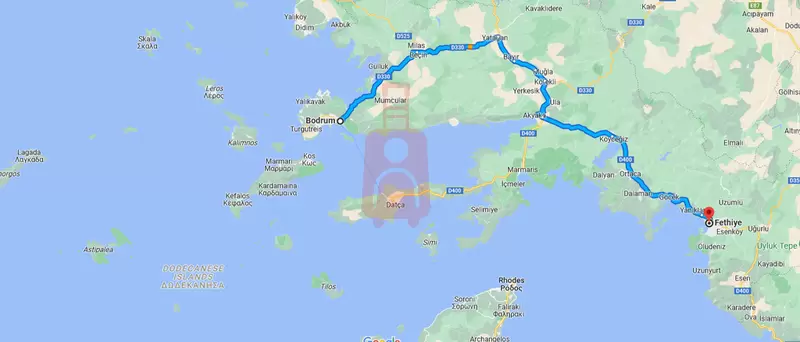
The journey often begins with the remnants of ancient Anatolian civilizations. Hattusa, the former Hittite capital, offers insights into an advanced Bronze Age empire with its formidable city walls and royal gates. In the southwest, the Lycian Way region showcases unique funerary architecture, notably at sites like Myra and Xanthos, where elaborate rock-cut tombs and sarcophagi are carved into cliff faces, often accessible from hubs such as Fethiye.
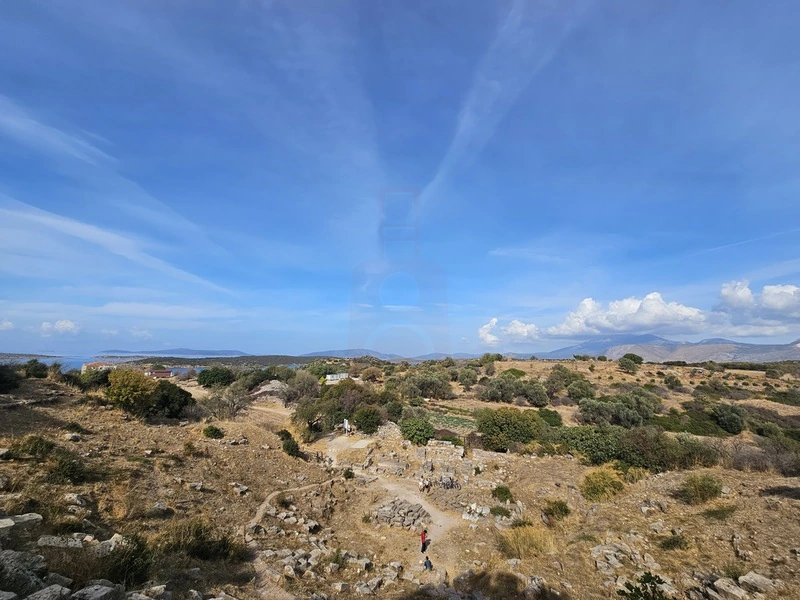
The Hellenistic and Roman periods left an indelible mark, with numerous cities boasting remarkably preserved structures. Ephesus stands as a prime example, home to the Library of Celsus, the Grand Theater, and the Terrace Houses, providing a glimpse into daily life in a bustling Roman metropolis. Pergamon, with its steeply inclined theatre and the Asclepieion healing center, showcases impressive engineering and urban planning. Aphrodisias is renowned for its stadium and the Temple of Aphrodite, celebrated for its sculptural work.
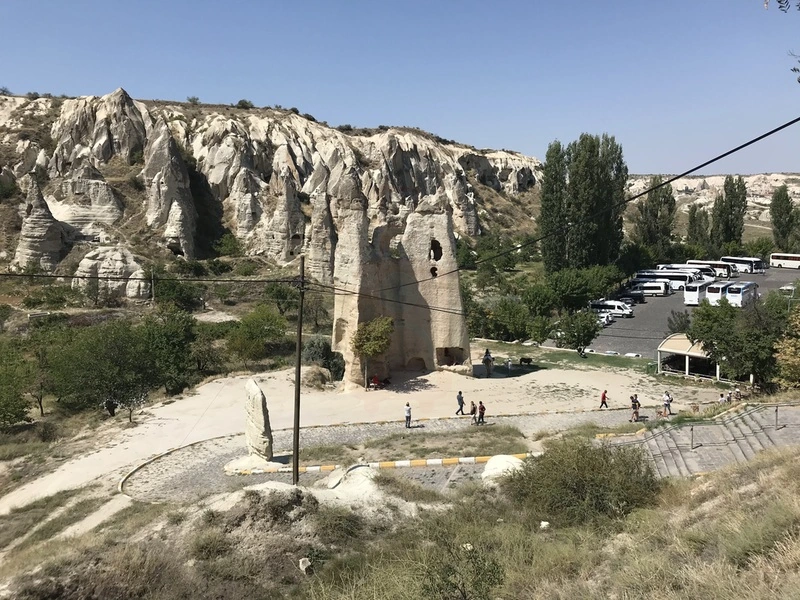
Moving forward in history, the Byzantine era profoundly influenced the architectural identity of regions like Istanbul and Cappadocia. In Istanbul, the Hagia Sophia, originally a basilica and later a mosque, stands as a testament to Byzantine structural innovation, particularly its colossal dome. The Chora Church, now the Kariye Museum, is celebrated for its exquisite mosaics and frescoes. In Cappadocia, the landscape is dotted with hundreds of rock-cut churches and monasteries, their interiors adorned with vibrant frescoes, demonstrating a unique adaptive architectural style.
The arrival of the Seljuk Turks introduced distinct architectural forms, characterized by intricate stone carvings, monumental portals, and domed structures. Konya, the Seljuk capital, hosts magnificent examples such as the Karatay Medrese and Ince Minareli Medrese, recognized for their elaborate tilework and minarets. Across Central and Eastern Anatolia, numerous caravanserais like Sultanhanı offer splendid examples of Seljuk ingenuity, serving as roadside inns for traders along the Silk Road.
The Ottoman Empire then brought forth a golden age of Islamic architecture, best exemplified by the works of Mimar Sinan, the chief architect for sultans Süleyman I, Selim II, and Murad III. His masterpiece, the Selimiye Mosque in Edirne, is admired for its structural harmony and visual impact. In Istanbul, the Süleymaniye Mosque and the Sultan Ahmed Mosque (Blue Mosque) dominate the skyline, showcasing the pinnacle of classical Ottoman design with their soaring domes and slender minarets. Topkapi Palace and Dolmabahçe Palace represent different phases of imperial residences, from traditional Ottoman layouts to European-influenced Baroque and Rococo styles.
The Republican era, following the establishment of modern Turkey, brought new architectural directives focusing on national identity and functionalism. Ankara, the capital, features significant structures like Anıtkabir, the mausoleum of Mustafa Kemal Atatürk, which embodies a blend of Seljuk, Ottoman, and modern architectural elements. Contemporary Turkish architecture continues to evolve, adding modern landmarks to the countrys diverse urban fabric, particularly in major cities like Istanbul and Izmir.
Key regions and hubs for architectural exploration are geographically diverse. Istanbul is an essential starting point, offering an unparalleled concentration of Byzantine and Ottoman masterpieces. The Aegean Coast, with cities like Izmir serving as a practical base, allows access to major Hellenistic and Roman sites such as Ephesus and Pergamon. The Mediterranean Coast is ideal for exploring Lycian and Roman sites, with Antalya and Fethiye providing convenient access points to places like Aspendos, Perge, Myra, and Xanthos.
Central Anatolia, centered around Konya, provides deep insights into Seljuk architecture and is the gateway to Cappadocias unique rock-cut structures and the ancient Hittite capital of Hattusa. For those interested in distinct Armenian and earlier Anatolian styles, Eastern Anatolia around cities like Kars and Erzurum offers sites like the medieval city of Ani and Seljuk monuments.
Seasonal planning is crucial for an optimal architectural tour. Spring (April-May) and Autumn (September-October) generally offer the most pleasant weather conditions for extensive outdoor site visits, with moderate temperatures and fewer crowds. Summer (June-August) can be intensely hot, particularly in inland and southern regions, making early morning excursions advisable to avoid the midday sun. Winter (November-March) provides a quieter experience, though some remote sites may have restricted access or shorter operating hours due to weather; Istanbul remains a viable winter destination.
Visitors undertaking architectural tours in Turkey should prepare for significant amounts of walking over varying terrains, from paved city streets to uneven archaeological sites. Comfortable, sturdy footwear is indispensable. Accessibility can vary greatly; while modern facilities often comply with accessibility standards, many ancient sites present challenges due to their historical preservation and natural topography.
Engaging a certified local guide is highly recommended to enhance understanding of the historical context, architectural nuances, and cultural significance of each site. These guides can provide detailed explanations that bring structures to life. While photography is generally permitted, discretion should be exercised, particularly in active places of worship, where flash photography may be prohibited.
Safety in Turkey is comparable to many European destinations; standard travel precautions are advised. Tourists should be aware of their surroundings, particularly in crowded areas, and safeguard personal belongings. At religious sites, particularly mosques, it is respectful to dress modestly, covering shoulders and knees; women may also need to cover their heads, with scarves often available for loan at entrances. Adhering to site-specific rules ensures a smooth and respectful visit.
In conclusion, Turkey offers an extraordinarily rich and diverse architectural heritage, allowing visitors to trace the narrative of human civilization through its built environment. From the monumental ruins of empires past to the elegant designs of classical and modern periods, an architectural tour provides a profound appreciation for the countrys layered history and enduring artistic legacy.

