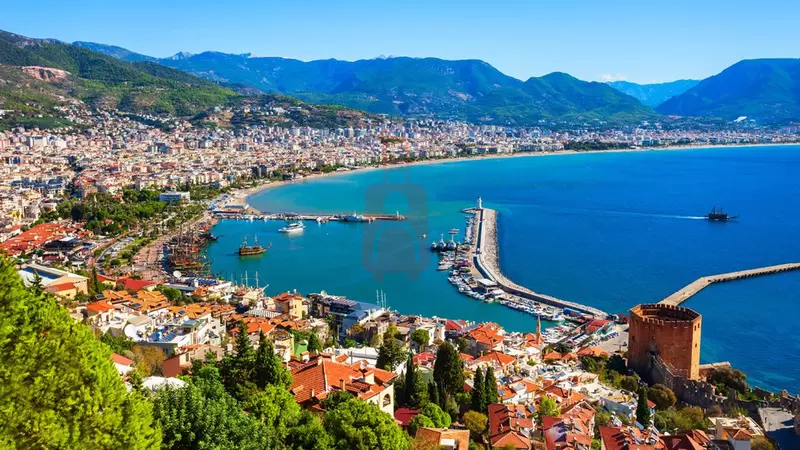
Antalya: Best Places to Visit & Essential Travel Tips
07-09-2023 19:13
Turkeys camping and eco-tours offer immersive journeys through diverse landscapes, from Mediterranean coasts to Kaçkar Mountains. These tours emphasize sustainable trekking, wildlife observation, and authentic village interactions, showcasing rich biodiversity and ancient routes like the Lycian Way. Their growing popularity stems from the countrys vast, untouched natural beauty, accessible heritage, and responsible tourism focus, providing genuine, low-impact adventures for nature enthusiasts.

Are you ready to elevate your travel business? By becoming a registered agent with Tourka, you will unlock a world of exclusive opportunities. We provide our partners with competitive pricing, an easy-to-use booking platform, and a wide range of travel products tailored to your clients' needs.
Join Now
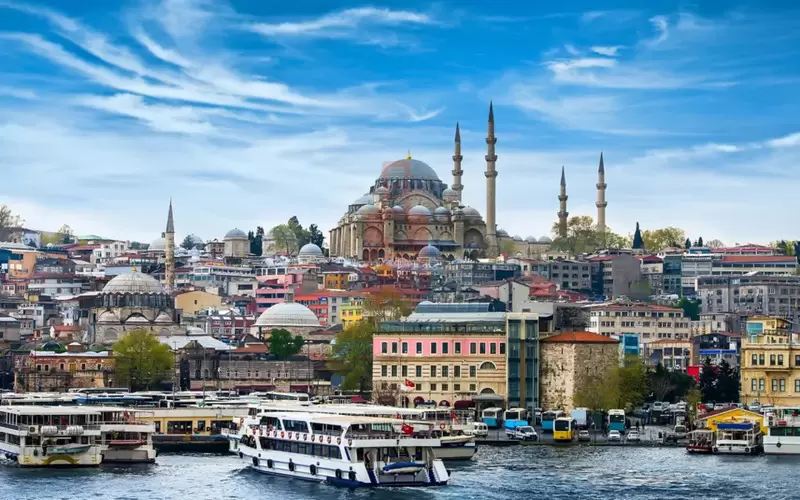
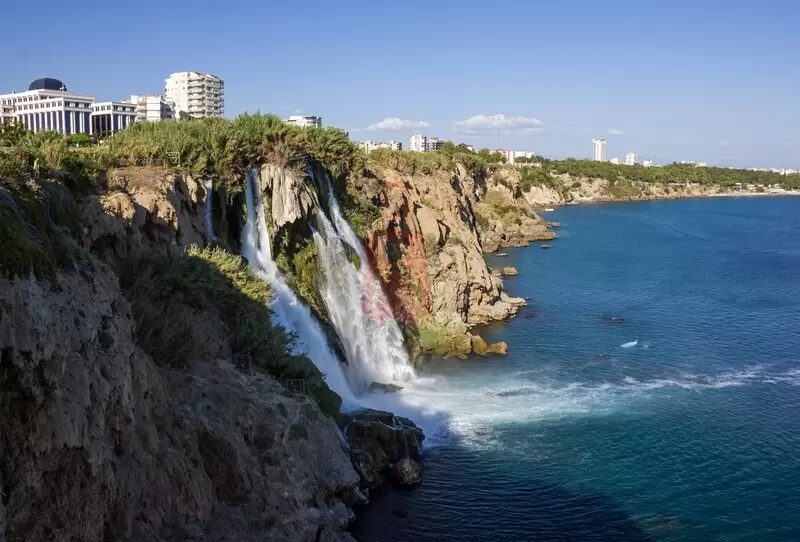
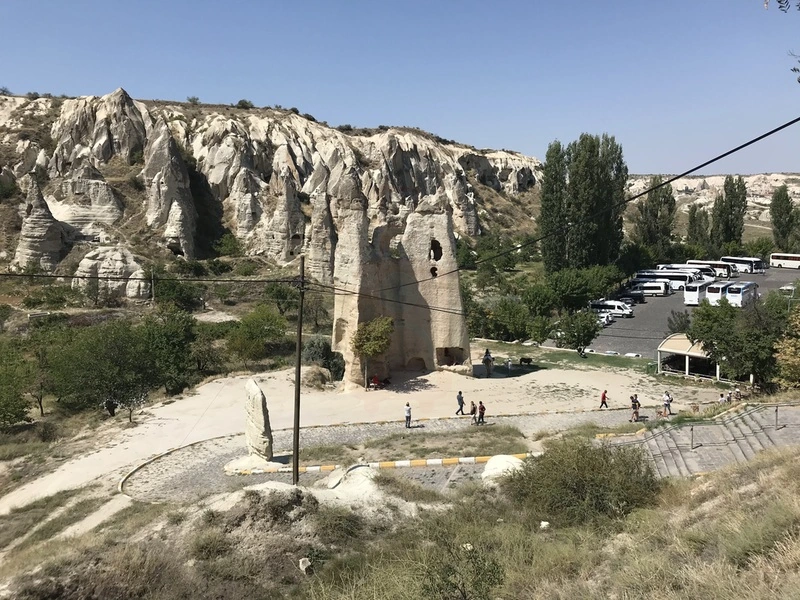
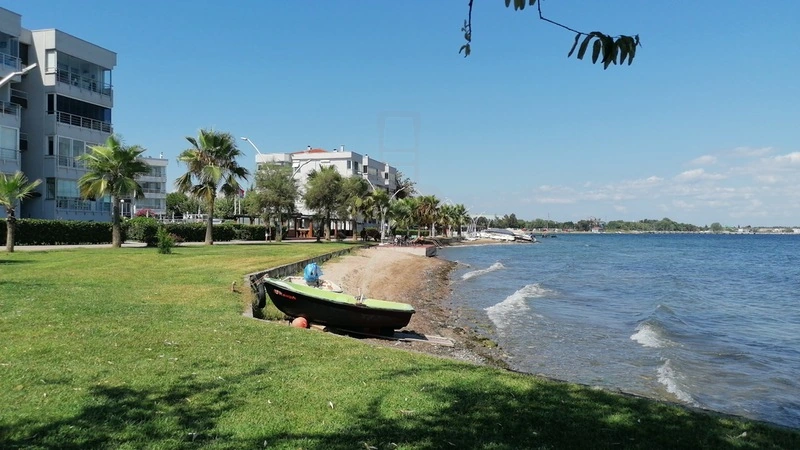
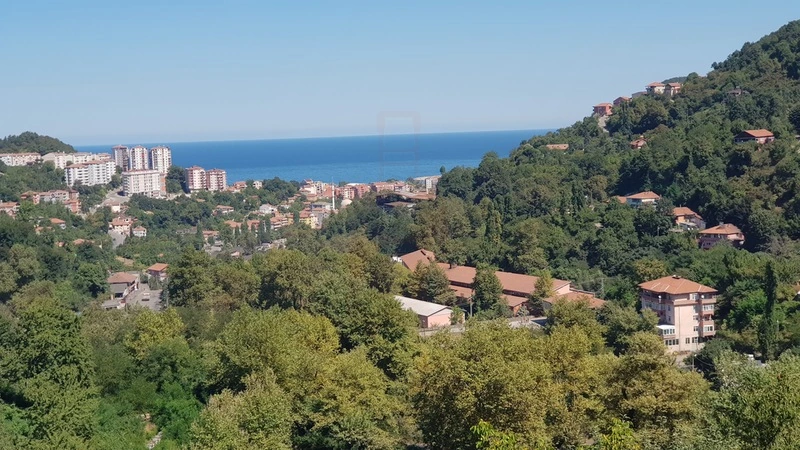
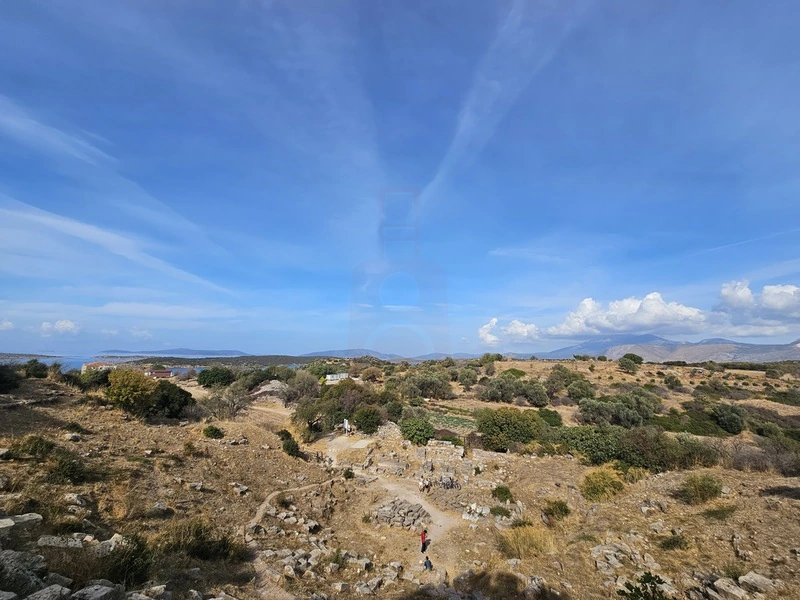
Turkey offers a distinct and enriching experience for those drawn to camping and eco-tourism, presenting a landscape rich in biodiversity, historical depth, and natural beauty. This guide provides an overview for adventurers seeking immersive outdoor experiences, focusing on responsible interaction with Turkeys diverse environments. The countrys varied geography, from sun-drenched coastlines to lush mountain plateaus, creates an ideal setting for sustainable travel practices.
Camping and eco-tours in Turkey typically involve a combination of outdoor accommodation, guided treks, wildlife observation, and cultural engagement with local communities. Participants can expect to stay in tents, often within designated campsites or in permitted wild camping areas, prioritizing minimal environmental impact. The emphasis is on experiencing nature firsthand, understanding local ecosystems, and contributing positively to conservation efforts.
Activities often include hiking along ancient paths, birdwatching in national parks, exploring geological formations, and engaging in light adventure sports like kayaking in coastal lagoons. Educational components are frequently integrated, focusing on indigenous flora and fauna, sustainable living practices, and the historical context of the regions visited. This approach encourages a deeper connection with the natural world and cultural heritage.
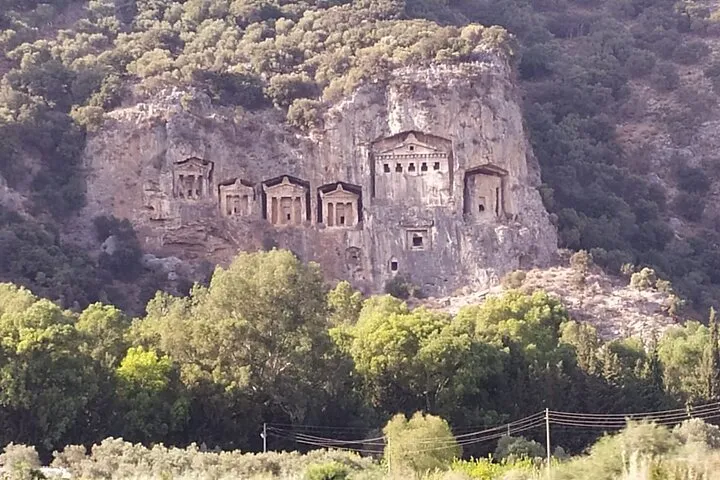
The Mediterranean coast, particularly the stretch encompassing Fethiye, Kaş, and Antalya, is a premier destination for coastal camping and eco-treks. The famed Lycian Way, a 500-kilometer marked footpath, offers unparalleled opportunities for multi-day hikes, combining ancient ruins with stunning sea views. Campgrounds dot the route, often providing basic facilities, and wild camping is generally tolerated in non-restricted areas with discretion.
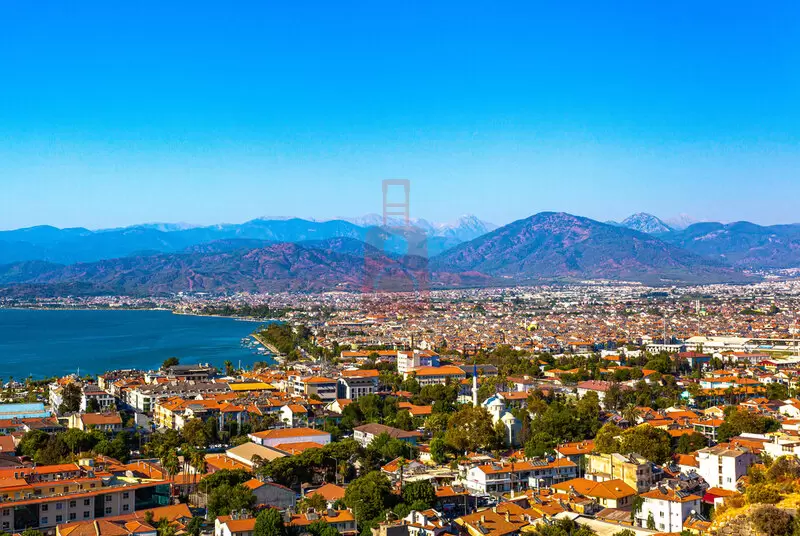
Areas around Fethiye, such as Ölüdeniz and Butterfly Valley, present unique spots for both beachside and cliffside camping, with access to boat tours focused on marine conservation. Kaş offers a more rugged coastal experience, ideal for sea kayaking and exploring hidden coves, with several well-maintained campsites nearby. This regions warm climate for much of the year extends the camping season significantly.
The Aegean coast, from Izmir southwards, provides a different character of eco-tourism, often blending historical exploration with nature. Dilek Peninsula-Büyük Menderes Delta National Park, near Kuşadası, is a significant ecological site, perfect for birdwatching and gentle hiking amidst Mediterranean maquis and wetlands. Camping facilities within or near the park allow for extended stays.
Further north, the Gallipoli Peninsula offers a unique blend of poignant history and serene natural beauty, with opportunities for quiet reflection and camping near historical sites. The regions olive groves and more temperate climate make it appealing for those seeking a less strenuous outdoor experience. Small, locally-run campsites often reflect the agricultural character of the area.
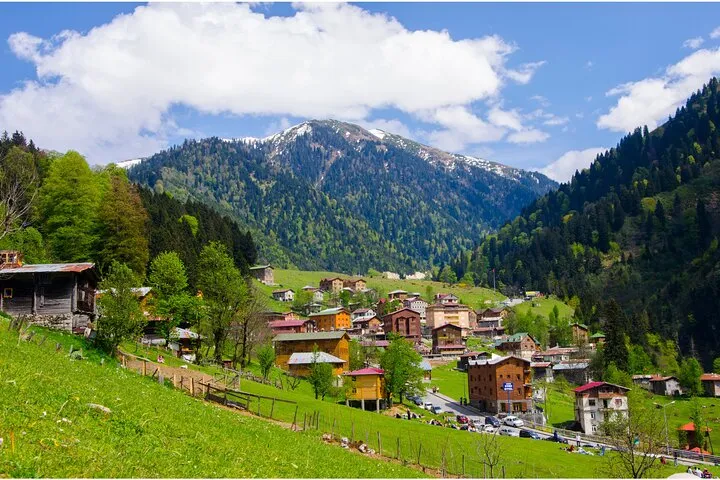
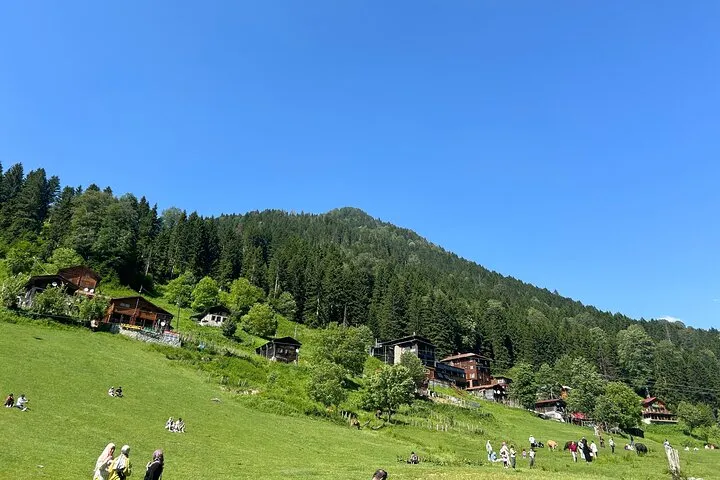
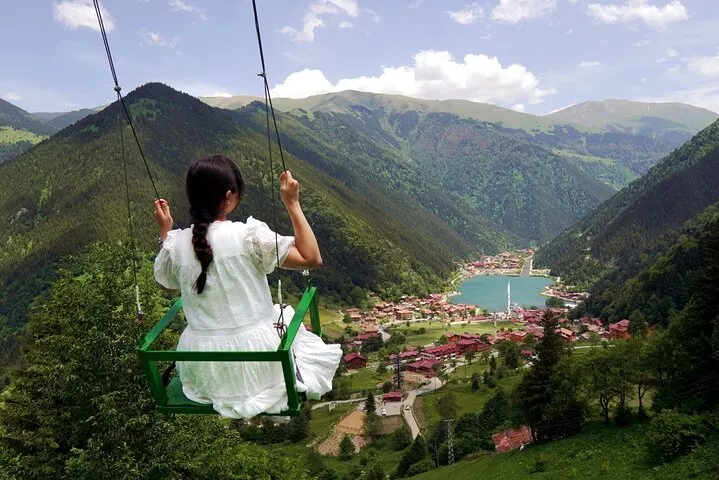
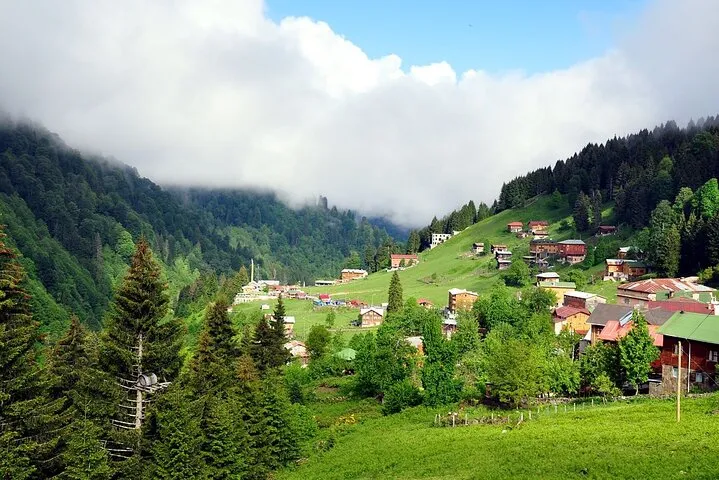
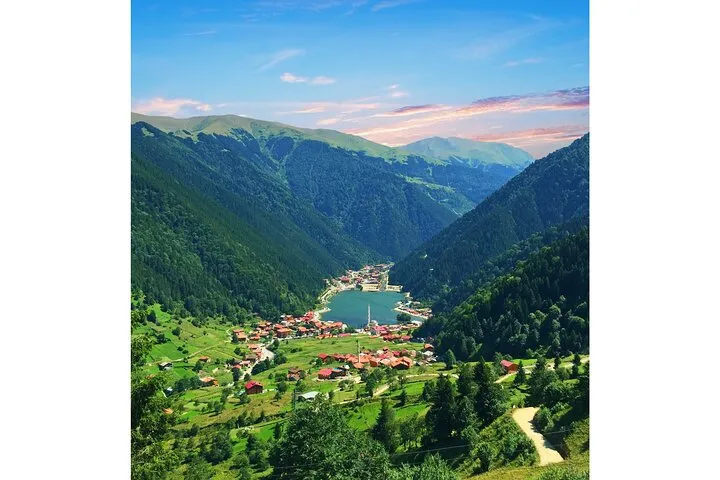
Turkeys Black Sea region, especially the eastern provinces like Rize, Trabzon, and Artvin, is characterized by its lush, temperate rainforests, high-altitude plateaus (yayla), and dramatic river valleys. This area is ideal for eco-tours focused on rich biodiversity, endemic plant species, and traditional village life. Camping here offers a cooler, more challenging environment.
Notable areas include the Kaçkar Mountains National Park, a haven for trekkers and wildlife enthusiasts, with opportunities to camp near glacial lakes and remote hamlets. The Ayder Plateau is a well-known base for exploring the surrounding forests and waterfalls. Visitors should be prepared for changing weather conditions and potentially rugged terrain, making it a destination for more experienced campers.
While often associated with hot air balloons, Cappadocia offers unique eco-tourism opportunities amidst its lunar-like landscapes and fairy chimneys. Camping here allows for stargazing in a truly unique geological setting, with several dedicated campsites providing facilities. Treks through valleys like Ihlara and Rose Valley reveal ancient cave churches and pigeon houses, blending cultural immersion with natural exploration.
The vast steppes and volcanic formations also present opportunities for quiet, reflective camping, away from urban centers. While not typical green camping, the focus remains on minimal impact and appreciating the geological wonders. Winter camping here can be particularly striking, transforming the landscape into a snow-covered wonderland.
Spring (April-May) is often considered the ideal season for camping and eco-tours across most of Turkey, offering mild temperatures, blooming wildflowers, and vibrant green landscapes. It is particularly excellent for trekking on coastal paths and in lower mountain ranges, prior to the intense summer heat.
Summer (June-August) is best suited for higher altitudes, such as the Kaçkar Mountains or parts of Central Anatolia, where temperatures are more moderate. Coastal regions can be very hot during this period, but swimming and marine activities are at their peak. Ensure adequate hydration and sun protection if venturing out in summer.
Autumn (September-October) provides another excellent window, with pleasant temperatures, fewer crowds, and stunning autumn foliage in regions like the Black Sea. The sea remains warm enough for swimming along the Mediterranean and Aegean coasts. This season is also good for extended trekking before winter sets in.
Winter (November-March) generally limits camping to more specialized experiences, such as snow camping in designated mountain areas or staying in cabins near ski resorts. Coastal areas remain milder but can experience significant rainfall. Accessibility to many remote areas becomes challenging due to snow and road closures.
Prioritizing safety begins with thorough preparation. Always inform someone of your itinerary and expected return time, especially when embarking on remote treks. Carry a map, compass or GPS device, sufficient water, and appropriate gear for varying weather conditions. Familiarize yourself with local emergency numbers, such as 112 for general emergencies.
Wildlife encounters are generally benign, but awareness is key. Common animals include wild boars, foxes, and various bird species. Encounters with larger predators are rare. Maintain a safe distance, store food securely, and avoid approaching any animals. Be mindful of snakes, especially during warmer months; wearing appropriate footwear and watching where you step is advisable.
Responsible eco-tourism in Turkey emphasizes the Leave No Trace principles. This means packing out everything you pack in, including all waste, and disposing of it properly. Respect local flora and fauna by staying on marked paths and avoiding disturbing natural habitats. Fires should only be lit in designated areas and extinguished completely.
Respect for local culture and communities is paramount. Seek permission before camping on private land and consider supporting local economies by purchasing supplies from small businesses. In protected areas or national parks, inquire about necessary permits or regulations concerning camping and trekking, as these are often required to preserve sensitive ecosystems.
Visitors embarking on camping and eco-tours in Turkey can expect an authentic and deeply rewarding engagement with the countrys natural and historical landscape. It is an opportunity to disconnect from urban life and reconnect with the rhythms of nature, whether by the turquoise waters of the Mediterranean or amidst the mist-shrouded peaks of the Kaçkar Mountains. The experience offers a unique blend of physical activity, cultural insight, and environmental appreciation.
This style of travel promises an immersive journey, allowing for close observation of diverse ecosystems and a chance to witness Turkeys commitment to preserving its natural heritage. From ancient ruins quietly observed at dawn to evenings spent under a canopy of stars, these tours provide memories forged through direct interaction with one of the worlds most geographically and culturally rich destinations.

