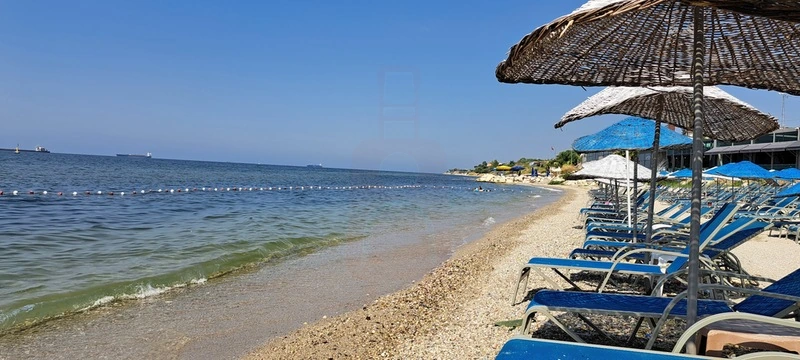
Most Popular 10 Beaches in Beylikdüzü
21-01-2025 00:10
Experience Turkeys vibrant arts scene through diverse concerts and theatre performances. From historic Ottoman-era venues showcasing classical Turkish music and captivating folk dances to modern auditoriums featuring international orchestras, opera, ballet, and contemporary plays, Turkey offers rich cultural entertainment. Major cities like Istanbul, Ankara, and Izmir host a year-round calendar of productions. Discover world-class artistic expressions, blending historical narratives with dynamic modern interpretations, reflecting Turkeys deep cultural roots and creative pulse.

Are you ready to elevate your travel business? By becoming a registered agent with Tourka, you will unlock a world of exclusive opportunities. We provide our partners with competitive pricing, an easy-to-use booking platform, and a wide range of travel products tailored to your clients' needs.
Join Now
Turkey offers a vibrant and diverse performing arts scene, providing a rich cultural experience for visitors beyond its historical sites and natural landscapes. From grand classical concerts to contemporary theatrical productions and traditional folk performances, the country caters to a wide array of artistic preferences. Engaging with Turkeys performing arts allows for a deeper understanding of its cultural fabric, which blends both Eastern and Western influences.
Attending a concert or theatre performance in Turkey typically involves securing tickets for a scheduled event at a dedicated venue. The types of events vary significantly. You might find international orchestras and ballet companies touring major cities, national opera and theatre troupes performing Turkish or translated classics, or smaller venues showcasing local musicians and experimental theatre groups. The experience is often immersive, reflecting the passion and artistry prevalent in Turkish culture.
For those seeking high-caliber performing arts, **Istanbul** stands as the undisputed cultural capital. The city boasts numerous world-class venues. The Atatürk Cultural Center (AKM) in Taksim Square is a modern, iconic hub for opera, ballet, and classical concerts. Zorlu PSM, a contemporary multi-purpose performance center, frequently hosts international musicals, pop concerts, and stand-up comedy shows. Historical venues like the Süreyya Opera House in Kadıköy offer a more traditional setting for operatic and ballet performances.
Beyond these prominent locations, many smaller independent theatres and music halls across Istanbul present a diverse program of plays, jazz concerts, and traditional Turkish music. These can offer a more intimate and localized experience, often featuring emerging artists and innovative productions. Checking local listings or venue websites is essential for a comprehensive overview of current offerings.
**Ankara**, as the capital city, is another significant center for the performing arts, particularly known for its state-supported institutions. The Turkish State Opera and Ballet and the State Theatres have strong presences here, offering a regular season of classical music, opera, ballet, and dramatic plays. Venues such as the CSO Ada Ankara Concert Hall provide excellent acoustics for classical music performances. Ankaras universities also contribute to a lively arts scene, often hosting student productions and public concerts.
**Izmir**, on the Aegean coast, has a growing reputation for its cultural events. The city’s State Opera and Ballet company regularly performs, and various cultural centers host concerts, plays, and art exhibitions. The Ahmed Adnan Saygun Arts Center is a notable modern venue known for its architectural design and diverse program, attracting both national and international artists.
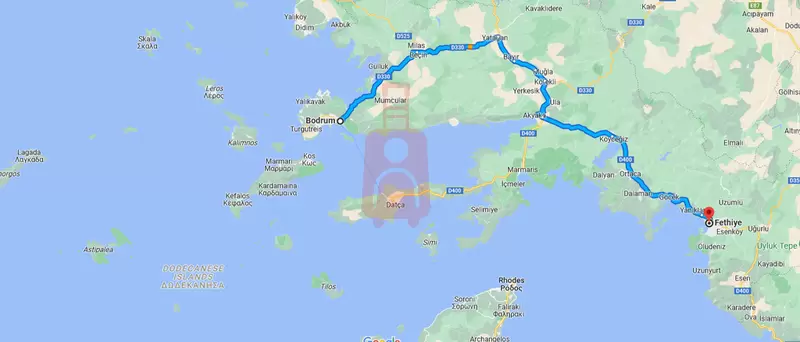
While major classical concerts and theatrical productions are predominantly found in Turkeys larger cities, popular coastal hubs like **Fethiye**, Bodrum, and Antalya occasionally host local folk music evenings or smaller cultural performances, especially during peak tourist seasons. These events often provide a different, more intimate glimpse into regional traditions, perhaps featuring traditional Turkish instruments or storytelling. Visitors to these areas might find open-air summer concerts or cultural festivals that blend music with local heritage.
Beyond traditional venues, historical sites across Turkey sometimes serve as unique backdrops for performances. The ancient Roman theatre of Aspendos near Antalya hosts the annual International Opera and Ballet Festival in the summer, offering a truly memorable experience. Similarly, classical music concerts are occasionally staged in other historical amphitheaters or ancient ruins, creating an atmospheric fusion of history and art. Cappadocia is renowned for its Whirling Dervish ceremonies, a spiritual performance of music and dance that is deeply rooted in Turkish Sufi tradition.
Seasonal timing significantly influences the availability and type of performances. The indoor theatre and concert season in major cities generally runs from late September to May. During these months, you can expect a full schedule of classical concerts, opera, ballet, and theatrical plays. Major national and international touring companies typically schedule their visits during this period.
Summer, from June to August, sees a shift towards outdoor events and festivals. The Istanbul International Jazz Festival, Aspendos Opera and Ballet Festival, and various music festivals take place during these warmer months. Many coastal towns and tourist regions also organize local cultural events and open-air concerts to entertain visitors. Performances at historical sites are almost exclusively a summer phenomenon.
Regarding safety, attending concerts and theatre in Turkey is generally a secure and enjoyable experience. Venues in major cities typically employ standard security measures, including bag checks upon entry. It is advisable to arrive a little early to allow time for these procedures. Public transportation is usually reliable for reaching venues, and taxis or ride-sharing services are readily available in urban areas after evening performances.
When purchasing tickets, it is always recommended to use official venue websites or reputable ticketing platforms to avoid counterfeit tickets or inflated prices. Be cautious of unofficial street vendors. Most venues will have clear signage and staff available to assist with directions or any queries before and during the event. Understanding basic venue etiquette, such as silencing mobile phones and refraining from talking during performances, contributes to a pleasant experience for all attendees.
Visitors can expect a diverse range of artistic quality, from world-class productions to more local and experimental endeavors. For plays and musical theatre, language can sometimes be a barrier if the performance is in Turkish without subtitles, though opera and ballet are often more universally understood. Some venues, especially those hosting international acts, may offer supertitles for opera or translated program notes for plays.
Dress codes vary depending on the venue and the type of event. For state opera, ballet, or classical concerts, smart casual attire is generally appropriate, with some attendees choosing more formal wear for premieres. For pop concerts or smaller, independent theatre shows, casual dress is widely accepted. Ticket prices also vary considerably, reflecting the type of production, venue, and seating location, but they are generally comparable to or more affordable than similar experiences in many Western countries.
Accessibility at older venues can sometimes be limited, particularly for individuals with mobility challenges, but newer cultural centers are typically designed with modern accessibility standards. Checking the specific venues website or contacting them directly beforehand can provide detailed information on accessible seating and facilities. Overall, attending a concert or theatre performance in Turkey offers a culturally enriching dimension to any travel itinerary, providing memorable evenings filled with artistic expression.

