Most Popular 10 Beaches in Beylikdüzü
21-01-2025 00:10
Explore Turkeys renowned spa and hammam experiences, integral to its wellness culture. Traditional Turkish baths offer a unique ritual: steam, vigorous scrubbing (kese), and a soothing foam massage. These historic establishments, from Ottoman structures to modern luxury spas, provide deep cleansing, relaxation, and a connection to centuries-old traditions. Popular nationwide, theyre essential for cultural immersion and rejuvenation. Many incorporate thermal waters, enhancing their therapeutic benefits and making them a beloved Turkish custom.

Are you ready to elevate your travel business? By becoming a registered agent with Tourka, you will unlock a world of exclusive opportunities. We provide our partners with competitive pricing, an easy-to-use booking platform, and a wide range of travel products tailored to your clients' needs.
Join Now
Turkey offers a unique blend of ancient wellness traditions and modern luxury, making it an exceptional destination for spa and hammam experiences. These establishments are more than just places for relaxation; they are deeply woven into the fabric of Turkish culture, offering visitors a profound sense of rejuvenation and a glimpse into historical practices.
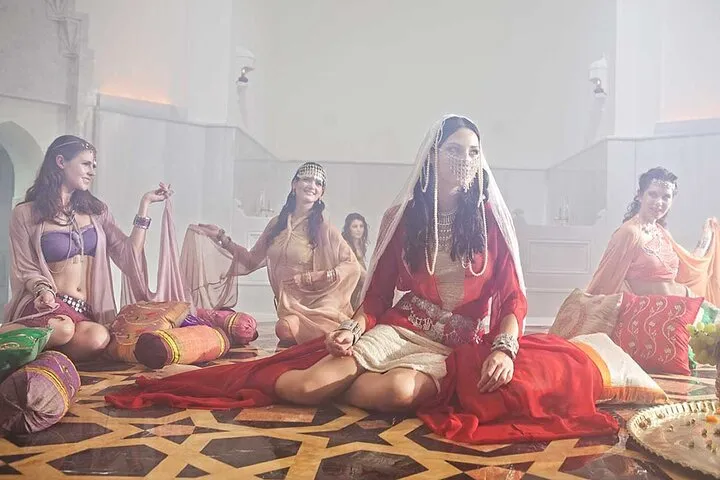
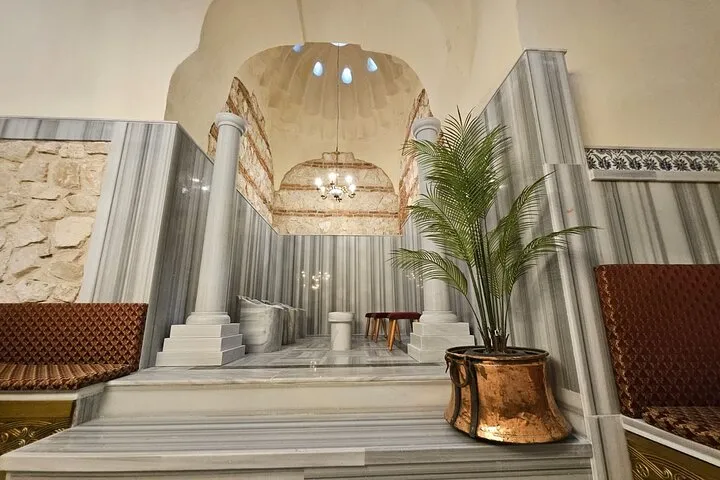
A traditional Turkish hammam, or Turkish bath, is a public bathing house designed for cleansing and relaxation. Historically, hammams served as social hubs, particularly in Ottoman times, where people gathered not only to cleanse but also to socialize and conduct business. Today, while the social aspect persists, many hammams cater specifically to tourists seeking a quintessential Turkish experience.
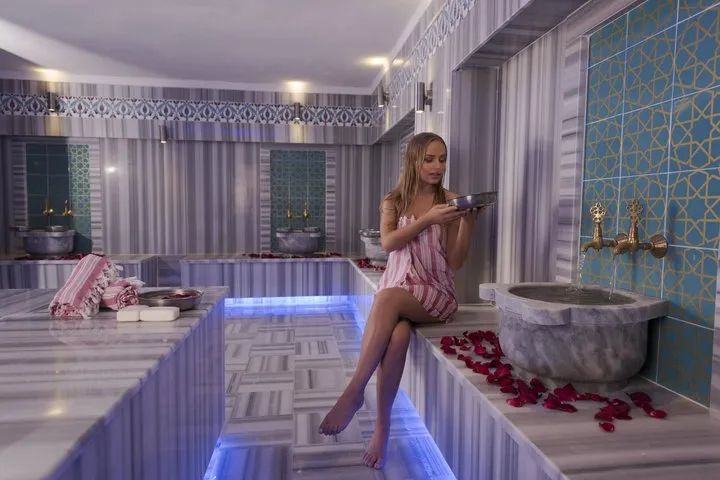
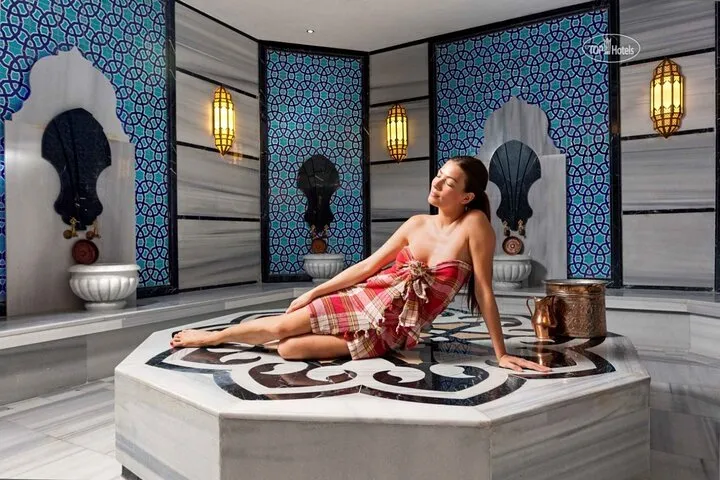
The typical hammam process begins in the *sıcaklık*, or hot room, where the body gradually warms up and prepares for purification. This room is usually heated by a continuous flow of hot, dry steam, which helps to open pores and induce sweating. Visitors recline on a heated marble slab, known as the *göbek taşı* (belly stone), allowing the warmth to penetrate their muscles.
Following the warming period, a *tellak* (male attendant) or *natır* (female attendant) performs the *kese* ritual. This involves a vigorous full-body exfoliation using a coarse mitt, or *kese*, to remove dead skin cells. This scrubbing is renowned for leaving the skin incredibly smooth and refreshed, preparing it for the next stage of the experience.
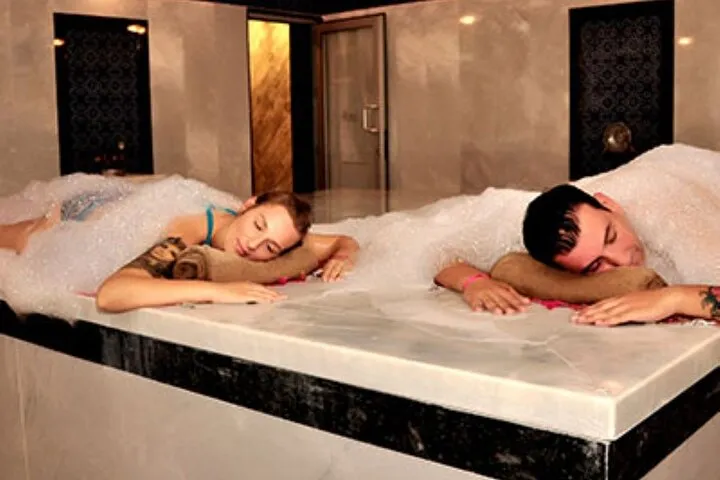
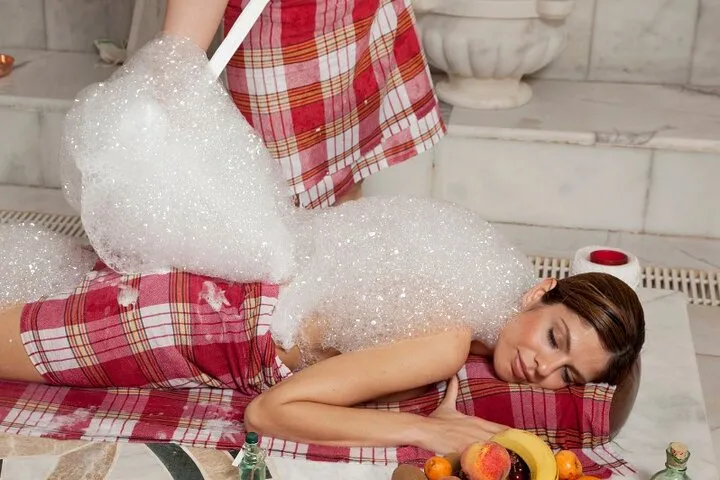
After exfoliation, the body is thoroughly rinsed, often followed by a soothing *köpük masajı*, or foam massage. The attendant uses a special cloth bag to create abundant soap suds, which are then poured over the body. This creamy foam provides a gentle, relaxing massage, leaving the skin feeling deeply cleansed and hydrated. The experience concludes with a final rinse and a period of relaxation in the *soğukluk*, or cooling room, where visitors can slowly return to a normal body temperature while enjoying Turkish tea or sherbet.
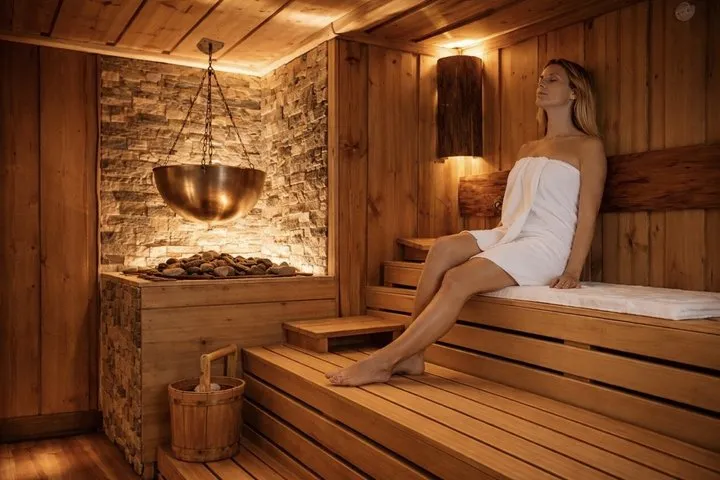
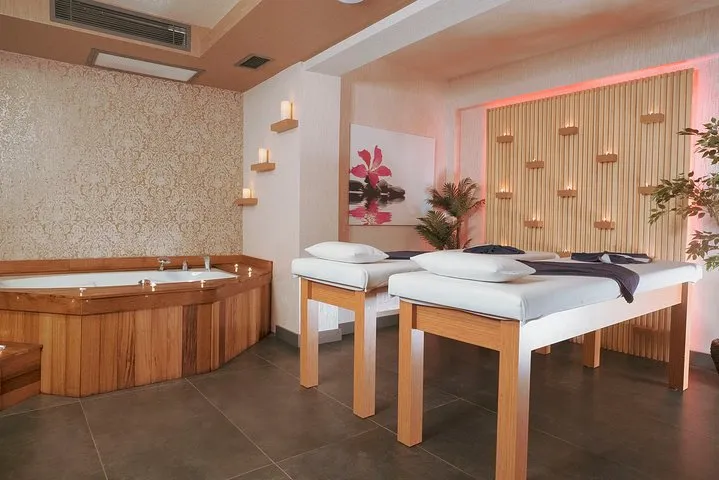
Beyond traditional hammams, Turkey boasts a diverse range of modern spas that integrate contemporary wellness practices with local traditions. These establishments often feature extensive menus including aromatherapy massages, deep tissue treatments, hot stone therapy, facials, and various holistic rituals. Many luxury hotels across the country incorporate sophisticated spa facilities, offering a seamless blend of comfort and indulgence.
For those seeking a more contemporary spa experience, many centers utilize natural Turkish ingredients, such as olive oil, rose water, and indigenous herbs in their treatments. These modern spas frequently offer private treatment rooms and a broader array of amenities, including saunas, steam rooms, indoor pools, and fitness centers, catering to a comprehensive wellness journey.
Turkey offers several prime locations for experiencing both traditional hammams and modern spas. Istanbul, as the countrys cultural heart, hosts some of the most historic and opulent hammams, such as Ayasofya Hürrem Sultan Hamamı and Cağaloğlu Hamamı. These grand establishments provide an authentic experience in architecturally stunning settings, echoing centuries of Ottoman heritage.
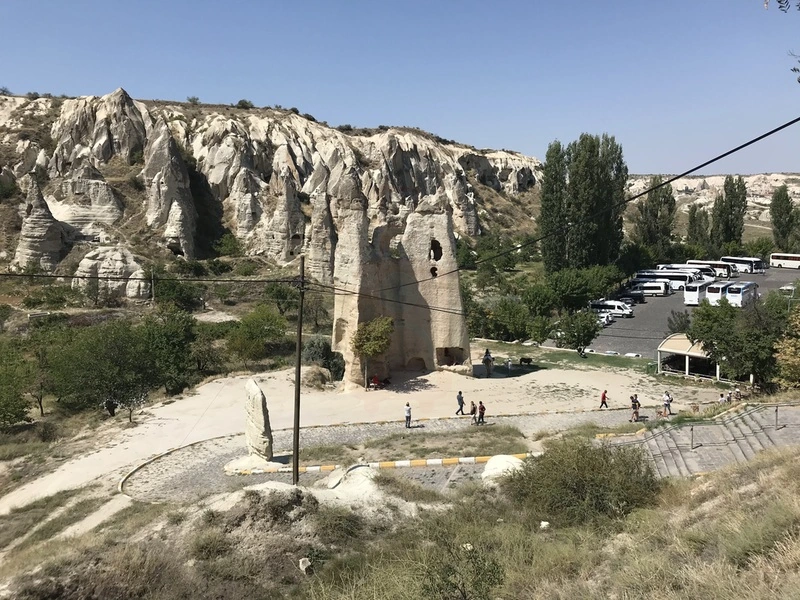
Cappadocia, with its unique lunar landscapes, offers an unparalleled spa experience, often set within enchanting cave hotels. Many of these unique properties feature their own hammams and spas, blending the regions natural beauty with ancient and modern treatments. The ambiance of a cave spa, with its natural insulation and serene atmosphere, is particularly memorable.
Pamukkale, famous for its dazzling white travertine terraces and ancient thermal waters, is another essential destination for wellness travelers. The region is home to numerous thermal spa hotels that leverage the mineral-rich waters for therapeutic and relaxing treatments. Visitors can combine exploring the natural wonders with indulging in a rejuvenating soak.
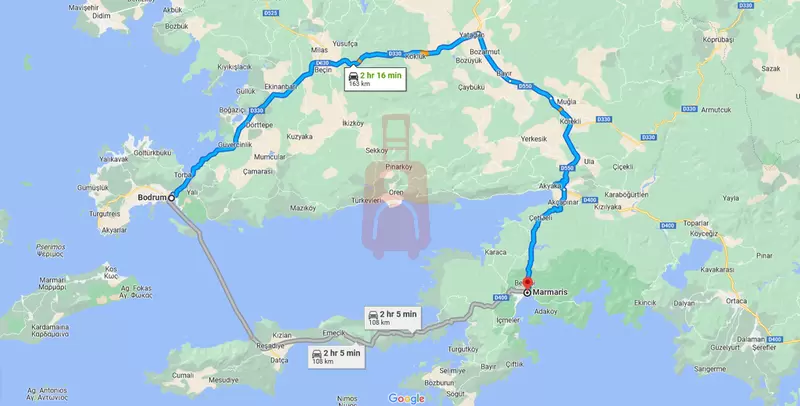
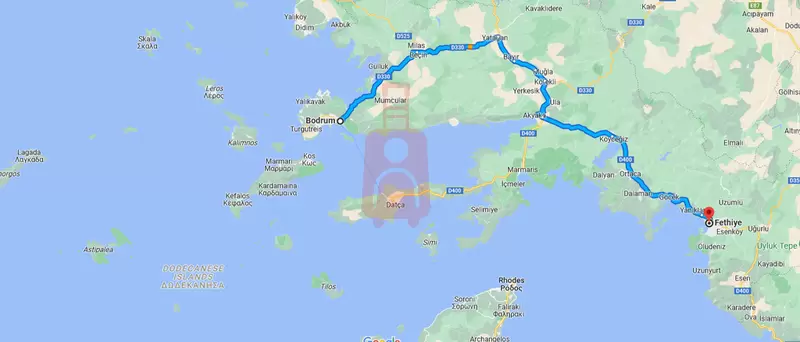
Along the Aegean and Mediterranean coasts, popular tourist hubs like Bodrum, Antalya, and Fethiye are replete with both traditional hammams and luxurious resort spas. In Fethiye, for example, travelers can find local hammams offering the classic Turkish bath experience, alongside many resorts that provide extensive spa menus, often with breathtaking sea views, catering to a wide range of preferences and budgets.
Bursa, nestled at the foot of Mount Uludağ, has been celebrated for its thermal springs since Roman and Byzantine times, and particularly during the Ottoman era. Historic baths like the Eski Kaplıca and Kara Mustafa Paşa Hamamı continue to operate, offering traditional thermal bathing experiences rooted in centuries of use for healing and relaxation.
When preparing for a hammam or spa visit, visitors should understand a few key expectations. Hammams typically have separate sections or designated hours for men and women, ensuring privacy. Modesty is maintained with a *peştemal*, a traditional Turkish towel, provided for wrapping. In modern spas, changing rooms and private treatment areas are standard.
While a language barrier might occasionally arise in smaller, local hammams, most establishments catering to international visitors will have staff who speak English. Tipping the attendant for a traditional hammam service is customary and appreciated, reflecting good service.
For optimal enjoyment, it is advisable to arrive hydrated and avoid heavy meals immediately before your appointment. Removing jewelry is recommended to prevent loss or damage during treatments. The overall atmosphere in these venues is generally one of peace and tranquility, encouraging a deep sense of relaxation and cultural immersion.
Seasonally, hammam and spa experiences are enjoyable year-round. In the colder winter months, the warmth of a hammam provides a comforting escape from the chill. During the hot summer, an early morning or late evening visit can be a refreshing way to cool down and revitalize. The shoulder seasons of spring and autumn offer pleasant weather, ideal for combining relaxation with outdoor exploration.
Regarding safety and etiquette, reputable establishments maintain high standards of hygiene. Individuals with specific health conditions, such as pregnancy, heart conditions, or skin sensitivities, should consult a medical professional before engaging in certain treatments. It is courteous to respect the quiet atmosphere of the spa or hammam, keeping conversations to a minimum and using a calm tone.
Choosing an experience depends on personal preference and budget. Travelers can opt for the authenticity of an ancient, local hammam for a cultural deep-dive, or select a modern luxury spa for a comprehensive wellness retreat. Researching reviews and asking questions about services and facilities beforehand can help ensure a satisfying experience tailored to individual desires.
In conclusion, Turkey offers an enriching spectrum of spa and hammam experiences that blend historical tradition with contemporary wellness. From the invigorating exfoliation of a centuries-old Turkish bath to the serene indulgence of a modern resort spa, visitors are invited to discover profound relaxation and cultural connection. These experiences provide more than just physical rejuvenation; they offer a unique window into the soul of Turkish hospitality and well-being.

