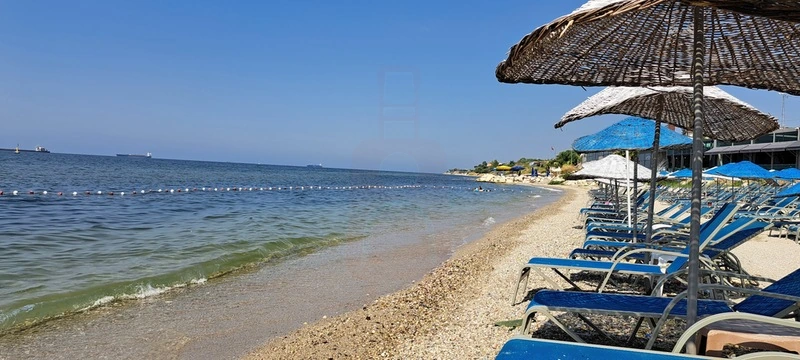
Most Popular 10 Beaches in Beylikdüzü
21-01-2025 00:10
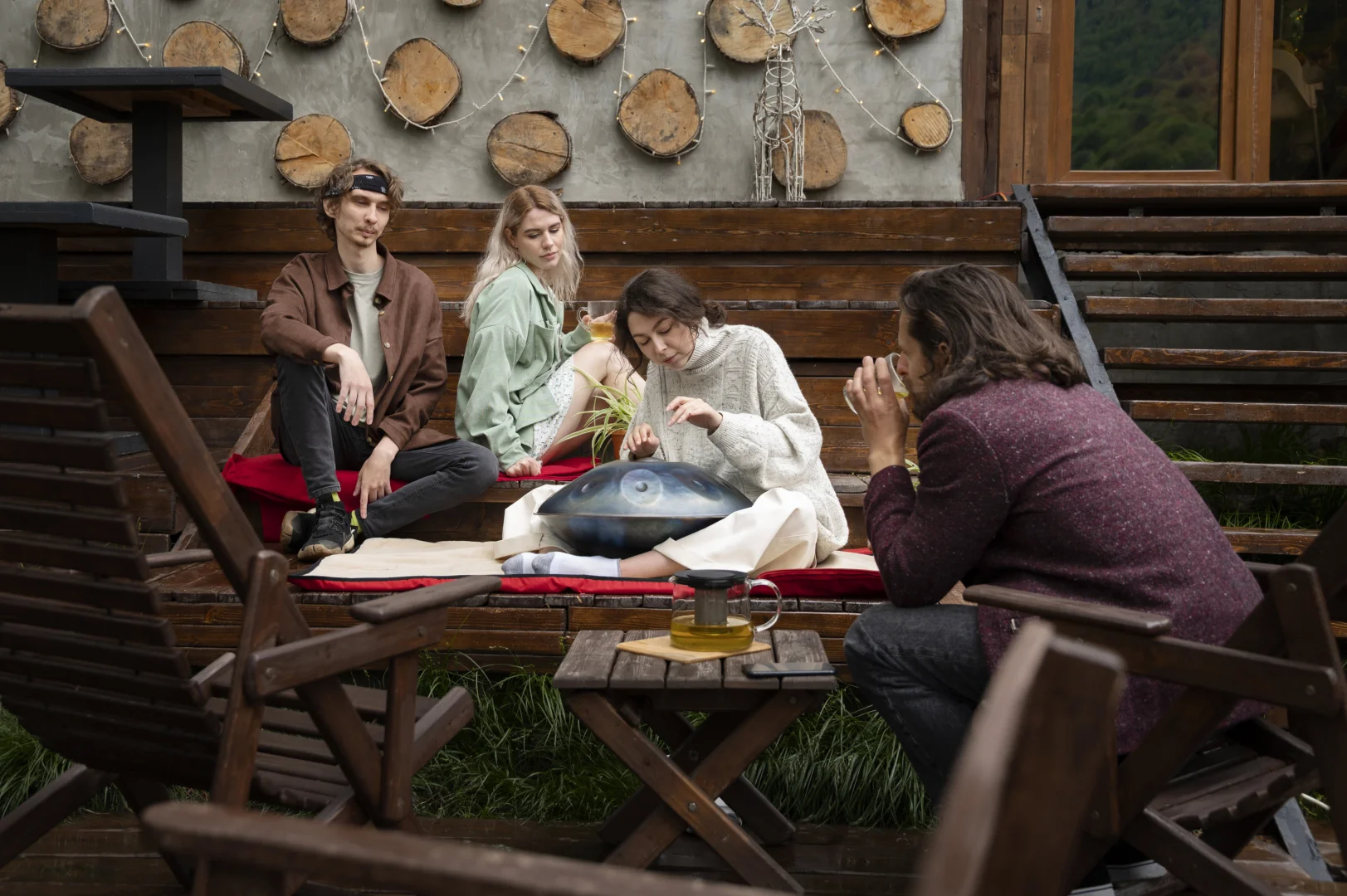
Turkey offers diverse workshops and classes, providing immersive cultural experiences. Travelers engage in hands-on learning, from traditional Turkish culinary arts and baking to intricate crafts like mosaic, pottery, rug weaving, and Ebru marbling. These popular activities offer unique insights into Turkeys rich heritage and local artistry, allowing visitors to acquire new skills and create authentic souvenirs, deepening their connection.

Are you ready to elevate your travel business? By becoming a registered agent with Tourka, you will unlock a world of exclusive opportunities. We provide our partners with competitive pricing, an easy-to-use booking platform, and a wide range of travel products tailored to your clients' needs.
Join Now
Turkey offers a unique tapestry of cultural experiences, extending beyond its historical sites and natural wonders to encompass a vibrant world of hands-on learning. The Workshops and Classes tour category provides an immersive avenue for visitors to engage directly with Turkish heritage, traditions, and contemporary arts. These experiences range from ancient craft techniques passed down through generations to modern culinary skills, appealing to individuals seeking a deeper, interactive understanding of the countrys rich identity.
Participating in a workshop or class in Turkey involves direct engagement with local experts and artisans. It moves beyond passive observation, offering practical instruction in a particular skill or art form. This category prioritizes experiential learning, allowing travelers to create, cook, or perform, thereby fostering a personal connection with Turkish culture that goes beyond typical sightseeing.
One of the most popular workshop types is in the culinary arts. Turkish cooking classes often cover a wide spectrum, from preparing diverse meze platters and savory kebabs to mastering the intricate layers of baklava or other traditional sweets. Participants learn about regional ingredients, spice blends, and the social rituals surrounding Turkish meals. Coffee brewing workshops, exploring the unique preparation and presentation of Turkish coffee, also provide a sensory and cultural education.
Traditional crafts represent another significant area for workshops. Pottery classes, particularly those focusing on vibrant Iznik tile designs or the distinctive earthenware of Cappadocia, are widely available. The ancient art of Ebru, or Turkish paper marbling, offers a mesmerizing journey into liquid patterns and colors. Calligraphy and miniature painting workshops delve into classical Ottoman artistic expressions, often taught by master artists.
Textile arts, deeply embedded in Turkish history, also feature prominently. Carpet weaving classes provide insights into the complex techniques, motifs, and symbolism of Turkish rugs. Jewelry making workshops, often utilizing local metals and semi-precious stones, allow participants to craft personalized souvenirs while learning about traditional Turkish designs. These craft workshops typically supply all necessary materials and tools.
For those interested in movement and performance, Turkey offers classes in traditional belly dancing and various regional folk dances. These sessions not only teach basic steps and choreography but also often include context on the historical and cultural significance of the dances. Wellness-focused workshops, such as yoga retreats incorporating elements of Turkish spiritual practices or meditation, are also available, particularly in serene natural settings.
Specific regions across Turkey are renowned for particular types of workshops. Istanbul, as the countrys cultural capital, is a primary hub for a vast array of classes. Here, visitors can find extensive offerings in historical crafts like calligraphy, Ebru, and miniature painting, alongside comprehensive Turkish culinary courses that explore the diverse influences on Ottoman cuisine. The citys numerous cultural centers and specialized studios cater to varying interests.
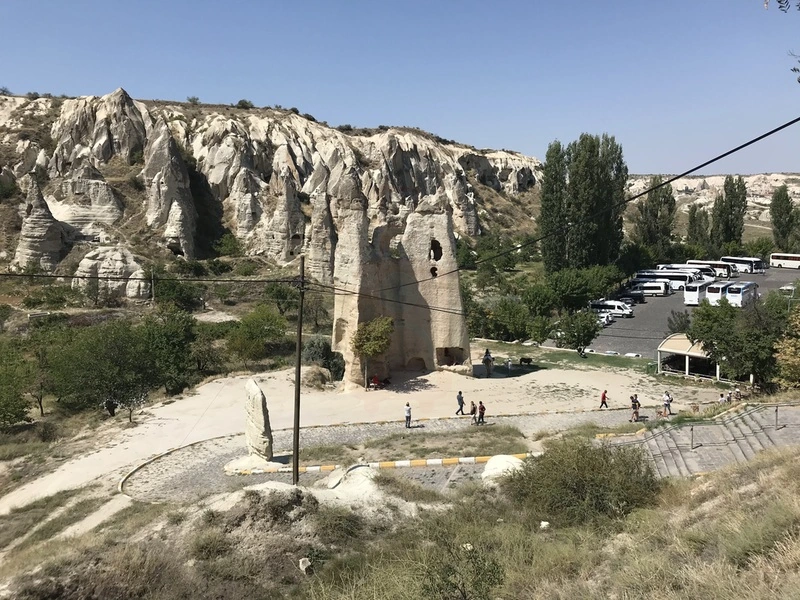
Cappadocia, famous for its unique geological formations, is a prime location for pottery and ceramics workshops. The region’s rich clay deposits have supported a pottery tradition dating back millennia. Visitors can participate in hands-on sessions, often using traditional kick wheels, to create their own pieces. Some photography workshops also leverage Cappadocias distinctive landscape, focusing on capturing its unique beauty, especially during sunrise hot air balloon flights.
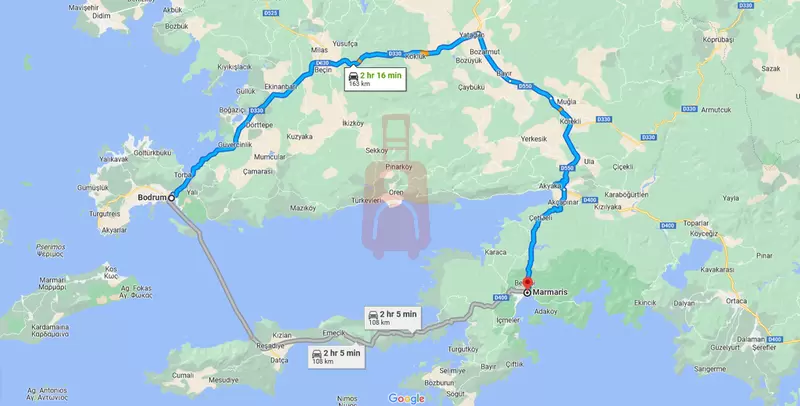
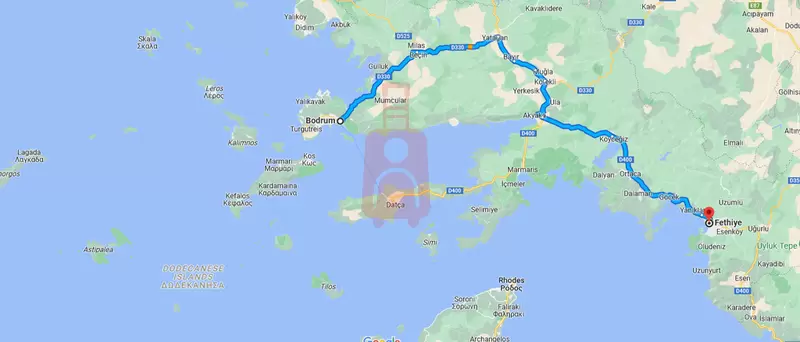
The Aegean Coast, including areas around Izmir, Bodrum, and Fethiye, is well-suited for culinary workshops focusing on fresh, regional ingredients and healthy Mediterranean-inspired dishes. Olive oil production workshops are common in this fertile region. Fethiye, a popular coastal town, serves as a gateway to numerous smaller, independent artisans offering personalized experiences, including cooking classes that highlight local produce and seafood. Some wellness and artistic retreats also find a natural home in the peaceful coastal and rural settings of the Aegean.
Southeastern Anatolia, with cities like Gaziantep and Şanlıurfa, is a renowned center for rich culinary traditions, offering specialized workshops in regional cuisine, including baklava-making and lahmacun preparation. The area is also known for traditional copperware and intricate mosaic art, with classes available for those interested in these historical crafts.
Central Anatolian cities, particularly Konya, provide opportunities for a deeper dive into Mevlevi culture. While not typically classes in a practical sense, immersive programs may offer insights into Sufi philosophy, Sema ritual etiquette, and Turkish classical music, appealing to those seeking spiritual and intellectual engagement.
Seasonal considerations can influence the workshop experience. Spring (April-May) and autumn (September-October) generally offer the most pleasant weather for exploring workshop locations and combining classes with outdoor activities. These seasons are ideal for culinary tours that involve market visits or crafts located in charming courtyards. Indoor workshops are comfortable year-round, making them excellent options during peak summer heat or cooler winter months.
Summer (June-August) is popular for coastal regions, where workshops might focus on lighter, seasonal cooking or crafts that can be enjoyed in cooler indoor settings. Winter (November-March) provides a quieter atmosphere, often with fewer crowds, which can lead to more personalized attention from instructors in indoor-focused classes such as calligraphy, Ebru, or comprehensive cooking courses. Availability may vary, so booking in advance is advisable regardless of the season.
Regarding safety, participants should exercise general travel precautions as they would in any foreign country. When attending workshops, particularly those involving cooking or craft tools, it is prudent to follow all instructions provided by the instructors. Reputable workshop providers prioritize hygiene in culinary settings and safety in craft environments, ensuring a comfortable and secure learning experience. Being aware of your surroundings and respectful of local customs enhances the overall travel experience.
Visitors participating in workshops and classes in Turkey can expect an engaging, hands-on experience led by knowledgeable instructors, many of whom are multi-lingual. Class sizes can vary from intimate private lessons to small group sessions, fostering a supportive learning environment. Most workshops provide all necessary materials and tools, allowing participants to arrive ready to learn without prior preparation.
Beyond acquiring a new skill, participants can anticipate a deeper cultural immersion and a tangible connection to Turkish heritage. Whether it is a self-made ceramic piece, a beautifully marbled paper, or the ability to prepare a traditional Turkish dish, these experiences often result in a meaningful souvenir or a lasting skill. The interaction with local artisans and fellow participants also offers valuable insights into daily life and perspectives within Turkey.
Ultimately, engaging in workshops and classes in Turkey offers more than just a tourist activity; it provides a pathway to genuine cultural exchange and personal growth. These focused learning opportunities allow travelers to forge memorable connections with the countrys rich traditions, contribute to local artisan communities, and depart with both new skills and a profound appreciation for Turkish artistry and hospitality.

