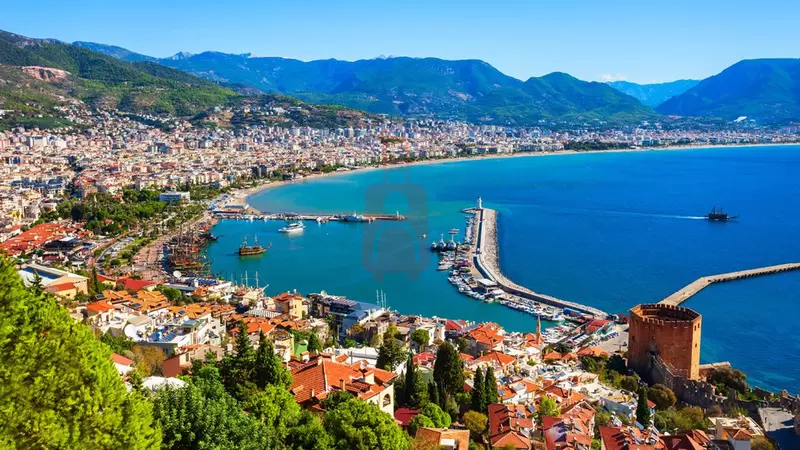
Antalya: Best Places to Visit & Essential Travel Tips
07-09-2023 19:13
Explore Turkeys vibrant culinary scene on a food and drink tour. Discover bustling spice markets, sample authentic street food like simit and köfte, and savor regional meze alongside traditional Turkish coffee, or raki. These tours offer an immersive journey into Turkeys rich gastronomic heritage, highlighting its diverse flavors and the deep cultural significance of sharing meals. Experience the genuine warmth of Turkish hospitality through every delicious bite, connecting deeply with local traditions beyond typical tourist experiences.

Are you ready to elevate your travel business? By becoming a registered agent with Tourka, you will unlock a world of exclusive opportunities. We provide our partners with competitive pricing, an easy-to-use booking platform, and a wide range of travel products tailored to your clients' needs.
Join Now

Exploring Turkey’s rich culinary landscape through dedicated food and drink tours offers a profound immersion into the country’s vibrant culture and history. These guided experiences move beyond typical dining, providing insights into local traditions, ingredients, and the stories behind beloved dishes. It is an opportunity to engage directly with local vendors, artisans, and chefs, uncovering the authentic tastes of Turkey.
A typical food and drink tour in Turkey involves a curated journey through markets, street food stalls, local eateries, and sometimes even a visit to a traditional home or a cooking demonstration. Participants can expect to sample a wide array of dishes, from savoury street snacks to elaborate mezes, main courses, and regional desserts. Beverage tastings, including Turkish coffee, tea, ayran, and local wines, are often integral to the experience.
These tours are designed to highlight the regional diversity of Turkish cuisine, showcasing how geography, history, and local produce shape distinct culinary identities across the nation. They provide a structured way to navigate bustling markets and discover hidden gastronomic gems that might otherwise be overlooked by independent travellers.
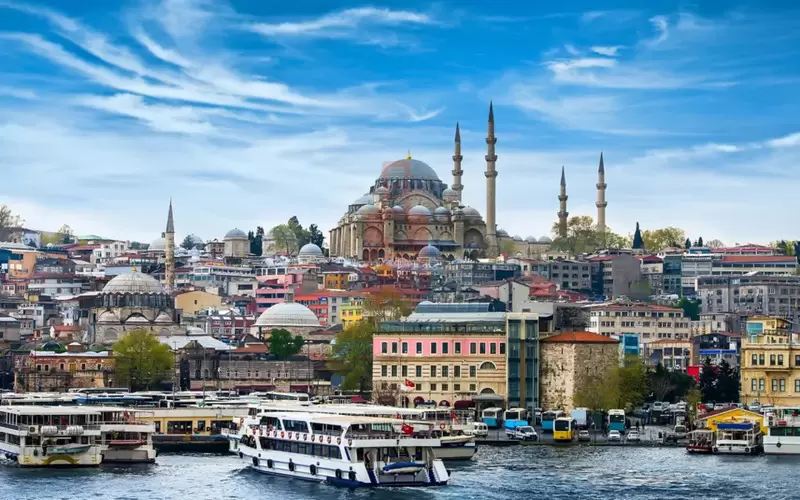
Istanbul stands as a paramount destination for food and drink tours, offering an unparalleled urban culinary adventure. The citys historical layers are reflected in its food, from Ottoman palace cuisine influences to diverse street food traditions. Districts like Kadıköy on the Asian side, with its vibrant fish market and array of local restaurants, and Beyoğlu on the European side, renowned for its patisseries and historical eateries, are popular focal points.
In Istanbul, visitors might explore the Spice Bazaar, learn about different teas and spices, then proceed to sample döner kebab, simit, and börek from local vendors. Tours often include stops for Turkish coffee brewed in traditional copper pots, providing both a taste and a cultural ritual. The sheer variety of food, from the Black Sea regions hamsi (anchovies) to Southeast Anatolian kebabs, can be found within the citys diverse culinary scene.
Venturing southeast, Gaziantep is celebrated as a UNESCO City of Gastronomy and is an essential stop for serious food enthusiasts. Its cuisine is characterized by rich flavours, extensive use of pistachios, and a masterful approach to kebabs, lahmacun, and baklava. A food tour here might involve visiting baklava workshops, sampling different varieties, and exploring local spice markets and traditional copperware artisans.
The Aegean coast, encompassing cities like Izmir and coastal towns such as Bodrum and Fethiye, offers a lighter, Mediterranean-inspired culinary experience. This region is famous for its olive oil, fresh seafood, an abundance of herbs, and a vibrant meze culture. In places like Fethiye, tours might focus on the daily fresh produce markets, where local cheeses, olives, and seasonal fruits are plentiful, alongside freshly caught fish cooked simply with olive oil and lemon.
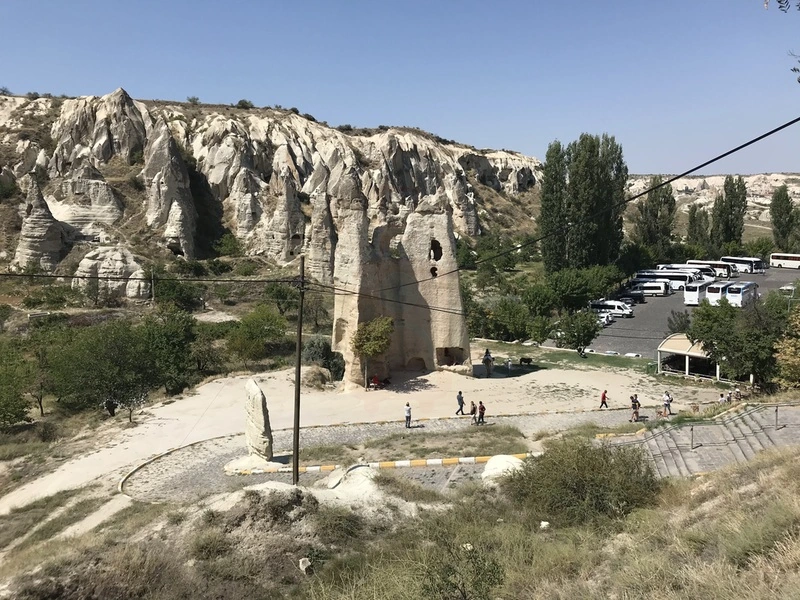
In Cappadocia, the unique landscape is matched by distinct regional dishes. Pottery kebab, slow-cooked in a sealed clay pot, and testy güveç (stews) are local specialties often featured on tours. The region is also gaining recognition for its emerging wine industry, with vineyards producing unique varietals from local grapes, offering wine tasting experiences that pair well with the areas robust cuisine.
The Black Sea region, with cities like Trabzon and Rize, offers a distinct culinary identity focused on corn, anchovies (hamsi), tea, and hazelnuts. Food tours here provide a taste of hearty, comfort foods like kuymak (a cheesy cornmeal dish), various cornbreads, and an abundance of fresh seafood. The tea plantations in Rize are a unique attraction, often including tastings of locally grown teas.
When participating in these tours, visitors can expect to encounter an array of specific culinary delights. Street food is a cornerstone; from the ubiquitous simit (sesame-crusted bread rings) to flavourful döner kebab, mussels with rice (midye dolma), and kokoreç (spiced lamb intestines), these quick bites offer immediate gratification and insight into local daily life. The art of meze, a selection of small dishes served with drinks, is another highlight, showcasing vegetables, yogurts, cheeses, and dips.
Main courses vary greatly by region but often include various kebabs, slow-cooked stews, and vegetable dishes. Desserts are an integral part of Turkish dining, with baklava, künefe (a warm cheese pastry soaked in syrup), and sütlaç (rice pudding) being popular choices. Turkish tea (çay) is a constant companion throughout the day, while Turkish coffee, served strong and unfiltered, is both a drink and a social ritual.
For those interested in alcoholic beverages, rakı, an anise-flavoured spirit, is the national drink, typically enjoyed with mezes and seafood. Local wines, particularly from regions like Cappadocia, İzmir, and Thrace, are increasingly gaining international acclaim. Wine tours offer a chance to taste indigenous grape varieties and understand Turkey’s ancient winemaking heritage.
Seasonal considerations can enhance the food tour experience. Spring and autumn are often ideal, providing pleasant weather for walking tours and outdoor market exploration. These seasons also bring an abundance of fresh produce, making ingredients vibrant and plentiful. The cooler temperatures are comfortable for enjoying warm, rich dishes.
Summer months, while warm, are well-suited for evening tours when the temperatures are milder, and coastal regions thrive with fresh seafood and lighter, refreshing options. Focus may shift to cold mezes, salads, and refreshing drinks like ayran (a salty yogurt drink). Winter offers an opportunity to indulge in hearty comfort foods, stews, and warming beverages, often with fewer crowds in markets and restaurants.
Regarding safety, food and drink tours in Turkey are generally very safe. Reputable tour providers adhere to high hygiene standards. It is advisable for visitors with specific dietary restrictions or allergies to communicate these clearly to their guide at the beginning of the tour. Guides are usually well-versed in local ingredients and can help navigate menus and selections.
Walking through bustling markets and city streets is a common component of these tours, so comfortable footwear is recommended. As with any travel, general awareness of surroundings and personal belongings in crowded areas is prudent. Tap water is generally safe for brushing teeth but bottled water is widely preferred for drinking to avoid any potential sensitivities.
Visitors can expect a multi-sensory experience that extends beyond mere tasting. Food and drink tours offer a unique lens through which to understand Turkish hospitality, community, and the rhythm of daily life. They provide opportunities for genuine interaction with local people, from market vendors sharing stories to restaurant owners explaining family recipes.
The pace of tours can vary; some are fast-paced explorations of street food, while others are more leisurely, involving sit-down meals and detailed explanations. Regardless of the tempo, participants typically leave with a deeper appreciation for Turkish gastronomy and a richer understanding of the countrys cultural fabric. It is an exploration of flavour, history, and human connection, all wrapped into one delicious journey.

