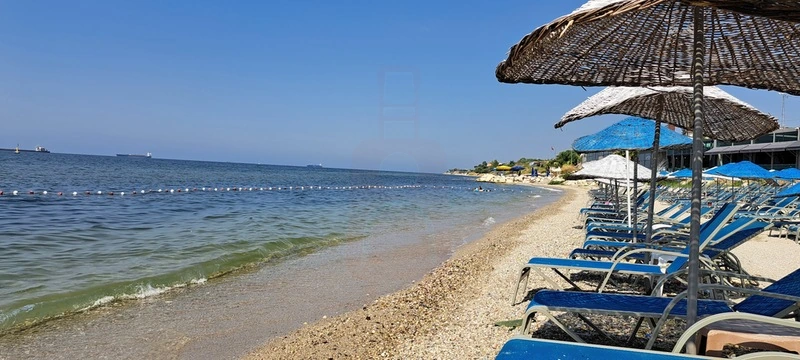
Most Popular 10 Beaches in Beylikdüzü
21-01-2025 00:10
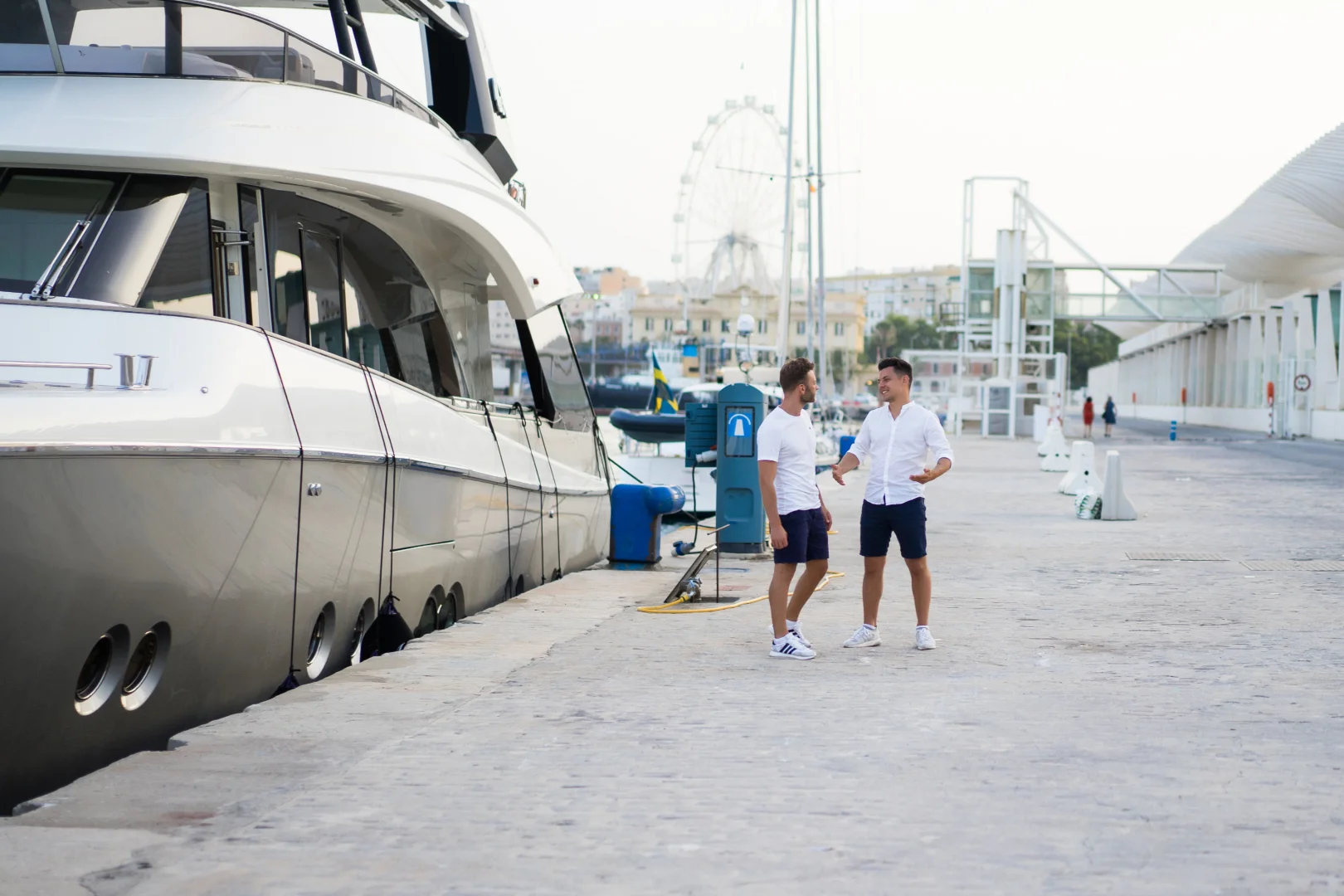
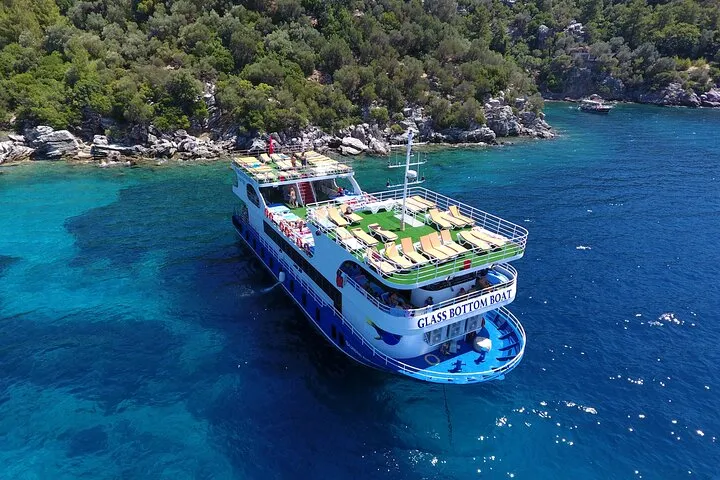
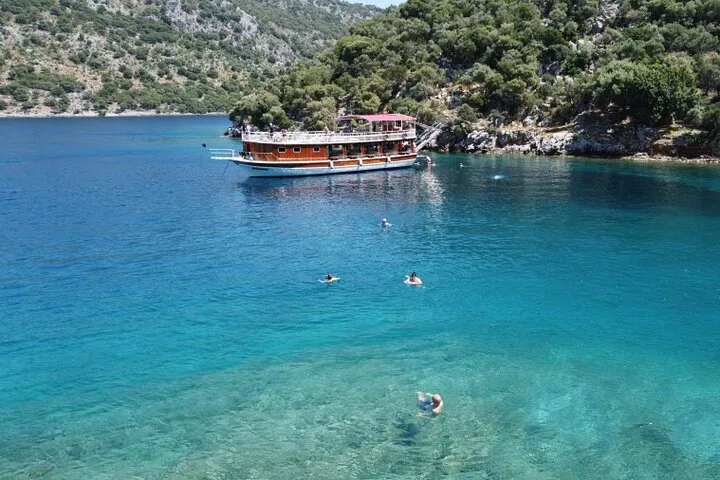
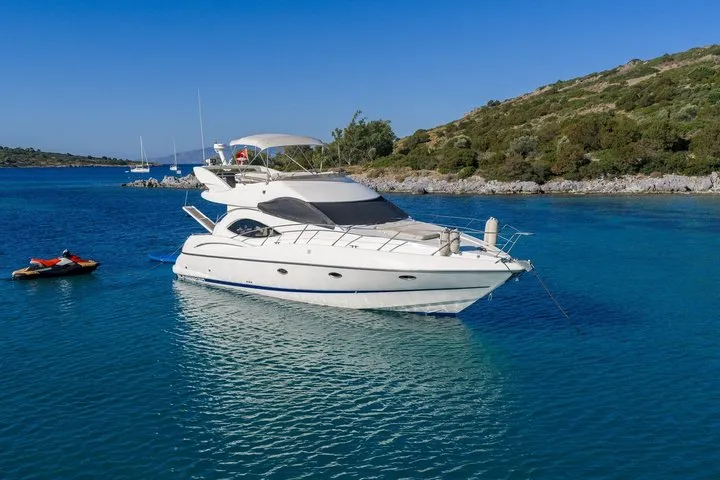
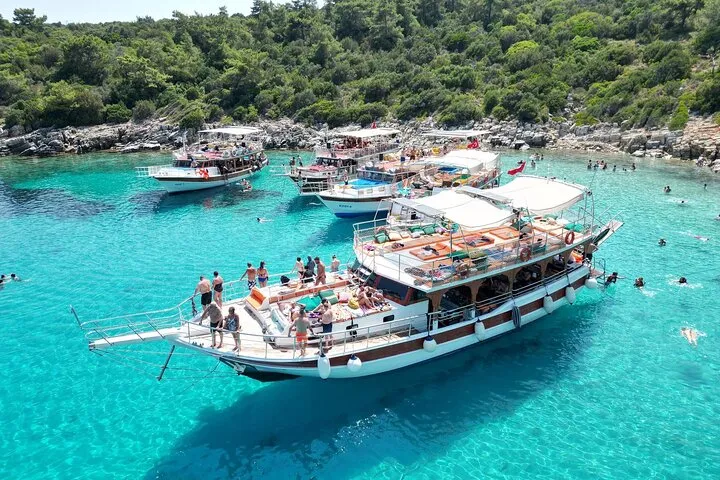
Turkeys boat and ship cruises unveil its stunning Aegean and Mediterranean coastlines. Voyages span traditional gulet excursions to modern yacht trips, often featuring visits to secluded coves, ancient Lycian ruins, and pristine beaches with ample swimming opportunities in turquoise waters. Their popularity in Turkey derives from the nations rich maritime history, breathtaking natural beauty, and numerous historical sites accessible by sea, offering a distinctive perspective away from land routes. It is a preferred method to experience coastal heritage and natural splendor.


Are you ready to elevate your travel business? By becoming a registered agent with Tourka, you will unlock a world of exclusive opportunities. We provide our partners with competitive pricing, an easy-to-use booking platform, and a wide range of travel products tailored to your clients' needs.
Join Now
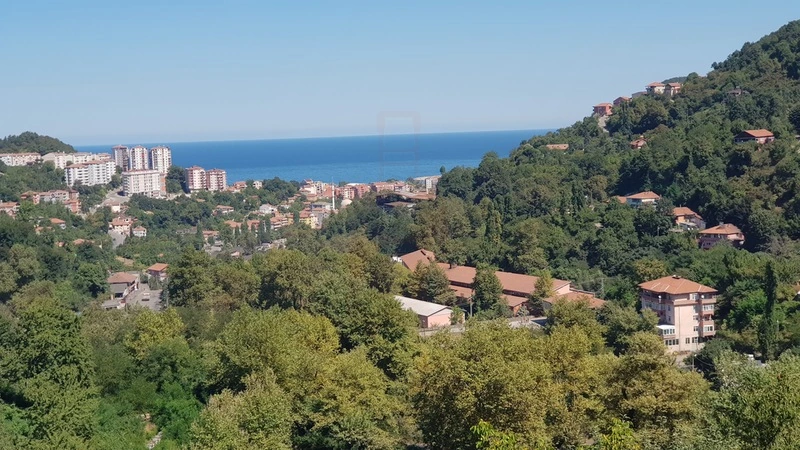
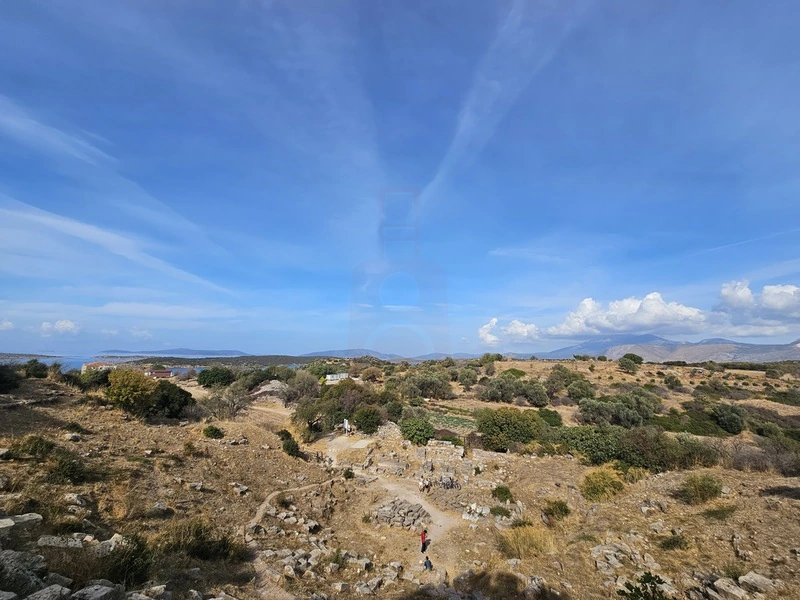
Turkey, with its vast coastline bordering the Aegean, Mediterranean, Black, and Marmara Seas, presents a compelling destination for various forms of boat and ship cruises. The countrys maritime culture, coupled with its rich history and diverse natural landscapes, offers a unique cruising experience distinct from many other global destinations. Visitors engaging in these voyages can expect a blend of relaxation, exploration, and cultural immersion.
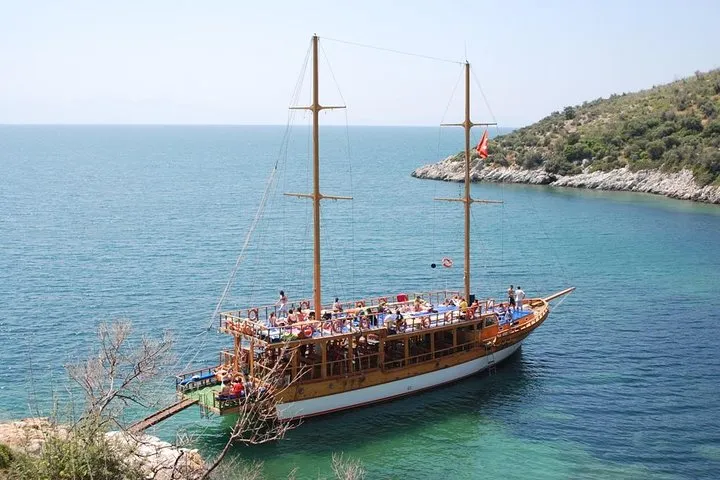
The core of Turkeys cruising identity often revolves around the traditional wooden gulet, a motor-sailer vessel historically used for fishing and transport. Today, these handcrafted boats are primarily designed for leisure, offering a more intimate and authentic experience compared to larger cruise liners. While full-size international cruise ships do call at major ports like Istanbul, Izmir, and Kusadasi, the distinctive Turkish cruising experience is largely defined by these smaller, locally operated vessels.
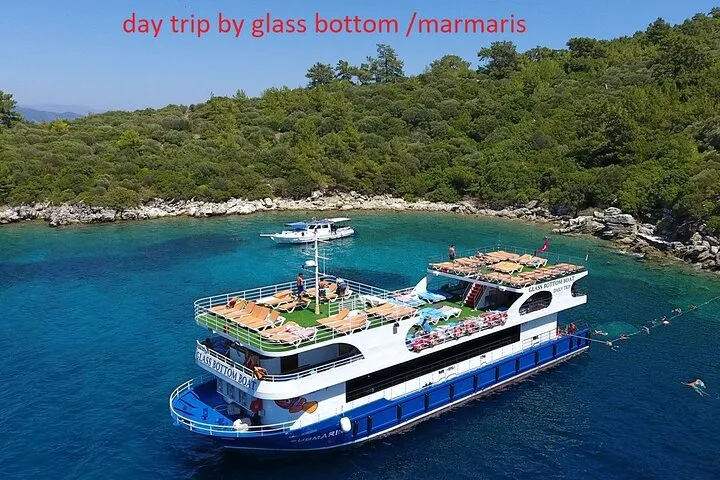
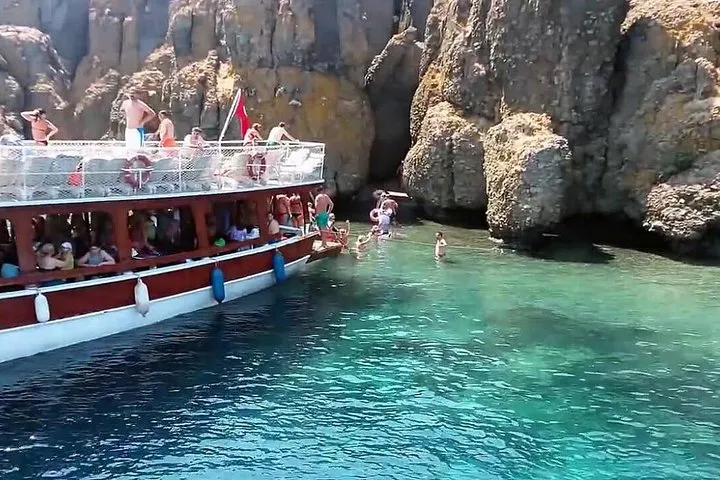
Boat and ship cruises in Turkey generally involve a range of activities and itineraries. Day trips are common, providing excursions to nearby islands, secluded coves, or specific coastal attractions accessible only by sea. These shorter voyages typically include swimming breaks in clear waters, opportunities for snorkeling, and onboard meals. Multi-day itineraries, often spanning three to seven nights, allow for a more comprehensive exploration of a specific coastline segment, with overnight stays in quiet bays or small port towns.
Passengers on multi-day gulet cruises can expect comfortable, if sometimes compact, cabin accommodation, typically with private en-suite facilities. The focus remains on the outdoor deck spaces, where guests spend their days sunbathing, reading, and observing the passing scenery. Mealtimes are often a highlight, featuring freshly prepared Turkish cuisine, including local seafood, mezze, and seasonal fruits, served communally on deck.
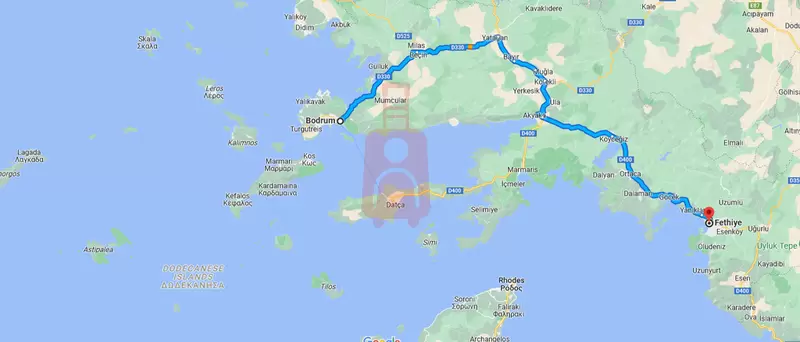
The most renowned region for boat and ship cruises in Turkey is undoubtedly the southwestern Turquoise Coast, also known as the Lycian Coast. This stretch of coastline, characterized by its dramatic cliffs, pine-forested bays, and ancient ruins, provides an ideal backdrop for maritime exploration. Popular departure points include Fethiye, a bustling port town, and its more tranquil neighbor, Göcek, known for its pristine marina and access to numerous islands.
From Fethiye, common routes navigate towards the Ölüdeniz lagoon, Gemiler Island with its Byzantine ruins, and the extensive Patara Beach. The area around Kaş and Kalkan further east also offers excellent opportunities for sea-based exploration, with access to sunken cities like Kekova. The sheer concentration of natural beauty and historical sites along this coast makes it a prime choice for both day trips and extended gulet journeys.
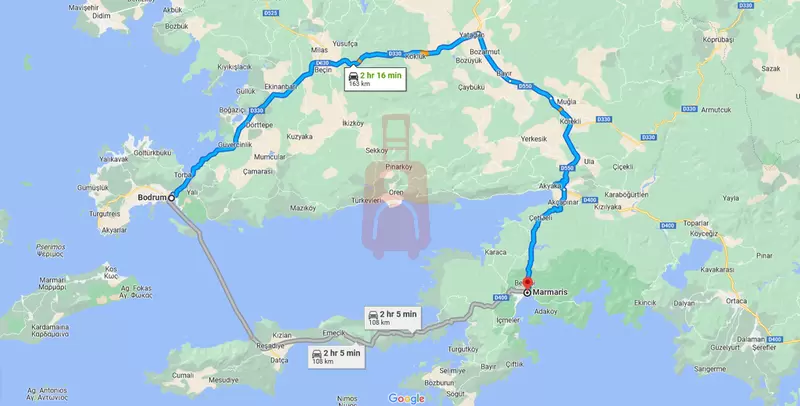
Further north along the Aegean Coast, destinations like Bodrum and Marmaris serve as other major hubs for boat cruises. Bodrum, known for its vibrant nightlife and historic castle, offers routes that explore the surrounding peninsulas and nearby Greek islands, though the focus remains on the Turkish coast. Marmaris, another large resort town, also acts as a gateway to numerous coves and the picturesque Datça peninsula, renowned for its untouched natural beauty.
For a completely different cruising perspective, the Bosphorus Strait in Istanbul offers a unique urban maritime experience. Short cruises along this waterway provide unparalleled views of the citys iconic landmarks, including Ottoman palaces, historic mansions, and magnificent mosques, spanning both the European and Asian continents. These are typically shorter, sightseeing-focused tours rather than multi-day leisure cruises.
Considering the seasonal aspects is crucial for planning a boat or ship cruise in Turkey. The peak season for leisure cruises runs from June to August, when the weather is consistently warm and sunny, ideal for swimming and sunbathing. During this period, services are fully operational, but popular routes can be busy, and accommodations may be in higher demand.
The shoulder seasons, encompassing April to May and September to October, are often considered the most favorable times for cruising. Temperatures are pleasant, the sea remains warm enough for swimming, and the crowds are noticeably thinner. This allows for a more tranquil experience and better opportunities to explore coastal towns and historical sites without the peak summer heat.
Outside of these months, from November to March, many leisure cruise operations significantly reduce their services or cease entirely, particularly for multi-day gulet trips. While some large international cruise lines might still call at major ports, the focus for visitors generally shifts towards city exploration rather than coastal cruising during the cooler, wetter winter months.
Regarding safety, all reputable boat and ship operators in Turkey adhere to national maritime regulations. Vessels are expected to carry necessary safety equipment, including life jackets, first-aid kits, and communication devices. Captains monitor weather conditions closely and will adjust itineraries or remain in port if conditions are deemed unsafe. Passengers are typically provided with a safety briefing at the start of their journey.
Visitors undertaking a cruise should also take personal safety precautions. This includes using adequate sun protection, staying hydrated, and being mindful when swimming in open water. While the waters are generally calm, currents can sometimes be present, and it is advisable to swim with caution, especially when venturing away from the vessel. Crew members are usually attentive and can provide assistance or advice.
Expectations for comfort and service can vary depending on the type of vessel and the duration of the cruise. Gulets, even luxury ones, offer a more rustic charm compared to modern superyachts or large cruise ships. The atmosphere is typically relaxed and informal, encouraging a sense of community among passengers, particularly on cabin cruises. Crew members often share insights into local culture and geography.
Communication on board is generally straightforward; English is widely spoken by crew members, especially in major tourist regions. Connectivity may vary, with Wi-Fi often available in port or closer to shore, but it can be intermittent in more secluded bays. The overall experience is one of unplugging from daily routines and immersing oneself in the rhythm of the sea, the beauty of the Turkish coast, and the rich tapestry of its history.

