
Most Popular 10 Beaches in Beylikdüzü
21-01-2025 00:10

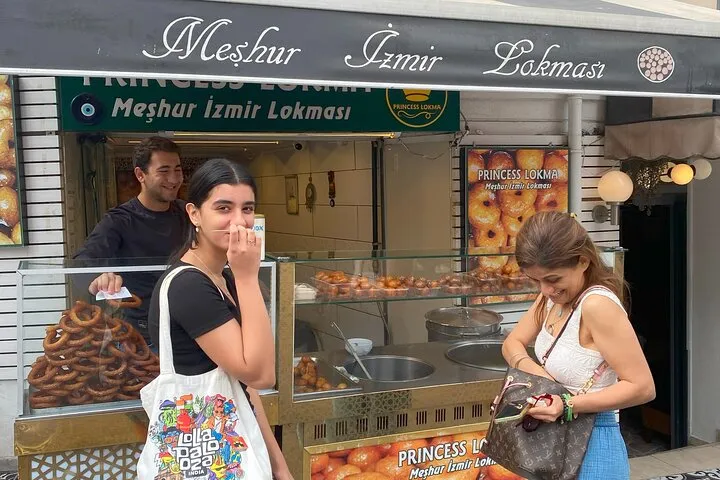
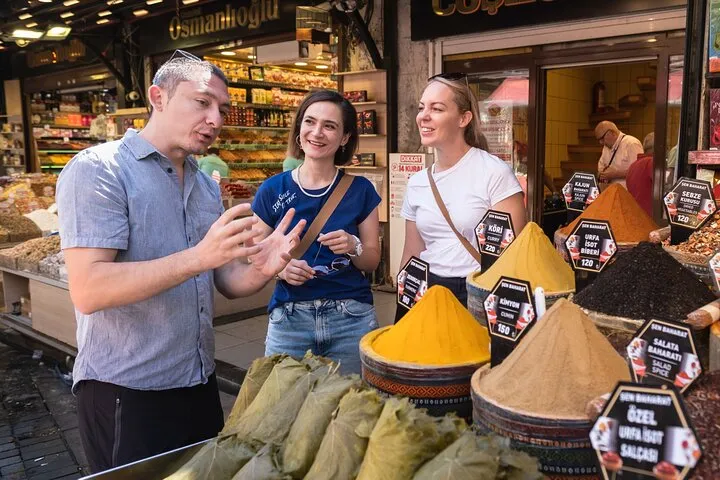
Turkeys local food and culinary tours immerse participants in its gastronomic heritage. These tours explore vibrant bazaars, sample authentic street food like simit and kebabs, and discover regional specialties. Insights into traditional cooking methods, unique spice blends, and historical culinary influences are often provided. Its popularity reflects a keen interest in Turkeys rich culinary traditions, offering intimate appreciation for its diverse flavors and dynamic food culture.


Are you ready to elevate your travel business? By becoming a registered agent with Tourka, you will unlock a world of exclusive opportunities. We provide our partners with competitive pricing, an easy-to-use booking platform, and a wide range of travel products tailored to your clients' needs.
Join Now




Turkey stands as a pivotal crossroads of civilization, its vibrant history mirrored profoundly in its culinary landscape. A Turkish food and culinary tour offers an immersive journey, delving far beyond mere dining into the heart of the nations culture, traditions, and hospitality. This guide provides an authoritative overview for those seeking to explore the authentic flavors of Turkey, detailing what to expect, where to go, and practical considerations for a rich gastronomic adventure.
Engaging in a culinary tour in Turkey typically involves a multi-faceted approach to food exploration. Participants often begin with guided visits to bustling local markets, such as Istanbuls Spice Bazaar or a neighborhood pazar, to learn about indigenous ingredients, spices, and fresh produce. These tours frequently include hands-on cooking classes, where traditional recipes like mezes, kebabs, or Turkish desserts are prepared under the guidance of local chefs or home cooks. Street food tasting sessions, restaurant visits focused on regional specialties, and even tea or coffee ceremonies are integral parts of the experience.
The vast geographical and cultural diversity of Turkey translates into distinct regional cuisines, each offering unique flavors and traditions. Understanding these culinary hubs is key to planning an effective food tour.
Istanbul, as Turkeys largest city and historical capital, serves as a magnificent microcosm of the nations culinary heritage. Its food scene encompasses everything from sophisticated Ottoman palace cuisine to diverse street food offerings such as simit, döner, and balik ekmek (fish sandwich). Exploring the historic Sultanahmet area, the vibrant Kadıköy market on the Asian side, or the fish restaurants along the Bosphorus provides a comprehensive taste of the city’s gastronomic pulse.
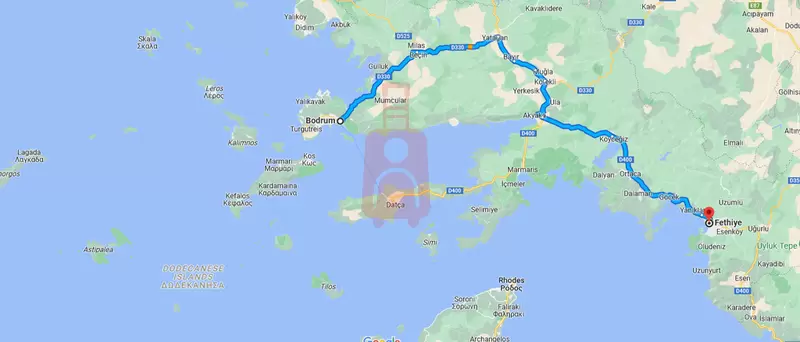
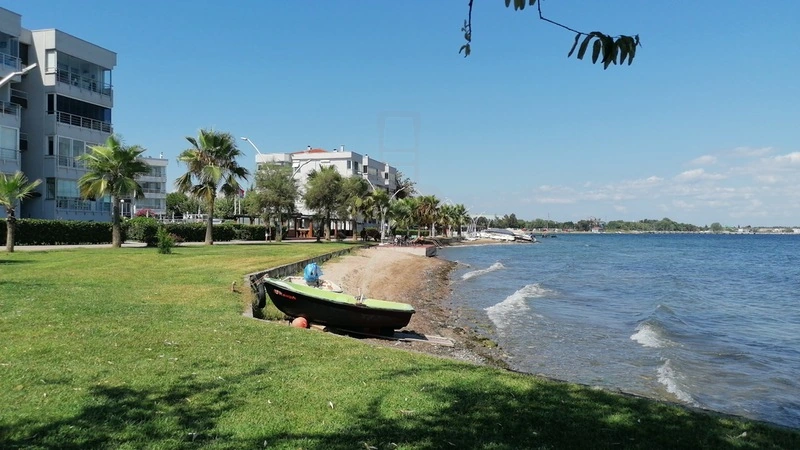
The Aegean region, encompassing cities like Izmir, Bodrum, and the coastal towns stretching down to Fethiye, is renowned for its fresh, olive oil-infused cuisine. This area emphasizes abundant seafood, a wide array of fresh herbs, and vegetables often prepared as light, flavorful mezes. Destinations like Fethiye, with its famous fish market where patrons select fresh catches to be cooked on the spot, exemplify the region’s focus on seasonal, locally sourced ingredients and a healthy Mediterranean diet.
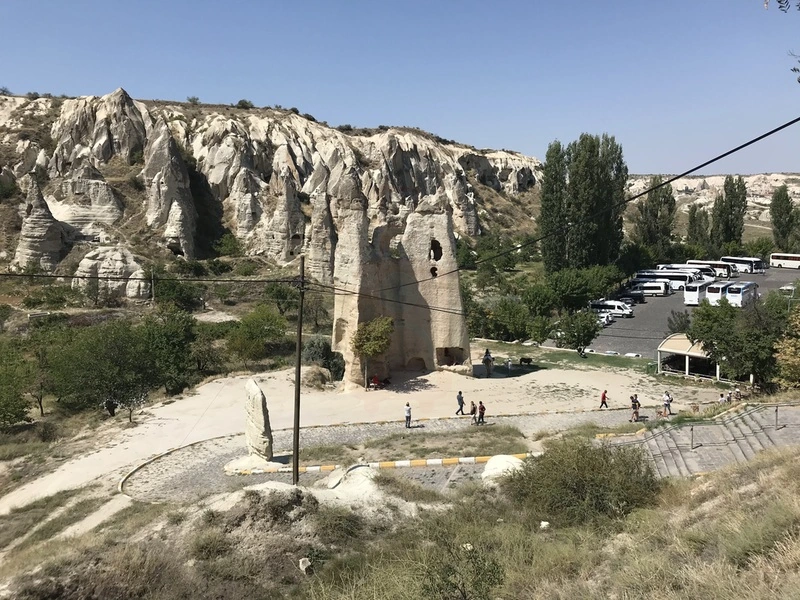
Central Anatolia, with Cappadocia and Konya as prominent centers, offers a cuisine shaped by its landlocked agricultural traditions and historical influences. Konya is famous for its ceremonial dishes associated with Mevlevi Dervishes, such as etli ekmek (meat bread) and traditional soups. Cappadocia, beyond its unique landscape, offers hearty stews cooked in clay pots (testi kebabı) and various forms of manti (Turkish dumplings), providing a comforting counterpoint to the coastal fares.
Southeastern Anatolia, particularly Gaziantep, Şanlıurfa, and Adana, is often considered the undisputed gastronomic capital of Turkey. This region is celebrated for its incredibly diverse and richly spiced cuisine, featuring an extensive range of kebabs, lahmacun, and world-famous baklava made with locally grown pistachios. Gaziantep, recognized by UNESCO as a Creative City of Gastronomy, offers unparalleled opportunities for deep dives into traditional food preparation and tasting sessions that highlight its distinctive, often fiery, flavors.
The Black Sea region, stretching along Turkeys northern coast, presents a unique culinary identity deeply tied to its geography and climate. Staples include corn, kale, and an abundance of hamsi (anchovies), which are prepared in countless ways, from fried to baked in rice. Regional specialties like kuymak (cornmeal and cheese fondue) and various corn-based breads and pides offer a distinct contrast to other Turkish culinary styles.
Seasonal timing can significantly enhance a culinary tour experience. Spring, from April to May, brings fresh greens and herbs, ideal for lighter dishes and comfortable market walks. Summer, particularly along the coasts, is prime for seafood and a bounty of fresh fruits like cherries, apricots, and melons, though inland regions can be very hot.
Autumn, from September to October, is perhaps the most celebrated culinary season, marked by grape harvests, figs, pomegranates, and the first pressing of olive oil. The cooler, pleasant weather also makes it ideal for exploring bustling city markets and outdoor dining. Winter, from November to March, is perfect for hearty stews, warming soups, and traditional pastries, often enjoyed in cozy settings away from the main tourist rush.
Regarding safety, travelers should exercise standard precautions. When trying street food, observe where locals congregate, as this often indicates reputable vendors with high turnover. In restaurants, look for establishments that appear clean and busy. It is generally advisable to drink bottled water and avoid tap water, especially in less developed areas.
Communicating dietary restrictions or allergies can sometimes be challenging due to language barriers. Learning a few key Turkish phrases, like et yok (no meat) or süt yok (no milk), or using translation apps can be very helpful. Most reputable culinary tour operators are accustomed to accommodating various dietary needs if informed in advance.
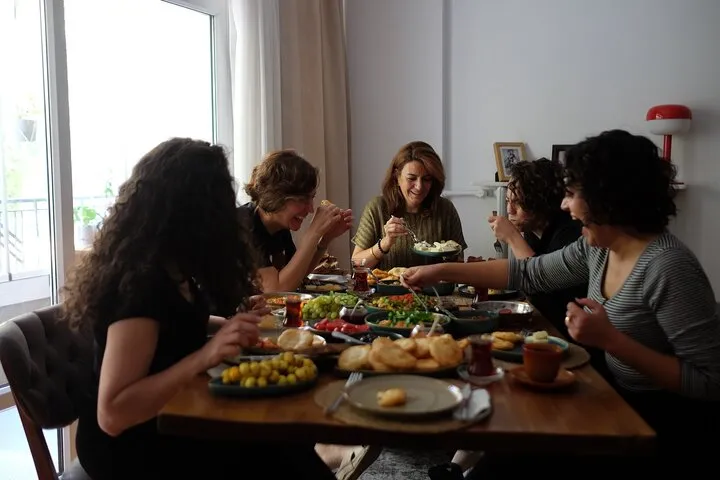
Culturally, sharing food is a cornerstone of Turkish hospitality. Expect generous portions and an invitation to sample a variety of dishes, often served mezze-style in the center of the table. Accepting an offer of tea or coffee is also a polite gesture, symbolizing friendship and welcome, integral to the entire experience of understanding Turkish culture through its cuisine.
A culinary tour of Turkey offers an unparalleled opportunity to connect with the countrys soul, one dish at a time. From the bustling bazaars of Istanbul to the spicy delights of Gaziantep and the fresh flavors of the Aegean coast, the journey promises a rich tapestry of tastes, aromas, and cultural insights. It is an exploration not just of food, but of the people and traditions that bring these incredible flavors to life.

