
Antalya: Best Places to Visit & Essential Travel Tips
07-09-2023 19:13
City walking tours in Turkey offer an intimate exploration of urban environments. Participants traverse historic districts, bustling markets, and hidden alleys on foot, uncovering local life, architecture, and heritage. These tours are popular due to Turkeys rich history, diverse culture, and pedestrian-friendly city centers, fostering direct engagement with iconic sites and authentic street scenes. They offer deep insights into Turkish culture and urban life in cities like Istanbul, Izmir, or Antalya.






Are you ready to elevate your travel business? By becoming a registered agent with Tourka, you will unlock a world of exclusive opportunities. We provide our partners with competitive pricing, an easy-to-use booking platform, and a wide range of travel products tailored to your clients' needs.
Join Now

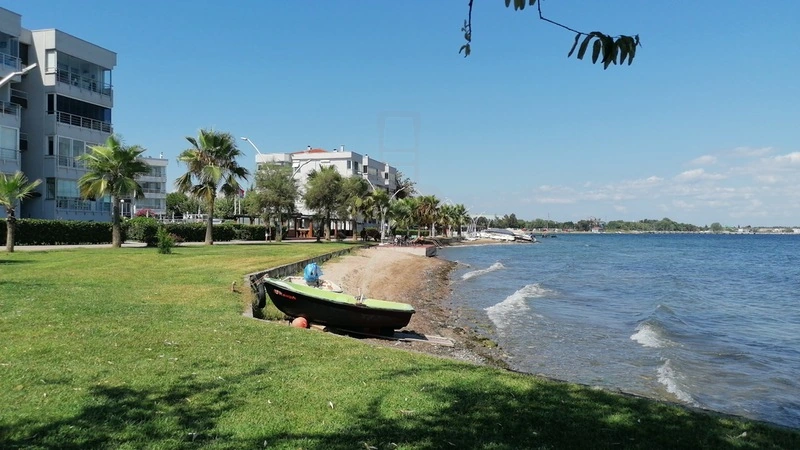
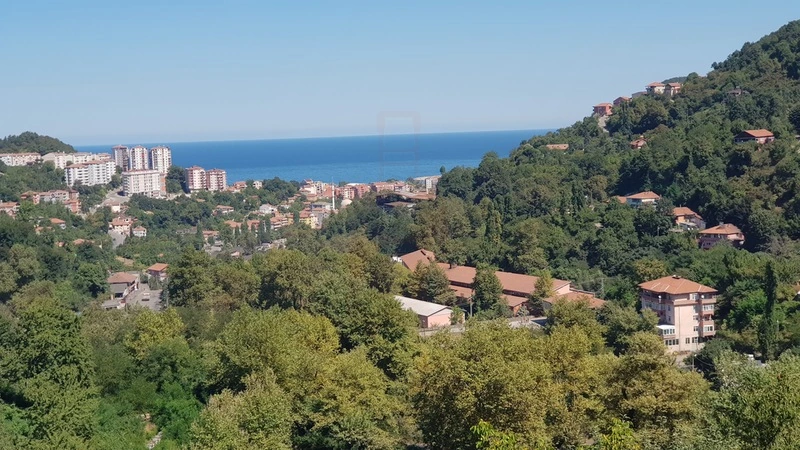
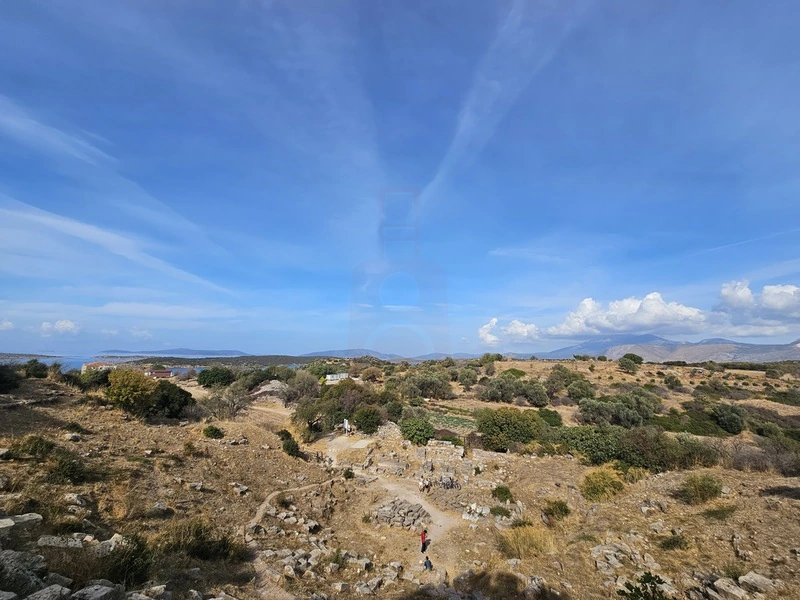
City walking tours in Turkey offer an immersive way to experience the countrys profound history, vibrant culture, and daily life. These tours typically involve exploring urban centers on foot, often with a knowledgeable local guide who provides context and insights that might be missed when navigating independently. They are designed to reveal the intricate layers of Turkish cities, from ancient ruins to bustling modern districts.
Engaging in a city walking tour allows visitors to delve into the heart of a destination, moving at a pace that encourages observation and interaction. Participants can expect to discover hidden courtyards, sample local delicacies, and gain a deeper understanding of the traditions that shape Turkish society. These tours are an excellent way to connect with the authentic character of each city.
Turkey presents an unparalleled canvas for city walking tours due to its unique geographical position and rich historical tapestry. As a crossroads of civilizations, it boasts a heritage influenced by Hittite, Roman, Byzantine, Seljuk, and Ottoman empires. Each city offers distinct architectural styles, culinary traditions, and stories waiting to be uncovered on foot.
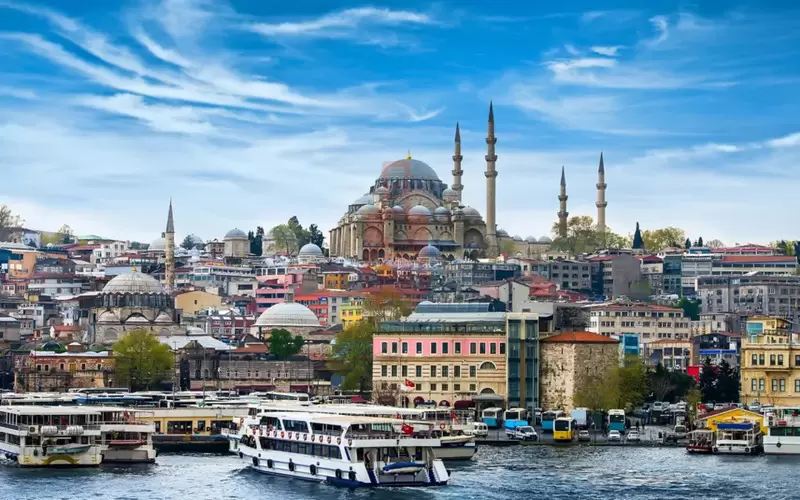
Istanbul stands as the premier destination for city walking tours, offering an extraordinary blend of East and West. The historic peninsula, Sultanahmet, is a treasure trove where visitors can walk between the Hagia Sophia, Blue Mosque, and Topkapi Palace, each revealing centuries of imperial grandeur. The Grand Bazaar and Spice Market provide sensory overload with their labyrinthine alleys and vibrant trade.
Beyond Sultanahmet, districts like Galata, with its iconic tower and European-influenced architecture, and Kadıköy on the Asian side, known for its lively markets and modern cafes, offer different walking experiences. Exploring Istanbul on foot is essential to grasp its scale and the seamless integration of its historical layers with contemporary urban life.
Izmir, the pearl of the Aegean, offers a more relaxed yet historically rich walking experience. Strolling along the Kordon promenade, exploring the ancient Agora, or wandering through the bustling streets around Konak Square and its iconic clock tower reveals the city’s vibrant Aegean character. The charming Alsancak district with its elegant buildings and cafes provides a pleasant walking environment.
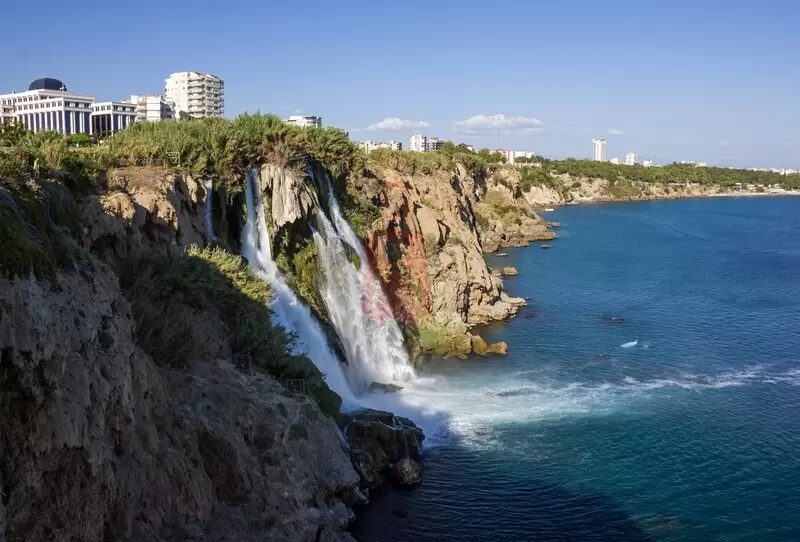
Antalya, with its picturesque Old City, Kaleiçi, invites visitors to walk through narrow, winding streets lined with Ottoman-era houses, leading down to a historic Roman harbor. Hadrians Gate stands as a majestic entrance to this ancient quarter. This coastal city offers a unique blend of historical charm and Mediterranean beauty for walkers.
Bursa, the first capital of the Ottoman Empire, provides a compelling journey through early Ottoman history. A walking tour here might include the majestic Green Mosque and Tomb, the historic Koza Han (Silk Bazaar), and the vibrant Covered Bazaar. The city’s position at the foot of Mount Uludağ adds a distinctive natural backdrop to its historical core.
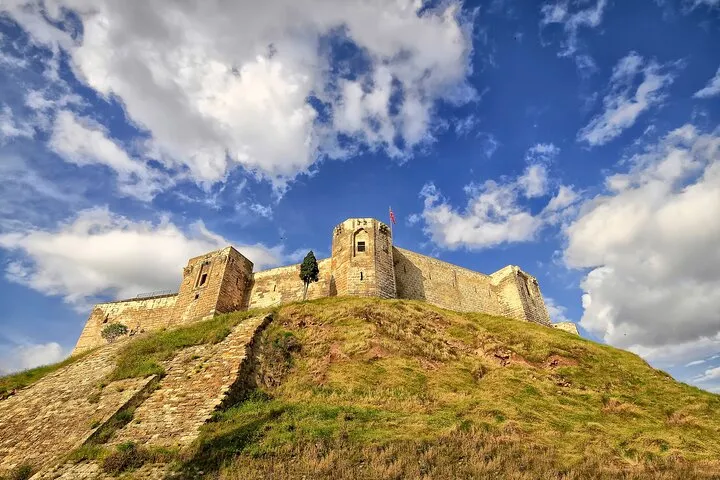
Ankara, Turkeys modern capital, offers a different perspective, focusing on the Republics history and ancient Anatolian civilizations. Walking tours often encompass Anıtkabir, the mausoleum of Mustafa Kemal Atatürk, and the Ulus district, where Roman bath ruins and the Museum of Anatolian Civilizations provide a journey through millennia. The Citadel also offers panoramic city views.
Even towns like Fethiye, while primarily known as a hub for coastal excursions and natural beauty, offer delightful walking opportunities within their charming confines. The harbor area and the town’s market streets provide a more intimate, less overwhelming walking experience compared to metropolises. Visitors can enjoy leisurely strolls, discovering local shops and eateries.
What to expect on a city walking tour can vary greatly depending on the theme and location. Most tours range from two to four hours, covering several kilometers. The pace is generally moderate, allowing for frequent stops for explanations, photo opportunities, and sometimes local tastings.
Tours often focus on specific themes, such as ancient history, Ottoman architecture, culinary exploration, or street art. Guides are typically local experts, providing narratives that go beyond guidebook information, offering personal anecdotes and deeper cultural insights. This personal touch enhances the understanding of the visited areas.
Accessibility varies; while many central areas are relatively flat, some historical districts feature cobblestone streets, inclines, or steps. Comfortable, supportive walking shoes are absolutely essential for enjoying these tours to their fullest. Bringing a small backpack with water, sun protection, and a camera is advisable.
The best seasons for city walking tours in Turkey are spring (April-May) and autumn (September-October). During these months, temperatures are pleasant, and the crowds are generally more manageable than in the peak summer season. The weather allows for comfortable outdoor exploration without the intensity of summer heat.
Summer (June-August) can be quite hot, especially in inland and southern cities. If visiting during these months, it is advisable to opt for early morning or late afternoon tours to avoid the midday sun. Staying hydrated is crucial, and wearing lightweight clothing and sun protection is recommended.
Winter (November-March) offers a unique charm with fewer tourists and cooler temperatures. While there might be occasional rain or even snow in some cities like Istanbul, the atmosphere can be particularly enchanting. Many historical sites are less crowded, allowing for a more serene experience.
Regarding safety, Turkey is generally welcoming to visitors. As with any urban environment, maintaining awareness of your surroundings is prudent, especially in crowded areas like bazaars where pickpocketing can occur. Crossing streets requires attention due to sometimes bustling traffic.
Respect for local customs is important; when visiting religious sites such as mosques, modest attire that covers shoulders and knees is appropriate, and women may be asked to cover their heads. Removing shoes before entering mosques or private homes is also customary. Engaging respectfully with local culture enriches the walking tour experience.
Overall, city walking tours in Turkey provide an intimate and rewarding way to uncover the layers of history, culture, and daily life that define this fascinating country. They offer a unique perspective, moving beyond typical tourist paths to connect visitors with the authentic spirit of Turkish cities.

