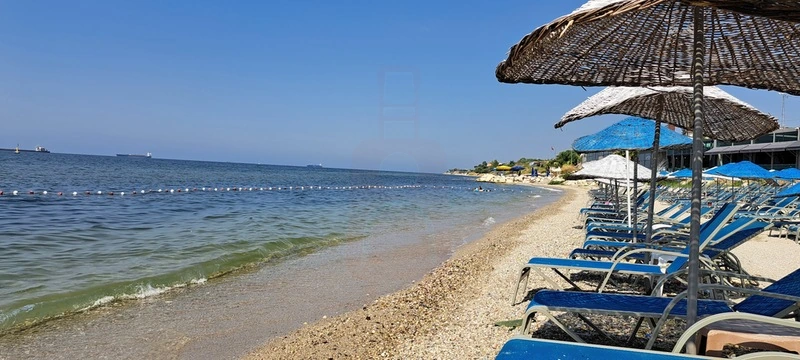
Most Popular 10 Beaches in Beylikdüzü
21-01-2025 00:10

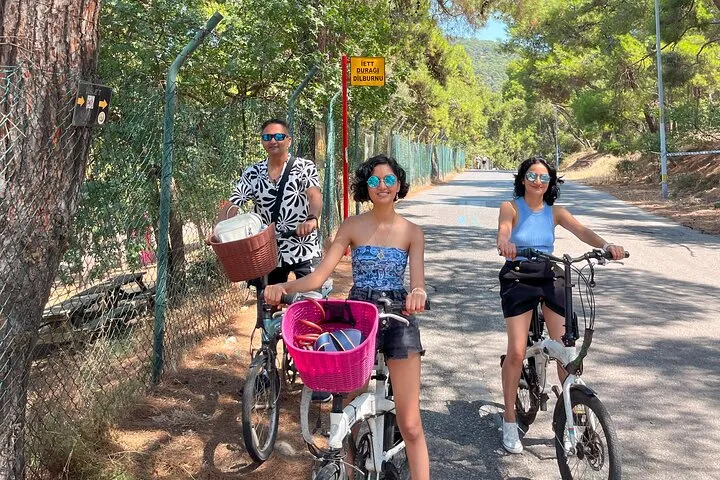
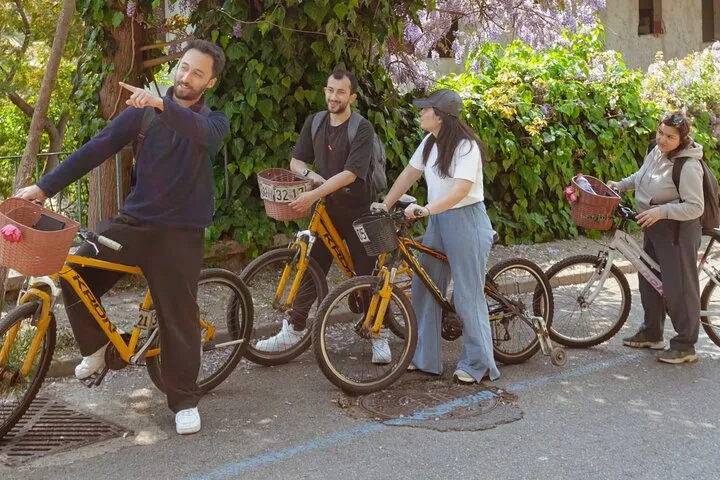
Cycling tours in Turkey explore diverse landscapes and rich history. Routes often span ancient Roman roads, scenic coastal paths, or challenging climbs through Cappadocias unique terrain. Popularity stems from Turkeys varied geography, offering rides past historical sites, charming villages, and natural beauty. Tours combine physical activity with cultural immersion, providing genuine insight into Turkish life. Expect options for various skill levels, from leisurely rides through olive groves to strenuous mountain ascents across Anatolia.

Are you ready to elevate your travel business? By becoming a registered agent with Tourka, you will unlock a world of exclusive opportunities. We provide our partners with competitive pricing, an easy-to-use booking platform, and a wide range of travel products tailored to your clients' needs.
Join Now
Turkey offers a unique and diverse landscape for cycling enthusiasts, presenting an alternative perspective to its celebrated historical sites and coastal resorts. The countrys topography ranges from flat plains suitable for leisurely rides to challenging mountain passes for seasoned adventurers. Cyclists can discover an intricate network of ancient routes, modern roads, and scenic trails, all set against a backdrop of rich cultural heritage.
A cycling tour in Turkey typically involves a blend of physical activity and cultural immersion. Routes are often designed to pass through traditional villages, archaeological sites, and natural parks, providing opportunities to engage with local life and history. The experience moves beyond mere sightseeing, allowing for a deeper connection with the environment and its people at a more deliberate pace.
Several distinct types of cycling tours are popular across Turkey, catering to different preferences and skill levels. Road cyclists can find well-maintained asphalt roads traversing scenic coastlines and fertile valleys. Mountain biking enthusiasts will discover numerous off-road trails, particularly in highland regions and national parks, offering technical challenges and stunning vistas. Long-distance touring, often self-supported, allows cyclists to link multiple regions and experience the breadth of Turkeys geography.
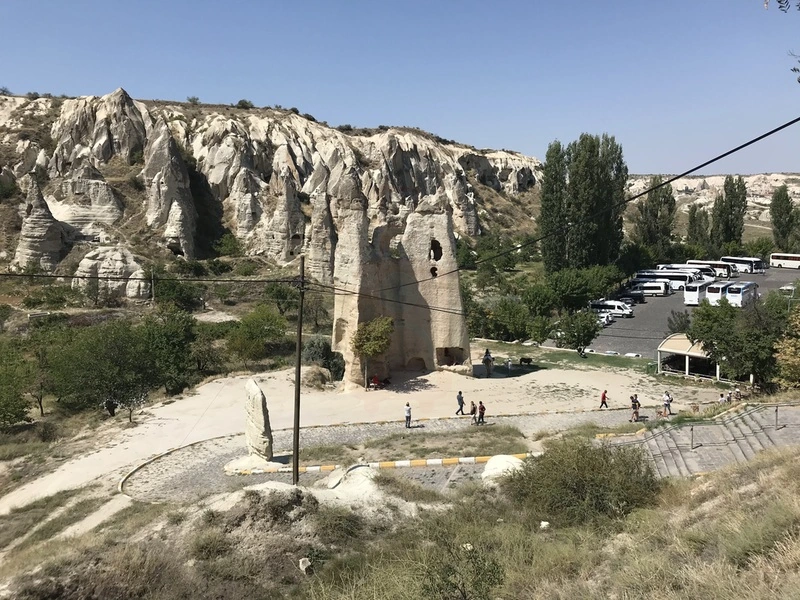
Cappadocia stands out as a premier destination for cycling, renowned for its otherworldly fairy chimney rock formations and ancient cave dwellings. Cycling through this region offers an unparalleled visual experience, with routes winding past unique geological features, underground cities, and Byzantine frescoes. The terrain here can be varied, presenting both gentle climbs and more technical singletracks amidst the valleys of Göreme and Ürgüp.
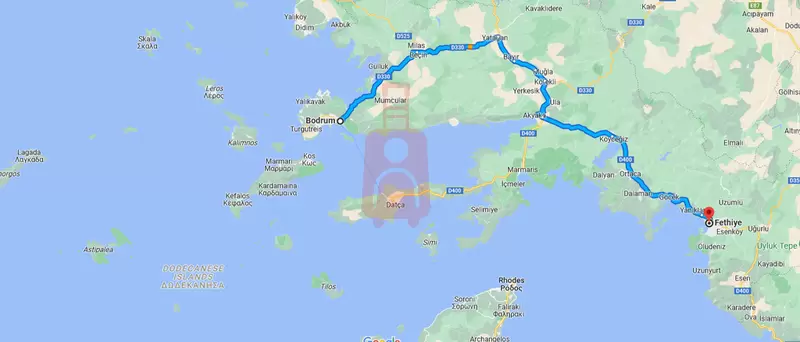
The Mediterranean coast, particularly around the Lycian Way, offers breathtaking coastal rides combined with access to ancient Lycian cities. The region near Fethiye is a notable hub, providing access to routes that climb into pine-forested hillsides overlooking turquoise waters, or follow flatter sections along lagoons. Cyclists can explore ruins such as Tlos, Xanthos, and Patara, often with the sea as a constant companion on their journey.
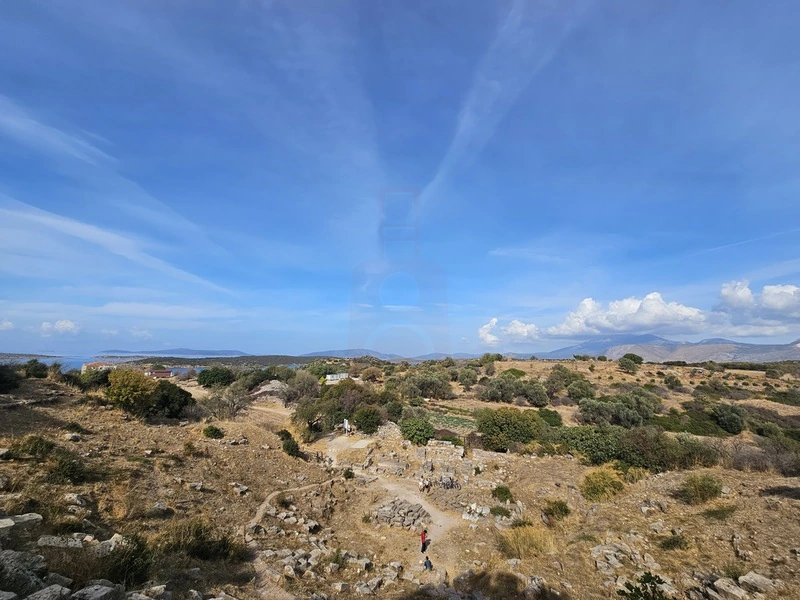
Further west, the Aegean region, encompassing areas around Izmir, offers a gentler cycling experience through olive groves, vineyards, and historical towns. Routes here often feature rolling hills and flatter sections, making them suitable for less strenuous tours. The proximity to ancient sites like Ephesus and Pergamon adds a significant cultural dimension to rides through picturesque rural landscapes.
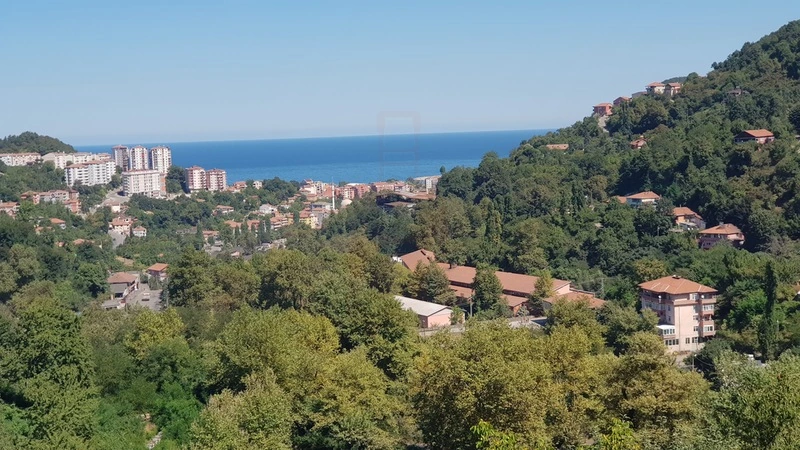
For those seeking more challenging terrain and verdant scenery, the Black Sea region presents a dramatic contrast. Its lush, mountainous landscapes, tea plantations, and dense forests provide a rugged environment for cycling. Expect steep ascents and descents, often with rewarding views of the Black Sea or high-altitude plateaus (yayla), appealing to experienced cyclists looking for an adventure away from common tourist paths.
Eastern Anatolia, while more remote, offers an epic backdrop for advanced cycling tours, characterized by vast open spaces, high mountain passes, and a strong sense of untouched wilderness. This region requires thorough preparation due to its challenging conditions and sparse infrastructure, but rewards with truly grand landscapes and encounters with traditional Anatolian life.
Visitors can expect a wide array of terrain on a cycling tour in Turkey. Roads may range from smooth asphalt in well-traveled areas to cobblestones in historic towns and gravel paths in rural or mountainous regions. Being prepared for varying surfaces is advisable for any route chosen across the country.
Cultural encounters are an integral part of cycling in Turkey. Local communities are generally welcoming, and cyclists often find themselves invited for çay (tea) or engaged in friendly conversation. The opportunity to sample authentic Turkish cuisine, often prepared with fresh local ingredients, in small village eateries is another highlight.
Regarding seasonal advice, spring (April-May) and autumn (September-October) are generally considered the best times for cycling in most of Turkey. Temperatures are mild, landscapes are vibrant, and the heat of summer is absent. Spring brings blooming wildflowers, while autumn offers pleasant warmth and the colors of the changing foliage.
Summer months (June-August) can be intensely hot, particularly in inland and southern regions, making early morning rides essential. Higher altitude areas, such as parts of Central Anatolia or the Eastern Black Sea mountains, offer cooler alternatives during this period. Winter (November-March) is suitable for cycling only in the milder coastal areas of the Mediterranean and Aegean; inland regions often experience snow and freezing temperatures.
Safety is a significant consideration for cyclists in Turkey. Traffic conditions vary; while drivers in rural areas are often accustomed to agricultural vehicles and slower traffic, urban centers can be busy. It is advisable to wear high-visibility clothing and use appropriate lighting, especially when cycling near dusk or dawn.
Road conditions can be unpredictable, with potholes, gravel patches, or unexpected roadworks occurring, particularly on less-trafficked routes. Carrying a well-stocked repair kit and having basic bike maintenance skills is prudent. Navigation tools, such as GPS devices with pre-loaded maps, are highly recommended, as signage can sometimes be sparse in remote areas.
Staying adequately hydrated and nourished is crucial, especially given Turkeys climate and the physical exertion involved. Water and food provisions should be planned according to the route, noting that services may be infrequent in certain rural stretches. Comprehensive travel and medical insurance is always recommended for international travelers.
Cyclists have the option of renting bicycles locally, with increasing availability of quality road and mountain bikes in major tourist centers like Fethiye or Goreme. Alternatively, many prefer to bring their own bicycle, ensuring familiarity and a perfect fit for their tour. Airlines have established procedures for transporting bikes, which should be checked in advance.
Accommodation along cycling routes ranges from comfortable guesthouses and boutique hotels in towns to more rustic village stays or camping options. Local food culture is vibrant, with plentiful opportunities to taste regional specialties, from fresh seafood on the coast to hearty stews inland. While Turkish is the primary language, basic English is understood in tourist-heavy areas, and learning a few common Turkish phrases can greatly enhance interactions.
In summary, Turkey presents a compelling destination for cycling tours, offering an extensive range of landscapes, historical sites, and cultural experiences. With careful planning regarding region, season, and safety, cyclists can embark on a truly memorable journey through this captivating country, discovering its beauty at a pace that allows for genuine engagement.

