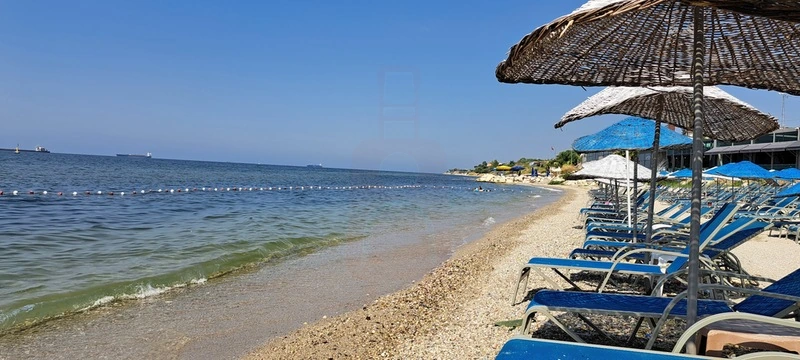
Most Popular 10 Beaches in Beylikdüzü
21-01-2025 00:10
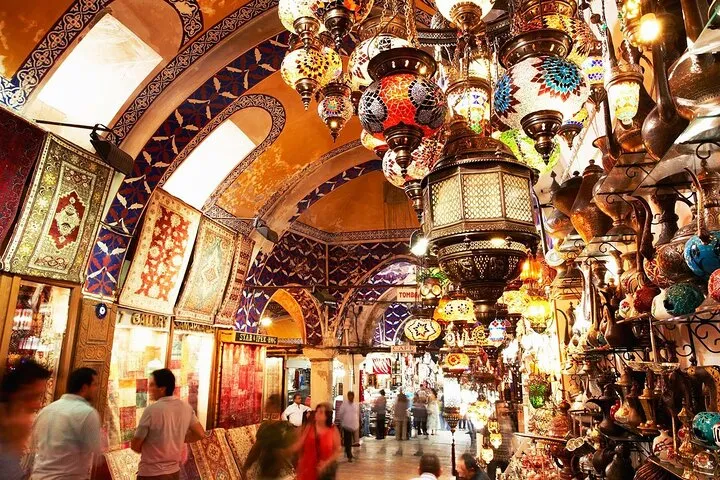
Exploring Turkeys vibrant markets and historic bazaars offers a real sensory feast. From Istanbuls Grand Bazaar to local village pazar, visitors can haggle for exquisite carpets, ceramics, spices, fresh produce, and unique handcrafted souvenirs. This immersive cultural experience provides a true glimpse into Turkish daily life, where centuries of trade traditions thrive. Its an essential activity to discover authentic goods and engage with friendly local vendors, making it a cornerstone of any Turkish journey.

Are you ready to elevate your travel business? By becoming a registered agent with Tourka, you will unlock a world of exclusive opportunities. We provide our partners with competitive pricing, an easy-to-use booking platform, and a wide range of travel products tailored to your clients' needs.
Join Now



Exploring the vibrant markets and traditional bazaars of Turkey offers a profound insight into the countrys rich culture and daily life. These bustling hubs are far more than just places to shop; they are social centers where communities converge, stories are exchanged, and a tangible connection to local heritage can be found.
From historic covered bazaars to sprawling open-air weekly markets, the activity of market visiting in Turkey is a full sensory experience. Visitors can expect to navigate labyrinthine alleyways filled with an array of goods, hear the calls of vendors, and smell a blend of spices, fresh produce, and Turkish coffee.
The activity typically involves walking, observing, interacting with vendors, and often engaging in polite negotiation for goods. It’s an opportunity to discover unique souvenirs, taste regional delicacies, and witness the rhythms of Turkish commerce firsthand.
Istanbul, as the historical and cultural heart, hosts some of the most iconic market experiences. The Grand Bazaar, or Kapalıçarşı, is among the oldest and largest covered markets in the world, a maze of thousands of shops offering textiles, jewelry, ceramics, leather goods, and antiques.
Nearby, the Spice Bazaar, or Mısır Çarşısı, specializes in an aromatic array of spices, Turkish delight, dried fruits, nuts, and traditional remedies. Both offer a glimpse into centuries of trade and remain essential stops for many visitors.
Beyond these famous landmarks, Istanbul’s local neighborhoods host numerous weekly markets, known as halk pazarı. These markets focus primarily on fresh produce, cheeses, olives, and household items, providing an authentic look at everyday Turkish life.
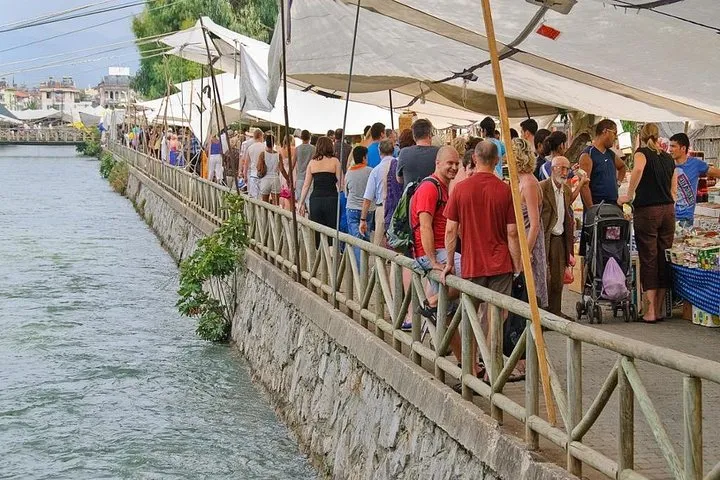
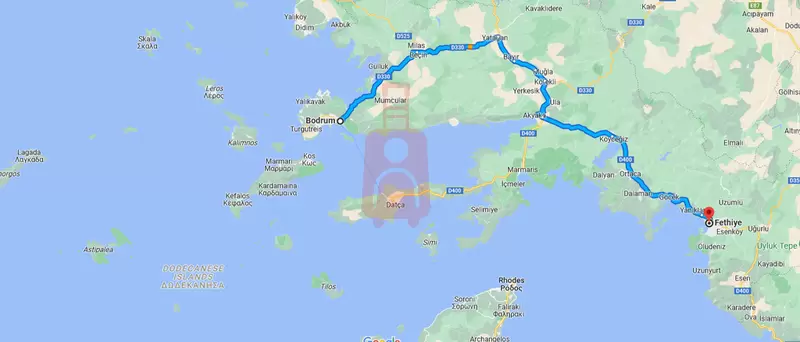
Along Turkeys Aegean and Mediterranean coasts, market culture thrives, particularly in tourist-frequented areas. Fethiye, for example, is renowned for its large Tuesday market, attracting both locals and visitors.
The Fethiye market offers an extensive selection of fresh fruits and vegetables, local cheeses, olives, and regional honey. Additionally, sections are dedicated to textiles, leather goods, spices, and souvenirs, making it a comprehensive shopping destination.
Other coastal towns like Bodrum and Izmir also boast impressive market scenes. Bodrums weekly markets are popular for designer replica items, textiles, and local handicrafts, while Izmirs historic Kemeraltı Bazaar provides a traditional Turkish market experience with its diverse offerings.
In Central Anatolia, towns like those in Cappadocia offer markets with a focus on regional crafts such as pottery, carpets, and local foodstuffs. These smaller markets often provide a more intimate and less crowded shopping experience.
Southeastern Anatolia, particularly Gaziantep, is celebrated for its culinary markets. Visitors can find an incredible variety of spices, pistachios, baklava, and local gastronomic delights that reflect the region’s rich food heritage.
Visitors to Turkish markets can expect a bustling and often vibrant atmosphere. Many vendors are keen to engage in friendly conversation, offering tea or samples of their goods.
Bargaining is a traditional part of the shopping experience in many markets, especially for non-food items in tourist-oriented bazaars. It is typically a polite negotiation, approached with good humor, rather than an aggressive contest.
Common items to consider purchasing include hand-woven carpets and kilims, intricate ceramic pottery, authentic leather goods, and various forms of Turkish delight or baklava. Spices, teas, and local olive oil are also popular choices.
Jewelry, especially pieces incorporating traditional Ottoman or Seljuk designs, can be found, alongside a range of decorative household items and souvenir trinkets. Antique markets, particularly in larger cities, hold hidden treasures for those with an eye for unique finds.
For those interested in culinary experiences, markets are excellent places to try local street food. Simit (sesame-crusted bread rings), gözleme (savory stuffed flatbreads), and various fresh juices are commonly available from mobile vendors.
Seasonally, market visits are enjoyable year-round, but specific times offer different advantages. Spring and autumn provide ideal weather for exploring outdoor markets, with comfortable temperatures and vibrant displays of seasonal produce.
During the warmer summer months, visiting markets earlier in the morning or later in the afternoon can help avoid the midday heat. Many indoor bazaars offer a cool respite during the hottest parts of the day.
In winter, markets continue to operate, with a shift in available produce and a focus on warm beverages. Covered bazaars like the Grand Bazaar remain popular, providing a cozy atmosphere away from colder temperatures.
Regarding safety, Turkish markets are generally considered safe environments, but exercising standard precautions is advisable. In crowded areas, it is prudent to be mindful of personal belongings to mitigate the risk of opportunistic pickpocketing.
When purchasing valuable items like carpets or antiques, research reputable dealers and consider obtaining a certificate of authenticity. While most vendors are honest, being an informed shopper is always beneficial.
Using Turkish Lira (TL) for transactions is common, and many vendors prefer cash, especially in smaller markets. Major credit cards are accepted in larger shops within established bazaars, but less so at individual stalls or street vendors.
Overall, market visits and shopping in Turkey offer more than just a transaction; they provide a genuine cultural immersion. It is an opportunity to engage with local life, appreciate traditional craftsmanship, and gather unique memories alongside any purchased goods.

