Most Popular 10 Beaches in Beylikdüzü
21-01-2025 00:10
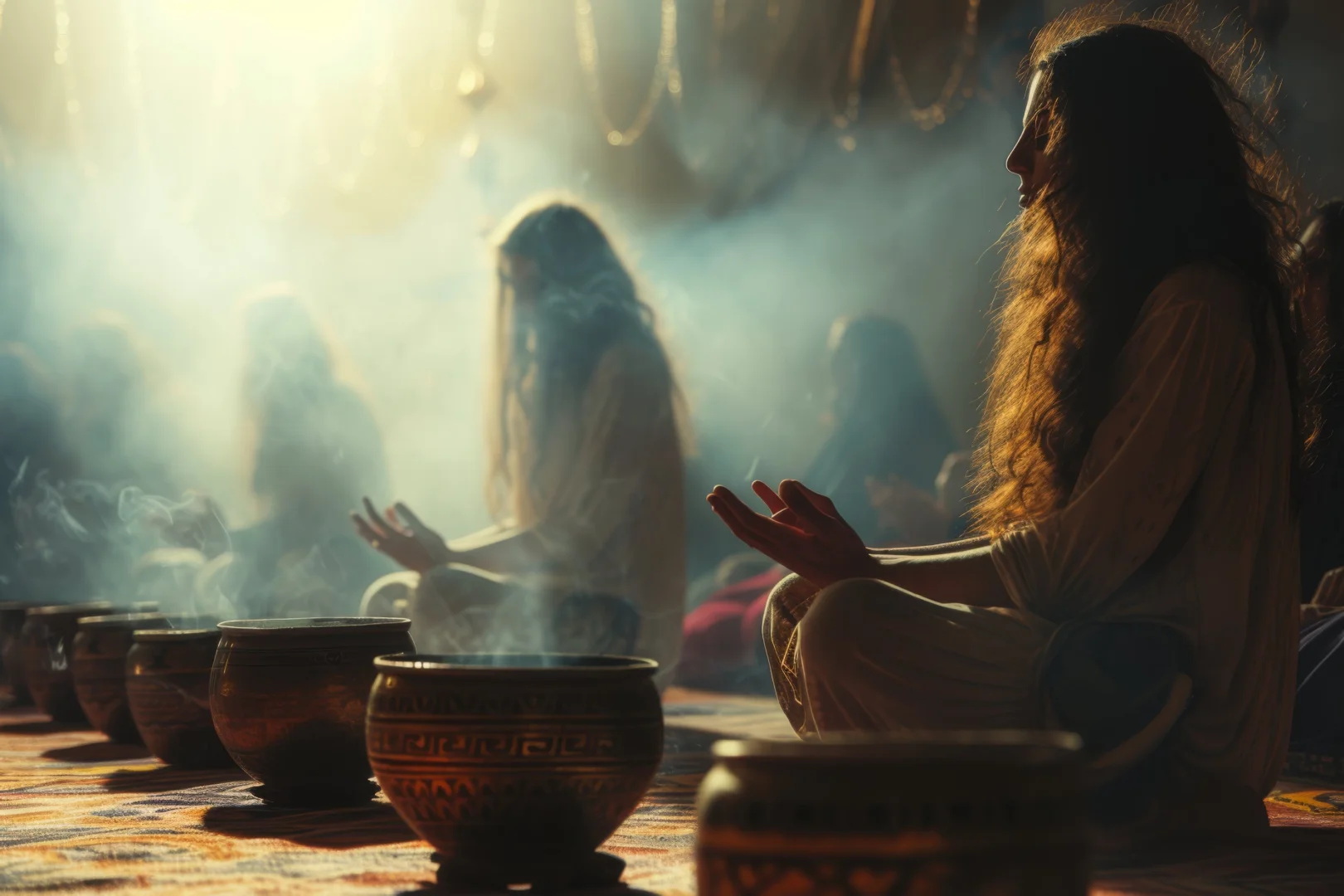
Religious and Mystical Sites tours in Turkey showcase its rich spiritual heritage. Explore ancient Christian sites (Cappadocia, Ephesus), Istanbuls grand mosques, and Konyas Rumi Sufi shrine. This category thrives due to Turkeys unique role as a crossroads of major faiths. It offers insights into diverse religious legacies, fostering historical and spiritual reflection.

Are you ready to elevate your travel business? By becoming a registered agent with Tourka, you will unlock a world of exclusive opportunities. We provide our partners with competitive pricing, an easy-to-use booking platform, and a wide range of travel products tailored to your clients' needs.
Join Now
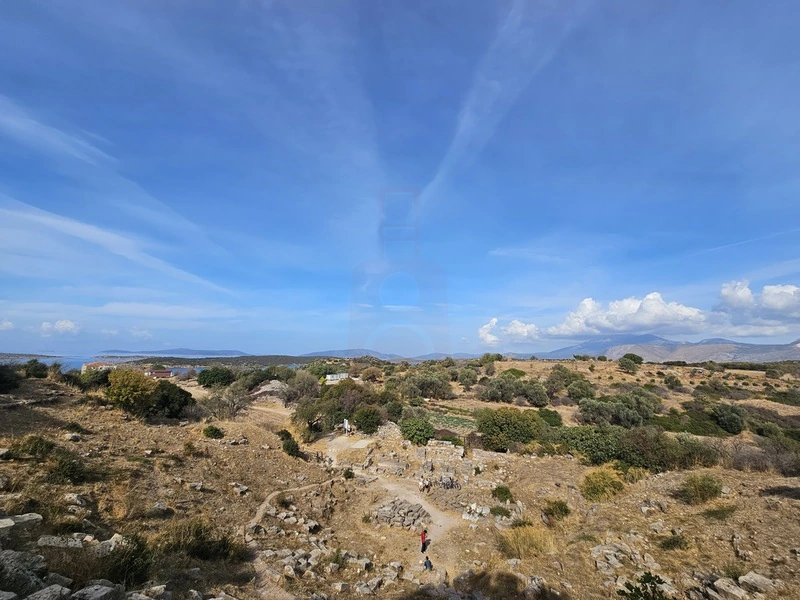
Turkey, a land bridging continents and cultures, offers an unparalleled journey for those drawn to religious and mystical sites. This unique travel category invites exploration into millennia of spiritual devotion, from the ancient pagan cults and early Christian communities to the flourishing of Sufi mysticism and diverse Islamic traditions. A tour through Turkey’s sacred landscapes provides a profound historical and spiritual immersion, revealing the layers of faith that have shaped this remarkable country.
This travel guide focuses on what such a tour entails, highlighting key regions and significant sites, offering seasonal advice, outlining safety considerations, and detailing visitor expectations for a truly enriching experience.
A journey into Turkeys religious and mystical sites involves uncovering the remnants of ancient beliefs, walking the paths of early saints, and understanding the profound impact of Sufism. Travelers can expect to visit archaeological wonders, rock-cut churches, venerable mosques, and tranquil dervish lodges. The experience often includes engaging with local traditions and contemporary spiritual practices, providing a holistic view of Turkey’s sacred heritage.
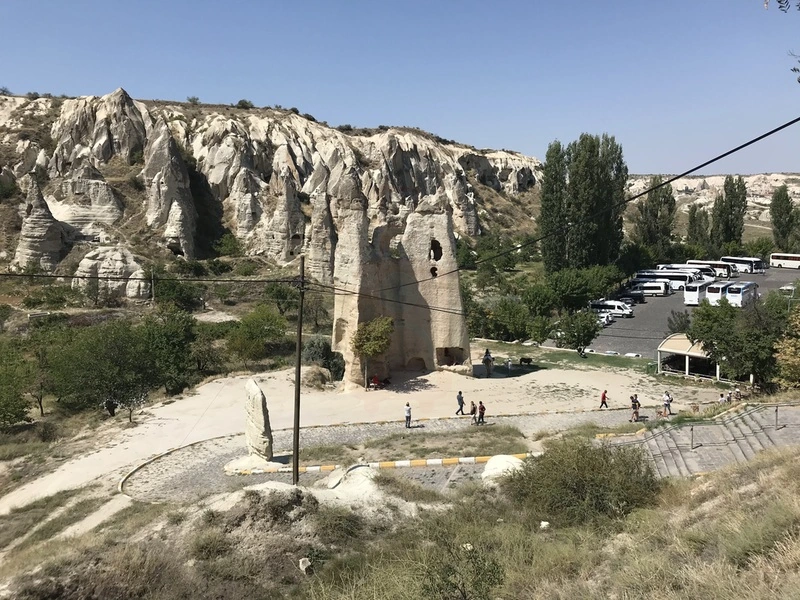
One of the most compelling regions for this tour is **Cappadocia**, renowned for its distinctive fairy chimney rock formations and its pivotal role in early Christianity. Here, underground cities like Derinkuyu and Kaymaklı served as refuges for Christians fleeing persecution. The Göreme Open-Air Museum features an impressive collection of rock-cut churches adorned with intricate frescoes, dating from the 9th to the 11th centuries, offering a vivid glimpse into monastic life.
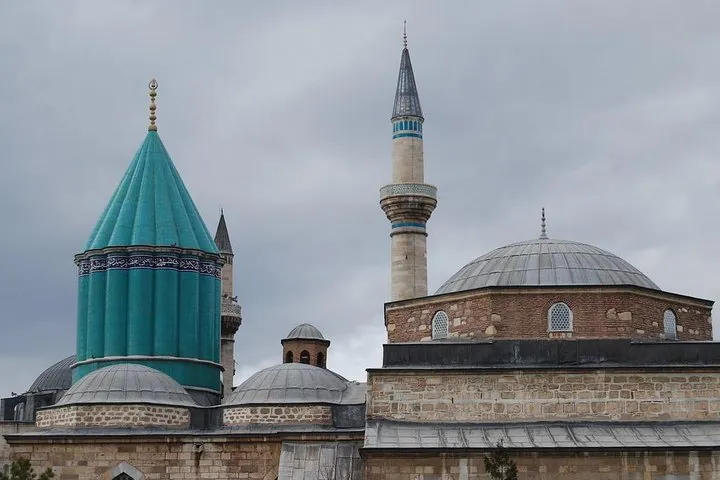
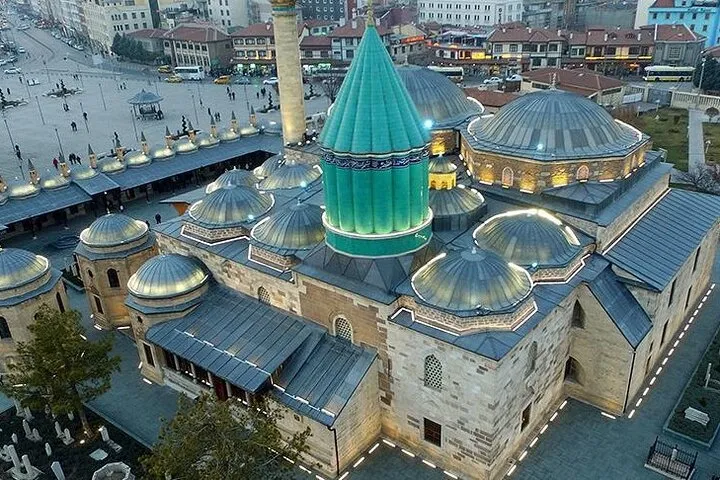
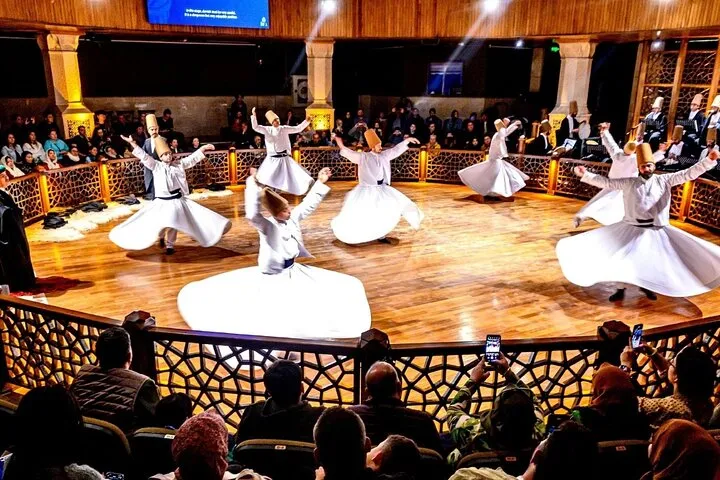
Further east, **Konya** stands as the spiritual heart of Sufism in Turkey, inextricably linked with the 13th-century Persian poet, Islamic scholar, and theologian Rumi. The Mevlana Museum, housing Rumi’s mausoleum and the former lodge of the whirling dervishes, is a pilgrimage site for many. Visitors can witness the mesmerising Sema ceremony, a spiritual dance of the Mevlevi Order, which is recognized as a UNESCO Intangible Cultural Heritage.
Along Turkeys Aegean coast, **Ephesus** is a cornerstone of Christian history, mentioned prominently in the New Testament. The city hosted one of the Seven Churches of Revelation, and nearby, the traditional House of the Virgin Mary is believed to be where she spent her last years. St. Johns Basilica, built over the apostles presumed tomb, further underscores the regions importance. Other sites linked to the Seven Churches, such as Sardis, Laodicea, and Hierapolis (Pamukkale), are also within reach.
**Istanbul**, the former capital of both the Byzantine and Ottoman Empires, presents a fascinating tapestry of religious history. The iconic Hagia Sophia, once a grand Byzantine basilica and later an imperial mosque, now serves as a mosque, embodying centuries of architectural and religious transformation. The Chora Church, now the Kariye Museum, is celebrated for its breathtaking Byzantine mosaics and frescoes depicting biblical scenes.
Istanbul is also home to the Ecumenical Patriarchate of Constantinople, the spiritual center of Orthodox Christianity. Magnificent Ottoman mosques like the Süleymaniye Mosque and the Blue Mosque stand as testaments to Islamic architectural genius and spiritual devotion. Exploring the Fener and Balat districts reveals historic churches, synagogues, and a rich multicultural religious past.
In Southern Turkey, the ancient city of **Antioch (Antakya)** holds significance as one of the earliest centers of Christianity, where disciples were first called Christians. St. Peters Cave Church, carved into the side of Mount Starius, is considered by many to be the first cave church in the world.
For a dive into ancient mystical cults, **Mount Nemrut** in southeastern Turkey is an extraordinary destination. This UNESCO World Heritage site features colossal stone heads and body fragments of ancient deities and kings, part of a hierothesion (tomb-sanctuary) built by King Antiochus I of Commagene in the 1st century BCE. The sunrise or sunset views from this remote mountain peak offer a truly mystical experience.
Seasonal advice for visiting these sites varies by region. Spring (April to May) and autumn (September to October) are generally ideal, offering mild weather suitable for exploring outdoor sites and comfortable travel. Summers (June to August) can be very hot, especially in inland and southeastern Turkey, while winters (November to March) can be cold and snowy, particularly in Cappadocia and mountainous regions, although winter snows can lend a unique beauty to some sites.
Safety in Turkey is generally good for tourists. It is advisable to be aware of your surroundings, especially in crowded areas. When visiting religious sites, modest dress is often required or recommended; women may need to cover their heads in mosques, and shoulders and knees should be covered for both men and women. Showing respect for local customs and traditions is paramount.
Visitors undertaking a religious and mystical sites tour in Turkey can expect a journey rich in history, spirituality, and cultural immersion. The depth of historical layers requires an open mind and a willingness to engage with diverse narratives. Some sites involve walking over uneven terrain or climbing stairs, so a moderate level of physical fitness is beneficial.
The experience offers not only a visual feast of ancient architecture and art but also an opportunity for quiet contemplation and reflection. You will encounter the echoes of countless generations who sought spiritual solace and expressed their faith through magnificent constructions and enduring traditions.
Ultimately, a religious and mystical sites tour in Turkey provides a unique pathway to understanding the profound spiritual heritage of humanity, inviting travelers to connect with centuries of devotion in a land that has been a cradle for numerous faiths and mystical movements.

