
Antalya: Best Places to Visit & Essential Travel Tips
07-09-2023 19:13
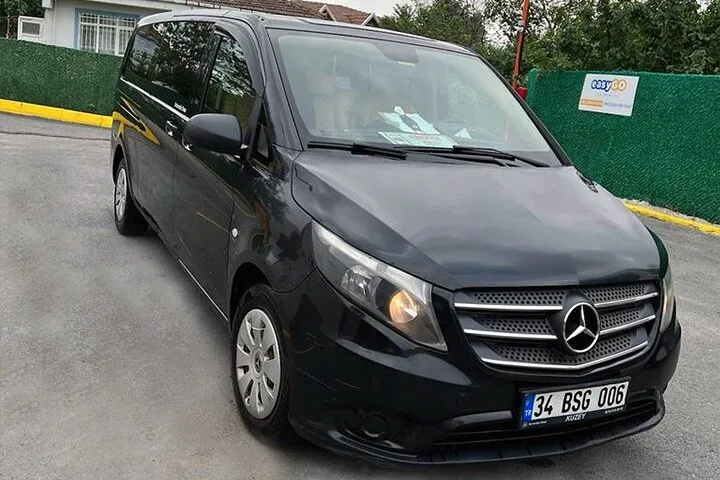
Vehicle rentals in Turkey offer flexibility for independent exploration, discovering diverse landscapes, historical sites, and stunning coasts at your own pace. Car rental is popular, granting access to remote sites and scenic routes beyond tours. Economical cars to robust SUVs facilitate exploring cities, Cappadocia, or the Turquoise Coast. Self-drive crafts personalized, unique adventures across Turkey, providing the freedom to curate an immersive journey.





Are you ready to elevate your travel business? By becoming a registered agent with Tourka, you will unlock a world of exclusive opportunities. We provide our partners with competitive pricing, an easy-to-use booking platform, and a wide range of travel products tailored to your clients' needs.
Join Now




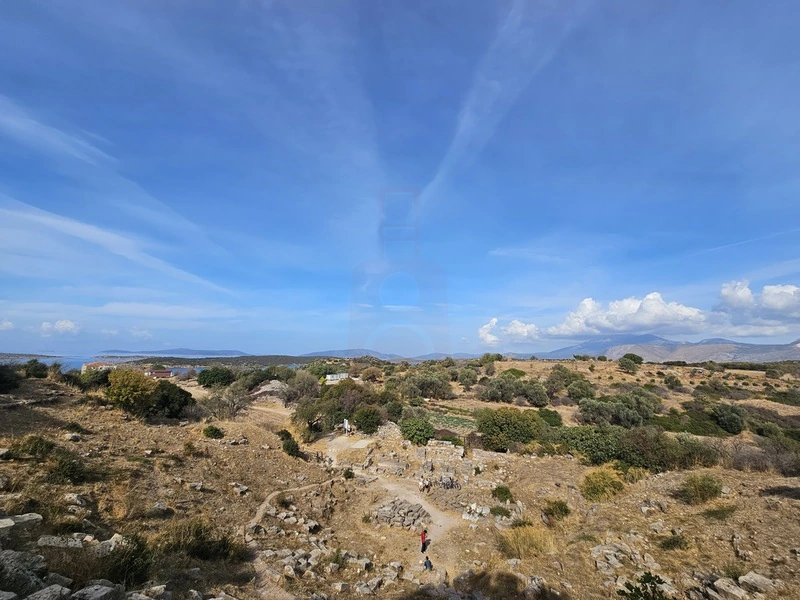
Exploring Turkey by rental vehicle offers a distinct level of freedom, allowing visitors to tailor their itineraries and discover s away from structured tour routes. This mode of transport provides the flexibility to linger in captivating spots, venture into charming villages, or simply follow the scenic coastal roads at ones own pace, creating a more personal and immersive travel experience.
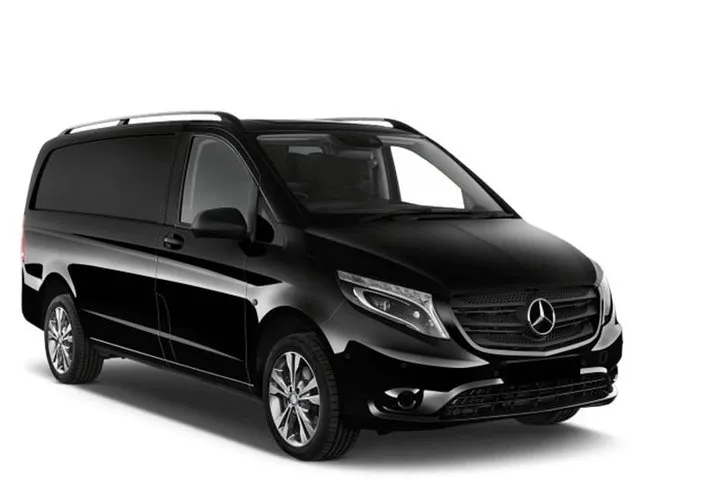
The variety of vehicles available for rent in Turkey caters to different travel needs and preferences. Standard cars, from compact models ideal for city navigation and short trips to larger sedans or SUVs suitable for longer journeys and varied terrain, form the primary rental options. Scooters and motorcycles are also widely available, especially in popular coastal towns like Fethiye or Bodrum, offering an agile way to navigate local areas and enjoy the open road with the wind in your hair.
Renting a vehicle in Turkey generally requires drivers to be at least 21 years old, though some companies may have higher age limits for certain vehicle categories or require drivers under 25 to pay a young driver surcharge. A valid driving license from your home country is essential, and an International Driving Permit (IDP) is highly recommended, and often legally required, especially for non-Turkish license holders. A major credit card in the drivers name is typically mandatory for the security deposit, which covers potential damages or fines.
Insurance is a crucial aspect of vehicle rental. Most rental agreements in Turkey include basic Collision Damage Waiver (CDW) with an excess, meaning the renter is liable for a portion of damage costs. Theft Protection (TP) is often included as well. It is advisable to review the insurance terms carefully and consider upgrading to full insurance or zero-excess options for greater peace of mind, as this can significantly reduce financial liability in the event of an incident.
Turkeys road network is generally well-maintained, particularly the major highways and intercity routes. Driving in Turkey, however, can present unique challenges. Traffic in large cities like Istanbul or Ankara can be dense and fast-paced, with local drivers sometimes exhibiting assertive driving habits. Outside urban centers, roads tend to be less congested, offering more relaxed driving conditions and opportunities to appreciate the diverse landscapes.
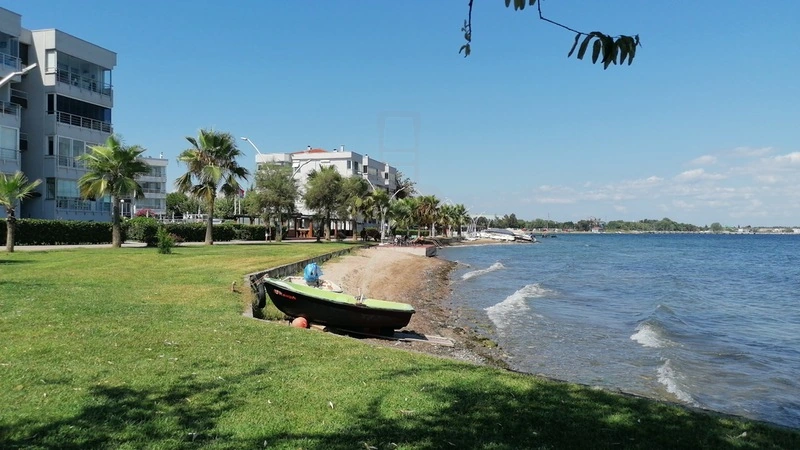
For those seeking scenic drives and coastal beauty, the Aegean and Mediterranean coasts are prime locations for vehicle rentals. The stretch from Antalya through Kaş, Fethiye, and Ölüdeniz, continuing towards Marmaris and Bodrum, is particularly popular. This route encompasses stunning cliffside roads, ancient ruins, and picturesque bays, allowing drivers to explore the historical Lycian Way or discover secluded beaches at leisure. Fethiye, for example, serves as an excellent base for day trips to Saklıkent Gorge, Butterfly Valley, or the ancient city of Tlos.
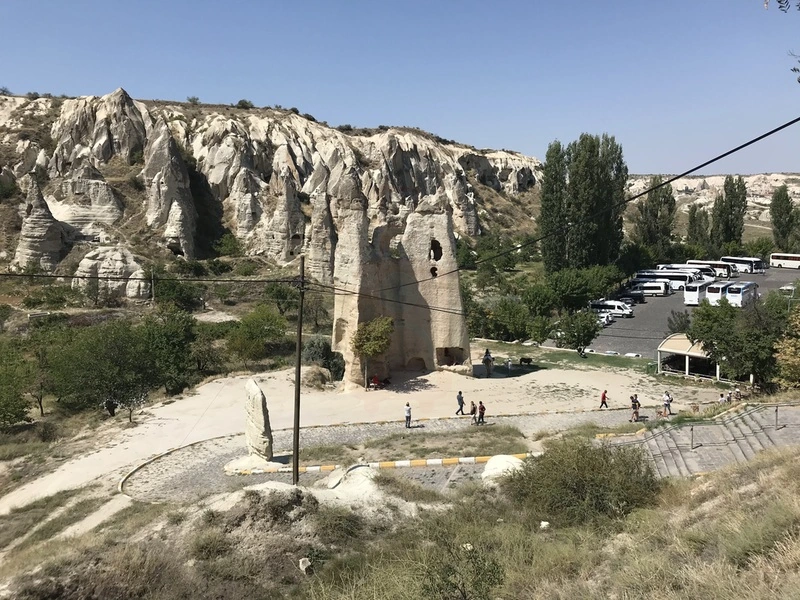
Cappadocia, with its surreal fairy chimney landscapes and cave dwellings, also benefits from car rental for independent exploration. While guided tours are common, a personal vehicle allows visitors to navigate the many valleys, visit lesser-known churches, or catch sunrise hot air balloon spectacles from various vantage points without time constraints. Similarly, a car provides access to the historical sites and traditional villages scattered across Central Anatolia, offering a deeper dive into Turkeys rich heritage.
Seasonal considerations play a significant role in planning a self-driving trip. The spring (April to May) and autumn (September to October) months are often considered ideal for vehicle rentals across most of Turkey. During these periods, the weather is pleasant, temperatures are moderate, and tourist crowds are generally smaller, leading to more comfortable driving and better availability of rental vehicles at potentially more favorable rates.
Summer (June to August) sees peak demand, higher prices, and increased traffic, especially in coastal resorts. While the sunny weather is attractive, inland regions can experience very high temperatures, making long drives less comfortable. Booking well in advance is essential during this busy season to secure your preferred vehicle type.
Winter (November to March) brings cooler temperatures and, in higher elevation and eastern regions, snow. Rental prices are typically lower, and roads are quieter. However, if planning to venture into snowy areas, a 4x4 vehicle with appropriate tires is highly advisable. Coastal areas generally remain mild, offering a pleasant off-season driving experience, though some smaller roads might be less maintained.
Safety on Turkish roads requires attention and defensive driving. Speed limits are generally 50 km/h in urban areas, 90 km/h on intercity roads, and 120 km/h on motorways, though these can vary and are clearly signposted. It is mandatory for all occupants to wear seatbelts, and using a mobile phone while driving is prohibited. Petrol stations are frequent and widely available, offering various fuel types, and are often staffed to assist with refueling.
Visitors can expect road signs to be in Turkish, often accompanied by English translations on major routes. Navigation is typically straightforward with GPS devices, which can be rented with the vehicle, or by using smartphone applications like Google Maps or Yandex Maps. For toll roads, Turkey utilizes an electronic system (HGS/OGS). Rental companies usually provide vehicles equipped with these passes, and the toll fees are billed to the renter after the trip. It is important to confirm this arrangement with the rental agency upon pickup.
In the unlikely event of an accident, contacting the rental company immediately is paramount. They will advise on the necessary steps, which typically involve obtaining a police report (kaza tespit tutanağı) and potentially an alcohol test report if any party is injured. Keeping emergency numbers (112 for general emergencies, police, ambulance) handy is always a sensible precaution.
Overall, renting a vehicle in Turkey offers an enriching and empowering way to traverse its diverse landscapes, from the azure coastlines to the historical heartlands. Careful planning, an understanding of local driving conditions, and adherence to safety guidelines will ensure a rewarding and memorable journey through this fascinating country.

