Most Popular 10 Beaches in Beylikdüzü
21-01-2025 00:10
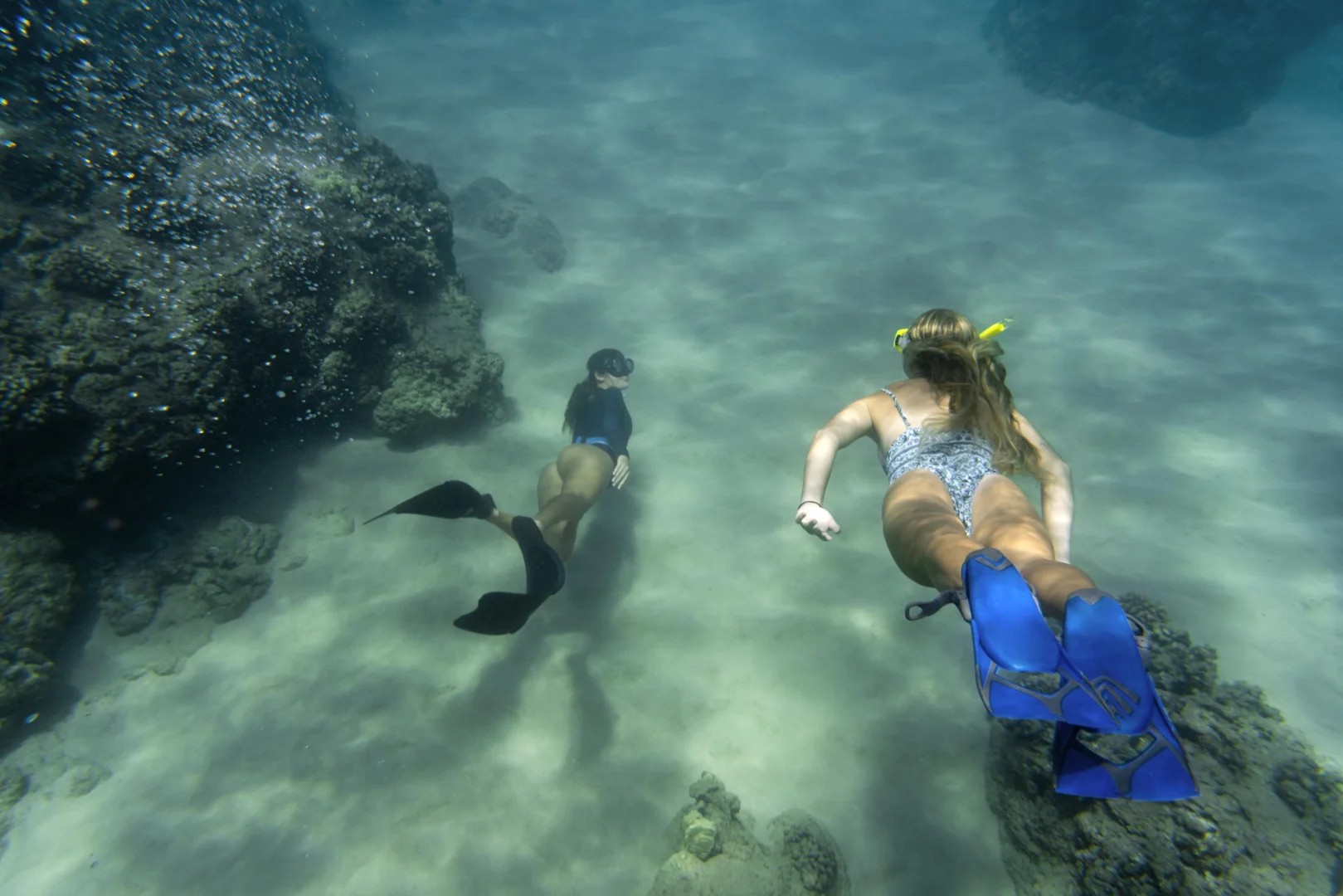
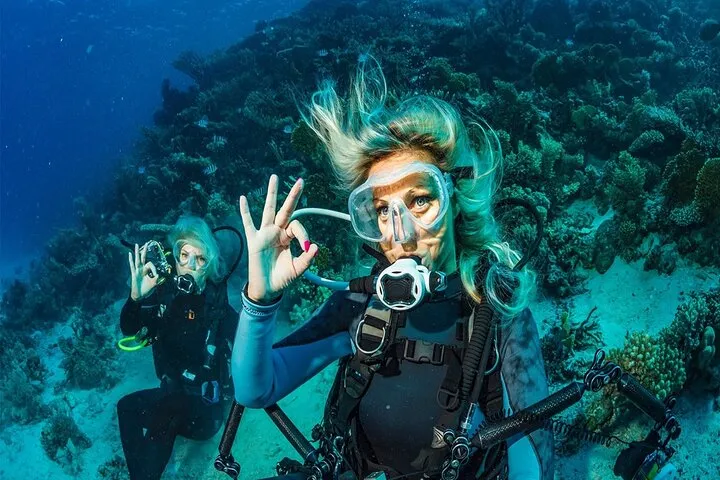
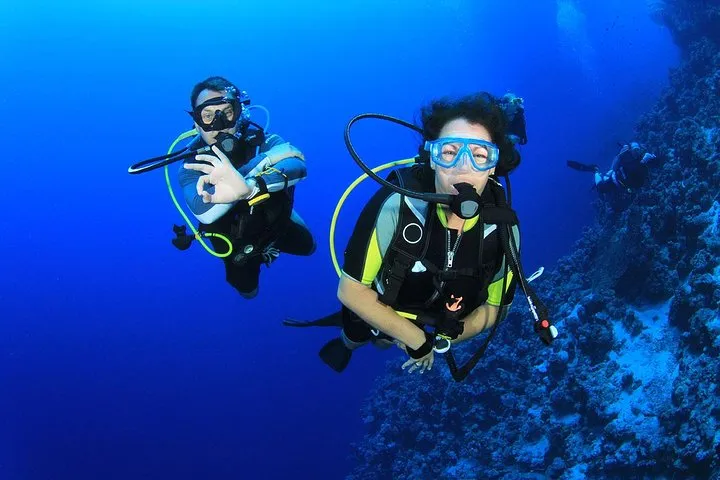
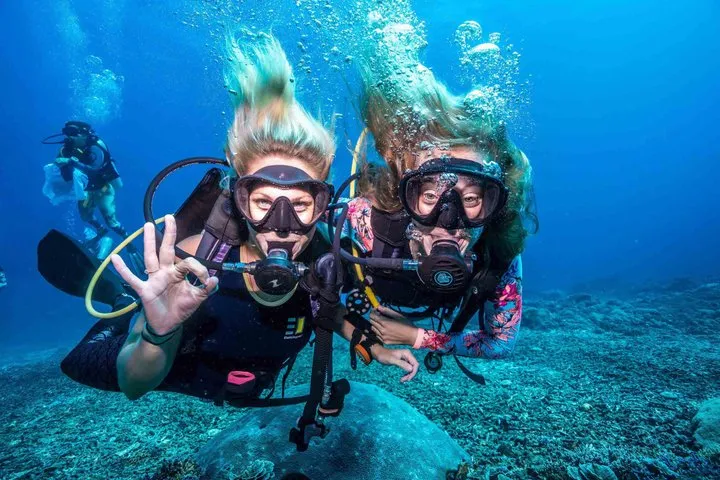
Turkeys Aegean and Mediterranean coasts offer superb underwater exploration for divers and snorkelers. Discover ancient wrecks, vibrant reefs, hidden caves with diverse marine life. Popular spots like Kaş, Fethiye, and Bodrum boast , excellent visibility, ideal for all skill levels. Encounter colorful fish, octopuses, and loggerhead turtles, exploring unique geological formations and submerged archaeological sites. Turkeys warm seas and rich history provide an immersive aquatic adventure.

Are you ready to elevate your travel business? By becoming a registered agent with Tourka, you will unlock a world of exclusive opportunities. We provide our partners with competitive pricing, an easy-to-use booking platform, and a wide range of travel products tailored to your clients' needs.
Join Now
Turkey, with its vast coastline stretching across the Aegean, Mediterranean, and Black Seas, offers a diverse array of underwater experiences for both avid divers and casual snorkelers. The countrys unique geographical position, coupled with a rich historical tapestry, presents an aquatic environment where vibrant marine life coexists with ancient submerged ruins.
Exploring Turkeys underwater world provides an opportunity to discover , intriguing rock formations, and a variety of aquatic species. The Aegean and Mediterranean coasts are particularly renowned for their favorable conditions, characterized by warm temperatures and excellent visibility for much of the year.
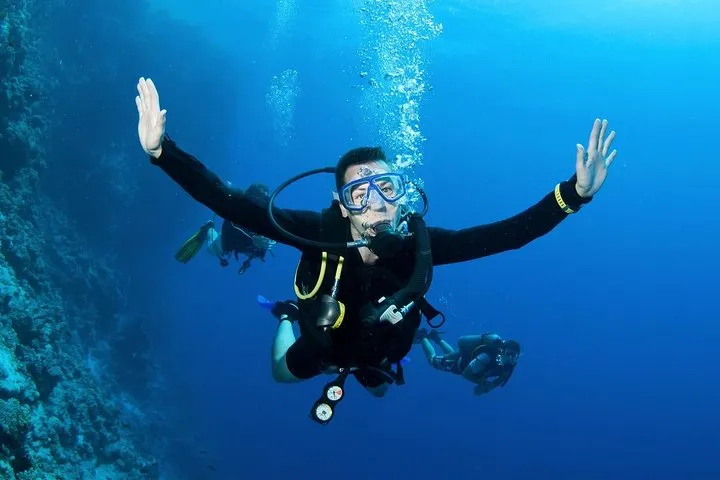
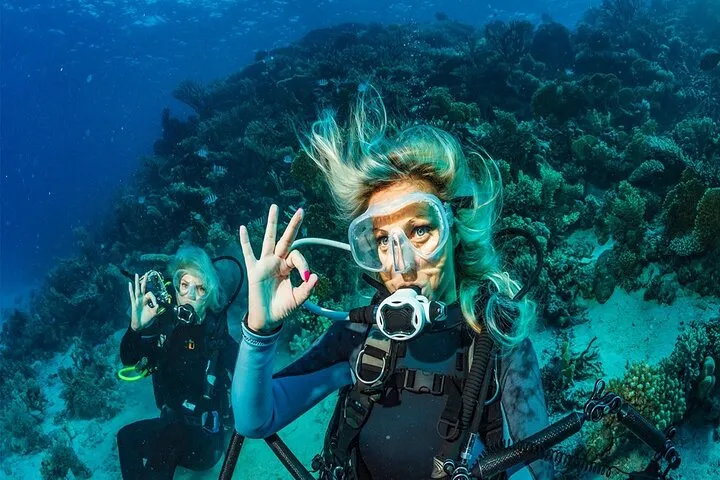
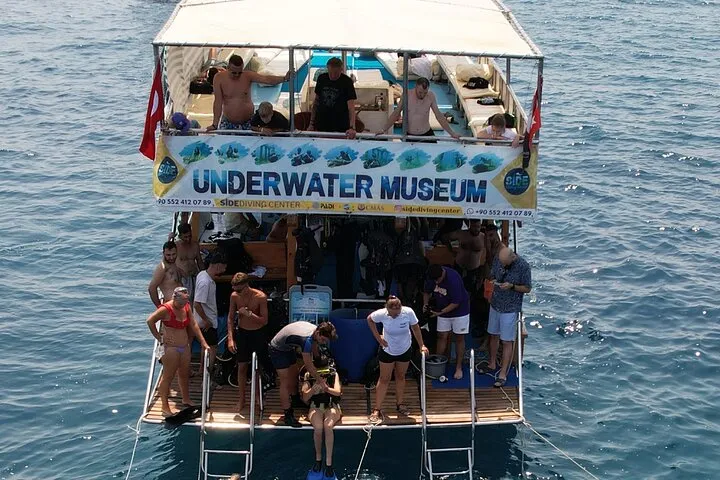
For those interested in diving, Turkeys waters cater to all experience levels, from introductory dives for beginners to challenging explorations for advanced divers. Typical diving excursions often involve boat trips to designated sites, which may include natural reefs, submerged caves, shipwrecks, and artificial reefs.
Underwater topography frequently features dramatic drop-offs, swim-throughs, and sandy bottoms, creating varied habitats. Common sightings include groupers, barracudas, octopuses, sea turtles, moray eels, and various smaller reef fish. Occasionally, divers may encounter larger pelagic species depending on the season and location.
Snorkeling in Turkey is equally rewarding, providing accessible views of the countrys coastal marine ecosystems. Many bays and coves along the southern and western coasts offer calm, shallow waters ideal for surface exploration. Snorkelers can observe schools of fish, sea urchins, and colorful sponges close to the shoreline.
Equipment for both diving and snorkeling, including masks, fins, snorkels, wetsuits, and buoyancy control devices, is generally available for rent at dive centers. Visitors are encouraged to ensure equipment fits properly and is in good condition before any underwater activity.
The Kaş region, situated on the Mediterranean coast, is widely regarded as one of Turkeys premier diving destinations. Its rugged coastline and numerous offshore islands host a rich marine biodiversity and several historical wreck sites. The clarity of the water in Kaş is exceptional, often exceeding 30 meters of visibility.
Near Kaş, the sunken city of Kekova offers a unique snorkeling and shallow diving experience. While direct diving on the ancient ruins is restricted to protect the historical site, boat tours allow observation of the submerged Lycian and Roman foundations from above the water or through snorkeling.
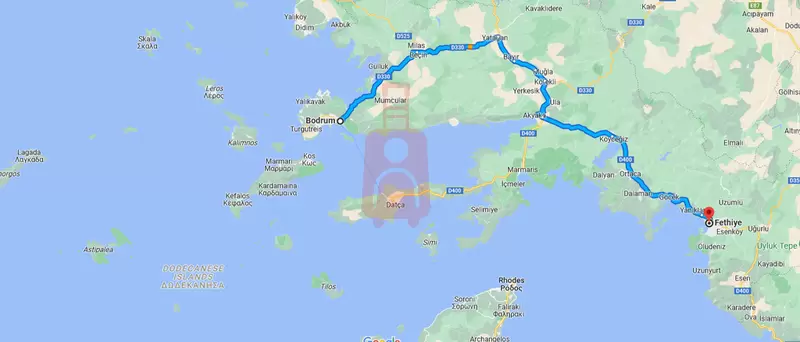
Fethiye, a popular hub in the Muğla province, serves as a gateway to numerous dive and snorkel spots, including those around Ölüdeniz. The region boasts several islands and bays, such as Afkule, known for its underwater cave system, and various sites near Gemiler Island, offering a blend of natural beauty and historical context.
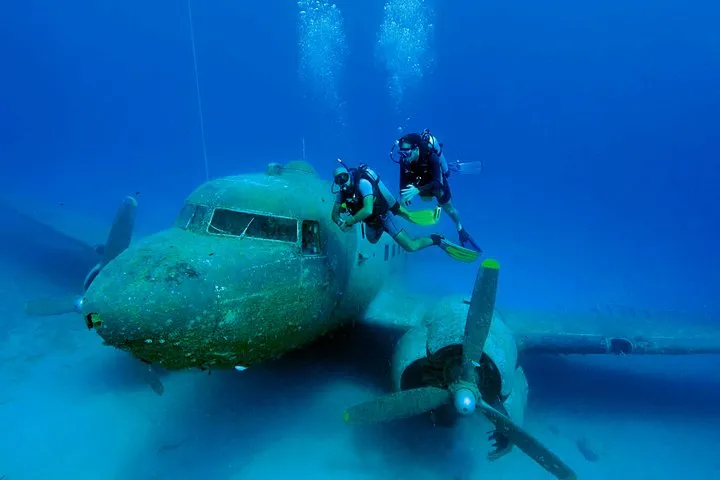
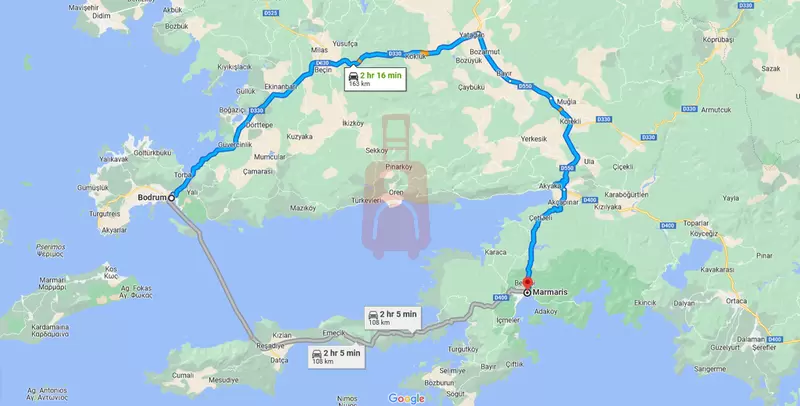
Bodrum, on the Aegean coast, provides another significant diving landscape, particularly known for its historical wrecks. The Pinar 1 freighter wreck and the C-47 Dakota plane wreck are popular sites, attracting divers interested in artificial reefs and the history they represent. The visibility here is consistently good throughout the summer months.
Marmaris, further south on the Aegean, features a multitude of accessible bays and small islands suitable for both beginners and experienced divers. Sites like Sarımehmet Burnu and Kadırga offer diverse rock formations and a good chance to see various Mediterranean species.
The Antalya and Kemer areas, while more developed for mainstream tourism, also host several worthwhile dive sites. Places like the Paris II wreck near Kemer, a French cargo ship sunk during World War I, present an intriguing historical dive. The coastal waters around Antalya generally provide good conditions for introductory dives.
For those venturing into the North Aegean, the Ayvalık archipelago presents a different, often calmer, diving environment. The waters here are typically cooler but can offer distinct marine life and a sense of quieter exploration away from the more bustling southern resorts.
The optimal season for diving and snorkeling in Turkeys Aegean and Mediterranean regions is generally from May to October. During these months, water temperatures range from 20°C to 28°C, and surface conditions are usually calm, ensuring maximum visibility and comfort.
Early autumn, specifically September and October, often provides the best balance of warm water and fewer crowds. Summer months, while busiest, offer consistently excellent weather and sea conditions for all water activities.
Safety is a primary consideration for any underwater activity. Visitors should always engage with certified dive centers that adhere to international safety standards. Checking equipment condition, ensuring proper instruction, and respecting dive master guidance are fundamental practices.
Environmental awareness is also crucial. Divers and snorkelers are encouraged to maintain a respectful distance from marine life and avoid touching or disturbing coral formations or historical artifacts. Sustainable practices help preserve Turkeys underwater heritage for future enjoyment.
Expect dive centers to provide comprehensive briefings on local conditions, dive plans, and emergency procedures. Many centers offer multilingual instructors to cater to international visitors, ensuring clear communication and a safe experience.
Turkey’s underwater realm is a captivating blend of natural beauty and historical intrigue. From vibrant fish navigating ancient amphorae to dramatic underwater caves, the Aegean and Mediterranean coasts offer a rich environment for exploration. Visitors can anticipate encountering diverse marine ecosystems alongside remnants of civilizations long past.

