
Most Popular 10 Beaches in Beylikdüzü
21-01-2025 00:10
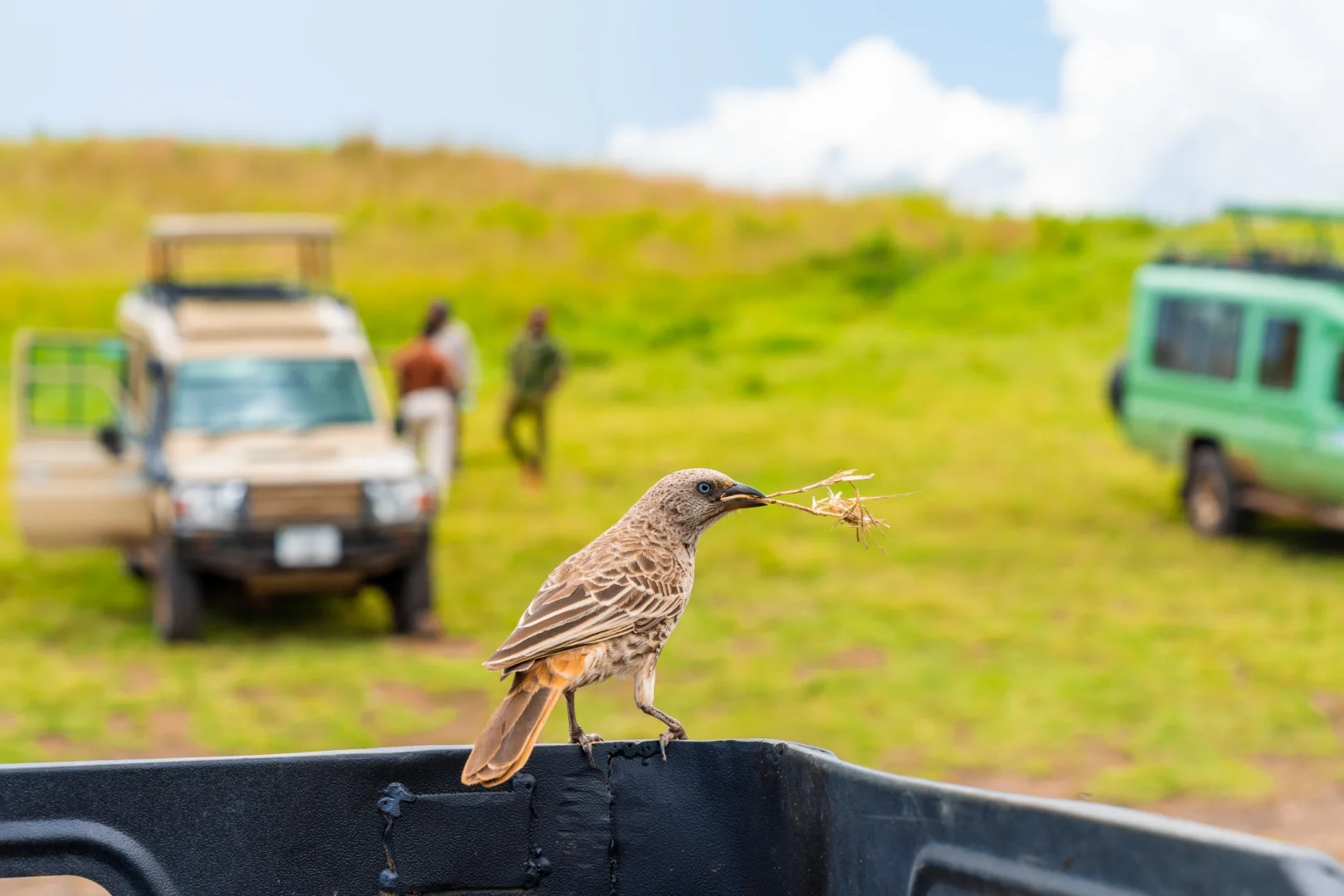
Turkey offers exceptional wildlife and safari tours, revealing its unexpected ecological richness beyond historical marvels. Explore diverse ecosystems from expansive wetlands crucial for birdwatching, as Turkey lies on vital migratory routes, to rugged mountains harboring brown bears, wolves, and wildcats. Coastal regions provide opportunities for observing dolphins and sea turtles. These guided experiences focus on responsible nature photography and trekking. Turkeys unique geographical position, bridging continents, cultivates an unparalleled biodiversity, making it a compelling destination for authentic wildlife encounters.

Are you ready to elevate your travel business? By becoming a registered agent with Tourka, you will unlock a world of exclusive opportunities. We provide our partners with competitive pricing, an easy-to-use booking platform, and a wide range of travel products tailored to your clients' needs.
Join Now

Turkey, often celebrated for its ancient ruins, bustling bazaars, and pristine Mediterranean coastlines, harbors a lesser-known but equally captivating facet: its rich and diverse natural world. For the discerning traveler seeking genuine wildlife encounters and immersive safari experiences, Turkey offers a unique alternative to more traditional destinations. This guide provides an in-depth look at what a wildlife and safari tour in Turkey entails, outlining key regions, seasonal considerations, and essential expectations for an enriching journey.
A wildlife and safari tour in Turkey diverges from the African big-game model, instead focusing on the incredible biodiversity found across its varied landscapes. Here, the pursuit involves observing rare bird species in expansive wetlands, tracking indigenous mammals in rugged mountains, and witnessing marine life along ancient coastlines. It is an exploration of ecosystems ranging from steppes and dense forests to high alpine pastures and volcanic plains, revealing a country at the crossroads of three biogeographical regions.
Birdwatching is a cornerstone of Turkeys wildlife offerings, owing to its strategic position on major migratory routes between Europe, Asia, and Africa. The Gediz Delta near İzmir is a Ramsar site and a crucial wetland, renowned for its large populations of flamingos, pelicans, and various waders. Further north, the Kızılırmak Delta in Samsun and Manyas Bird Paradise National Park in Balıkesir provide vital stopover points and breeding grounds for hundreds of bird species, including numerous raptors and waterfowl.
Moving south, Lake Bafa, straddling Aydın and Muğla provinces, is another significant wetland habitat, supporting a rich diversity of birdlife, particularly during migration periods. These accessible locations offer excellent opportunities for observing large congregations of species, making them ideal for both seasoned ornithologists and casual bird enthusiasts.
For mammal tracking, Turkey’s extensive mountain ranges present the most promising opportunities. The Kaçkar Mountains in the Eastern Black Sea region are a prime habitat for larger carnivores such as the brown bear, grey wolf, and Eurasian lynx, though sightings require considerable patience and local expertise. Wild goats, various deer species, and the elusive Caucasian deer also inhabit these dense forests and high alpine meadows.
The vast Toros (Taurus) Mountains, stretching across much of southern Turkey, provide refuge for a different array of species. Here, wild goats (Capra aegagrus), roe deer, and even the occasional caracal can be found in the more remote sections. The western reaches of the Toros Mountains are accessible from popular hubs like Fethiye, offering opportunities for guided hikes into natural areas where one might encounter some of these species or their tracks.
Central Anatolia, with its steppe ecosystems, hosts a different set of animals. Around Mount Erciyes, wild horses known as Yılkı roam freely, offering a distinctive cultural and wildlife experience. Various rodents, foxes, and raptors adapted to this drier environment can also be observed across the central plateau.
Turkeys Mediterranean and Aegean coasts are globally significant for marine wildlife, specifically sea turtles. İztuzu Beach near Dalyan, easily accessible from Fethiye, and Patara Beach are among the most important nesting sites for the endangered loggerhead sea turtle (Caretta caretta) and the green sea turtle (Chelonia mydas). Visitors in late spring and summer can learn about conservation efforts and, with luck, witness nesting or hatching events from a respectful distance.
When planning a wildlife tour, seasonal timing is crucial. Spring (April-May) is arguably the best period. The weather is mild, wildflowers are in bloom, and many bird species are on their northward migration, while mammals are emerging from winter dormancy and are often more active. Autumn (September-October) offers a second peak for bird migration and generally pleasant temperatures, with forests displaying vibrant colors.
Summer (June-August) can be hot, especially in lower altitudes, making daytime mammal viewing challenging. However, it is the peak season for sea turtle nesting and hatching, and higher mountain regions offer cooler temperatures and unique alpine wildlife. Winter (November-March) can be harsh in mountainous areas, with heavy snow limiting access, though some hardy bird species can be observed in wetlands and along the coasts.
Visitors embarking on a wildlife and safari tour in Turkey should expect an experience centered on observation, patience, and immersion in natural settings. This often involves guided walks, sometimes incorporating off-road vehicle travel to reach less accessible areas. Unlike traditional safaris, large herds are uncommon; instead, the focus is on tracking, understanding habitats, and appreciating the intricacies of diverse ecosystems.
Preparedness is key. Binoculars and telephoto lenses are essential for optimal viewing. Comfortable hiking boots, layered clothing suitable for varied weather, and sun protection are highly recommended. Accommodations might range from comfortable guesthouses in rural villages to simpler mountain lodges, emphasizing authenticity over luxury in many remote areas.
Safety considerations are paramount in any wildlife encounter. While dangerous animal encounters are rare, maintaining a respectful distance from all wild creatures is essential. When venturing into rugged terrain, following the guidance of experienced local guides is not only crucial for safety but also significantly enhances the chances of successful wildlife spotting. Guides possess invaluable knowledge of animal behaviors, tracks, and local conditions, ensuring a responsible and informed journey.
Turkey has established a network of national parks and protected areas, reflecting its commitment to conserving its unique natural heritage. Engaging with local conservation initiatives and respecting park regulations contributes to the long-term sustainability of these precious environments. This approach ensures that future generations can also marvel at the wild beauty and diverse inhabitants of this remarkable country.
A wildlife and safari tour in Turkey promises a deeply rewarding and often surprising journey for those willing to look beyond its more conventional attractions. It offers an opportunity to connect with nature on a profound level, discovering the wild heart of a country rich in both history and biodiversity.

