Most Popular 10 Beaches in Beylikdüzü
21-01-2025 00:10
Turkey excels in canyoning and rappelling, drawing adventurers to its diverse geological formations. This activity involves descending rugged gorges, navigating natural pools and waterfalls, and executing controlled rappels down sheer rock faces. The Taurus Mountains and Lycian Coast, with their deep canyons and , offer stunning backdrops, making Turkey a prime destination. Its unique topography is ideal for exploring hidden natural wonders and engaging in this physically demanding blend of hiking, climbing, and abseiling.

Are you ready to elevate your travel business? By becoming a registered agent with Tourka, you will unlock a world of exclusive opportunities. We provide our partners with competitive pricing, an easy-to-use booking platform, and a wide range of travel products tailored to your clients' needs.
Join Now
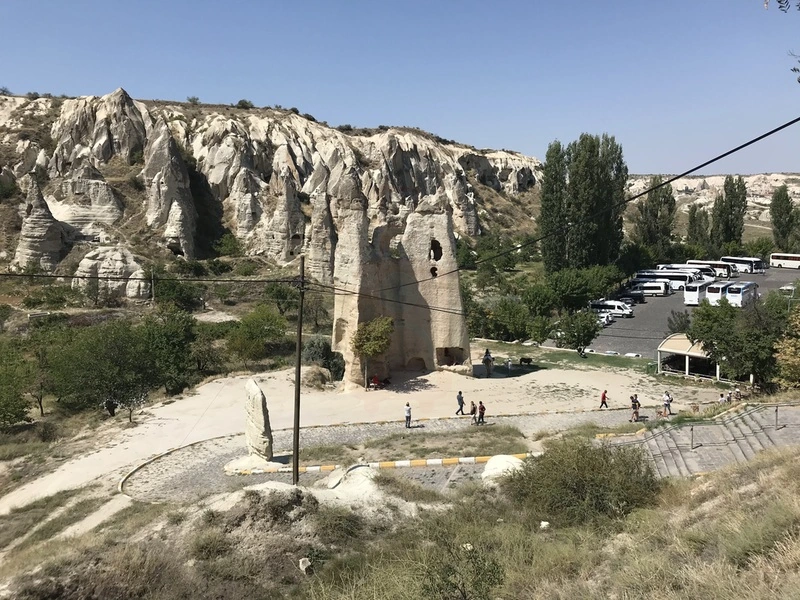
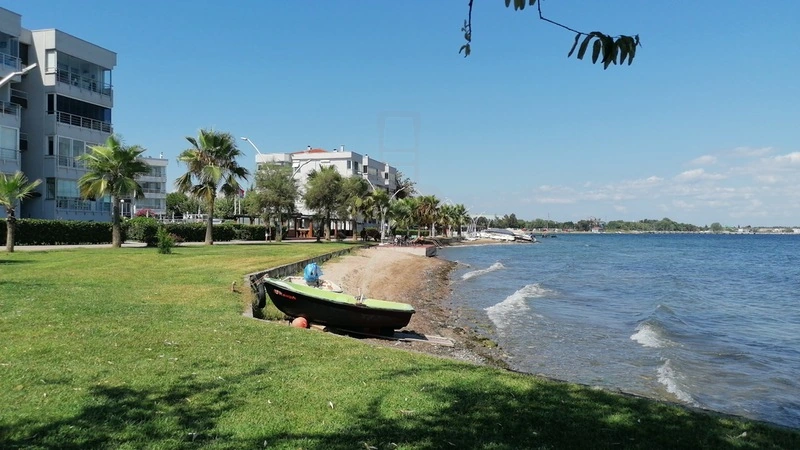
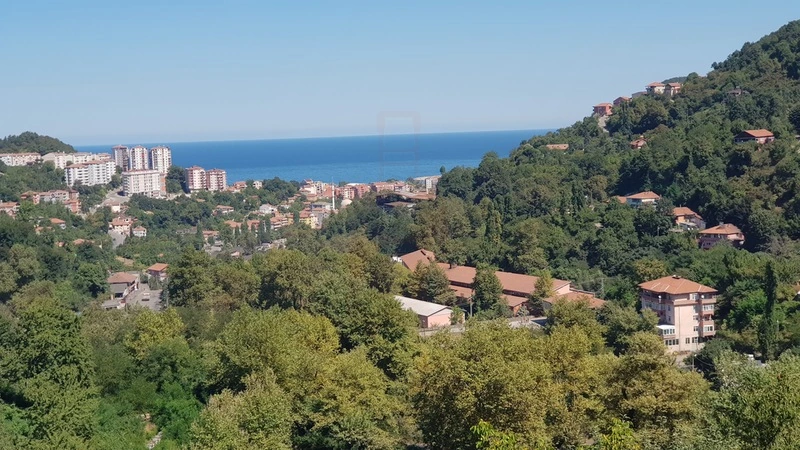
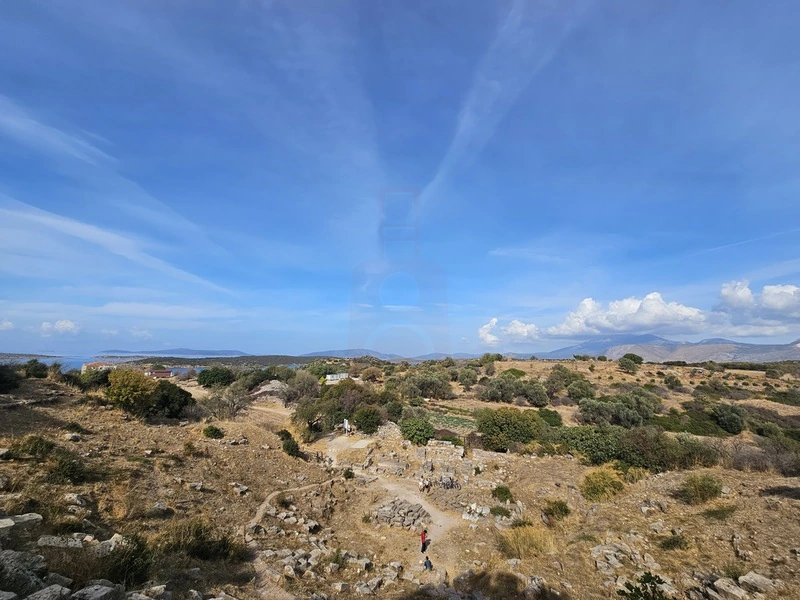
Turkey, a land renowned for its historical tapestry and stunning coastlines, also harbors a lesser-known world of vertical adventure within its rugged interior. For those seeking an adrenaline-fueled exploration that delves into the earths natural arteries, canyoning and rappelling offer an unparalleled perspective on the countrys dramatic landscapes. This guide explores the intricate details of descending Turkeys captivating canyons.
Canyoning, often referred to as canyoneering in some regions, is an outdoor activity involving travelling down canyons using a variety of techniques. It combines elements of hiking, scrambling, swimming, jumping, and most notably, rappelling. Rappelling, a core skill within canyoning, involves controlled descent down a rock face or waterfall using a rope and specialized equipment. It is a full-body engagement with nature, demanding both physical aptitude and mental fortitude.
The allure of canyoning in Turkey lies in its unique geological formations. The country is dominated by mountain ranges, particularly the extensive Taurus Mountains, which stretch across the southern arc. These Karst regions, characterized by soluble rock like limestone, are riddled with deep gorges, subterranean rivers, and cascading waterfalls carved over millennia. This creates a natural playground perfectly suited for vertical exploration.
Engaging in a canyoning expedition means navigating through these natural corridors, often submerged in crystal-clear, albeit chilly, waters. Participants typically don wetsuits to mitigate the cold, helmets for protection, and harnesses connected to ropes for safe descents. It is an immersive experience, revealing hidden pools, ancient rock formations, and flora unseen from conventional trails.
Several regions across Turkey stand out for their canyoning potential. The Mediterranean coast, particularly the area stretching from Antalya to Fethiye and beyond into Mersin, is a prime hub for these activities. The geological makeup of the Taurus Mountains here has gifted the region with a wealth of accessible yet challenging canyons.
Near Antalya, Köprülü Canyon National Park is widely recognized, primarily for its white-water rafting on the Köprüçay River. However, its numerous tributaries and side gorges also offer exceptional technical canyoning opportunities for those seeking more than just a float. These often involve significant rappels down waterfalls and swims through narrow sections.
Further east, toward Alanya and Mersin, the Dim Çayı area presents several inviting canyons. These often feature refreshing natural pools and a series of smaller rappels, making them suitable for various experience levels. The Göksu River basin in Mersin also contains numerous uncharted or less-frequented canyons, offering a sense of true wilderness adventure.
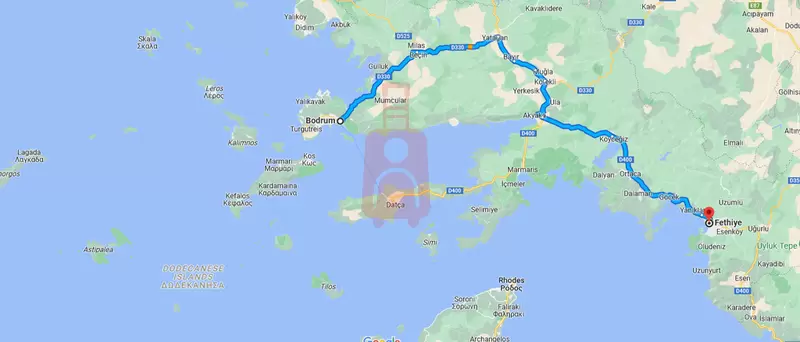
The Fethiye region, a popular tourist destination, is known for its dramatic landscapes. While Saklıkent Canyon is a famous attraction offering guided walks through its lower sections, true technical canyoning and rappelling expeditions typically venture into more remote and rugged gorges within the surrounding Babadağ and Akdağ mountain ranges. These expeditions require significant logistical planning and specialized gear.
Seasonal timing is crucial for a safe and enjoyable canyoning experience in Turkey. The ideal periods are generally late spring (April to June) and early autumn (September to October). During these months, water levels are typically manageable, avoiding the high flow rates from snowmelt in early spring or torrential rains in late autumn. The Mediterranean summer, while warm for hiking, can lead to dangerously low water levels in some canyons or conversely, sudden flash floods in others after intense thunderstorms, making assessment of conditions vital.
Safety in canyoning is paramount and hinges on several factors. The dynamic nature of canyons, with changing water levels, slippery surfaces, and potential rockfalls, necessitates a cautious approach. Adequate physical fitness is a prerequisite; participants should be comfortable swimming, have a good level of stamina, and possess a reasonable head for heights.
For any canyoning or rappelling expedition, especially in unfamiliar terrain, the involvement of experienced local guides is advisable. These professionals possess crucial knowledge of the specific canyons conditions, weather patterns, and necessary safety protocols. They also provide all the specialized technical equipment, including ropes, harnesses, descenders, and personal protective gear such as helmets and wetsuits, ensuring it meets safety standards.
What can visitors expect from a canyoning and rappelling adventure in Turkey? They can anticipate a day immersed in breathtaking natural beauty, far from the conventional tourist trails. The experience often begins with a hike to the canyons entry point, followed by the exhilarating descent. Each section of the canyon presents new challenges and rewards, from intricate rappels down cascading waterfalls to refreshing swims through emerald pools.
Expect to spend several hours navigating the canyon, with trips varying from half-day excursions to full-day adventures, depending on the canyons length and technical difficulty. The water temperature can be bracing, even in summer, but the wetsuit provides insulation. The sense of accomplishment upon completing a challenging section or emerging from a deep gorge is a significant part of the reward.
Furthermore, visitors can anticipate a profound connection with Turkeys untouched wilderness. Canyoning provides a unique vantage point, revealing geological wonders and endemic plant life that remain hidden to most. It is an activity that tests limits, fosters teamwork, and leaves lasting memories of exploration and discovery within Turkeys magnificent, vertical world.
In conclusion, canyoning and rappelling in Turkey offer an exceptional adventure for those drawn to the wilder side of travel. With its abundant mountainous terrain and countless carved gorges, Turkey provides a superb backdrop for this challenging and deeply rewarding activity. It is an opportunity to journey through the very heart of nature, experiencing the raw power and serene beauty of the countrys hidden waterways.

